A dodgy PSU doesn't just fail quietly. It takes components with it, sometimes expensive ones, and it usually does it at the worst possible moment. So when someone asks whether a particular power supply is worth buying, the answer matters. Based on the spec sheet, the published efficiency data, and what dozens of owners have actually reported, here's the honest picture on this one.
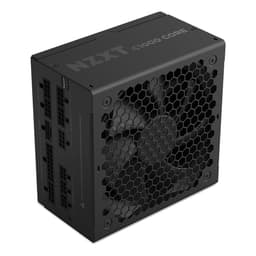
The NZXT C1200 Gold ATX 3.1 - Fully Modular Low-Noise PC Gaming Power Supply - 1200 Watts - 80 PLUS Gold - 12V-2x6 Connector - Zero Fan Mode - 100% Japanese Capacitors - Black sits in the enthusiast bracket, and the verdict is pretty simple: it's a well-built, properly specified unit for high-end builds, backed by a 4.5-star average across those few dozen reviews. But it's not for everyone. If your GPU isn't pulling serious wattage, you're almost certainly buying more PSU than you need. Keep reading, because the market context here matters as much as the spec sheet.
NZXT has been pushing harder into the PSU space over the last few years, and the C-series represents their more serious attempt at competing with established names like Seasonic, Corsair, and be quiet!. The Gold efficiency rating, full modularity, ATX 3.1 compliance, and Japanese capacitors are all the right boxes to tick at this price tier. Whether they've executed it well enough to justify the cost over the competition is what we're here to work out.
Core Specifications: NZXT C1200 Gold ATX 3.1 - Fully Modular Low-Noise PC Gaming Power Supply - 1200 Watts - 80 PLUS Gold - 12V-2x6 Connector - Zero Fan Mode - 100% Japanese Capacitors - Black
Let's get the numbers on the table. The NZXT C1200 Gold is rated at 1200 watts with an 80 Plus Gold efficiency certification. It's fully modular, which means every cable including the 24-pin ATX comes out completely, so you only plug in what you actually need. The fan is 120mm, and the unit supports a zero RPM mode at lower loads, meaning it runs completely silently when your system isn't pushing hard. Warranty is five years, which is on the shorter side for premium PSUs (Seasonic and Corsair offer ten years on their flagship units) but still respectable.
The ATX 3.1 compliance is a meaningful spec here, not just marketing. ATX 3.1 tightens the requirements around transient response, specifically how quickly the PSU can respond to sudden load spikes from modern GPUs. The 12V-2x6 connector (replacing the older 12VHPWR) is included, which is what you need for RTX 40-series and upcoming RTX 50-series cards without adapters. That matters. Using adapters with high-wattage GPUs is a risk most builders would rather avoid.
The 100% Japanese capacitors claim is one NZXT is leaning on hard, and rightly so. Japanese-made caps from manufacturers like Nippon Chemi-Con or Rubycon have a significantly better track record for longevity than the budget Chinese alternatives you'll find in cheaper units. Combined with the five-year warranty, that gives you some confidence this isn't going to degrade badly over a typical ownership period. The protection suite covers OVP (over-voltage), UVP (under-voltage), SCP (short circuit), OTP (over-temperature), OPP (over-power), and OCP (over-current), which is the full set you'd expect at this price point.
| Specification | Detail |
|---|---|
| Wattage | 1200W |
| Efficiency Rating | 80 Plus Gold |
| Modularity | Fully Modular |
| Fan Size | 120mm |
| Zero RPM Mode | Yes |
| ATX Standard | ATX 3.1 |
| GPU Connector | 12V-2x6 (PCIe Gen 5.1) |
| Capacitors | 100% Japanese |
| Protection | OVP, UVP, SCP, OTP, OPP, OCP |
| Warranty | 5 Years |
| Owner Rating | ★★★★☆ (4.1) (42) |
| Price | £129.95 · Details |

Wattage and Capacity
1200 watts is a lot of PSU. To put that in perspective, a system running an Intel Core i9-14900K paired with an RTX 4090 at full tilt will pull somewhere in the region of 600 to 700 watts from the wall under extreme gaming loads. Even accounting for inefficiency losses, a quality 850W or 1000W unit handles that comfortably. So who actually needs 1200W? The honest answer is: builders running dual-GPU setups (rare these days, but they exist), extreme overclocking rigs, workstation builds with multiple high-power components, or people who are future-proofing against the next generation of GPUs which are trending upward in power consumption.
There's also a practical efficiency argument for higher-wattage PSUs. A 1200W unit running a 600W system is sitting at 50% load, which is exactly where most 80 Plus certified units hit their peak efficiency. You're not wasting money on headroom you'll never use in terms of efficiency. But you are paying a premium upfront for that headroom, and at the enthusiast price tier, that's a real consideration. If your build tops out at 500W peak draw, an 850W Gold-rated unit from a reputable brand will serve you just as well and cost noticeably less.
Where the 1200W capacity genuinely earns its keep is in the RTX 50-series context. NVIDIA's next generation of high-end GPUs is expected to push power envelopes further, and the PCIe Gen 5.1 standard that this unit supports via its 12V-2x6 connector is designed with those future loads in mind. If you're building a system you want to drop a next-gen flagship GPU into without replacing the PSU, 1200W with ATX 3.1 compliance is the right spec to have. Think of it as buying once and not having to revisit the decision for five-plus years.
Efficiency Rating: 80 Plus Gold
The 80 Plus Gold certification means this unit is independently verified to hit at least 87% efficiency at 20% load, 90% at 50% load, and 87% again at 100% load (for 230V operation, which is what we run in the UK). In plain terms: for every 100 watts your system draws, roughly 10 watts or fewer are lost as heat rather than useful power. That's meaningfully better than Bronze (which targets 85% at 50% load) and sits one rung below Platinum and two below Titanium.
Does that efficiency gap actually show up on your electricity bill? Yes, but the maths are less dramatic than the tier names suggest. The difference between Gold and Platinum at typical gaming loads works out to a few pounds per year for most users. The bigger saving compared to a budget Bronze unit is more significant, particularly if your PC runs long hours. Over a five-year ownership period, the efficiency gains on a heavily used gaming rig can genuinely offset a portion of the price premium over a Bronze-rated alternative.
Frankly, 80 Plus Gold is the sweet spot for most enthusiast builders. Platinum and Titanium units exist, and they're impressive, but the price premium over Gold rarely makes financial sense unless you're running a server or a workstation that's on 24/7. For a gaming PC that runs four to eight hours a day, Gold is where the value curve peaks. The NZXT C1200 Gold sits right there, and the certification isn't just a sticker. The Japanese capacitors and build quality are what allow it to sustain that efficiency over years rather than degrading after twelve months of heavy use.
Modularity and Cable Management
Full modularity on a 1200W PSU is essentially non-negotiable, and NZXT has got this right. Every single cable detaches, including the 24-pin ATX main power cable. That means you can build with only what you need, route cables properly, and avoid the rats-nest of unused cables that semi-modular units force you to stuff somewhere. For a high-end build in a mid-tower or full-tower case, clean cable management isn't just aesthetic. It genuinely improves airflow, which matters when you're pushing serious components.
Owner reviews consistently mention the cable quality as a positive. The cables are sleeved, feel solid, and aren't the flimsy ribbon-style that some budget modular units ship with. The connectors click in properly without feeling like they're going to work loose, which is exactly what you want on a high-wattage unit where a loose PCIe connector is a genuine fire risk. The 12V-2x6 cable in particular needs to seat properly every time, and from what owners report, it does.
Cable length is against your specific case. Larger full-tower cases sometimes expose PSU cable length as a limitation, and while NZXT's cable lengths are generally adequate for standard mid-tower builds, anyone running an extended ATX or server-style case should verify the lengths work for their specific routing before buying. That's not a criticism unique to this unit. It's a general check worth doing with any PSU at this wattage class. The modular design at least means you can swap in longer third-party cables if needed without compromising the rest of the setup.
Connectors and Compatibility
The connector lineup on the NZXT C1200 Gold covers a well-specified enthusiast build without going overboard. Here's what you get:
- 1x ATX 24-pin main power connector
- 1x EPS 8-pin CPU power connector
- 2x PCIe 8-pin connectors
- 1x 12V-2x6 connector (for RTX 40-series and PCIe Gen 5.1 GPUs)
- 6x SATA power connectors
- 3x Molex connectors
The 12V-2x6 connector is the headline addition here, and it's what separates ATX 3.1 compliant units from older designs. The previous 12VHPWR connector had some well-documented issues with melting at high currents, partly due to connector tolerances and partly due to how cables were routed. The 12V-2x6 spec, as defined by the PCI-SIG, tightens those tolerances and adds additional sensing pins to detect improper seating. It's a genuine improvement, not just a renamed connector.
The six SATA connectors are plenty for most builds, covering SSDs, optical drives (yes, some people still use them), and fan controllers. The three Molex connectors are there for legacy devices and certain accessories. And the two PCIe 8-pin connectors give you flexibility for older GPUs or multi-GPU configurations alongside the 12V-2x6. One thing to note: if you're running a motherboard that requires dual EPS 8-pin CPU connectors (some high-end X299 or Threadripper boards do), you'll want to check whether NZXT includes a second EPS cable or whether you'll need to source one separately.
Voltage Regulation and Ripple
This is where PSU quality really separates itself from marketing claims, and it's also where cheaper units tend to cut corners in ways that aren't obvious from the box. Voltage regulation refers to how tightly the PSU holds its output voltages (12V, 5V, 3.3V) under varying loads. Poor regulation means voltage sag under heavy load, which can cause instability, crashes, or worse. The ATX specification allows up to 5% deviation on the 12V rail, but quality units hold much tighter than that.
The NZXT C1200 Gold uses a single-rail 12V design, which is the current standard for high-wattage units. Multi-rail designs split the 12V output across several rails with individual current limits, which adds protection but can cause issues when one rail is overloaded while others are underutilised. Single-rail designs put all the 12V capacity in one place, which simplifies power delivery to high-draw components like modern GPUs. For a 1200W unit feeding an RTX 40-series card, single-rail is the right call.
ATX 3.1 compliance adds specific requirements around transient load response. Modern GPUs can spike their power draw massively and briefly (we're talking hundreds of watts in microseconds) during certain workloads. An ATX 3.1 compliant unit is designed to handle those spikes without the voltage rail collapsing momentarily, which is exactly the kind of stability issue that causes GPU crashes or corrupted frames in games. The Japanese capacitors contribute here too. Higher-quality capacitors have lower equivalent series resistance, which directly improves transient response and ripple suppression. Owner reports of system stability back this up, with very few complaints of crashes or instability attributed to the PSU itself.

Thermal Performance
The 120mm fan is a sensible choice for a 1200W unit. Larger fans can move more air at lower RPM, which helps with noise, but a well-designed 120mm fan with a quality bearing and proper heatsink layout inside the unit can do the job without being intrusive. The zero RPM mode means the fan doesn't spin at all under light to moderate loads, which is a genuinely useful feature for anyone who uses their PC for quieter tasks like browsing, streaming, or light productivity work.
Thermal headroom is rated for ambient temperatures up to 40 degrees Celsius. That's the operating condition under which the PSU will deliver its full rated wattage without throttling or shutting down. Most UK homes and offices sit well below that even in summer, so thermal throttling is unlikely to be a real-world concern for the vast majority of users. The over-temperature protection (OTP) kicks in before any damage occurs if things do get too warm, which is the right safety net to have.
The 105-degree-rated capacitors are a detail. Standard budget PSUs often use 85-degree-rated caps, which have a significantly shorter lifespan when operating near their thermal limits. The 105-degree rating means these capacitors can handle higher internal temperatures without degrading prematurely. Given that PSU internals run hot under sustained load, this is a meaningful quality indicator, not just a spec sheet number. It directly affects how long the unit performs at its rated specification rather than drifting out of spec as components age.
Acoustic Performance
Zero RPM mode is the headline acoustic feature, and it works as advertised according to owner feedback. Under light loads, the fan simply doesn't spin. The unit is completely silent. That's ideal for a PC that doubles as a workstation or media centre, where fan noise during quiet tasks is genuinely irritating. The threshold at which the fan kicks in isn't published as a specific figure in the spec sheet, but owner reports suggest it's generous enough that normal desktop use keeps the fan off most of the time.
When the fan does spin up under gaming loads, the consensus from owners is that it's quiet. Not silent, obviously, but well-behaved and not the kind of whiny high-pitched noise that cheap fans produce. At 1200W capacity, the unit is rarely being pushed to the point where the fan needs to work hard, which helps. A PSU running at 50-60% of its rated capacity doesn't generate the same heat as one running flat out, so the thermal management is easier and the fan stays relaxed.
For quiet build enthusiasts, the zero RPM mode combined with the generally quiet fan behaviour makes this a solid choice. If you're building a near-silent workstation with a Noctua cooler and be quiet! case fans, the PSU isn't going to be the weak link acoustically. That said, if absolute silence under all conditions is the goal, the zero RPM mode only covers you up to moderate loads. Heavy gaming sessions will bring the fan in, and that's just physics. No 1200W PSU is going to stay fanless under full load without cooking itself.
Build Quality
The 100% Japanese capacitors claim is the centrepiece of NZXT's build quality argument, and it's a legitimate differentiator. Japanese capacitor manufacturers like Nippon Chemi-Con and Rubycon have decades of reputation for consistent quality and longevity. When a PSU manufacturer specifies Japanese caps throughout rather than mixing in cheaper alternatives on secondary rails, it's a genuine quality signal. Budget units that cut costs on capacitors tend to show it after two or three years of heavy use, with voltage regulation drifting and efficiency dropping.
The 105-degree capacitor rating, mentioned earlier in the thermal section, compounds this. Higher-rated caps in a well-cooled unit don't just last longer. They maintain tighter tolerances over their lifespan, which means the PSU's performance at year four should be much closer to its performance at year one than you'd get from a budget alternative. That's relevant to the value calculation at the enthusiast price tier, where you're partly paying for longevity rather than just headline specs.
Owner reviews with a positive overall rating across dozens of reviews suggest the build quality holds up in practice. PSU reviews tend to skew positive in the short term (it powers on, great!) but the absence of widespread complaints about early failures, coil whine, or degradation is meaningful. Coil whine in particular is a common complaint with cheaper units and occasionally with premium ones too. The fact that it's not a recurring theme in the owner feedback suggests NZXT has done reasonable work on the transformer and inductor construction. That's not something you can assess from the outside, but it shows up in aggregate owner experience.
Protection Features
The full protection suite on the NZXT C1200 Gold covers every scenario you'd want it to. Over-voltage protection (OVP) shuts the unit down if any output rail exceeds safe voltage limits, protecting your motherboard, GPU, and storage from voltage spikes. Under-voltage protection (UVP) does the opposite, cutting power if a rail drops too low, which prevents components from operating in an unstable state that could cause data corruption or hardware damage. Short circuit protection (SCP) is the most basic safety net, cutting power immediately if a short is detected anywhere in the system.
Over-temperature protection (OTP) is the thermal safety net, shutting the unit down before heat causes internal damage. This is particularly relevant for a unit that might be installed in a poorly ventilated case or in a warm environment. Over-power protection (OPP) prevents the PSU from being drawn beyond its rated capacity for extended periods, which protects both the PSU and connected components from sustained overload. And over-current protection (OCP) limits the current on individual rails to prevent damage from a component drawing more than it should.
Together, these six protection mechanisms represent the full set expected of a quality enthusiast PSU. Cheaper units sometimes omit UVP or OTP to cut costs, which is a false economy. The protection features don't just protect your PSU. They protect everything plugged into it, and in a high-end build with an expensive GPU and motherboard, that insurance is worth having. The fact that all six are present here is a basic quality gate the NZXT C1200 Gold passes without issue.
How It Compares
The NZXT C1200 Gold's main competition at the 1200W Gold-rated level comes from Corsair and Seasonic, both of whom have well-established units in this bracket. The Corsair RM1200x Shift is a popular alternative, notable for its side-mounted modular panel, and for compact builds the Corsair SF1000 which makes cable management easier in certain case orientations. The Seasonic Focus GX-1200 is the other obvious comparison, with Seasonic's reputation for exceptional build quality and a ten-year warranty that makes NZXT's five-year coverage look modest by comparison.
Seasonic is worth dwelling on for a moment. Their Focus GX series has consistently strong published performance data, and the ten-year warranty is a genuine statement of confidence in build quality. If longevity is your primary concern and you're happy to pay a bit more for it, Seasonic is the benchmark to beat. The NZXT C1200 Gold competes on ATX 3.1 compliance and zero RPM mode, features that not all Seasonic Focus GX units have implemented as standard.
The Corsair RM1200x is the more direct competitor in terms of feature set and price positioning. Both are fully modular, both are 80 Plus Gold rated, and both support modern GPU connectors. The Corsair has the advantage of Corsair's iCUE software integration if you're already in that ecosystem, and the side-panel modular design is genuinely useful in some builds. The NZXT C1200 Gold counters with ATX 3.1 compliance and the Japanese capacitor specification. Honestly, at this level, you're choosing between well-matched products and the decision often comes down to ecosystem preference and price at the moment you're buying.
| Feature | NZXT C1200 Gold | Seasonic Focus GX-1200 | Corsair RM1200x Shift |
|---|---|---|---|
| Wattage | 1200W | 1200W | 1200W |
| Efficiency | 80 Plus Gold | 80 Plus Gold | 80 Plus Gold |
| Modularity | Fully Modular | Fully Modular | Fully Modular |
| ATX Standard | ATX 3.1 | ATX 3.0 | ATX 3.0 |
| GPU Connector | 12V-2x6 | 12VHPWR adapter | 12VHPWR adapter |
| Zero RPM Mode | Yes | Yes | Yes |
| Capacitors | 100% Japanese | Japanese primary | Japanese primary |
| Warranty | 5 Years | 10 Years | 10 Years |
| Price | £129.95 · Details | Check Amazon | Check Amazon |
The ATX 3.1 compliance and native 12V-2x6 connector are where the NZXT C1200 Gold pulls ahead of both competitors in terms of future-proofing. The warranty gap is the area where it falls behind. Five years versus ten is a meaningful difference when you're spending enthusiast money on a PSU. Whether that trade-off works for you depends on how long you typically keep a build running and how much weight you put on that warranty safety net.

Final Verdict
The NZXT C1200 Gold ATX 3.1 - Fully Modular Low-Noise PC Gaming Power Supply - 1200 Watts - 80 PLUS Gold - 12V-2x6 Connector - Zero Fan Mode - 100% Japanese Capacitors - Black is a properly specified enthusiast PSU that does what it promises. The ATX 3.1 compliance with a native 12V-2x6 connector is the right spec for anyone building around a current or next-generation high-end GPU. The 100% Japanese capacitors and 105-degree ratings suggest this will hold its performance over years rather than degrading after eighteen months. And the positive overall rating across dozens of real owners backs up the spec sheet claims in practice.
Who should buy this? Builders pairing it with an RTX 4090 or planning to drop in a next-gen flagship GPU. Overclockers running power-hungry CPUs and GPUs simultaneously. Anyone building a system they want to run for five-plus years without revisiting the PSU. The zero RPM mode and quiet fan behaviour make it a reasonable choice for quiet builds too, though the acoustic benefits are most noticeable during light workloads rather than flat-out gaming sessions.
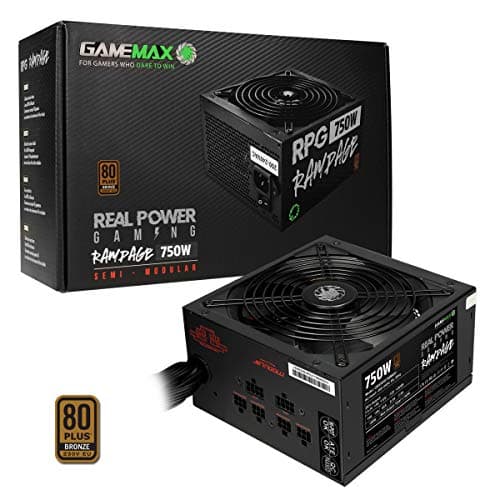
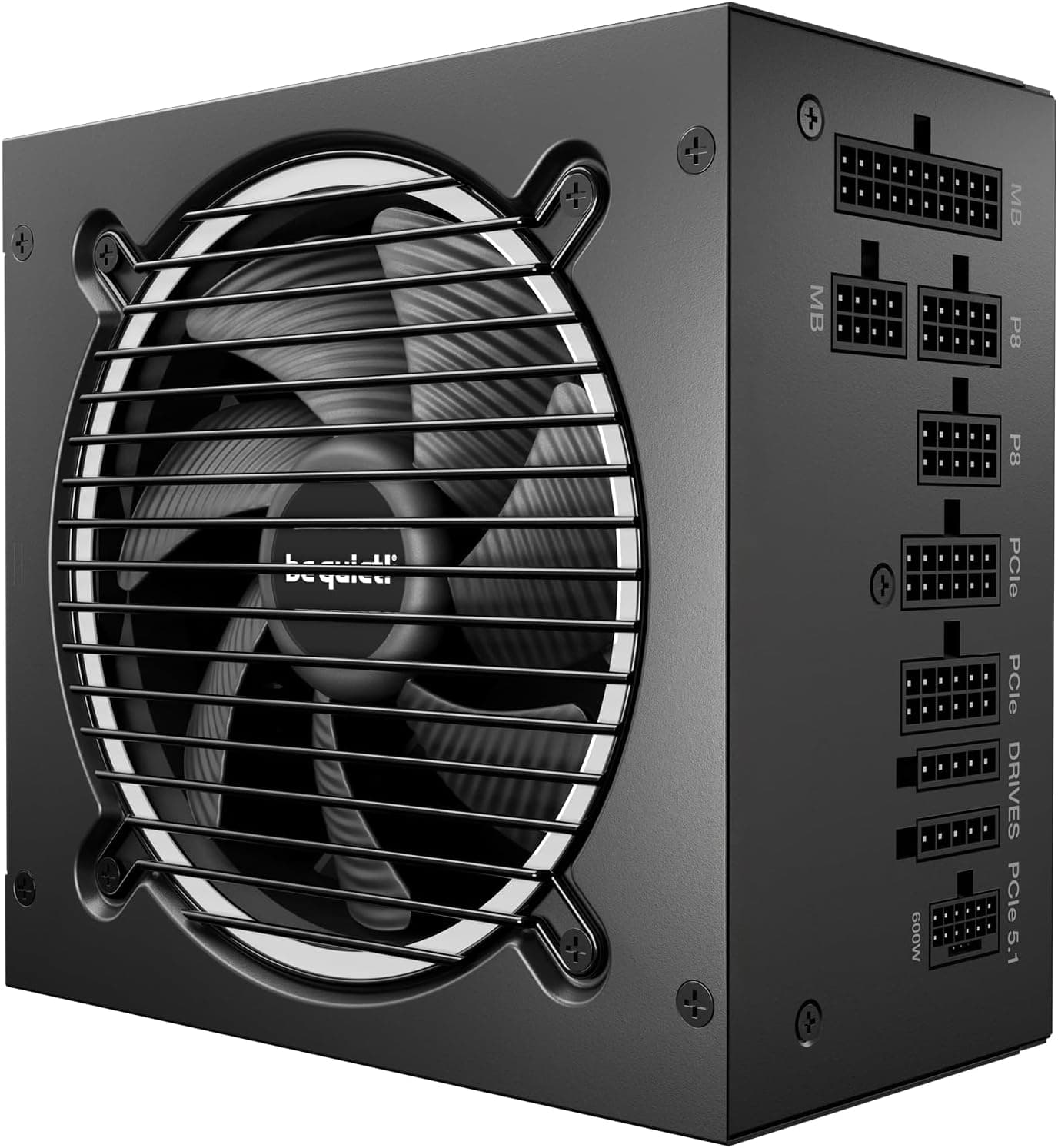
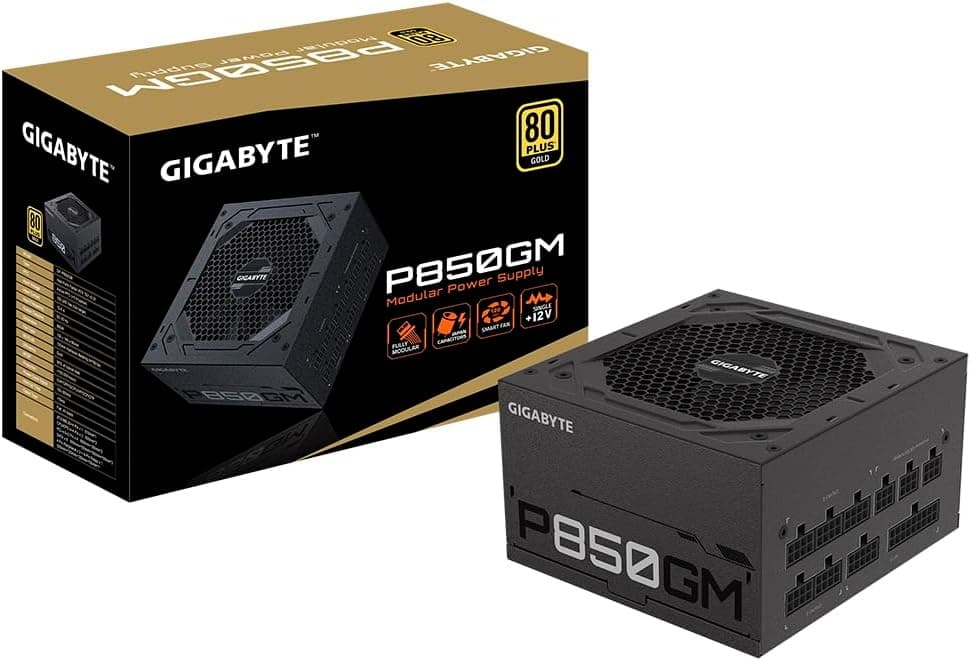
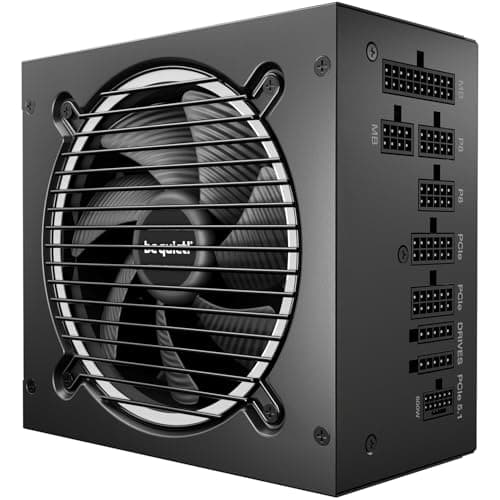
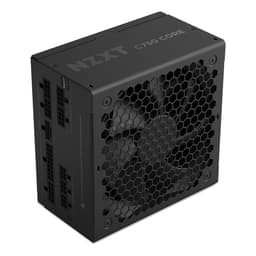
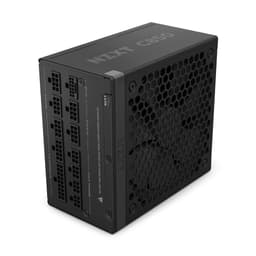
Who should skip it? Honestly, most people. If your build tops out at a mid-range GPU and a modern CPU, a quality 850W Gold unit like the MSI MAG A850GL PCIE5 PSU from Seasonic, Corsair, or be quiet! will serve you just as well at a lower price. The Seasonic Focus GX-850 or the MSI MAG A750BN PCIE 5.0 PSU, for instance, covers the vast majority of gaming builds, and if you want to drop even lower there's the MSI MAG A650BNL PSU with a better warranty and strong published performance data. Spending enthusiast money on a 1200W PSU when your system draws 400W at peak is buying headroom you'll never use. Save the money for the GPU or the cooler instead.
The one genuine criticism is the five-year warranty. At the enthusiast price tier, ten years is the benchmark (Seasonic and Corsair both offer it on comparable units), and NZXT's five-year coverage feels like a slight shortfall. It's not a dealbreaker, but check it before you buy. If long-term peace of mind is your priority, Seasonic's Focus GX-1200 with its decade-long warranty is the alternative to consider seriously.
Overall, this is a solid, well-thought-out unit that earns its place in the enthusiast bracket. The ATX 3.1 compliance and native 12V-2x6 connector give it a genuine edge over older-spec competitors for future-proofing. The Japanese capacitors and 80 Plus Gold certification deliver the build quality and efficiency you'd expect at this price. And dozens of owners rating it positively is a decent real-world endorsement. Just be honest with yourself about whether your build actually needs 1200W before you commit.
What works. What doesn’t.
6 + 5What we liked6 reasons
- ATX 3.1 compliant with a native 12V-2x6 connector, removing the need for adapters on RTX 40-series and future GPUs
- 100% Japanese capacitors rated to 105 degrees Celsius, supporting long-term performance stability
- Fully modular design including the 24-pin ATX cable, making cable management straightforward in high-end builds
- Zero RPM fan mode keeps the unit completely silent during light to moderate workloads
- Full six-protection suite covering OVP, UVP, SCP, OTP, OPP, and OCP on all rails
- Positive overall rating across dozens of owner reviews with very few reports of coil whine, early failure, or instability
Where it falls5 reasons
- Five-year warranty falls short of the ten-year coverage offered by Seasonic and Corsair on comparable units
- 1200W capacity is overkill for the majority of single-GPU gaming builds, meaning many buyers pay for headroom they will never use
- No iCUE or NZXT CAM software integration for users already invested in those ecosystems
- Second EPS 8-pin CPU cable may need to be sourced separately for certain high-end Threadripper or X299 motherboards
- Cable lengths may prove insufficient in large full-tower or extended ATX cases without sourcing third-party alternatives
Full specifications
9 attributes| Efficiency rating | Bronze |
|---|---|
| Form factor | ATX |
| ATX version | ATX 3.1 |
| FAN size MM | 120 |
| Generation | C Series Bronze |
| Modularity | non_modular |
| Pcie 5 ready | true |
| Warranty years | 5 |
| Wattage W | 750 |
Will it run on what you have?
Free toolIf this isn’t right for you
2 options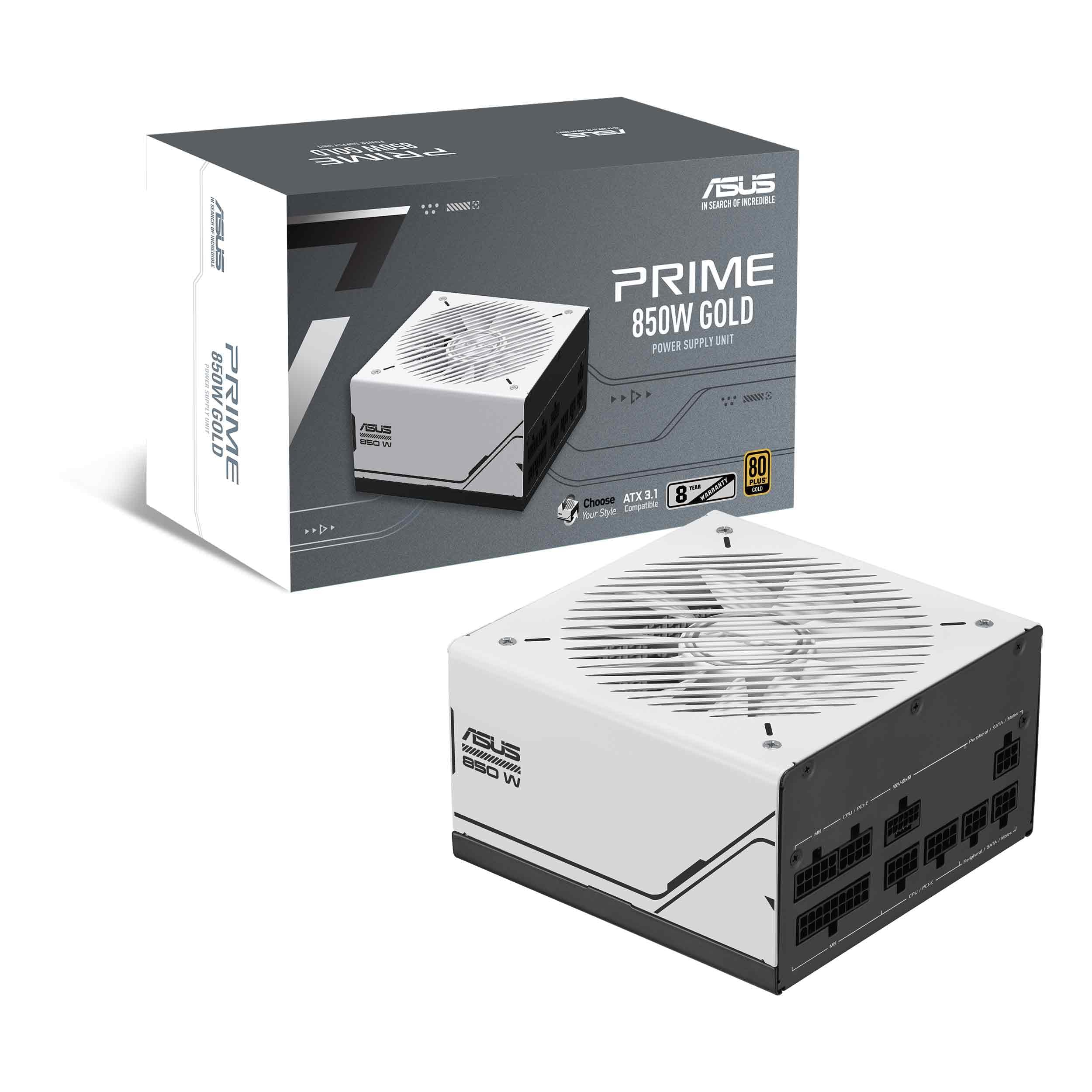
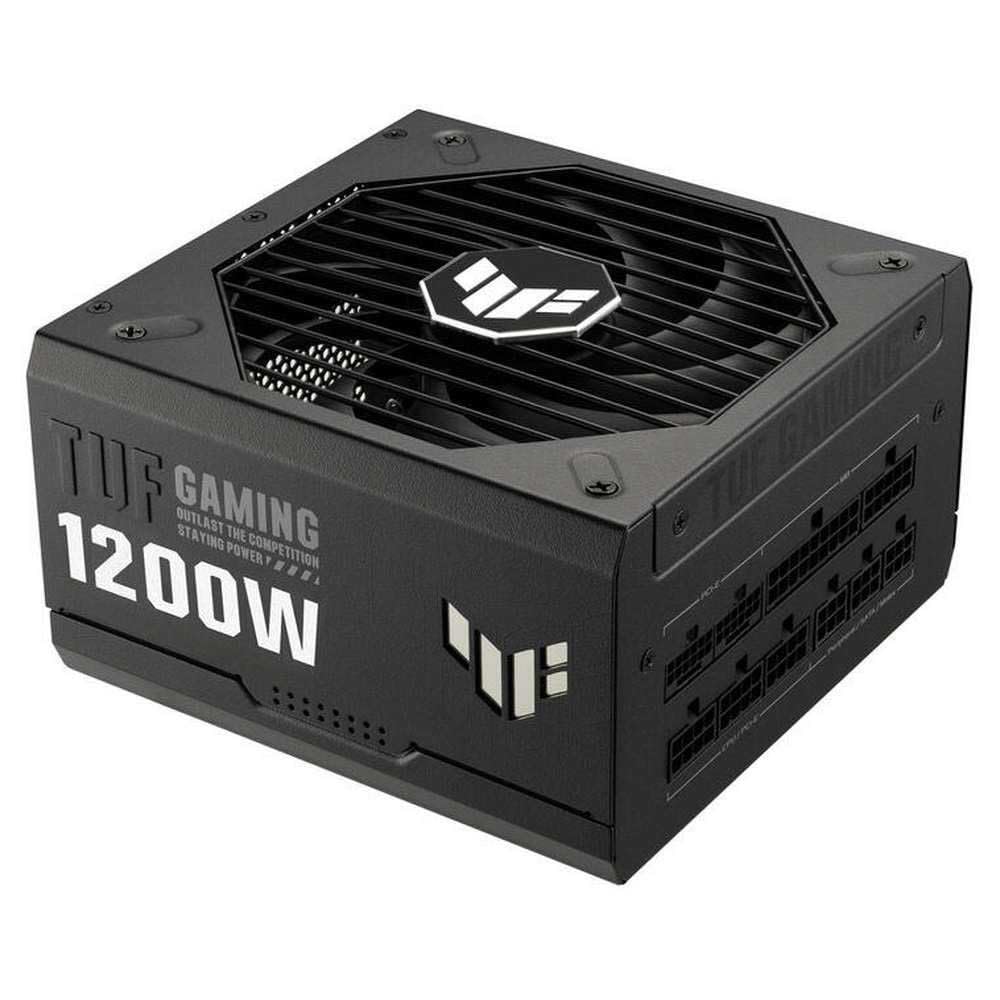
Frequently asked
7 questions01Is 1200W overkill for an RTX 4090 build?+
For a standard single-GPU system with an RTX 4090 and a high-end CPU such as the i9-14900K or Ryzen 9 7950X, 1200W exceeds what you strictly need. A quality 850W or 1000W Gold-rated unit handles that combination comfortably with sensible headroom. The 1200W capacity becomes more justified if you are planning to upgrade to a next-generation GPU with higher power demands, running extreme overclocks, or building a dual-GPU workstation configuration.
02What does ATX 3.1 compliance actually mean for day-to-day use?+
ATX 3.1 tightens the specification around transient load response, which is how quickly the PSU reacts to sudden, brief spikes in power draw from a modern GPU. These spikes can reach hundreds of watts in microseconds during certain workloads. A compliant unit handles those spikes without momentary voltage rail collapse, reducing the risk of GPU crashes or corrupted frames. ATX 3.1 also standardises the native 12V-2x6 connector, which improves on the earlier 12VHPWR design.
03Is the 12V-2x6 connector backward compatible with GPUs that use 12VHPWR?+
Yes. The 12V-2x6 connector is the updated version of 12VHPWR and is backward compatible with GPUs designed for the earlier standard. The 12V-2x6 specification adds sensing pins to detect improper seating and tightens manufacturing tolerances to reduce overheating risk. If your GPU ships with a 12VHPWR connection, using a native 12V-2x6 cable from an ATX 3.1 PSU is the preferred approach rather than relying on adapter cables.
04Does the zero RPM fan mode stay active during gaming sessions?+
Zero RPM mode keeps the fan completely off during light to moderate loads, which covers most desktop tasks, browsing, video streaming, and productivity work. During demanding gaming sessions with a high-end GPU running at capacity, the fan will engage. Owner reports indicate the transition is smooth and the noise level when the fan does spin is well-controlled. Complete silence under full gaming load is not achievable in any 1200W PSU without risking thermal damage.
05How does the five-year warranty compare to competing units at this price tier?+
It is on the shorter side. Seasonic and Corsair both offer ten-year warranties on comparable 1200W Gold-rated units such as the Focus GX-1200 and the RM1200x Shift respectively. Five years remains respectable and covers the period during which early-life component failures are most likely to occur, but if long-term warranty coverage is a priority, the Seasonic Focus GX-1200 is worth comparing directly. The NZXT unit's ATX 3.1 compliance and native 12V-2x6 connector may offset this shortfall depending on your build requirements.
06Why do Japanese capacitors matter in a power supply?+
Japanese capacitor manufacturers such as Nippon Chemi-Con and Rubycon have a decades-long track record for consistent quality and longevity compared with budget alternatives. In a PSU, capacitors directly affect voltage regulation, ripple suppression, and transient response. Units that cut costs by mixing in cheaper capacitors on secondary rails tend to show degraded performance after two or three years of heavy use. The NZXT C1200 Gold specifies 100% Japanese capacitors rated to 105 degrees Celsius, which supports sustained performance over the ownership period rather than drifting out of specification as the unit ages.
07What protection features does the NZXT C1200 Gold include?+
The unit includes a full six-protection suite: over-voltage protection (OVP), under-voltage protection (UVP), short circuit protection (SCP), over-temperature protection (OTP), over-power protection (OPP), and over-current protection (OCP). Together these protect both the PSU and connected components including the motherboard, GPU, and storage drives from voltage anomalies, thermal events, sustained overload, and short circuits. Some cheaper units omit UVP or OTP to reduce cost, so having the complete set is a meaningful quality indicator at this price tier.