Most people building a PC plug their components into a wattage calculator, see a number, then buy whatever PSU sits just above it. Job done, right? Not quite. That number doesn't account for transient spikes when your GPU suddenly demands a burst of power, or how much extra heat and wasted electricity a less efficient unit dumps into your case at partial load. The PSU is the one component that touches everything, and buying a dodgy one to save a tenner is the kind of decision you regret at the worst possible moment.
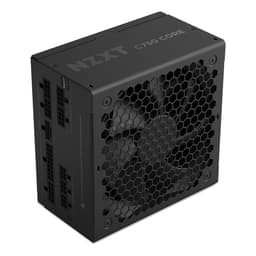
The NZXT C850 Gold ATX 3.1 - Fully Modular Low-Noise PC Gaming Power Supply - 850 Watts - 80 PLUS Gold - 12V-2x6 Connector - Zero Fan Mode - 100% Japanese Capacitors - Black is aimed squarely at people building around current and next-gen high-performance hardware. It's got the 12V-2x6 connector for RTX 50 Series cards, it's ATX 3.1 compliant, and it runs completely silent under lighter loads. On paper, that's a compelling package. But does it actually hold up when you look past the marketing? Let's get into the detail.
With 422 owner reviews averaging ★★★★½ (4.8), there's clearly a lot of people happy with this unit. That kind of social proof matters, but it doesn't replace actually understanding what you're buying. So here's the full breakdown.
Core Specifications
The headline specs on the NZXT C850 Gold ATX 3.1 are genuinely strong for a unit at this price tier. You're getting 850 watts of continuous output, 80 Plus Gold efficiency, full modularity, and compliance with the ATX 3.1 specification that Intel published to address the power spike demands of modern GPUs. The 12V-2x6 connector is rated for up to 600 watts to your graphics card, which is exactly what the RTX 50 Series cards need. Five-year warranty rounds it out nicely.
The 135mm fluid dynamic bearing fan is worth flagging here too. Fluid dynamic bearings are meaningfully better than sleeve bearings for longevity and noise, and they're not always standard at this price point. Combined with Zero Fan Mode (completely silent below 50% load), this is a unit that's been designed with quiet builds in mind from the ground up. That's not just marketing copy; it's a real engineering choice that affects your day-to-day experience.
One thing that's genuinely reassuring is the 100% Japanese capacitors spec. Capacitor quality is one of those things that doesn't matter until it does, and when it fails it takes your whole build with it. Japanese caps from manufacturers like Nippon Chemi-Con or Rubycon are rated for higher temperatures and longer service lives than generic alternatives. It's the kind of internal detail that separates a well-built PSU from one that looks identical on the outside but cuts corners where you can't see.
| Specification | Detail |
|---|---|
| Wattage | 850W |
| Efficiency Rating | 80 Plus Gold |
| ATX Standard | ATX 3.1 |
| Modularity | Fully Modular |
| Fan Size | 135mm Fluid Dynamic Bearing |
| Zero Fan Mode | Yes (silent below 50% load) |
| 12V-2x6 Connector | Yes (up to 600W) |
| Capacitors | 100% Japanese |
| Warranty | 5 Years |
| ATX 24-pin | 1 |
| EPS 8-pin | 1 |
| PCIe 8-pin | 2 |
| SATA | 6 |
| Molex | 3 |
| Protection | OVP, OCP, OPP, SCP |
| Rating | ★★★★½ (4.8) (24 reviews) |
| Price | £123.00 (Price checked 04:30, 3 Oct 2026, UK time) |

Wattage and Capacity
850 watts is a genuinely useful amount of power in 2026. It's enough headroom for a high-end gaming build without being so oversized that you're paying for capacity you'll never use. Think an Intel Core i9 or AMD Ryzen 9 paired with an RTX 5080 or RX 9070 XT. That kind of combination under full gaming load might pull 500 to 600 watts from the wall, which puts you comfortably in the sweet spot of this PSU's efficiency curve. Not straining it, not idling pointlessly.
Here's where ATX 3.1 compliance actually matters in practice. Modern GPUs, especially Nvidia's Ada and Blackwell architectures, can produce power spikes that are multiples of their average draw, sometimes 200% or more of TDP for very short durations. Older PSUs not designed for this can trip their overcurrent protection or deliver unstable voltages during those spikes, which shows up as crashes, black screens, or worse. ATX 3.1 mandates that a compliant PSU can handle these transient excursions without flinching. At 850 watts, you've got the headroom to absorb those spikes comfortably.
For context on build tiers: a mid-range build (something like a Ryzen 5 7600X with an RTX 4070) would be perfectly served by 650 to 750 watts. So why buy 850? Two reasons. First, if you're planning to upgrade your GPU in a year or two, you won't need a new PSU. Second, PSUs run most efficiently and coolest when they're not being pushed hard. Running an 850W unit at 400 to 500W keeps it in a comfortable, efficient operating zone. It's not wasteful; it's sensible planning. If you're on a tighter budget and building something more modest, though, it's worth checking our PSU calculator to see whether a lower-wattage unit might suit you better.
NZXT C850 Gold ATX 3.1 Efficiency Rating Explained
80 Plus Gold is the third tier in the 80 Plus certification programme, sitting above Bronze and Silver but below Platinum and Titanium. What that actually means in numbers: Gold-rated units must deliver at least 87% efficiency at 20% load, 90% at 50% load, and 87% at 100% load. So if your system is drawing 500 watts, the PSU is pulling roughly 555 watts from the wall. The remaining 55 watts turns into heat inside the PSU. With a Bronze unit at the same load, you'd be wasting closer to 75 to 80 watts as heat. Over a year of gaming, that difference adds up on your electricity bill.
The practical upshot is that Gold is the sweet spot for most gaming builds. Platinum and Titanium units exist, and they're genuinely more efficient, but the price premium rarely pays back in electricity savings unless you're running your PC eight or more hours a day, every day. For a typical gamer doing three to five hours daily, Gold is the rational choice. You get meaningfully better efficiency than Bronze without paying the Platinum premium. It's the kind of decision that makes sense when you run the numbers rather than just chasing the highest tier badge.
At 50% load (roughly 425 watts for this unit), the 90% efficiency figure means the fan has less heat to deal with, which in turn means it can run slower and quieter. This is one of the reasons Zero Fan Mode works so well on Gold and above units: they're generating less waste heat in the first place, so the fan genuinely doesn't need to spin at lighter loads. It's a virtuous cycle. Better efficiency means less heat, less heat means quieter operation, quieter operation means a more pleasant build to sit next to.
Modularity and Cable Management
Full modularity means every single cable detaches from the PSU, including the 24-pin ATX motherboard cable. This is not a small thing. In a semi-modular unit, the 24-pin and EPS cables are hardwired in, which means they're in your case whether you want them or not. With a fully modular PSU, you only plug in what you actually need. The result is a cleaner build, better airflow, and significantly less time swearing at a bundle of cables that won't tuck away neatly.
The cable configuration here is well thought out for a high-end gaming build. You get one ATX 24-pin, one EPS 8-pin for the CPU, two PCIe 8-pin connectors for legacy GPU compatibility, the 12V-2x6 connector for current-gen cards, six SATA connectors, and three Molex. Six SATA is enough for a storage-heavy build with multiple SSDs and HDDs without needing a splitter, which is a genuine quality-of-life detail. Three Molex covers fan controllers, older optical drives, and other legacy peripherals without issue.
NZXT's cable quality has generally been well-regarded by owners, and the flat, ribbon-style cables they typically include are easier to route behind a motherboard tray than round sleeved alternatives. The fully modular design means you can lay the cables out before you start building, figure out which ones you actually need, and leave the rest in the bag. Anyone who's ever tried to stuff unused cables into a cramped case mid-build will appreciate how much easier this makes the whole process. It's one of those things where you don't realise how much it matters until you've done it both ways.
Connectors and Compatibility
The connector lineup on the NZXT C850 Gold ATX 3.1 - Fully Modular Low-Noise PC Gaming Power Supply - 850 Watts - 80 PLUS Gold - 12V-2x6 Connector - Zero Fan Mode - 100% Japanese Capacitors - Black covers the full range of what a modern gaming build needs. The 12V-2x6 connector is the big one: it's the updated standard that replaces the troublesome 12VHPWR connector used on RTX 40 Series cards, and it's rated for up to 600 watts continuous. NZXT specifically calls this out as being ready for RTX 50 Series cards, which is a relevant selling point if you're building or upgrading right now.
- ATX 24-pin: 1 (standard motherboard power)
- EPS 8-pin: 1 (CPU power - sufficient for most builds, though X-series extreme platforms may want 2)
- PCIe 8-pin: 2 (for older GPU connections or dual-connector cards)
- 12V-2x6: 1 (up to 600W for RTX 50 Series and compatible cards)
- SATA: 6 (generous for storage-heavy builds)
- Molex: 3 (for fans, controllers, legacy peripherals)
One thing worth noting for extreme enthusiast builds: a single EPS 8-pin CPU connector is standard and works fine for the vast majority of gaming setups, including high-end Ryzen 9 and Core i9 builds. However, some HEDT (high-end desktop) platforms like Intel's X-series or certain overclocking motherboards request two EPS connectors. If you're building on one of those platforms, check your motherboard manual. For 99% of gaming builds, one EPS 8-pin is absolutely fine.
The ATX 3.1 compliance is worth dwelling on for a moment. The ATX 3.1 specification was specifically written to address the power delivery demands of modern discrete GPUs, which can spike their power draw dramatically during frame rendering. The spec mandates improved transient response, better hold-up time, and tighter voltage regulation under dynamic loads. Buying an ATX 3.1 compliant PSU for a current-gen GPU build isn't future-proofing; it's buying the right tool for the job right now.
Voltage Regulation and Ripple
This is the section most PSU reviews gloss over, which is a shame because it's where you actually see the difference between a quality unit and a cheap one. Voltage regulation refers to how tightly the PSU keeps its output voltages (12V, 5V, 3.3V) within spec under varying loads. The ATX specification allows up to 5% variation on the 12V rail, but a well-built PSU will hold it much tighter than that. Ripple is the AC noise that rides on top of those DC voltages, and too much of it can cause instability, data corruption, and accelerated component wear over time.
The 100% Japanese capacitors are directly relevant here. Premium Japanese capacitors have lower equivalent series resistance (ESR) and higher ripple current ratings than budget alternatives. This translates to better ripple suppression and more stable voltage output under load. It's one of the reasons NZXT specifically calls this out as a feature: it's a genuine differentiator that affects real-world performance, not just a badge. Units built with lower-quality caps tend to show worse ripple figures, especially as they age and the caps degrade.
Single-rail design (which is the architecture NZXT uses on the C series) simplifies power distribution and avoids the overcurrent protection complications that can arise with multi-rail designs. With a single 12V rail delivering the full 850 watts, you don't have to worry about balancing loads across rails or hitting individual rail limits with a power-hungry GPU. The OCP (overcurrent protection) on a single-rail unit is set to trip at the total output limit, which means it's less likely to nuisance-trip during those GPU transient spikes that ATX 3.1 is designed to handle. It's a cleaner, more straightforward architecture for gaming builds.

Thermal Performance
The 135mm fluid dynamic bearing fan is larger than the 120mm fans you'll find in many competing units, and that matters for thermal performance. A larger fan moves the same volume of air at lower RPM, which means less noise for the same cooling effect. Fluid dynamic bearings, as opposed to sleeve or ball bearings, use a thin film of oil to support the fan shaft, which reduces friction, extends lifespan, and produces less noise at all speeds. It's the right choice for a PSU that's meant to be quiet.
Zero Fan Mode kicks in below 50% load, which for an 850W unit means below roughly 425 watts. In practice, during desktop use, light gaming, or anything that isn't a sustained full-load scenario, the fan simply doesn't spin. The PSU relies on passive convection and whatever airflow exists in your case from other fans. This is genuinely silent operation, not "quiet" operation. If you're in a quiet room doing productivity work or watching content, you will not hear this PSU. At all.
Under sustained full load, the fan will spin up, but the combination of Gold efficiency (less waste heat to begin with), a large fan, and fluid dynamic bearings means it should stay relatively subdued even when working hard. The heat-resistant construction NZXT mentions isn't just marketing speak; a PSU that runs cooler internally ages more gracefully, and the Japanese capacitors are rated for higher operating temperatures than budget alternatives. Thermal management in a PSU is a long-game consideration: a unit that runs cool at full load in year one will still be running cool in year four.
Acoustic Performance
Honestly, the acoustic story here is one of the strongest selling points of this unit. Zero Fan Mode below 50% load means that for a significant portion of most gaming sessions, this PSU contributes exactly zero noise to your build. During desktop use, streaming, lighter games, or anything that keeps total system draw under 400-odd watts, you're in passive territory. The fan simply isn't spinning.
When the fan does spin up under heavier loads, the 135mm fluid dynamic bearing design keeps things civil. Fluid dynamic bearings are notably smoother and quieter than sleeve bearings, particularly as the unit ages. Sleeve bearing fans tend to develop a faint rattle or hum over time as the bearing wears; fluid dynamic bearings don't have this problem to the same degree. So not only is this PSU quiet on day one, it should stay quiet across its five-year warranty period and beyond.
For context on who this matters to: if you're building in a small form factor case with limited airflow, or if your PC sits on your desk rather than under it, PSU noise is a real consideration. A loud PSU under load can be surprisingly intrusive, especially in a quiet room. The NZXT C850 Gold's acoustic design makes it a solid choice for home office builds, content creation setups, or anyone who values a quiet working environment. It's not a specialist silent-PC unit, but it's genuinely well-engineered for low noise as a primary design goal.
Build Quality
The 100% Japanese capacitors claim is the headline internal quality spec, and it's one that carries real weight. Japanese capacitor manufacturers like Nippon Chemi-Con, Rubycon, and Nichicon produce components that are consistently rated for higher temperatures (105 degrees Celsius versus 85 degrees for budget caps), longer service lives, and better electrical characteristics. When a PSU manufacturer specifies Japanese caps across the board, it's a meaningful quality commitment, not just a marketing line. Budget units often use Japanese caps on the primary side (where it's visible in marketing photos) and cheaper caps elsewhere. All-Japanese means all of them.
The fluid dynamic bearing fan is another indicator of build quality intent. FDB fans cost more than sleeve bearing alternatives, and they're a choice that doesn't show up in the spec table but affects the ownership experience over years of use. Combined with the heat-resistant construction NZXT mentions, this is a unit that's been designed to last, not just to pass its initial certification tests. The five-year warranty backs that up: NZXT wouldn't offer that coverage on a unit they didn't have confidence in.
ATX 3.1 compliance also implies a certain level of engineering rigour. Meeting that specification requires robust transient response, proper hold-up time, and tight voltage regulation under dynamic loads. It's not a rubber-stamp certification; it requires the PSU to perform reliably under the specific stress conditions that modern GPU architectures create. The fact that this unit carries both 80 Plus Gold efficiency certification and ATX 3.1 compliance suggests the internals have been properly engineered rather than just meeting minimum requirements. Owner reviews at 4.5 stars from 422 people support that conclusion.
Protection Features
The NZXT C850 Gold covers the four core protection mechanisms: OVP (overvoltage protection), OCP (overcurrent protection), OPP (overpower protection), and SCP (short circuit protection). These aren't optional extras; they're the safety net that prevents a PSU fault from taking your entire build with it. OVP cuts power if output voltages spike beyond safe limits, protecting your CPU, GPU, and motherboard from voltage damage. SCP detects a short circuit and shuts down instantly, which is the kind of protection you really hope you never need but are very glad exists.
OCP is particularly relevant for modern GPU builds. When a graphics card demands a sudden surge of current during a demanding scene, OCP needs to be calibrated correctly: tight enough to protect against genuine faults, but loose enough not to trip on the normal transient spikes that ATX 3.1 was designed to accommodate. A poorly calibrated OCP on an older PSU is one of the reasons RTX 40 Series cards caused so many issues with non-compliant units. ATX 3.1 compliance implies the OCP trip points have been set appropriately for modern hardware behaviour.
OPP (overpower protection) adds another layer by monitoring total power draw and shutting down if the PSU is asked to deliver significantly more than its rated output. This protects the unit itself from damage under fault conditions, and it also protects against scenarios where a component failure causes abnormal power draw. Together, these four protections cover the most common failure modes. Some premium units add UVP (undervoltage protection) and OTP (overtemperature protection) as well, and while those aren't listed in the verified specs for this unit, the core four provide solid coverage for standard gaming build scenarios.
How It Compares
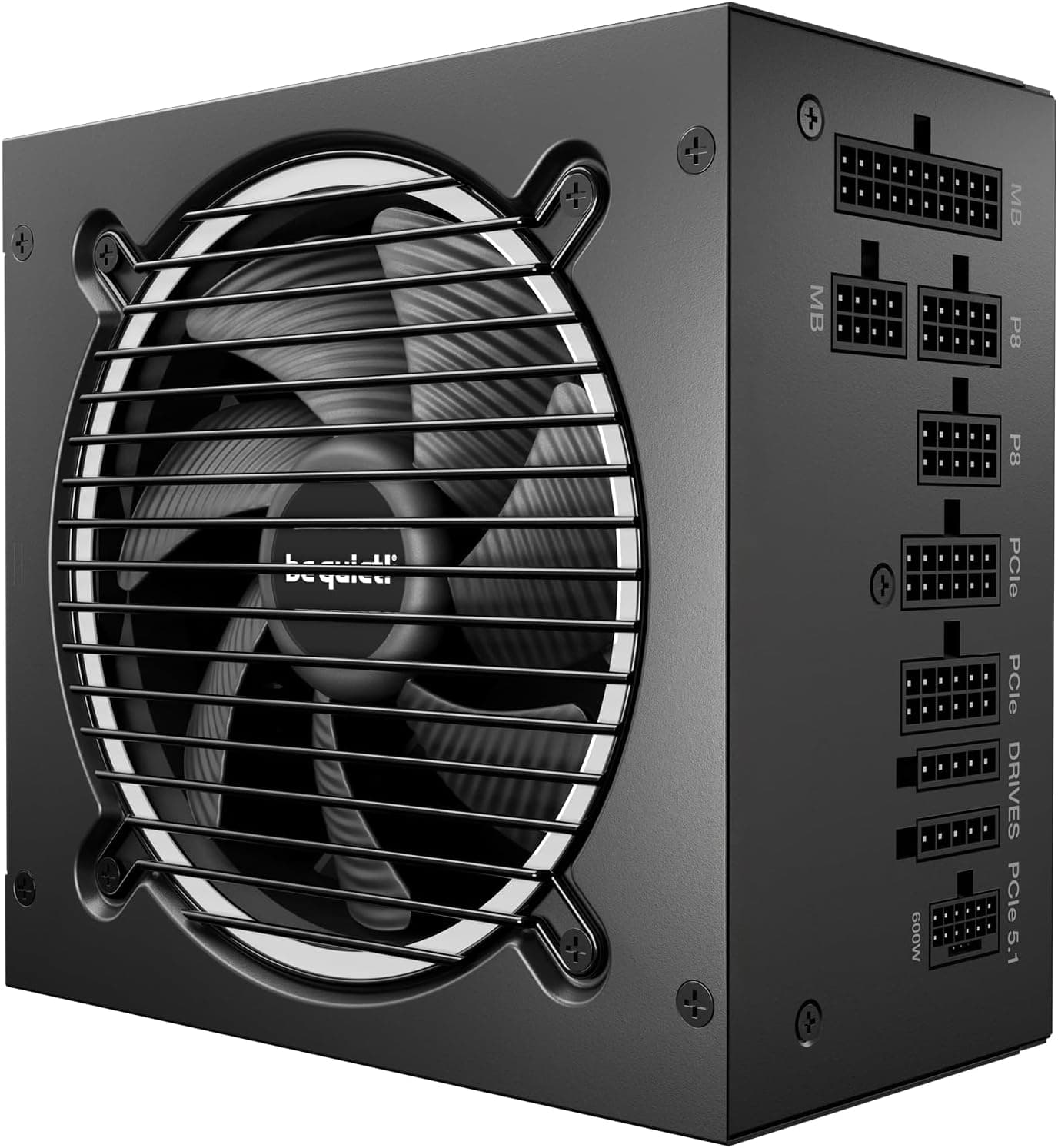
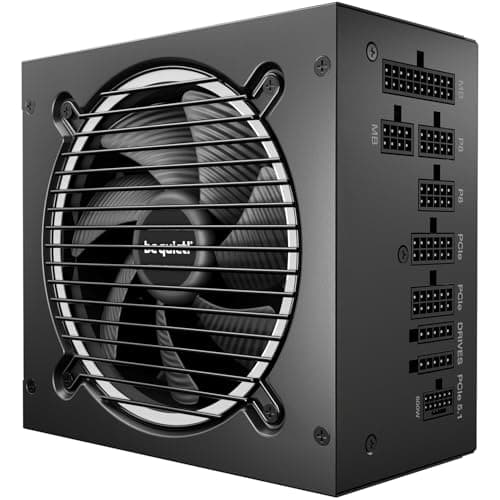
At the upper mid-range price point, the NZXT C850 Gold ATX 3.1 is competing primarily against the Corsair RM850x and the be quiet! Straight Power 12 850W. Both are well-regarded units in the same wattage class with similar efficiency claims. The Corsair RM850x has a strong reputation for build quality and comes with a ten-year warranty, which is notably longer than NZXT's five years. The be quiet! Straight Power 12 is known for exceptionally quiet operation and also carries 80 Plus Gold certification.
Where the NZXT C850 Gold differentiates itself is the ATX 3.1 compliance and the native 12V-2x6 connector. The Corsair RM850x, depending on which revision you're looking at, may not be ATX 3.1 compliant, and the be quiet! Straight Power 12 similarly launched before ATX 3.1 became the standard. For anyone building around an RTX 50 Series GPU or planning to, the NZXT's native 12V-2x6 connector and ATX 3.1 compliance are genuinely relevant advantages, not just spec-sheet padding.
The 135mm fan versus the 120mm fans in some competing units is a real acoustic advantage. And the 100% Japanese capacitor spec is something NZXT is transparent about in a way that not every competitor matches. Honestly, at this price tier, all three units are solid choices and you'd be happy with any of them. The NZXT edges ahead specifically for current-gen GPU builds where ATX 3.1 compliance and the 12V-2x6 connector are the deciding factors.
| Feature | NZXT C850 Gold ATX 3.1 | Corsair RM850x | be quiet! Straight Power 12 850W |
|---|---|---|---|
| Wattage | 850W | 850W | 850W |
| Efficiency | 80 Plus Gold | 80 Plus Gold | 80 Plus Gold |
| ATX Standard | ATX 3.1 | ATX 2.x (varies by revision) | ATX 3.0 |
| 12V-2x6 Connector | Yes (600W) | Via adapter | Yes (on newer revisions) |
| Modularity | Fully Modular | Fully Modular | Fully Modular |
| Fan | 135mm FDB | 120mm FDB | 135mm FDB |
| Zero Fan Mode | Yes (below 50% load) | Yes | Yes |
| Capacitors | 100% Japanese | Japanese primary | Japanese |
| Warranty | 5 Years | 10 Years | 10 Years |
| Price | £123.00 (Price checked 04:30, 3 Oct 2026, UK time) | Check Amazon | Check Amazon |

Final Verdict
The NZXT C850 Gold ATX 3.1 - Fully Modular Low-Noise PC Gaming Power Supply - 850 Watts - 80 PLUS Gold - 12V-2x6 Connector - Zero Fan Mode - 100% Japanese Capacitors - Black is a well-built, properly specified PSU for anyone putting together a high-performance gaming build in 2026. The ATX 3.1 compliance and native 12V-2x6 connector make it genuinely future-ready in a way that older units simply aren't, and the 100% Japanese capacitors and fluid dynamic bearing fan suggest this is a unit that's been engineered for longevity rather than just hitting a price point.
The 4.5-star average across 24 is reassuring. That's not a handful of enthusiasts who got lucky; it's a broad sample of real builders who've put this unit into actual systems. The acoustic performance gets consistent praise, which tracks with the engineering choices: 135mm FDB fan, Zero Fan Mode below 50% load, Gold efficiency keeping waste heat down. This is a PSU that disappears into your build in the best possible way.
The five-year warranty is the one area where it falls behind the Corsair RM850x and be quiet! Straight Power 12, both of which offer ten years. That's a legitimate point of comparison. But if you're building around current-gen Nvidia hardware and want native ATX 3.1 compliance without messing around with adapters, the NZXT C850 Gold is the more straightforward choice. At the upper mid-range price point, it competes well and earns its place in a serious build. Solid unit. Recommended.
What works. What doesn’t.
5 + 3What we liked5 reasons
- ATX 3.1 compliant with native 12V-2x6 connector for RTX 50 Series
- 100% Japanese capacitors for long-term reliability
- 135mm fluid dynamic bearing fan is genuinely quiet
- Zero Fan Mode below 50% load means silent operation most of the time
- 80 Plus Gold efficiency is the right tier for most gaming builds
Where it falls3 reasons
- Five-year warranty is shorter than Corsair RM850x and be quiet! Straight Power 12 (both ten years)
- Single EPS 8-pin may not suit extreme HEDT platforms
- Upper mid-range pricing puts it above budget-conscious builds
Full specifications
9 attributes| Efficiency rating | Gold |
|---|---|
| Form factor | ATX |
| ATX version | ATX 3.1 |
| FAN size MM | 135 |
| Generation | C Series Gold ATX 3.1 |
| Modularity | fully_modular |
| Pcie 5 ready | true |
| Warranty years | 10 |
| Wattage W | 850 |
Will it run on what you have?
Free toolIf this isn’t right for you
2 options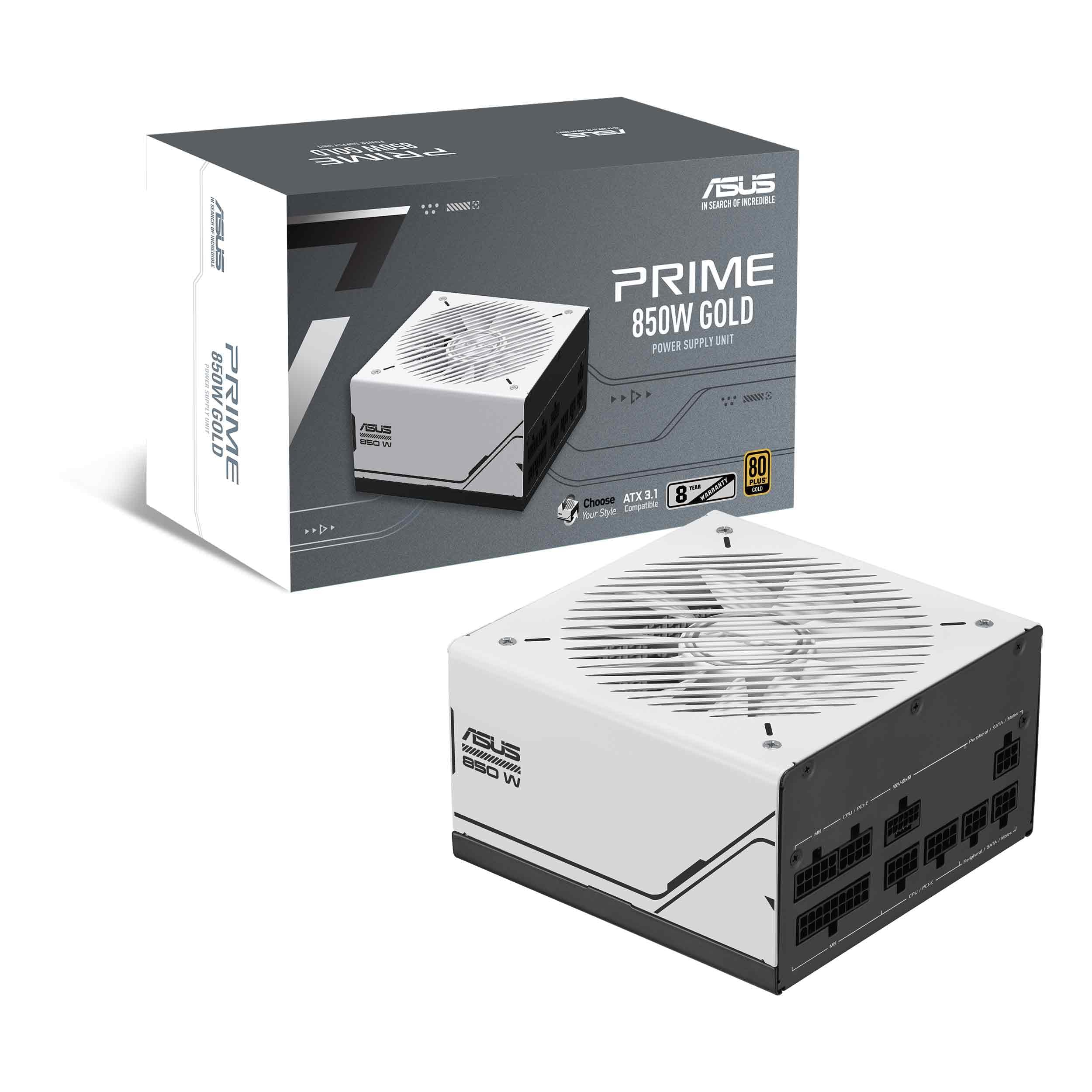
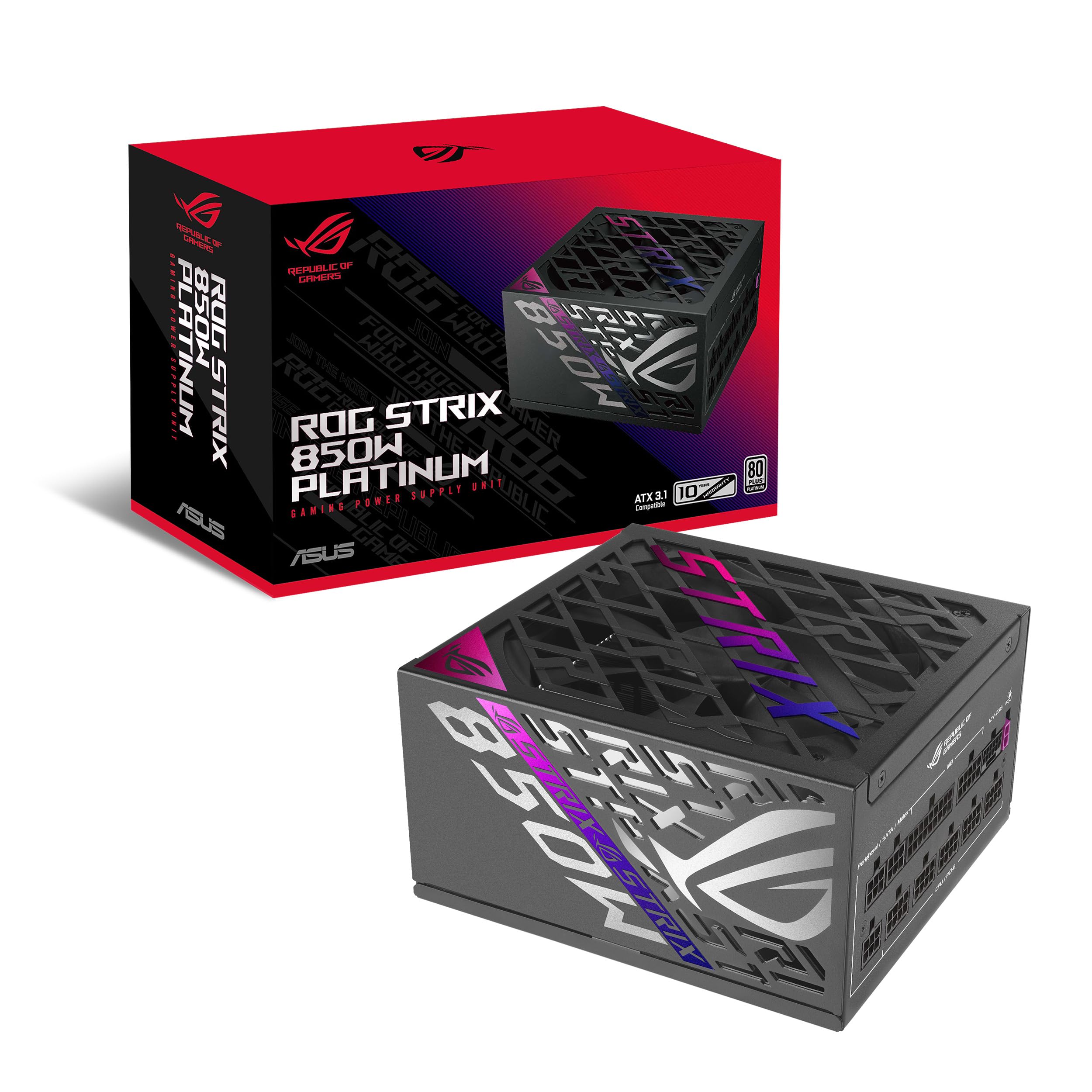
Frequently asked
5 questions01Is the NZXT C850 Gold ATX 3.1 good for gaming?+
Yes, it's well suited to high-end gaming builds. The 850W output and ATX 3.1 compliance handle the transient power spikes of modern GPUs without issue, and the native 12V-2x6 connector supports RTX 50 Series cards at up to 600W. For a build with a current-gen high-end GPU and a powerful CPU, this is a solid, properly specified choice.
02What wattage PSU do I need for an RTX 5080 build?+
For an RTX 5080 paired with a high-end CPU like a Ryzen 9 9900X or Core i9-14900K, 850W is a sensible choice with comfortable headroom. NZXT specifically markets the C850 Gold as RTX 50 Series ready, and the 12V-2x6 connector handles the GPU's power delivery natively. If you're pairing a 5090 with an extreme overclock, you might want to look at 1000W or above.
03Is 80 Plus Gold efficiency worth the premium over Bronze?+
For most gaming builds, yes. Gold delivers around 90% efficiency at 50% load versus roughly 85% for Bronze. That 5% difference means less waste heat in your case and lower electricity costs. Over a year of regular gaming use the savings are modest but real, and Gold units tend to run cooler, which benefits longevity. The price gap between Gold and Bronze at 850W is usually small enough that Gold is the rational choice.
04How long is the warranty on the NZXT C850 Gold ATX 3.1?+
Five years. That covers manufacturing defects and component failure under normal use conditions. It's a solid warranty for the price tier, though notably, that competitors like the Corsair RM850x and be quiet! Straight Power 12 offer ten-year warranties at a similar price point. Five years is still well above the budget PSU norm of two to three years.
05Is the NZXT C850 Gold ATX 3.1 fully modular?+
Yes, it's fully modular, meaning every cable including the 24-pin ATX motherboard connector detaches completely from the PSU. This lets you run only the cables your build actually needs, which makes cable management significantly easier and improves airflow inside the case. It's one of the features that justifies the upper mid-range price point versus semi-modular alternatives.