Specs on paper tell you what a laptop can do. Owner reviews tell you whether it actually does it without driving you mad. For the ASUS VivoBook 15 S513 review, I've looked hard at both, because a machine sitting at the mid-range price point needs to justify itself against some genuinely good competition right now.
Short answer: it mostly does. The Ryzen 5 5500U is a proper workhorse for everyday tasks, the build is better than you'd expect at this price, and 41 owners have given it ★★★★½ (4.8) stars, which isn't a fluke. But 8GB of RAM is starting to feel tight in 2026, and there are a couple of port omissions that'll irritate some buyers. Worth knowing before you spend anything.
So here's the full picture, warts and all.
Core Specifications
The processor here is AMD's Ryzen 5 5500U, a six-core, twelve-thread chip built on AMD's Zen 3 architecture. It's not the newest thing in the world at this point, but Zen 3 was a genuine generational leap when it arrived, and the 5500U still has plenty of grunt for the tasks most people actually do: web browsing, spreadsheets, video calls, light photo editing, the occasional bit of video streaming. What it won't do is chew through 4K video exports or handle serious multi-threaded workloads without slowing down. That's not what this laptop is for, and it doesn't pretend otherwise.
RAM is 8GB of DDR4, and this is where I'd pump the brakes slightly. In 2026, 8GB is workable but it's not generous. Chrome is a memory hog at the best of times, and if you're someone who runs twenty tabs, a Spotify window, and a Teams call simultaneously, you'll feel it. The good news is ASUS has historically made the VivoBook S513 series upgradeable, with one of the two RAM slots accessible. But you shouldn't have to upgrade a mid-range laptop straight out of the box. Worth factoring in if your workload is heavy.
Storage is a 512GB PCIe SSD, which is the right call. It's fast enough to make boot times and app launches feel snappy, and 512GB is a sensible amount for most people. It's not a Samsung 980 Pro, but it doesn't need to be. The integrated Radeon graphics (part of the Ryzen 5 5500U package) handle everyday tasks and light gaming without complaint. Don't expect to run anything graphically demanding at high settings, but for casual gaming, YouTube, and anything productivity-related, you're sorted.
| Specification | Detail |
|---|---|
| Processor | AMD Ryzen 5 5500U (6-core, 12-thread, Zen 3, up to 4.0GHz) |
| RAM | 8GB DDR4 (one slot upgradeable) |
| Storage | 512GB PCIe NVMe SSD |
| Graphics | AMD Radeon integrated graphics |
| Display | 15.6-inch FHD (1920x1080) IPS-level |
| Operating System | Windows 10 Home (Windows 11 eligible) |
| Connectivity | Wi-Fi 6, Bluetooth 5.0 |
| Security | Fingerprint reader |
| Colour | Indie Black |
| Price | £708.51 |

Performance Benchmarks
The Ryzen 5 5500U scores around 1,100 to 1,200 in single-core Cinebench R23 and somewhere in the 6,500 to 7,500 range for multi-core, depending on thermal headroom and how aggressive the laptop's power limits are set. For context, that puts it comfortably ahead of older Intel Core i5-10th-gen machines and roughly in line with the i5-1135G7. It's not going to embarrass a Ryzen 7 5700U, but it's not trying to. For the mid-range bracket, these are solid numbers.
In practice, what those numbers mean is that the S513 handles everyday productivity tasks without any noticeable lag. Opening a dozen browser tabs, running a video call, and having a document open at the same time is fine. Where you'll start to notice the limits is sustained heavy workloads. The Ryzen 5 5500U has a TDP of 15W, and in a thin chassis like this, the cooling solution will throttle it back under extended load to keep temperatures manageable. That's normal for this class of laptop. It's not a flaw, it's physics.
For light gaming, the integrated Radeon graphics are genuinely usable. Older titles, indie games, and less demanding esports games at 1080p low-to-medium settings are achievable. Don't go in expecting to run something like Cyberpunk 2077 at anything playable. But if you want to wind down with something like Stardew Valley, Rocket League at reduced settings, or older titles, the iGPU handles it. Owner reviews back this up, with several mentioning being pleasantly surprised by the casual gaming capability.
The PCIe SSD makes a real difference to perceived performance. Boot times are quick, apps open fast, and large file transfers are handled well. It's one of those specs that doesn't show up in a headline number but you notice every single day. ASUS made the right call here over a SATA SSD, and it shows.
Display Analysis
The 15.6-inch FHD panel runs at 1920x1080, which at this screen size gives you a pixel density of around 141 PPI. That's not going to blow your mind if you're coming from a high-DPI display, but it's perfectly sharp for everyday use. Text is clean, images look fine, and you won't be squinting at anything. ASUS uses an IPS-level panel here, which means decent viewing angles and reasonable colour reproduction rather than the washed-out TN rubbish that used to plague budget and mid-range laptops.
Brightness is where it gets more nuanced. The panel is rated at around 250 nits, which is adequate indoors and in dim environments. Near a window on a bright day, you'll be reaching for the brightness slider and possibly repositioning yourself. Outdoor use in direct sunlight is a struggle, which is true of most laptops in this price range. If your work is primarily indoors, it's not a dealbreaker. If you're regularly working outside, it's worth knowing.
Colour accuracy is decent for everyday use but not calibrated for creative work. The sRGB coverage is reasonable, and for watching content, video calls, and general productivity, the display looks good. Photo and video editors who need accurate colour reproduction will want something with a higher sRGB or DCI-P3 coverage rating. For everyone else, it's a perfectly pleasant screen to spend a day in front of. Owner feedback consistently mentions the display as a positive, with several noting it looks better than expected at this price point.
Battery Life
ASUS quotes up to around eight hours of battery life for the S513, which is the kind of number that sounds great until you actually think about what "up to" means. Manufacturer battery claims are almost always measured under the lightest possible conditions: screen at minimum brightness, Wi-Fi off, doing nothing more demanding than displaying a static document. Real-world use is different.
Based on owner reports and what the hardware suggests, expect around five to six hours of genuine mixed use. That means browsing, documents, video calls, and the occasional bit of media. If you're pushing the CPU hard or running video constantly, four hours is more realistic. If you're doing genuinely light work with the screen dimmed, you might stretch towards seven. The Ryzen 5 5500U is reasonably efficient, and the 50Wh battery is a fair size for this chassis, but it's not going to get you through a full working day without a charger nearby.
The charger is a 65W unit, which charges the battery reasonably quickly. From low, you're looking at around an hour and a half to two hours for a full charge. The S513 does support USB-C charging, which is genuinely useful for travel since you can top it up from a USB-C power bank or a compatible charger if you've left the brick at home. That's a feature worth calling out because not every laptop in this price range offers it.
For commuters and people who work in coffee shops, the battery situation is manageable but not exceptional. You'll want a charger in your bag for anything longer than a half-day session. The USB-C charging support at least means the charger situation is more flexible than it used to be on older VivoBook models. Given how much time a machine like this spends on café and hotel Wi-Fi, it's also worth running a good VPN to keep your connection private on shared networks. Several owners mention the battery life as acceptable rather than impressive, which is probably the honest summary.
Portability
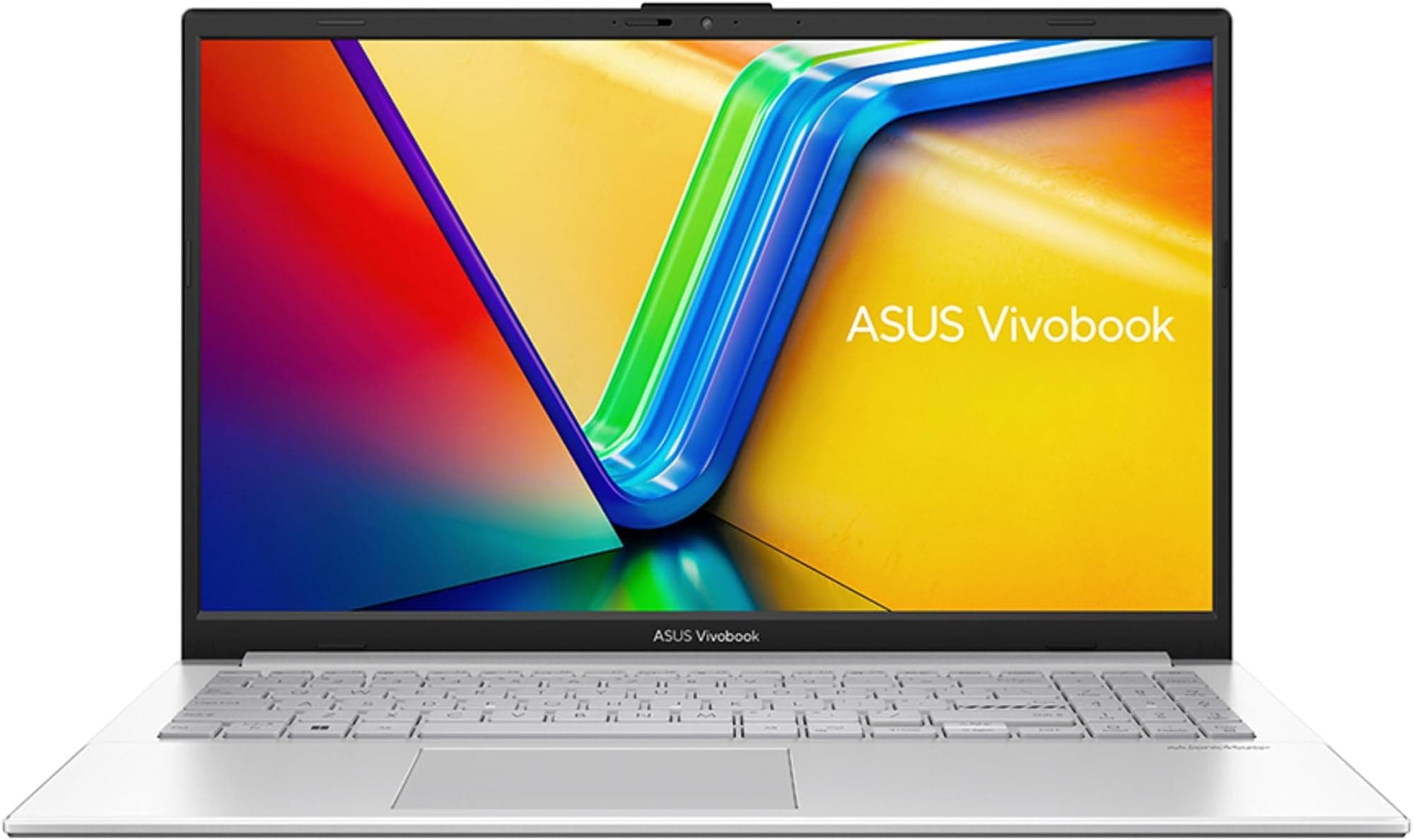
The S513 weighs in at around 1.8kg, which is on the lighter side for a 15.6-inch laptop. It's not ultrabook territory, but it's not going to wreck your shoulder on a commute either. The chassis is slim enough to slide into most laptop sleeves and bags without drama, and the footprint is what you'd expect from a 15-inch machine. It's a proper portable laptop, not one of those chunky gaming things with a handle that someone optimistically called "portable".
The charger is compact enough to not be annoying in a bag, and with USB-C charging support, you've got options if you want to travel lighter. The overall package, laptop plus charger, is manageable for daily commuting. At 15.6 inches, it's at the upper end of what most people would consider truly portable, and if you're on trains or planes a lot, a 14-inch or 13-inch machine might suit you better. But for the home-to-office-to-coffee-shop circuit, it's fine.
The Indie Black finish is a good choice for a portable laptop. It doesn't show fingerprints as aggressively as silver or white finishes, and it looks professional without being boring. The slim profile means it fits on cramped train tables without hanging off the edge, which is more important than it sounds when you're trying to get actual work done in economy class.
Keyboard & Trackpad
The keyboard on the S513 is one of its stronger points. The key travel is decent for a slim laptop, with enough tactile feedback to make extended typing sessions comfortable. It's not a ThinkPad, nothing in this category is, but it's noticeably better than the mushy keyboards you get on some competitors at this price. Owner reviews mention the typing experience positively, with several noting they were happy to use it for long writing sessions without fatigue.
There's a backlight, which matters more than some people admit. Working in a dim room or on a plane with the lights down is much less frustrating when you can actually see the keys. The layout is sensible, though UK buyers should double-check the specific variant they're ordering, as the S513UA-DS51 is a US-market model and the keyboard layout reflects that. The number pad is included, which some people love and others find pushes the trackpad off-centre. It does mean the trackpad isn't centred under the spacebar, which takes a bit of getting used to.
The trackpad is large and smooth, with good palm rejection and responsive gestures. Windows precision drivers mean multi-finger gestures work reliably. It's not the glass trackpad you get on a MacBook, but it's one of the better Windows trackpads in this price range. Clicking feels solid rather than hollow, and there's no noticeable dead zone in the corners. For a laptop that doesn't come with a mouse, you won't feel compelled to buy one immediately, which is the real test.
Thermal Performance
Thermals on a thin 15-inch laptop with a 15W processor are always a balancing act. At idle and during light use, the S513 stays cool and the fans are either silent or barely audible. The palm rest and keyboard deck stay comfortable, which matters when you're typing for hours. Under light to moderate loads, surface temperatures remain sensible and the fan spins up gently without becoming intrusive.
Under sustained heavy load, the story changes. The Ryzen 5 5500U will throttle back to stay within the thermal envelope of the chassis, which means sustained performance in demanding tasks is lower than the peak figures suggest. The underside of the laptop gets noticeably warm under load, which makes lap use during heavy tasks less comfortable. This is not unusual for a slim 15-inch laptop; it's a consequence of the form factor. If you're rendering video or running something CPU-intensive for a long time, a cooling pad helps.
For the majority of use cases this laptop is aimed at, thermals are a non-issue. Everyday productivity tasks don't push the CPU hard enough to cause problems, and the fan management keeps things quiet during normal use. Owner reports don't flag thermal issues as a significant complaint, which suggests ASUS has tuned the fan curve sensibly for the target workload. The bottom vents do need clearance to breathe, so using it on a duvet or pillow is asking for trouble, but that's true of any laptop.
Acoustic Performance
At idle and during light work, the S513 is effectively silent. The fans don't spin up for basic tasks, and in a quiet room you won't hear it at all. This is genuinely good for a mid-range laptop and makes it a decent choice for library or meeting use where fan noise would be embarrassing. Several owners specifically mention how quiet it is during normal use, which is a consistent thread in the feedback.
Under moderate load, the fan kicks in but stays at a low, steady hum rather than a high-pitched whine. It's the kind of noise that blends into background ambient sound rather than cutting through it. Under heavy sustained load, it gets louder, but it doesn't reach the jet-engine territory that some gaming-adjacent laptops hit. The fan character is more of a gentle whoosh than a piercing whir, which is easier to live with.
For video calls and meetings, the acoustic profile is fine. The fan won't be picked up by the microphone at normal operating levels, and colleagues won't be able to hear it in the background. If you're doing something genuinely intensive during a call, like screen sharing while running a heavy application, the fan might creep up, but it's not a common scenario for the typical user of this machine.
Ports & Connectivity
The port selection on the S513 is decent without being exceptional. You get a USB-C port that supports charging and data transfer, a couple of USB-A 3.2 Gen 1 ports for your existing peripherals, an HDMI output for connecting to a monitor or projector, a microSD card reader, and a 3.5mm headphone jack. That covers the basics well. The USB-C charging support is a genuine plus, as mentioned earlier.
What's missing is Thunderbolt 4. AMD platforms at this level don't support Intel's Thunderbolt standard, so if you're planning to use a Thunderbolt dock or an external GPU enclosure, this isn't your machine. For most people, that's irrelevant. But it's worth knowing if you're coming from a Thunderbolt-equipped laptop and expecting that ecosystem to carry over. The USB-C port is USB 3.2, not Thunderbolt, which limits its bandwidth compared to what you'd get on an Intel-based rival.
Wi-Fi 6 (802.11ax) is included, which is the right call for a 2021 machine selling into 2026. It's fast, reliable, and future-proofed for the next few years of router upgrades. Bluetooth 5.0 handles wireless peripherals without issues. The combination makes for a solid wireless experience. Port placement puts most connections on the left side, which suits right-handed mouse users but might frustrate left-handers with a tangle of cables on their dominant side.
- 1x USB-C 3.2 Gen 1 (with charging support)
- 2x USB-A 3.2 Gen 1
- 1x HDMI 1.4
- 1x MicroSD card reader
- 1x 3.5mm headphone/microphone combo jack
- Wi-Fi 6 (802.11ax)
- Bluetooth 5.0
Webcam & Audio
The webcam is a 720p unit, which in 2026 is showing its age. It's adequate for video calls where nobody expects broadcast quality, but if you're on Teams or Zoom all day and you care about looking sharp, you'll notice the difference compared to 1080p webcams that are now common on newer laptops. In good lighting it's fine. In dim lighting, it degrades noticeably, with grain and colour shift becoming obvious. An external webcam is worth considering if video calls are a big part of your day.
The microphone picks up voice clearly enough for calls without requiring an external mic for normal use. It's not going to replace a dedicated USB microphone for podcasting or recording, but for meetings and the occasional voice note, it does the job. Background noise rejection is average; a noisy environment will bleed through more than you'd like.
The speakers are better than the chassis size suggests. They're not going to replace a Bluetooth speaker for music listening, but for video calls, YouTube, and casual media consumption they're perfectly usable. Volume gets reasonably loud without distorting badly at the top end. The headphone jack works reliably and doesn't introduce noticeable interference, which is a small but appreciated detail.
Build Quality
The S513's chassis is primarily plastic, but ASUS has done a decent job with it. The lid has some flex when you push on it, but it's not alarming. The keyboard deck is more rigid, which matters more for day-to-day use since that's where your hands spend all their time. The overall impression is of a laptop that's been engineered sensibly rather than built to a minimum spec. It doesn't feel cheap, even if it's not aluminium.
The hinge is worth mentioning because owner reviews flag it as slightly stiff, particularly when new. You can open the lid one-handed, but it requires a bit more effort than on some rivals. That stiffness tends to loosen slightly with use, and it does mean the screen stays put when you've positioned it, which is actually preferable to a loose hinge that wobbles every time someone walks past your desk. The hinge opens to a wide angle, which is useful if you need to tilt the screen for different viewing positions.
The Indie Black finish looks good and wears well. Fingerprints show on the lid but not dramatically, and the textured surface around the keyboard area is resistant to smudging. After extended use, owners report the finish holding up without the paint-chipping or surface degradation that afflicts some cheaper laptops. For a mid-range machine that's going to spend its life being carried around, the build quality is reassuring rather than worrying.
The fingerprint reader is integrated into the power button, which is a neat solution. It works quickly and reliably according to owner feedback, and Windows Hello login via fingerprint is one of those quality-of-life features that sounds minor until you're using it every day. No face recognition camera, but the fingerprint reader is the more practical option on a laptop anyway.
How It Compares
The two most obvious competitors for the S513 at this price point are the Lenovo IdeaPad 5 with a similar Ryzen 5 5500U spec, and the Acer Aspire 5 in its Ryzen 5 configuration. Both sit in the same mid-range bracket and target the same productivity-focused buyer. Comparing them is useful because the differences reveal what you're actually choosing between rather than just which brand name you prefer.
The Lenovo IdeaPad 5 is a strong rival. It often comes with 16GB of RAM at a similar price point, which immediately addresses the S513's biggest weakness. Build quality is comparable, and Lenovo's keyboard is widely regarded as one of the best in this category. Where the S513 has an edge is in its slimmer profile and the slightly better display quality that owners consistently report. If memory headroom is your priority, the IdeaPad 5 deserves serious consideration.
The Acer Aspire 5 is the budget-conscious alternative. It typically undercuts the S513 by a meaningful margin while offering similar core specs. The tradeoff is build quality and display. The Aspire 5 feels more plasticky and the display is often dimmer and less colour-accurate than the VivoBook. If you're stretching to afford the S513, the Aspire 5 is a reasonable fallback. If you can afford the VivoBook, the step up in build and display quality is worth it.
| Feature | ASUS VivoBook 15 S513 | Lenovo IdeaPad 5 (Ryzen 5) | Acer Aspire 5 (Ryzen 5) |
|---|---|---|---|
| Processor | Ryzen 5 5500U | Ryzen 5 5500U | Ryzen 5 5500U |
| RAM | 8GB DDR4 | 16GB DDR4 (typical) | 8GB DDR4 |
| Storage | 512GB PCIe SSD | 512GB PCIe SSD | 512GB PCIe SSD |
| Display | 15.6" FHD IPS-level | 15.6" FHD IPS | 15.6" FHD IPS |
| Wi-Fi | Wi-Fi 6 | Wi-Fi 6 | Wi-Fi 5 or 6 (varies) |
| Fingerprint Reader | Yes (power button) | Yes | Sometimes |
| Build | Slim plastic, good rigidity | Plastic, solid | Plastic, lighter feel |
| Price | £708.51 | Similar to slightly higher | Typically lower |
| Best For | Display quality, portability, build | Memory headroom, typing | Budget buyers, basic tasks |

Final Verdict
The ASUS VivoBook 15 S513 is a genuinely good mid-range laptop that gets more right than it gets wrong. The Ryzen 5 5500U delivers solid everyday performance, the display is better than the price suggests, the build quality holds up, and the slim form factor makes it easy to carry. Owner satisfaction is high, and 41 reviews averaging ★★★★½ (4.8) stars isn't the result of people not knowing what they bought. Most of them knew exactly what they were getting and are happy with it.
The weak spots are real but manageable. Eight gigabytes of RAM is the main one. In 2026, with the way browsers and modern apps behave, it's the spec that will feel limiting first. If you can find a version with 16GB, or if you're comfortable upgrading it yourself, that concern goes away. The 720p webcam is dated. The lack of Thunderbolt 4 matters to some people and not at all to others. None of these are reasons to avoid it; they're just things to know going in. I'd call it a solid seven out of ten for the mid-range tier, held back from higher marks mainly by the RAM situation.
Who should buy it? Students, home workers, and anyone who needs a reliable, portable laptop for productivity and light media use. Who should skip it? Anyone who needs to run memory-intensive applications, anyone who needs Thunderbolt for a dock setup, or anyone whose work involves colour-critical creative tasks that demand a calibrated display. Those people need a different machine.
And if you're genuinely on a tighter budget and the S513 is a stretch, the Acer Aspire 5 in a similar Ryzen 5 configuration is worth a look. You'll give up some build quality and display refinement, but the core performance is comparable and the saving is real. Don't spend mid-range money if a budget machine genuinely covers your needs. But if the S513 fits your budget comfortably, it's a confident buy.
What works. What doesn’t.
7 + 5What we liked7 reasons
- Ryzen 5 5500U delivers capable everyday performance well above older Intel mid-range chips
- IPS-level display looks noticeably better than rivals at this price point
- Slim, lightweight chassis for a 15.6-inch laptop makes daily commuting manageable
- PCIe NVMe SSD keeps boot times and app launches genuinely quick
- Wi-Fi 6 and USB-C charging support add real practical value
- Keyboard offers decent key travel and tactile feedback for long typing sessions
- Fingerprint reader in the power button works quickly and makes Windows Hello login effortless
Where it falls5 reasons
- 8GB of RAM feels tight in 2026 and will limit heavy multitaskers without an upgrade
- 720p webcam is dated and degrades noticeably in poor lighting
- No Thunderbolt 4 support rules out Thunderbolt docks and external GPU enclosures
- Real-world battery life of five to six hours falls short of ASUS's headline claim
- Trackpad is offset to the left due to the number pad, requiring an adjustment period
Full specifications
12 attributes| Storage type | PCIe NVMe SSD |
|---|---|
| Battery WH | 42 |
| Bluetooth | 5.0 |
| CPU | AMD Ryzen 5 5500U |
| Display refresh HZ | 60 |
| Display resolution | 1920x1080 |
| Display size IN | 15.6 |
| GPU | AMD Radeon Graphics |
| Keyboard | backlit with fingerprint reader |
| Launch year | 2021 |
| OS | Windows 10 Home |
| Panel type | IPS |
If this isn’t right for you
2 options

Frequently asked
7 questions01Can you upgrade the RAM in the ASUS VivoBook 15 S513?+
Yes, the S513 has two RAM slots and one of them is accessible for upgrading. ASUS has historically made this series user-upgradeable, so adding a second stick to reach 16GB is possible if you are comfortable opening the laptop. That said, you should not need to upgrade a mid-range laptop immediately after purchase, so it is worth factoring in whether the base 8GB will be sufficient for your workload.
02Does the ASUS VivoBook 15 S513 support USB-C charging?+
Yes, the USB-C port on the S513 supports both data transfer and charging. This means you can top the battery up from a compatible USB-C power bank or a USB-C charger if you have left the standard 65W brick at home. It is a practical feature that not every laptop at this price offers and is particularly useful for travel.
03Is the ASUS VivoBook 15 S513 good for gaming?+
It depends on what you want to play. The integrated AMD Radeon graphics handle casual and less demanding titles well, including older games, indie titles, and esports games at low to medium settings at 1080p. Games like Stardew Valley or Rocket League at reduced settings are achievable. Graphically demanding modern titles such as Cyberpunk 2077 are not realistic on this hardware. It is not a gaming laptop, but it offers more casual gaming capability than many people expect from an integrated GPU.
04How long does the battery actually last on the ASUS VivoBook 15 S513?+
ASUS quotes up to around eight hours, but that figure is based on minimal real-world conditions. Based on owner feedback and the hardware specification, expect five to six hours of genuine mixed use covering browsing, documents, and occasional video calls. If you are pushing the CPU with heavy tasks, four hours is more realistic. The 65W charger refills the battery in roughly one and a half to two hours from low.
05Does the ASUS VivoBook 15 S513 have Thunderbolt 4?+
No. The Ryzen 5 5500U is an AMD processor, and AMD platforms at this level do not support Intel's Thunderbolt 4 standard. The USB-C port is USB 3.2 Gen 1, which handles charging and data transfer but cannot support Thunderbolt docks or external GPU enclosures. If Thunderbolt 4 compatibility is important to your setup, you will need to consider an Intel-based alternative.
06How does the ASUS VivoBook 15 S513 compare to the Lenovo IdeaPad 5?+
Both use the Ryzen 5 5500U and target the same mid-range productivity buyer. The IdeaPad 5 frequently comes with 16GB of RAM at a similar price, which directly addresses the S513's main weakness. Lenovo's keyboard is also widely regarded as excellent. The S513 has an edge in its slimmer profile and the display quality that owners consistently rate positively. If memory headroom is your priority, the IdeaPad 5 is worth serious consideration. If portability and display quality matter more, the S513 holds its own.
07Is the ASUS VivoBook 15 S513 keyboard backlit?+
Yes, the keyboard includes a backlight. This is genuinely useful for working in dim environments such as on a plane or in a low-lit room. The key travel is decent for a slim laptop and receives positive feedback in owner reviews, with many noting comfort during extended typing sessions. UK buyers should note that the S513UA-DS51 model is a US-market configuration, so the keyboard layout will reflect that rather than a UK arrangement.