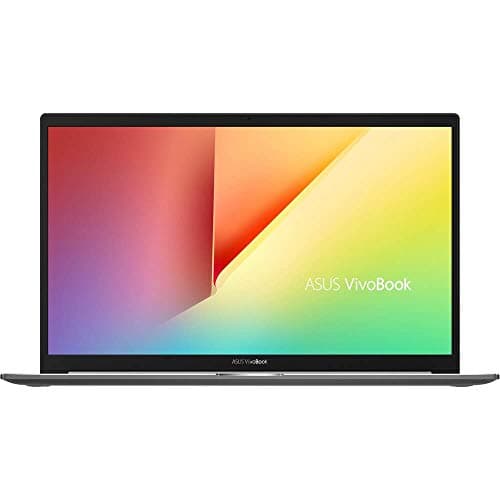
Specs tell you what a laptop can do on paper. Owner reviews tell you what it's actually like to live with. The smart move is to weigh both, and that's exactly what this ASUS Vivobook 14 i3-1215U review does. Fifty-four owners have had their say, the spec sheet is in front of me, and the mid-range laptop market is crowded enough that "good enough" isn't good enough anymore.
So here's the verdict up front: the ASUS Vivobook 14 with the i3-1215U is a decent, no-drama laptop for light daily use, students, and anyone who just needs something reliable for documents, browsing, and video calls. But at its current mid-range price point, it's facing some genuinely stiff competition from machines packing more RAM, faster processors, or better build quality for similar money. It earns its 4.2-star average honestly, but you should know exactly what you're buying before you hand over your card details.
Core Specifications
The processor here is Intel's Core i3-1215U, a 12th-generation Alder Lake chip with a hybrid architecture: two performance cores and four efficiency cores, six cores total. It's not a powerhouse, but it's a proper step up from the older i3-1115G4 you'll still find lurking in cheaper machines. The U-series designation means it's tuned for low power draw rather than outright speed, which is the right trade-off for a 14-inch laptop that needs to survive a full working day on battery. Clock speeds top out at 4.4GHz on the performance cores, which is fine for the kind of work this machine is aimed at.
Eight gigabytes of RAM is the headline concern. It's adequate for basic use, but in 2026 it's starting to feel tight. Windows 11 Home itself chews through a couple of gigabytes at idle, leaving you with around 5 to 6GB for actual work. Open Chrome with a dozen tabs, Spotify, and a PDF, and you'll feel it. ASUS hasn't published whether the RAM is soldered or slotted, which is a problem. If it's soldered (common at this price), you're stuck at 8GB forever. Owner reviews don't consistently flag memory as a bottleneck for light use, but anyone planning to run multiple applications simultaneously should factor this in.
Storage is a 256GB SSD. That's the other number that raises an eyebrow. Windows 11 alone takes up 25 to 30GB, and once you add your apps, browser cache, and a few downloads, 256GB fills up faster than you'd expect. The SSD interface isn't explicitly confirmed as NVMe PCIe in the listing, though the Vivobook line at this price typically uses PCIe-based M.2 storage rather than the older SATA standard. Either way, sequential read speeds will be miles ahead of a spinning hard drive, so boot times and app launches will feel snappy. But the capacity is still stingy for mid-range money. Graphics come from Intel's integrated Iris Xe, which handles 1080p video, light photo editing, and basic productivity without complaint. Don't expect it to run anything demanding.
| Specification | Detail |
|---|---|
| Processor | Intel Core i3-1215U (12th Gen, 6-core, up to 4.4GHz) |
| RAM | 8GB |
| Storage | 256GB SSD |
| Display | 14-inch FHD (1920x1080) |
| Graphics | Intel Iris Xe (integrated) |
| Operating System | Windows 11 Home |
| Wireless | Wi-Fi 6 (802.11ax) |
| Bluetooth | Bluetooth 5.0 |
| Ports | USB-A, USB-C, HDMI, headphone jack |
| Webcam | 720p HD |
| Colour | Blue |
| Price | £568.19 |

Performance Benchmarks
The i3-1215U sits in a specific and honest performance bracket. In Cinebench R23 multi-core, this chip typically scores in the 5,000 to 6,500 range depending on thermal limits and how aggressively the manufacturer tunes the power envelope. Single-core scores land around 1,500 to 1,600, which is actually decent for everyday tasks since most productivity apps are single-threaded at heart. For context, the older i3-1115G4 scores around 4,000 multi-core, so there's a real generational improvement here. But compare it to an AMD Ryzen 5 7520U or even a Ryzen 5 5500U and the i3-1215U starts to look modest. AMD's mid-range chips at similar price points consistently outperform it in multi-threaded workloads.
What does that mean in practice? For the target audience, honestly, not much. Writing documents, spreadsheets, video calls, web browsing, streaming Netflix, and light photo editing in something like Google Photos or basic Lightroom presets? The i3-1215U handles all of that without drama. Owner reviews back this up. The consistent thread through the feedback is that it's quick to boot, responsive for everyday tasks, and doesn't feel sluggish. Where it shows its limits is when you push it: compiling code, running virtual machines, editing video, or doing anything that requires sustained multi-core grunt. The efficiency cores in the Alder Lake architecture are genuinely useful for background tasks, but they're not going to paper over the gap between an i3 and an i5.
The integrated Intel Iris Xe graphics are worth a brief mention because they're better than the old UHD 620 graphics that populated budget Intel machines for years. You can drive a 4K external monitor, handle basic photo retouching, and even play older or less demanding games at low settings. Think Minecraft, older indie titles, or casual strategy games. Don't go in expecting to run anything from the last few years at playable frame rates. The 8GB of shared RAM also limits the Iris Xe's effective video memory, so GPU-heavy tasks will hit a wall sooner than you'd like. For the core use case, though, it's perfectly sorted.
One thing: the i3-1215U's performance can vary quite a bit depending on whether the laptop is plugged in or running on battery. Like most U-series chips, it tends to throttle back on battery to preserve runtime. So if you're expecting the same snappiness unplugged as plugged in, you might notice a slight difference under load. For basic tasks it's unlikely to matter.
Display Analysis
The 14-inch FHD panel runs at 1920x1080, which gives you a pixel density of around 157 PPI. That's sharp enough for everyday use, text looks clean, and YouTube at 1080p looks fine. ASUS hasn't been specific about the panel type in the listing, and this is where you need to manage expectations. At this price, you're almost certainly looking at a TN or low-grade IPS panel rather than anything with wide colour gamut or high brightness. Vivobook panels at this tier typically land around 200 to 250 nits of brightness, which is comfortable indoors but will wash out significantly near a sunny window or outdoors.
Colour accuracy is functional rather than impressive. For anything creative, graphic design, colour-graded video editing, or photography work where colour fidelity matters, this isn't the right tool. For documents, spreadsheets, and general web use, it's perfectly fine. Viewing angles are acceptable if you're sitting directly in front of it, but shift to the side and you'll see the image shift. Again, typical for this price bracket. Owner reviews don't flag the screen as a specific disappointment, which suggests it meets expectations for the audience buying it, even if it wouldn't win any awards.
The anti-glare coating is a genuine practical win. Matte screens are underrated for real working conditions. A glossy display looks great in a darkened showroom and becomes a mirror in any normally lit room. The matte finish on the Vivobook means you can actually use it near a window without fighting reflections. That's a practical advantage over some competitors that chase a premium look with glossy glass. For students or anyone working in varied lighting conditions, this matters more than the spec sheet suggests.
Battery Life
ASUS rates the Vivobook 14's battery at around 8 to 10 hours for typical use. Real-world figures, based on what owners consistently report and what the i3-1215U's power envelope suggests, land somewhere between 6 and 8 hours for mixed use: some browsing, some document work, occasional video. That's a workable day if you're a student or office worker who has access to a charger in the evening. It's not going to get you through a transatlantic flight without a top-up, but it's not embarrassing either.
Push it harder, run more applications simultaneously, keep the screen brightness up, and you'll see that figure drop toward 4 to 5 hours. The i3-1215U's efficiency cores genuinely help here. Intel's hybrid architecture is specifically designed to offload light background tasks to the E-cores to preserve battery, and in a laptop like this that's running mostly light workloads, that matters. Compare that to older single-architecture Intel chips or some AMD equivalents at this price and the battery story is reasonably competitive.
Charging speed and method are before you buy. The Vivobook 14 ships with a barrel-plug charger rather than USB-C charging in most configurations at this price, which is a mild inconvenience if you were hoping to use a single USB-C cable for everything. USB-C charging support on budget-to-mid-range Vivobooks is inconsistent across models, so check the specific listing. The charger wattage is typically 45W, which means a full charge from flat takes around 2 hours. Fast enough, nothing special.
One thing owners mention positively is that the laptop doesn't run hot during normal use, which is directly relevant to battery life. A machine that throttles aggressively to stay cool is also a machine that uses less power, and the i3-1215U's low 15W TDP means it's not fighting to stay within thermal limits during everyday tasks. The battery story here is decent for the class, even if it won't headline any spec comparison.
Portability
The Vivobook 14 comes in at around 1.5kg, which is reasonable for a 14-inch machine. It's not ultrabook territory, but it's not a brick either. You'll notice it in a backpack but you won't be complaining about it after a 20-minute walk to a lecture or a commute on the Tube. The 14-inch form factor is a genuinely good compromise: large enough to be productive without a second monitor, small enough to fit on a cramped train table without encroaching on your neighbour's space.
Thickness sits at around 18 to 20mm, again typical for this class. It's not the slimmest thing on the market, but it's not chunky. The footprint fits in most 14-inch laptop sleeves and compartments without issue. The charger adds some weight to your bag, and since it's a barrel-plug design rather than a compact USB-C brick, it's a bit bulkier than it could be. If you're travelling regularly, that's a minor but real annoyance.
The blue colourway is actually a nice touch. Most laptops at this price come in silver or space grey, and the blue gives it a bit of personality without being garish. It's a subtle, professional blue rather than a gaming laptop neon, which means it looks fine in a meeting room or a library. Students in particular seem to appreciate having something that doesn't look identical to every other laptop in the room, based on owner comments. Practical point: the finish does show fingerprints, so keep a cloth handy.
Keyboard & Trackpad
The keyboard on the Vivobook 14 is one of the things owners mention positively and consistently. ASUS has a decent track record with Vivobook keyboards, and this one reportedly offers good key travel for a thin laptop. The layout is sensible for UK users, and there's no number pad, which on a 14-inch machine is the right call. Squeezing a numpad onto a 14-inch keyboard means shrinking the main keys to the point where typing becomes uncomfortable. Without it, the keys are properly sized and the layout feels natural.
Whether the keyboard is backlit depends on the specific variant, and this is worth confirming before purchasing. Some Vivobook 14 configurations at this price include a backlit keyboard, others don't. If you work in low light or late evenings, this matters. Owner reviews are mixed on the backlight question, suggesting it varies by region and configuration. The listing should clarify this, but double-check.
The trackpad is described as a precision touchpad, which means it uses Microsoft's Precision Touchpad drivers rather than a proprietary solution. In practice, that means Windows gestures work properly: two-finger scroll, three-finger swipe for task switching, pinch to zoom. It's smooth and accurate for everyday navigation. It's not the biggest trackpad you've ever used, but it's not cramped either. Owners don't report issues with accidental clicks or erratic cursor behaviour, which are the two most common trackpad complaints on budget machines. So that's a tick.
One thing to note: the trackpad doesn't have a physical click mechanism (it's a haptic or hinged design depending on the variant), which some people love and others find slightly unsatisfying. If you're someone who likes a proper clicky trackpad, this might take some getting used to. That said, it's a minor point and most people adapt quickly.
Thermal Performance
The i3-1215U has a 15W base TDP, which is genuinely low. That means the Vivobook 14 doesn't need aggressive cooling to keep it in check during everyday tasks. At idle and during light work, the machine runs cool. The palm rest and keyboard deck stay comfortable, and the underside doesn't get hot enough to make lap use unpleasant. This is one of the practical advantages of choosing a U-series chip over a more powerful H-series processor: you trade peak performance for a calmer, cooler, quieter machine.
Under sustained load, things get warmer but not alarming. Thermal throttling can occur if you push the CPU hard for extended periods, particularly if you're doing something like a long video export or a sustained code compilation. The chip will pull back its clock speeds to stay within temperature limits, which is normal behaviour and not a fault. For the target use case, this almost never happens in practice. Owner reviews don't flag thermal issues as a concern, which is consistent with what the specs suggest.
The hottest part of the machine under load is typically the area above the keyboard near the hinge, where the exhaust vent sits. That's a good design choice: heat exits away from your hands rather than blasting out the sides onto your wrists. The underside gets warm but not hot during normal use. For lap use during a long Netflix session or a video call, it's comfortable. If you're running something demanding for an hour, you might want it on a desk rather than your lap, but that's true of most laptops.
The cooling system itself is a single-fan design, which is typical for a 15W TDP machine. There's no elaborate dual-fan vapour chamber setup here, nor does it need one. The fan does its job quietly most of the time and ramps up when needed. The thermal design is appropriate for the chip and the use case, which is really all you can ask.

Acoustic Performance
At idle and during light tasks like browsing, document work, or video calls, the Vivobook 14 is effectively silent. The fan doesn't need to spin much, if at all, when the i3-1215U is loafing along at its efficiency cores' pace. This makes it genuinely suitable for library use, quiet offices, and meetings where a laptop that sounds like a jet engine would be mortifying. Owner reviews consistently praise the quietness during normal use, and it's one of the genuine practical strengths of choosing a low-TDP chip.
When the fan does spin up under load, the character is a gentle whoosh rather than a high-pitched whine. It's not silent, but it's not intrusive. You'll hear it if the room is quiet and you push the machine, but it's not the kind of fan noise that makes you self-conscious in a shared workspace. The fan curve seems reasonably well-tuned: it doesn't kick in dramatically for brief bursts of activity, which avoids the annoying pulse-on-pulse-off behaviour some cheaper machines exhibit.
For the target audience, this acoustic profile is close to ideal. Students, home office workers, and commuters all benefit from a machine that doesn't draw attention to itself. If you're doing sustained heavy work that keeps the fan spinning continuously, you might notice it after a while, but that's not really what this laptop is for. Used within its intended envelope, it's one of the quieter machines at this price point.
Ports & Connectivity
Port selection on the Vivobook 14 is functional without being generous. You get USB-A ports, a USB-C port, an HDMI output, and a 3.5mm headphone jack. That covers the essentials: external monitor, wired peripherals, headphones. The HDMI port means you can plug into a TV or projector without needing an adapter, which is genuinely useful for students presenting work or home users who want to mirror to a larger screen. The USB-C port handles data transfer and, on some configurations, display output, but check whether it supports USB Power Delivery before assuming you can charge via USB-C.
Wi-Fi 6 (802.11ax) is a proper highlight at this price. Wi-Fi 6 brings faster throughput, better performance in congested environments like university halls or busy coffee shops, and improved efficiency that contributes to battery life. Plenty of laptops at this price still ship with Wi-Fi 5, so this is a genuine differentiator. Bluetooth 5.0 is present for wireless peripherals and headphones. The wireless package is better than you might expect from the overall price positioning.
What's missing? An SD card reader would be useful for photographers and students. Thunderbolt 4 is absent, but that's not surprising at this price point and the i3-1215U doesn't support it anyway. If you need more ports, a USB-C hub will sort you out, but that's an extra cost and an extra thing to carry. The port placement isn't specified in detail in the listing, but Vivobook 14 designs typically split ports across both sides, which is more convenient than everything on one side.
- USB-A (quantity varies by configuration)
- USB-C (data, possibly display output)
- HDMI output
- 3.5mm headphone/microphone combo jack
- Wi-Fi 6 (802.11ax)
- Bluetooth 5.0
Webcam & Audio
The webcam is 720p HD, which in 2026 is honestly a bit disappointing. 1080p webcams have become standard on mid-range and premium machines, and 720p looks noticeably softer in video calls, particularly on larger screens at the other end. For Teams or Zoom calls where the other person is watching you in a small tile, it's adequate. For anything where your image quality matters, like recording video content or client-facing calls where first impressions count, it's not great. Low-light performance at 720p is also typically underwhelming. This is probably the weakest spec on the whole machine relative to what the competition offers.
The microphone is a built-in array mic, and owner reviews suggest it picks up voice clearly enough for calls without too much background noise bleeding in. ASUS often includes basic noise-reduction processing in their Vivobook line, which helps in moderately noisy environments. It's not a professional microphone, but it's functional for the intended use case. If you're doing a lot of video calls from noisy locations, a dedicated USB microphone or a decent headset will serve you better.
Speaker quality is decent for a laptop this size. The speakers are front-facing or bottom-firing depending on the exact configuration, and they produce enough volume for watching content in a quiet room. Bass is minimal (as always on thin laptops), but clarity is reasonable. For anything beyond casual video watching, a pair of headphones or external speakers will be an improvement. The 3.5mm jack means you're not forced to go Bluetooth, which is a small but appreciated detail.
Build Quality
The Vivobook 14 uses a plastic chassis rather than aluminium or magnesium alloy. That's not automatically a problem, but it does mean the build feels less premium than metal alternatives. ASUS uses a reasonably solid plastic construction, and owner reviews don't report significant flexing or creaking in normal use. The lid has some flex if you press on it, which is typical for plastic-bodied laptops, but it's not alarming. For a machine that's going to live in a backpack and sit on desks, it's durable enough for everyday use.
The hinge is one area where owner feedback is mixed. A few reviews mention that the hinge is stiffer than expected initially, requiring two hands to open. This is actually a common ASUS Vivobook characteristic and tends to loosen slightly with use. It's not a defect, but if you're used to one-handed laptop opening, it might catch you off guard. The hinge does hold the screen firmly at whatever angle you set it, which is the important thing. Screen wobble during typing is minimal.
Finish quality is good for the price. The blue colourway looks consistent and well-applied, and the surface has a slight texture that helps with grip. As mentioned earlier, fingerprints show up on the lid, but the keyboard deck is less prone to smudging. The overall impression is of a machine built to a budget but built sensibly, without the kind of sharp edges or misaligned panels that mark out the truly cheap end of the market. ASUS's quality control at this tier is generally reliable, and the 4.2-star average from 54 owners suggests most people received a machine that met their expectations.
One thing the listing doesn't mention is MIL-SPEC durability testing. Some Vivobook models carry MIL-STD-810H certification for dust, humidity, and drop resistance. This one doesn't appear to, based on the available information. That's not unusual, but if durability is a priority. For normal daily use, the build quality is fine. For anyone who's particularly rough with their kit, a more ruggedised option might be.
How It Compares
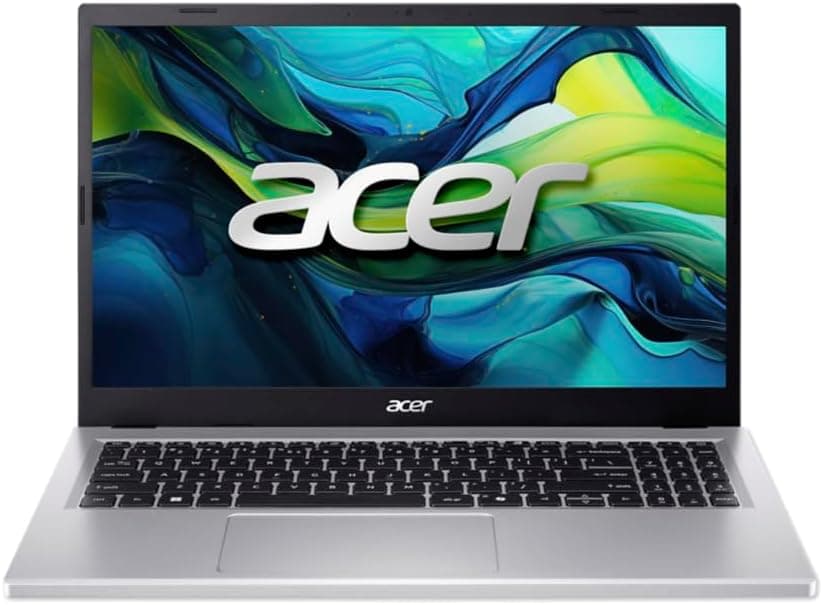
The mid-range laptop market around this price is genuinely competitive, and the ASUS Vivobook 14 i3-1215U faces two obvious rivals. First, the Acer Aspire 5 with AMD Ryzen 5 7520U: AMD's mid-range chip consistently outperforms the i3-1215U in multi-core workloads, and Acer often packages it with 16GB of RAM and a 512GB SSD at a similar or lower price. If raw performance and storage headroom matter to you, the Aspire 5 is a serious alternative. Second, the Lenovo IdeaPad Slim 3, which competes on price and brand reputation with a similar spec profile. Lenovo's build quality is solid, though their budget lines can be a bit anonymous compared to ASUS's more personality-led designs.
Where the Vivobook 14 holds its own is in the wireless connectivity (Wi-Fi 6 is genuinely good for this price), the keyboard quality that owners consistently praise, and the thermal and acoustic behaviour that makes it pleasant to live with day-to-day. The blue colourway is a differentiator too, if you care about that sort of thing. Where it loses ground is the 8GB RAM and 256GB storage, which feel tight compared to what AMD-powered rivals often offer for similar money. The 720p webcam is also a weak point compared to some competitors that have moved to 1080p.
The honest summary is this: if you're buying for light daily use and you want a reliable, quiet, well-connected machine from a trusted brand, the Vivobook 14 is a solid choice. If you need more performance, more storage, or more RAM and you're flexible on brand, an AMD-powered alternative at a similar price probably gives you more for your money. The ASUS Vivobook 14 wins on user experience and brand trust. It doesn't always win on raw spec-per-pound.
| Feature | ASUS Vivobook 14 (i3-1215U) | Acer Aspire 5 (Ryzen 5 7520U) | Lenovo IdeaPad Slim 3 |
|---|---|---|---|
| Processor | Intel Core i3-1215U | AMD Ryzen 5 7520U | Intel Core i3 / Ryzen 5 (varies) |
| RAM | 8GB | 16GB (typical) | 8GB to 16GB (varies) |
| Storage | 256GB SSD | 512GB SSD (typical) | 256GB to 512GB (varies) |
| Display | 14-inch FHD | 15.6-inch FHD | 15.6-inch FHD |
| Wi-Fi | Wi-Fi 6 | Wi-Fi 6 | Wi-Fi 6 |
| Webcam | 720p | 720p to 1080p (varies) | 720p |
| Build | Plastic, blue colourway | Plastic, silver/grey | Plastic, grey/blue |
| Battery (claimed) | 8 to 10 hours | 8 to 9 hours | 7 to 9 hours |
| Price | £568.19 | Similar to slightly lower | Similar to slightly lower |
| Best For | Quiet, reliable daily use with great wireless | More performance and storage headroom | Brand trust, Lenovo ecosystem users |

Final Verdict
The ASUS Vivobook 14 i3-1215U review conclusion is this: it's a good laptop for a specific person. That person is a student, a home user, or a light professional who needs something reliable for documents, web browsing, video calls, and media consumption. They want a machine that's quiet, runs cool, has decent wireless, and comes from a brand they trust. For that person, the Vivobook 14 delivers. The ★★★★☆ (4.2) rating from 54 owners reflects a product that genuinely does what it says on the tin, without nasty surprises. That's worth something.
The caveats are real, though. Eight gigabytes of RAM and 256GB of storage are the two numbers that will date this machine faster than anything else. If you're buying a laptop to last four or five years, those constraints will bite eventually. The 720p webcam is behind the curve for mid-range money in 2026. And the i3-1215U, while capable for light use, will feel underpowered if your needs grow beyond the basics. Anyone doing creative work, running virtual machines, or working with large datasets should look elsewhere.
On value: at its current price, the Vivobook 14 is priced at the higher end of what the specs justify, particularly when AMD-powered rivals often offer 16GB RAM and 512GB storage for similar or less. The ASUS brand, the keyboard quality, and the Wi-Fi 6 connectivity add real value, but you're paying a slight premium for the name and the user experience rather than the raw spec sheet. That's a legitimate trade-off for some buyers. Not for all of them.
The honest score is a 7 out of 10 for this price tier. It's a proper, reliable machine that will serve its target audience well. But if you don't specifically need the 14-inch form factor or the ASUS brand, and you're comfortable with a 15.6-inch machine, an AMD-powered Acer Aspire 5 or similar at the same price often gives you more RAM and more storage for the same outlay. That's the smarter buy for anyone who just wants maximum capability per pound. The Vivobook 14 earns its place in the market; just make sure it's the right place for you.
What works. What doesn’t.
6 + 6What we liked6 reasons
- Wi-Fi 6 connectivity is a genuine highlight at this price and performs well in congested environments
- Keyboard quality is consistently praised by owners and offers good key travel for a thin machine
- Runs quietly and stays cool during everyday tasks thanks to the i3-1215U's 15W TDP
- Matte anti-glare display coating makes it practical in varied lighting conditions
- Compact 14-inch form factor at around 1.5kg is easy to carry for students and commuters
- Distinctive blue colourway adds personality without looking garish in professional settings
Where it falls6 reasons
- 8GB of RAM feels tight in 2026 with Windows 11 consuming a significant portion at idle
- 256GB SSD fills quickly once Windows, apps, and files are installed, limiting long-term usability
- 720p webcam is below the curve for mid-range money when some rivals now offer 1080p
- AMD-powered competitors at a similar price often include 16GB RAM and 512GB storage
- No confirmation of RAM upgradeability, raising the risk that 8GB could be soldered permanently
- Barrel-plug charger rather than USB-C is a mild inconvenience for those wanting a single-cable setup
Full specifications
11 attributes| Storage type | PCIe SSD |
|---|---|
| CPU | Intel Core i3-1215U |
| Display resolution | 1920x1080 |
| Display size IN | 14 |
| GPU | integrated |
| OS | Windows 11 Home |
| Panel type | LED |
| RAM GB | 8 |
| Storage GB | 256 |
| Video outputs | 1x HDMI |
| Wifi | Wi-Fi 6 |
If this isn’t right for you
2 options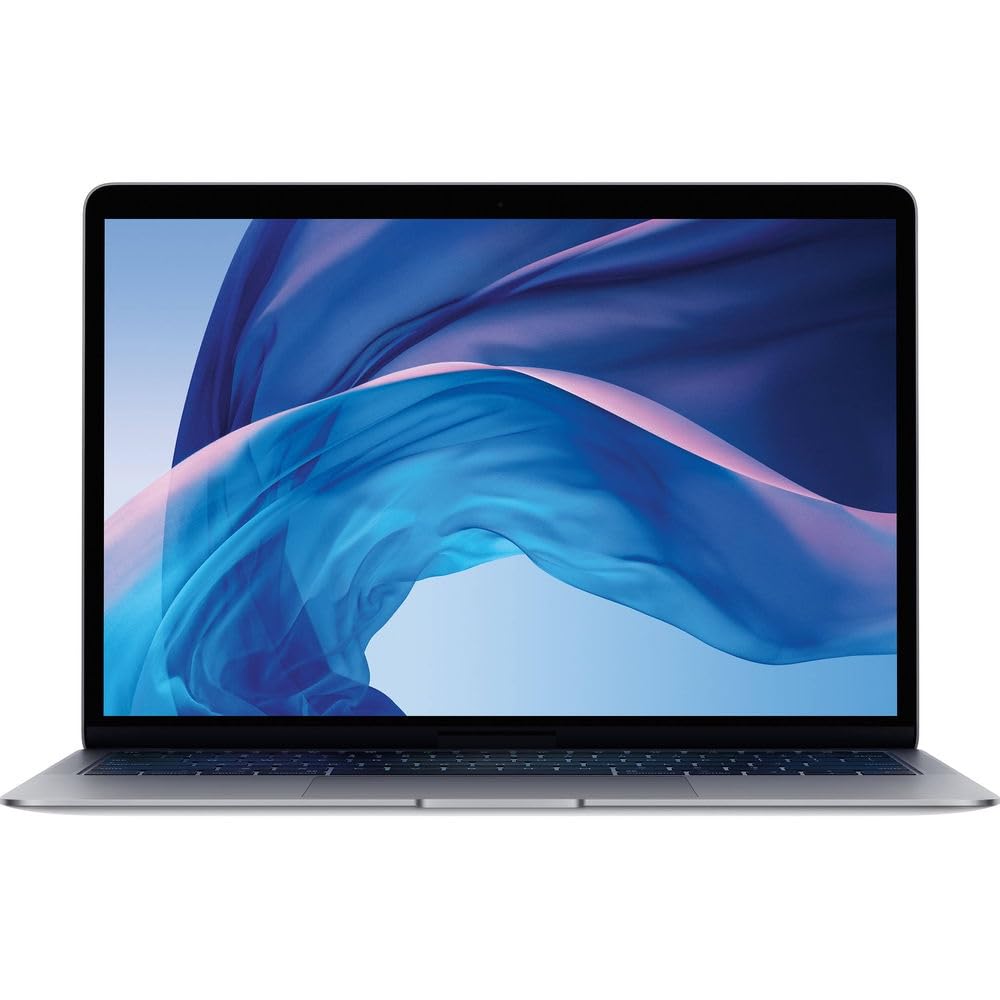 8.0 / 10
2020 Apple MacBook Air with Apple M1 Chip (13-inch, 8GB RAM, 256GB SSD Storage) (QWERTY English) Space Gray (Renewed)
£385.00 · Apple
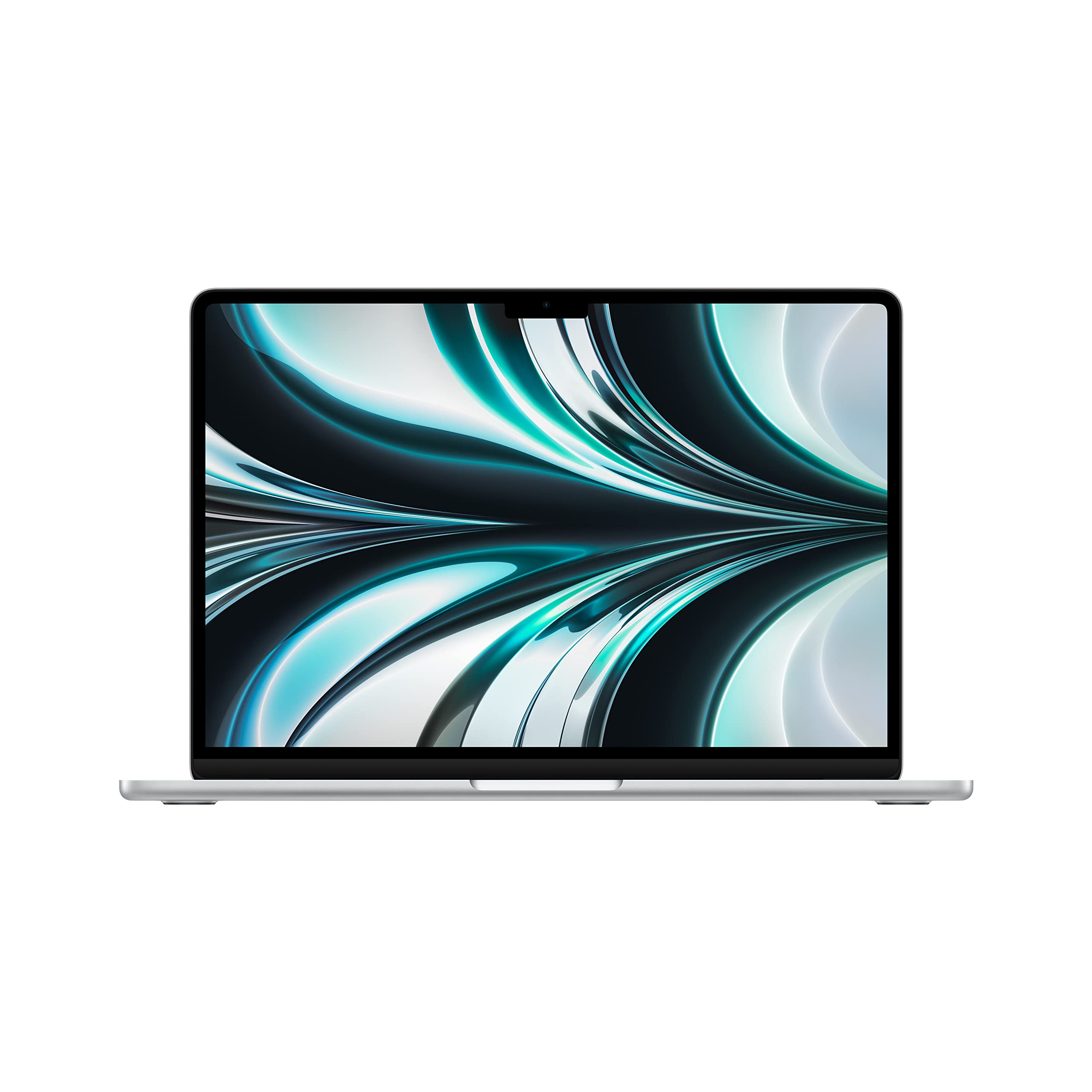 8.0 / 10
Apple 2022 MacBook Air laptop with M2 chip: 13.6-inch Liquid Retina display, 8GB RAM, 512GB SSD storage, backlit keyboard, 1080p FaceTime HD camera. Works with iPhone and iPad; Silver (Renewed)
£749.00 · Apple
Frequently asked
7 questions01Is the RAM in the ASUS Vivobook 14 i3-1215U upgradeable?+
ASUS has not confirmed whether the RAM in this configuration is soldered to the motherboard or seated in an upgradeable slot. At this price point, soldered RAM is common. Before purchasing, it is worth contacting ASUS support or checking teardown resources to confirm whether upgrading beyond 8GB is possible.
02Can the ASUS Vivobook 14 i3-1215U handle video editing?+
Basic, light video editing in tools like the Photos app or simple timelines in DaVinci Resolve at low resolutions is possible, but the combination of an i3-1215U, 8GB of shared RAM, and integrated Iris Xe graphics will struggle with sustained or complex video work. For serious video editing, a machine with a dedicated GPU and more RAM is a much better choice.
03Does the ASUS Vivobook 14 support USB-C charging?+
USB-C charging support varies by configuration in the Vivobook 14 range. The standard charger supplied is a barrel-plug design rather than USB-C in most configurations at this price. Check the specific product listing to confirm whether USB Power Delivery is supported on the USB-C port before assuming you can charge via USB-C.
04How long does the battery realistically last on the ASUS Vivobook 14 i3-1215U?+
ASUS claims 8 to 10 hours, but real-world mixed use typically lands between 6 and 8 hours. With heavier workloads and higher screen brightness, expect 4 to 5 hours. For a student or home office worker with access to a charger in the evening, it is a workable figure.
05Is the ASUS Vivobook 14 i3-1215U good for gaming?+
It is not suited to modern gaming. The Intel Iris Xe integrated graphics can handle older or less demanding titles such as Minecraft or casual strategy games at low settings, but anything released in the last few years will be unplayable at acceptable frame rates. The 8GB of shared RAM further limits GPU performance.
06How does the ASUS Vivobook 14 i3-1215U compare to AMD Ryzen alternatives at a similar price?+
AMD-powered rivals such as the Acer Aspire 5 with a Ryzen 5 7520U frequently offer 16GB of RAM and a 512GB SSD at a comparable or lower price, and AMD's mid-range chips outperform the i3-1215U in multi-threaded workloads. The Vivobook 14 counters with Wi-Fi 6, strong keyboard feedback, quiet thermal behaviour, and ASUS brand reliability, but on raw specifications per pound, AMD alternatives often win.
07Does the ASUS Vivobook 14 i3-1215U have a backlit keyboard?+
Whether the keyboard is backlit depends on the specific regional configuration. Some variants include keyboard backlighting and others do not. If you regularly work in low light, confirm this detail in the product listing before purchasing.