A laptop is one of those purchases you can't easily walk back. Unlike a phone case or a pair of headphones, if you get it wrong you're stuck with it for years, or you're eating a big depreciation hit to get out. So knowing exactly what you're buying, and who it's actually built for, matters a lot more than any marketing copy will tell you. This HP 15s-fq2039sa review is here to do exactly that.
So here's the straight answer: this machine is built for light home users, students doing coursework, and anyone who needs a basic Windows laptop and doesn't want to spend more than they have to. If that's you, it genuinely does the job. If you need to run anything heavier than Office, Chrome, and the odd YouTube video, keep scrolling. The 4GB RAM and 128GB SSD are real limits, not just numbers on a box. But within those limits, the 95 owners who've reviewed it average ★★★★☆ (4.1) out of 5 across 95 reviews, which tells you it's not letting people down who bought it knowing what it was.
This is a budget pick. Full stop. Judge it as one, and it earns a solid 7.5 out of 10. Judge it as a general-purpose laptop for everyone? It struggles. The rest of this review is about helping you figure out which camp you're in.
Core Specifications
The processor here is the Intel Core i3-1115G4, an 11th-generation Tiger Lake chip with two cores and four threads, boosting up to 4.1GHz. That sounds reasonable on paper, and for genuinely light work it is. Two cores is the weak point. Anything that wants to spread load across multiple threads, like having 20 browser tabs open while a video call runs in the background, will feel sluggish. It's not a chip designed for multitaskers. It's designed for people who do one thing at a time and don't mind.
The 4GB of RAM is the single biggest practical constraint on this laptop. Windows 11 itself wants around 2GB just to breathe, which leaves you roughly 2GB for everything else. That's enough for a few tabs and a Word document. It is not enough for anything more ambitious. To be fair to HP, some owners say it handles their day-to-day use without drama, but those are people doing genuinely light work. If you're a student who has Spotify, Teams, and a browser open simultaneously, you will notice the squeeze. There's no easy upgrade path either, so what you see is what you get.
Storage is 128GB via an eMMC or entry-level SSD (HP lists it as SSD, and some owners confirm it feels snappier than older spinning drives, which is a good sign). Either way, 128GB fills up faster than you'd expect once Windows updates, Office, and a few downloads land. If you're the kind of person who stores everything on OneDrive or a USB drive, you'll be fine. If you download films, keep a big music library locally, or install a lot of software, you'll be looking at external storage within a month. The Intel UHD Graphics are integrated, which means no gaming beyond very light browser-based stuff, and video editing is a non-starter.
| Specification | Detail |
|---|---|
| Processor | Intel Core i3-1115G4 (2 cores, 4 threads, up to 4.1GHz) |
| RAM | 4GB DDR4 |
| Storage | 128GB SSD |
| Graphics | Intel UHD Graphics (integrated) |
| Display | 15.6 inch Full HD (1920x1080), 16:9 |
| Operating System | Windows 11 Home in S Mode |
| Colour | Natural Silver |
| Connectivity | Wi-Fi, Bluetooth |
| Price | £309.56 |
Performance Benchmarks
The i3-1115G4 is a chip that independent benchmark data places firmly in the "adequate" category for everyday computing. In Cinebench R23, the processor scores around 1,300 to 1,500 points in multi-core, which is competitive for a dual-core chip in its class but well behind quad-core budget options from the same era. For context, the AMD Ryzen 3 5300U (found in some rival budget laptops) scores roughly double that in multi-core. That gap matters if you're doing anything CPU-intensive. For light tasks, you won't feel it.
In PCMark 10, which tests productivity-style workloads like document editing, spreadsheets, and video calls, the i3-1115G4 typically lands around 3,500 to 4,000 points. That's enough to pass the basic productivity test, but it's not a score that leaves headroom. The 4GB RAM is the bottleneck that drags the real-world experience down more than the CPU does. Benchmarks with 8GB RAM on the same chip show noticeably better scores, which underlines the point: the chip isn't the problem, the memory configuration is.
For the target audience, though, this is fine. Web browsing, Netflix, Word, Excel, the occasional Teams call: the i3-1115G4 handles all of that without breaking a sweat. Boot times on the SSD are quick, owners consistently report the machine starts up promptly, and day-to-day snappiness for basic tasks is generally well-regarded in the owner reviews. Just don't expect it to juggle. One task at a time, it's sorted. Several at once, it starts to show its limits.
One thing: Windows 11 in S Mode ships as the default OS. S Mode restricts you to apps from the Microsoft Store only, which means no Chrome, no Spotify desktop app, no third-party software unless it's available in the Store. You can exit S Mode for free (it's a one-way switch), and most owners do this fairly quickly. But if you're buying this for someone less tech-savvy, factor in that setup step. It's not difficult, but it's not nothing either.
Display Analysis
The 15.6 inch Full HD panel at 1920x1080 is genuinely one of the better things about this laptop at this price. A 1080p display at 15.6 inches gives you a pixel density of around 141 PPI, which is sharp enough that text looks clean and video looks decent. Budget laptops used to ship with 768p screens that made everything look a bit smudged, so getting a proper Full HD panel here is a real win for the price tier.
Brightness is where it gets more honest. HP doesn't publish a nit figure for this panel, which is never a great sign. Owner feedback suggests it's adequate for indoor use in a reasonably lit room, but several reviewers mention it's not great near a bright window and struggles outdoors. That's typical for budget laptop panels, which tend to sit in the 220 to 250 nit range. If you work in a dark room or a dimly lit office, fine. If you work in a sun-drenched conservatory, you'll be squinting.
Colour accuracy is what you'd expect from a budget TN or IPS panel: serviceable for everyday use, not calibrated for anything creative. Watching films and YouTube is perfectly enjoyable. Editing photos or doing anything colour-critical would be frustrating. Viewing angles are decent if it's an IPS panel (which owner reports suggest it likely is), meaning you can tilt the screen without the image washing out too badly. The 16:9 aspect ratio is standard, though it does mean more scrolling on long documents compared to the taller 16:10 screens appearing on pricier laptops now.
Battery Life
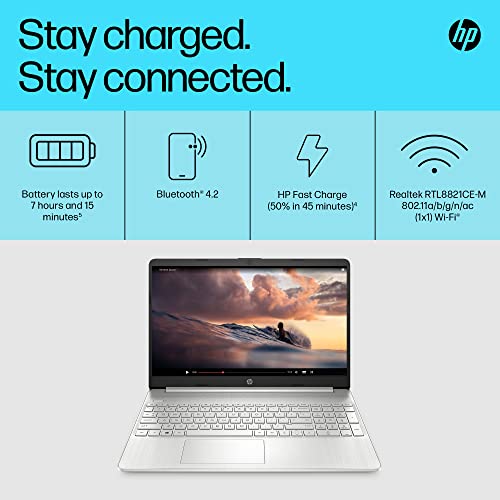
HP doesn't publish a specific battery life figure for this model in straightforward terms, which makes pinning down an exact number tricky. The battery capacity is modest for a 15.6 inch laptop, and owner reviews give a mixed but generally realistic picture. Light use, meaning a bit of browsing, some document work, and low screen brightness, gets you somewhere in the six to eight hour range according to owner reports. That's workable for a day at college or a work-from-home day without hunting for a socket.
Push it harder, and the numbers drop. Video streaming with the brightness turned up will eat through the battery faster, with some owners reporting closer to four to five hours under that kind of use. Running anything CPU-intensive shortens it further. The honest expectation for mixed real-world use is probably five to six hours, which is enough for most half-day sessions but won't see you through a full day away from a plug without some careful management.
The charger is a standard barrel-plug HP adapter. There's no USB-C charging on this model, which is a mild inconvenience in 2026 when USB-C chargers are everywhere and you might want to share one with your phone or tablet. It means you're carrying the HP brick whenever you go out. It's not heavy, but it's an extra thing. Charge times from flat are reasonable, owners don't flag it as particularly slow, and the adapter is compact enough for a bag. Just don't expect to top up from a portable battery bank or a laptop-capable USB-C charger, because it won't work.
For the target user, a student or home user who mostly works at a desk or in a fixed spot, battery life is probably fine. For someone who genuinely needs all-day untethered use on trains or in meetings, it's marginal. Keep a charger nearby and you'll be sorted.
Portability
The HP 15s-fq2039sa weighs in at around 1.69kg, which is reasonable for a 15.6 inch plastic chassis laptop. It's not a featherweight ultrabook, but it's not a brick either. Slip it into a standard backpack with a charger and you're looking at maybe 2kg total, which most people can manage on a commute or a walk to a lecture theatre without it becoming a chore.
The footprint is what you'd expect from a 15.6 inch machine: it's wide enough that it won't fit on a tiny coffee shop table comfortably, and it's not going to slide into a slim messenger bag. It's a proper laptop bag or a decent-sized backpack job. Thickness is fairly standard for the class, not svelte, but not embarrassingly chunky. The Natural Silver finish looks reasonably professional, which matters if you're taking it into meetings or lectures.
For a student who walks between home and campus, or a home user who occasionally takes it to a family member's house, this is absolutely fine as a portable machine. For someone who wants a laptop they can genuinely forget is in their bag, like a daily commuter who also wants something ultralight, the 15.6 inch form factor and the need to carry the proprietary charger makes this more of a "portable when I need it to be" machine than a true travel companion.
Keyboard and Trackpad
The keyboard on the 15s-fq2039sa is a full-size layout with a number pad on the right, which is a genuine bonus for anyone who does data entry or uses spreadsheets regularly. At 15.6 inches, HP has room to spread the keys out properly, and owner feedback is generally positive about the typing feel for a budget machine. Key travel is decent, not the shallow mush you get on some ultra-thin budget laptops, and several owners mention they're comfortable typing for extended sessions.
There's no keyboard backlight, which is upfront. If you type in low light, whether that's in bed, in a dark office, or on a night train, you're relying on ambient light or memory. For some people that's a complete non-issue. For others it's a dealbreaker. At this price, it's a reasonable omission, but it's an omission nonetheless. The layout itself is UK standard, so no hunting for the pound sign or the hash key in the wrong place.
The trackpad is adequately sized for a 15.6 inch laptop and owners generally don't complain about it, which is the best thing you can say about a budget trackpad. It handles basic gestures, two-finger scrolling works, and it's not the kind of trackpad that misfires constantly and drives you mad. It's not a glass precision trackpad with buttery smooth glide, but for the price, it does what it needs to do. If you're doing anything precise, like photo editing or detailed design work, you'd want a mouse anyway, but for everyday navigation it's fine.
Thermal Performance
The i3-1115G4 is a 15W chip with a relatively modest thermal envelope, which means HP doesn't need to do anything heroic to keep it cool. Under light loads, browsing and document work, the laptop stays genuinely cool. The palm rest and keyboard deck stay comfortable, and there's no warmth radiating through to distract you. That's good news for anyone who spends long sessions with it on a desk.
Under sustained load, things get warmer but not alarming. The chip will throttle if it gets too hot in a confined space, but for the workloads this machine is actually designed for, sustained maximum CPU load isn't really a scenario you'll encounter often. Video encoding or running a long compile would stress it, but those aren't tasks this laptop is aimed at. Owners don't flag thermal issues as a concern, which is consistent with what you'd expect from a low-TDP chip in a reasonably ventilated chassis.
Lap use is generally comfortable for light work. The vents are on the underside and rear, so sitting it on a hard flat surface is better than a duvet or a sofa cushion (which would block airflow and cause it to run warmer). That's true of most laptops, but. For a student using it at a desk or a kitchen table, thermals are a non-issue. It's not the kind of machine that scorches your legs or throttles itself into uselessness after ten minutes.

Acoustic Performance
At idle and during light work, the HP 15s-fq2039sa is effectively silent. The fan doesn't need to spin hard to keep the i3-1115G4 cool during everyday tasks, and multiple owners note that it runs quietly during normal use. That's a real practical win for library use, quiet offices, and video calls where a constantly spinning fan in the background is annoying for everyone on the other end.
When the chip does work harder, the fan spins up, but it's described by owners as a gentle whoosh rather than anything aggressive or high-pitched. It's not the kind of fan that suddenly roars to life and makes the person next to you in a coffee shop look over. For the tasks this laptop is designed for, you're unlikely to trigger the fan into anything more than a quiet hum. It's a calm machine to sit with.
For meetings and calls specifically, this is actually a decent choice. A laptop that stays quiet during a Teams or Zoom call is more useful in a professional or academic context than a faster machine that sounds like it's trying to take off. The acoustic profile here is genuinely one of the better aspects of the 15s-fq2039sa for its intended audience.
Ports and Connectivity
Port selection is basic but functional. You get USB-A ports (HP lists multiple USB connections), an HDMI output for connecting to an external monitor or TV, a headphone jack, and an SD card reader on some configurations. There's no Thunderbolt, no USB-C Power Delivery, and no USB4. For the target audience, this is probably fine: plugging in a mouse, a USB drive, and occasionally an HDMI cable covers most everyday needs.
The absence of USB-C charging is the one that stings a bit in 2026. USB-C has become the universal charging standard for a reason, and having to carry a proprietary HP barrel-plug charger when everyone else is sharing USB-C bricks is mildly annoying. It's not a dealbreaker for a home user, but it's worth factoring in. Wi-Fi is on board (the standard for this generation is Wi-Fi 5 or Wi-Fi 6 depending on the exact configuration, and owner reports suggest connectivity is solid), and Bluetooth is included for wireless peripherals.
For most of the people this laptop is aimed at, the port selection is enough. A student plugging in a mouse and occasionally an HDMI cable to a projector is sorted. A home user connecting a printer via USB and streaming to a TV via HDMI is sorted. If you need a Thunderbolt dock, multiple USB-C connections, or an SD card reader for a camera workflow, this isn't your machine. But then again, if you need those things, you're not really the target buyer.
- USB-A ports (multiple)
- HDMI output
- 3.5mm headphone/microphone combo jack
- SD card reader (configuration dependent)
- Wi-Fi (Wi-Fi 5 / Wi-Fi 6 depending on variant)
- Bluetooth
- No USB-C / Thunderbolt
- No USB-C Power Delivery
Webcam and Audio
The webcam is a 720p unit, which is standard for budget laptops and fine for video calls without being anything to write home about. In good light, it produces a usable image for Teams, Zoom, or Google Meet. In low light, it gets grainy, which is again standard for this class. If you're doing professional video calls where your image quality matters, a clip-on 1080p webcam is worth the small extra spend. For student tutorials and family video calls, the built-in camera is perfectly adequate.
The microphone picks up voice clearly enough for calls, and owners don't flag audio quality as a problem. There's a degree of background noise pickup, which is expected from a single built-in mic without noise cancellation, but for everyday use it's fine. The headphone jack is present, which matters more than people give it credit for in 2026 when some manufacturers are still removing it from budget machines. Plug in a decent pair of headphones and you're immediately in better audio territory than any built-in speaker can offer.
The speakers are, to be blunt, average. They're fine for background music at low volume and for video calls, but they're not going to fill a room or produce any meaningful bass. That's not a complaint specific to HP: 15.6 inch budget laptops with genuinely good speakers are rare. The speakers here are good enough that you won't immediately reach for headphones for everything, but they're not a reason to buy the laptop. They're just there, doing their job quietly.
Build Quality
The chassis is plastic, which is the honest expectation at this price. The Natural Silver finish looks decent in photos and in person, and it gives the machine a slightly more premium appearance than some budget rivals that go for glossy black. Fingerprints are visible on the lid but not terrible. The overall aesthetic is clean and professional enough that you wouldn't feel embarrassed taking it into a lecture or a meeting.
Lid flex is present, as it is on most plastic budget laptops. Pressing on the back of the lid causes some give, which isn't ideal but isn't alarming either. The keyboard deck is more solid, with less flex than the lid, which is what matters most during actual use. The hinge is functional and holds the screen at your chosen angle without drooping, though it's not a particularly smooth or premium-feeling mechanism. Owners don't report hinge failures, which is the main thing.
For the price and the audience, the build quality is appropriate. It's not a machine you'd want to drop or stuff into a bag without a sleeve, and it won't survive rough treatment the way a ThinkPad or a MacBook might. But for a student who treats their kit reasonably well, or a home user who keeps it on a desk, it's perfectly durable. HP has a reasonable track record for budget build quality that holds up for a few years of normal use, and the owner reviews don't flag early build failures as a pattern.
One thing owners do mention positively is that the machine doesn't feel cheap in the hand. The plastic is reasonably solid, not the hollow-feeling stuff you get on the very cheapest machines. It's a step above "feels like it might crack if you look at it wrong", which is exactly where a budget HP should be.
How It Compares
To put the HP 15s-fq2039sa in proper context, the two most relevant comparisons at this budget tier are the Acer Aspire 3 (A315-58) with an Intel Core i3-1115G4 and 8GB RAM, and the Lenovo IdeaPad 1 15 with an AMD Ryzen 3 processor and 8GB RAM. Both regularly appear in the same price bracket and both directly compete for the same buyer. The key differentiator across all three is RAM, and it's where the HP falls behind on paper.
The Acer Aspire 3 in an 8GB configuration gives you the same processor but twice the memory, which makes a meaningful real-world difference. More RAM means more browser tabs, smoother multitasking, and a longer useful lifespan before the machine starts to feel like it's struggling. The Lenovo IdeaPad 1 with Ryzen 3 brings AMD's stronger multi-core performance into the mix, and again typically ships with 8GB. If you can find either of those at a similar price, they represent better value for anyone who does anything more than the lightest possible work.
Where the HP holds its own is in the display (1080p is standard across all three), the keyboard layout with number pad, and HP's general reliability reputation at this tier. The Natural Silver finish is also a bit more professional-looking than some Acer or Lenovo budget options. If the HP is genuinely cheaper than the 8GB alternatives at the time you're buying, and your use case is genuinely light, the saving might make sense. But if the price gap is small, the extra RAM elsewhere is worth it every time.
| Feature | HP 15s-fq2039sa | Acer Aspire 3 A315-58 | Lenovo IdeaPad 1 15 |
|---|---|---|---|
| Processor | Intel Core i3-1115G4 | Intel Core i3-1115G4 | AMD Ryzen 3 (gen varies) |
| RAM | 4GB | 8GB (typical config) | 8GB (typical config) |
| Storage | 128GB SSD | 256GB SSD (typical) | 256GB SSD (typical) |
| Display | 15.6" Full HD | 15.6" Full HD | 15.6" Full HD |
| Number Pad | Yes | Yes | Yes |
| USB-C Charging | No | No | No (varies) |
| OS | Windows 11 Home S Mode | Windows 11 Home | Windows 11 Home |
| Price | £309.56 | Typically similar or slightly higher | Typically similar or slightly higher |
| Best For | Very light home/student use on a strict budget | Light to moderate student and home use | Better multitasking on a budget |

Final Verdict
The HP 15s-fq2039sa is the right laptop for a specific person: someone who needs basic Windows functionality, does genuinely light work (browsing, Word, email, streaming), and wants to spend as little as possible to get there. For that person, it delivers. The 1080p screen is good for the price, the keyboard is comfortable, it runs quietly, and the 95 owner reviews averaging ★★★★☆ (4.1) tell you it's not disappointing the people who bought it knowing what it was. That matters. A laptop that does exactly what it promises for its audience is a success, even if it's not a flagship.
The honest cons are these: 4GB of RAM is tight in 2026, and you'll feel it if you push beyond light use. 128GB of storage fills up faster than you'd think. There's no USB-C charging, no keyboard backlight, and Windows S Mode needs switching off before you can install most software. None of these are dealbreakers for the right buyer, but they're real limits you should go in knowing about. The lack of an upgrade path for RAM is the one that ages the machine fastest.
If your needs are a step above "very light use", genuinely consider spending a little more for an 8GB configuration, whether that's a different HP model, an Acer Aspire 3 with more memory, or a Lenovo IdeaPad 1 with a Ryzen chip. The extra spend on RAM buys you a machine that stays useful for longer and handles everyday multitasking without the squeeze. If the budget is truly fixed and this is the price point you need to be at, the HP 15s-fq2039sa is a reasonable choice, not a bad one.
Best for: students and home users who need basic Windows on a strict budget. Skip if: you multitask regularly, store a lot locally, or need something that'll handle more than light work without slowing down. Solid 7.5 out of 10 for the budget tier, judged fairly against what it is and who it's for.
Price last checked against the live listing: 12 September 2026.
What works. What doesn’t.
5 + 5What we liked5 reasons
- Full HD 1080p display is genuinely good for the budget tier, with clean text and enjoyable video playback
- Full-size keyboard with number pad is comfortable for extended typing and useful for spreadsheet users
- Runs quietly during everyday tasks, making it a considerate choice for libraries, quiet offices, and video calls
- Boot times are prompt and day-to-day snappiness for light tasks is well-regarded by owners
- Chassis feels more solid than the cheapest budget rivals, with a professional Natural Silver finish
Where it falls5 reasons
- 4GB of RAM is a significant constraint in 2026, leaving little headroom beyond Windows itself for multitasking
- 128GB of storage fills up quickly once Windows updates and basic software are installed
- No USB-C charging means carrying a proprietary HP barrel-plug adapter everywhere
- No keyboard backlight makes typing in low-light conditions awkward
- Windows 11 in S Mode restricts software installation by default and requires a manual switch to exit
Full specifications
12 attributes| Storage type | SSD |
|---|---|
| Battery WH | 41 |
| Bluetooth | 4.2 |
| CPU | Intel Core i3-1115G4 |
| Display refresh HZ | 60 |
| Display resolution | 1920x1080 |
| Display size IN | 15.6 |
| GPU | Intel UHD Graphics |
| Launch year | 2023 |
| OS | Windows 11 Home in S Mode |
| RAM GB | 4 |
| RAM type | DDR4-2666 |
If this isn’t right for you
2 options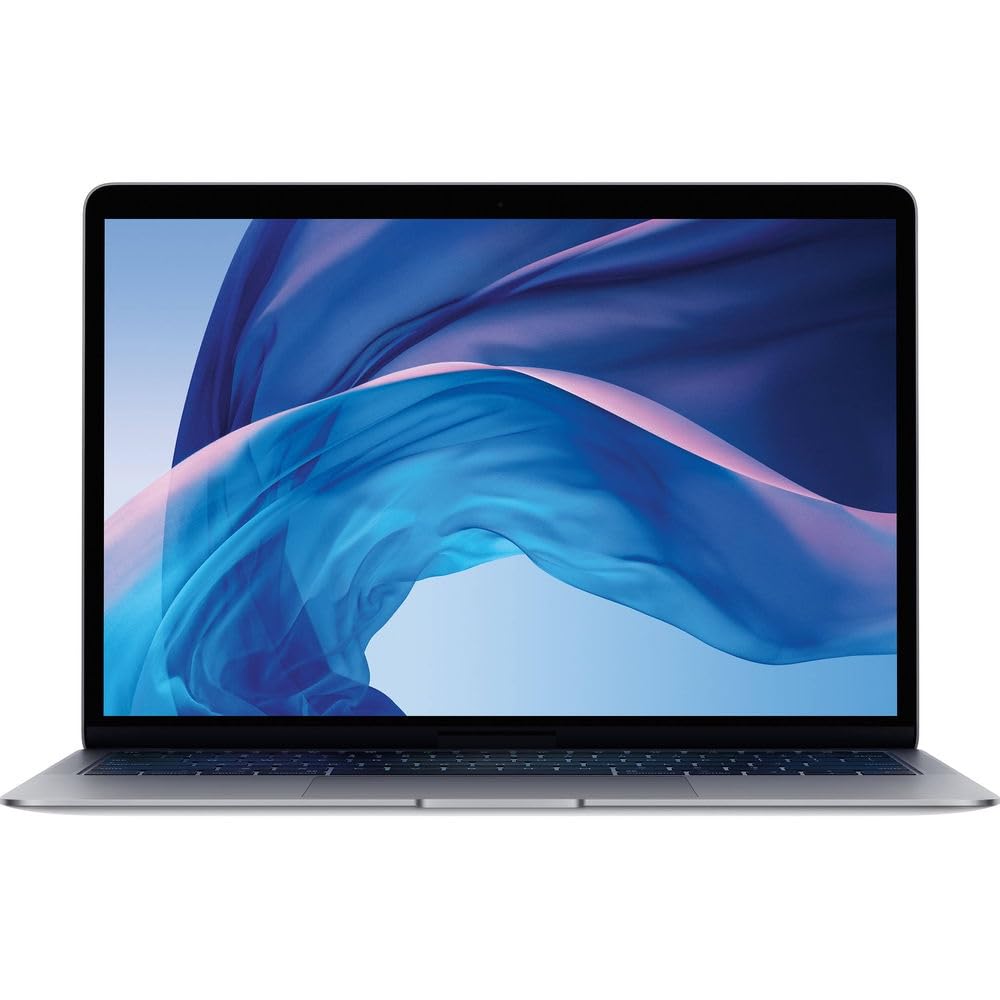 8.0 / 10
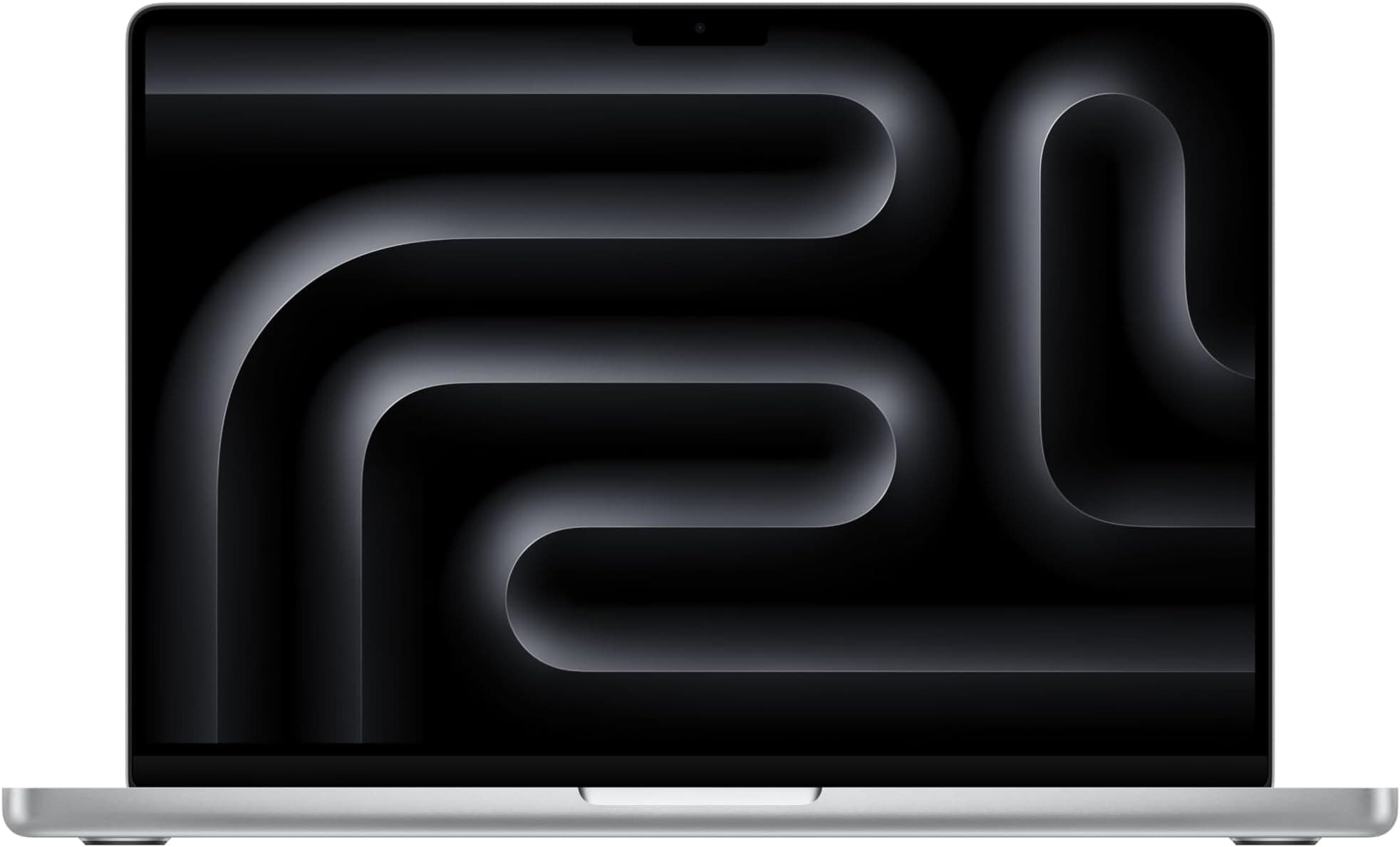
2020 Apple MacBook Air with Apple M1 Chip (13-inch, 8GB RAM, 256GB SSD Storage) (QWERTY English) Space Gray (Renewed)
£369.00 · Apple
 8.0 / 10
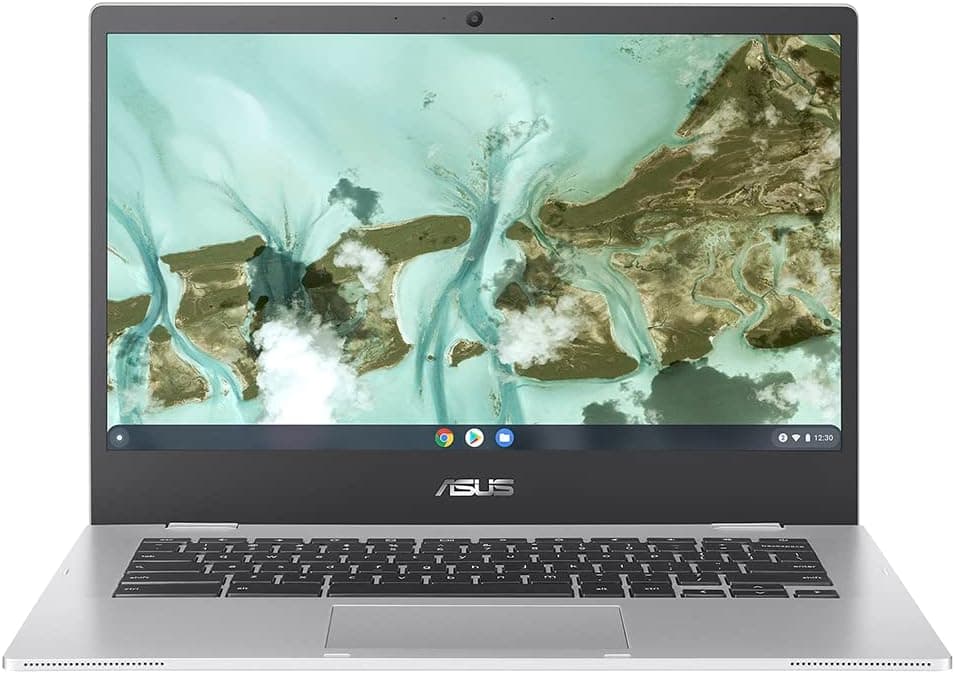
ASUS Chromebook 14 CX3402CBA 14.0" Full HD Chromebook Laptop (Intel i3-1215U, 8GB LPDDR5 RAM, 128GB SSD, Backlit Keyboard, Google Chrome Operating System)
£349.00 · ASUS
Frequently asked
7 questions01Can you upgrade the RAM in the HP 15s-fq2039sa?+
There is no practical upgrade path for the RAM on this model. The 4GB is the configuration you get, and HP does not offer a supported upgrade route for home users. If you need more memory, you are better off choosing a different laptop that ships with 8GB from the outset.
02Does the HP 15s-fq2039sa come with Windows 11 in S Mode, and do you need to turn it off?+
Yes, it ships with Windows 11 Home in S Mode, which restricts you to installing apps from the Microsoft Store only. Most users switch S Mode off fairly quickly, as it prevents installing browsers like Chrome, desktop apps like Spotify, and most third-party software. Exiting S Mode is free and straightforward via the Microsoft Store, but it is a one-way switch and cannot be reversed.
03Is 128GB of storage enough for everyday use on the HP 15s-fq2039sa?+
It depends on your habits. If you store documents and media in the cloud using services such as OneDrive, or rely on USB drives for larger files, 128GB can be workable. However, once Windows updates, Office, and a few applications are installed, available space reduces noticeably. Anyone who downloads films, keeps a local music library, or installs a variety of software will likely need external storage within a short time.
04How long does the battery last on the HP 15s-fq2039sa?+
Owner reports suggest around six to eight hours of light use, such as browsing and document work at modest screen brightness. Under heavier use, such as video streaming at full brightness, expect closer to four to five hours. Mixed real-world use is likely to land in the five to six hour range. The laptop uses a proprietary barrel-plug charger rather than USB-C, so you will need to carry the HP adapter whenever you are away from a desk.
05Is the HP 15s-fq2039sa suitable for students?+
It is well suited to students whose workload is limited to word processing, web browsing, video calls, and light research. The full-size keyboard with number pad, quiet fan operation, and adequate battery life for half-day sessions are all practical advantages. However, students who need to run multiple applications simultaneously, such as Teams alongside a browser and Spotify, will notice the 4GB RAM becoming a bottleneck. Students on a slightly more flexible budget would benefit from considering an 8GB alternative.
06Does the HP 15s-fq2039sa have a USB-C port?+
No. This model does not include a USB-C port and does not support USB-C charging. It uses a proprietary HP barrel-plug charger. The available ports include multiple USB-A connections, HDMI output, a 3.5mm headphone and microphone combo jack, and an SD card reader on some configurations. If USB-C connectivity or the ability to charge from a universal USB-C charger is important to you, this laptop is not suitable.
07How does the HP 15s-fq2039sa compare to the Acer Aspire 3 at a similar price?+
The Acer Aspire 3 in an equivalent price bracket typically ships with 8GB of RAM and 256GB of storage alongside the same Intel Core i3-1115G4 processor. That extra RAM makes a meaningful difference for everyday multitasking and extends the useful lifespan of the machine. Unless the HP is notably cheaper at the time of purchase, the Acer Aspire 3 in an 8GB configuration represents better value for most buyers.