Finding a lightweight laptop that delivers solid performance without breaking the bank has become increasingly achievable. This year's budget segment offers genuine improvements in processor efficiency, battery life and build quality compared to 2023 models. Whether you need something portable for university, remote work, or travel, here are seven contenders under £1000 ranked on how they balance weight, performance and price. Recent chipset updates from Intel and AMD mean even entry-level machines now handle multitasking, video editing and light gaming without the thermal issues that plagued older budget ranges. This guide highlights which models suit different needs and explains the key specifications that actually matter when choosing your next laptop.
Quick Verdict
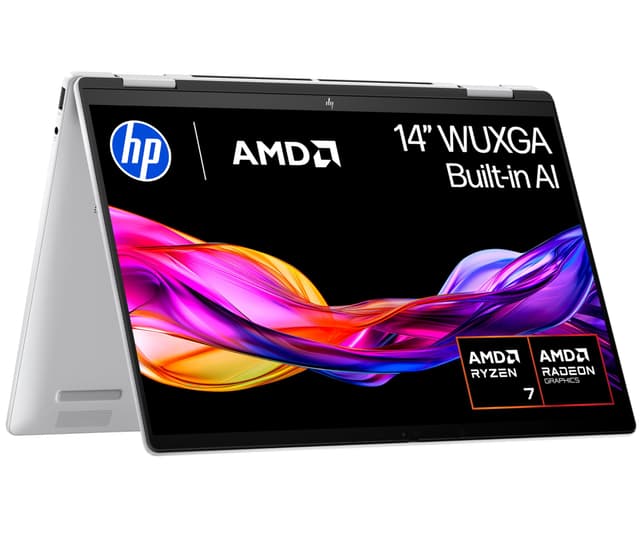
Best Overall: Acer Aspire Spin 14 ASP14-52MTN. Premium build, convertible design, Intel Core Ultra processor, and 16GB RAM justify the higher investment for creative professionals and power users.
Best Value: Microsoft Surface Laptop 3. Outstanding build quality, excellent display, and proven reliability make it unbeatable for everyday computing.
Specification Comparison
The Surface Laptop 3 represents remarkable value for those seeking a premium lightweight machine at budget pricing. This 13.5-inch convertible weighs just 1.3 kg, making it one of the lightest options available, and the Intel Core i5-1035G7 processor handles everyday tasks, video calls, document editing and web browsing without struggling. The 8GB RAM and 256GB SSD provide adequate storage for most users, though students working with large design files might need external storage. The display impresses with vibrant colours and excellent viewing angles, whilst the all-metal chassis feels significantly more durable than plastic alternatives at this price point. Battery life extends to approximately 10 hours under typical use, which means a full working day without searching for a power outlet. The keyboard and trackpad are genuinely pleasant to use, a rarity in budget segments where compromises usually appear first in input devices.
This laptop suits professionals transitioning to remote work, students attending lectures and libraries, and anyone prioritising portability over raw processing power. The touchscreen display adds flexibility for presentations or drawing applications, though the 10th generation Intel processor is beginning to show its age compared to newer chips. Security features including Windows Hello facial recognition and TPM 2.0 encryption provide genuine peace of mind for sensitive data. The integrated graphics handle light gaming and video editing at modest settings, though demanding applications will struggle. Overall, this machine punches well above its price point and represents the strongest value proposition in this comparison.
Pros
- Exceptional build quality with all-metal chassis at under £250
- Ultra-lightweight at 1.3kg, genuinely pocket-friendly for commuters
- 10-hour battery life eliminates midday charging anxiety
- Touchscreen display with accurate colour reproduction
Cons
- 128GB storage on entry models becomes cramped quickly with modern software
- 10th gen Intel processor lacking in demanding video editing or 3D work
- Limited upgrade options once purchased
The 2019 MacBook Air remains a legitimate contender for budget-conscious creatives and professionals wedded to the Apple ecosystem. At 1.25 kg, it claims the lightest weight in this entire comparison, making it genuinely portable for those constantly moving between locations. The Intel Core i5 processor delivers sufficient performance for creative work including photo editing in Lightroom, video editing in iMovie, and music production using GarageBand. Whilst the 128GB storage seems restrictive by modern standards, external SSDs are cheap and effective solutions. The Retina display renders colours accurately, essential for creative professionals who need to trust their screen, and the keyboard, despite the infamous butterfly mechanism on this generation, remains responsive and pleasant during extended typing sessions. macOS provides a streamlined user experience with minimal bloatware, and the integration with other Apple devices creates compelling workflow advantages for iPhone and iPad users.
This machine appeals most to creative professionals, designers, and musicians already committed to the Apple ecosystem who need ultraportability without sacrificing build quality. The battery longevity extends to 12 hours, the longest in this comparison, which eliminates charging infrastructure concerns during travel. The trackpad is industry-leading in responsiveness and gesture support. However, potential buyers should understand that upgrading storage later is impossible, making the 128GB limitation a serious consideration. The thermal management keeps fan noise minimal during typical tasks, though sustained rendering work triggers audible cooling. For non-Apple users or those requiring large local storage, the premium placed on the Apple brand makes alternatives more sensible financially.
Pros
- Lightest laptop here at 1.25kg, genuinely pocket-portable
- 12-hour battery life surpasses all competitors in this list
- Exceptional trackpad with industry-standard gesture support
- Proven reliability with seven years of software updates available
Cons
- 128GB storage is inadequate for modern software, creative files, and media libraries
- No user upgrades possible once purchased, unlike Windows machines
- Butterfly keyboard mechanism prone to failure on this generation
The Lapbook offers genuine practicality for budget-conscious buyers prioritising screen real estate and storage capacity. At this price, this 15.6-inch machine provides the largest display among our most affordable options, making it ideal for extended work sessions where eye strain becomes a concern. The Intel Celeron N5095 processor is admittedly entry-level, yet handles office productivity, streaming, and casual gaming competently. Crucially, the 512GB SSD provides double the storage of comparably priced alternatives, eliminating constant deletion decisions when managing photos, documents and applications. The Full HD (1920x1080) resolution delivers sharp text and clear images, whilst the dual-band WiFi ensures stable connectivity in crowded environments. At 1.8 kg, portability remains reasonable for a 15.6-inch screen, and the build quality feels solid despite the budget positioning.
This laptop suits students requiring a large screen for extended study sessions, home office workers who want comfortable display real estate without premium pricing, and anyone needing quick file access with that 512GB capacity. The Windows 11 Home operating system receives regular security updates and compatibility with virtually all software. However, the integrated graphics and modest processor mean demanding applications like 3D modelling, video encoding, or modern triple-A gaming will disappoint. The keyboard and trackpad function adequately without excelling, and battery life reaches approximately 8 hours, requiring afternoon charging during heavy use days. For those prioritising value, storage and screen size over raw performance, this represents sensible budgeting.
Pros
- 512GB SSD storage is double competitors at similar price points
- 15.6-inch Full HD display provides comfortable workspace without premium cost
- Reasonable portability despite screen size, at 1.8kg
- Windows 11 Home with full software compatibility
Cons
- Intel Celeron processor struggles with demanding applications
- Battery life of approximately 8 hours requires midday charging
- Basic trackpad and keyboard lack refinement despite adequate function
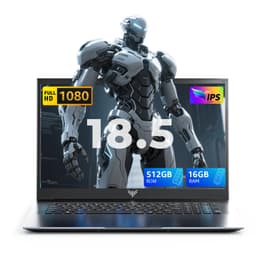
The ACEMAGIC represents an unconventional choice for users willing to sacrifice some portability in exchange for an exceptionally large screen and impressive specifications. The 18.5-inch Full HD display is the largest in this entire comparison, transforming work into a genuinely comfortable experience for anyone with vision concerns or those performing detailed design work. The Intel N150 processor operating up to 3.6GHz provides meaningful performance uplift over entry-level Celeron chips, particularly for multitasking and everyday applications. The 16GB RAM and 512GB SSD combination exceeds most competitors in this price range, creating a machine capable of handling light video editing, graphic design, and programming without frustration. The keyboard is surprisingly pleasant for an ACEMAGIC product, with good key travel and responsive feedback.
This machine appeals specifically to home office workers who rarely move their laptop, designers requiring large workspaces without monitor investment, and anyone with accessibility requirements making larger screens essential. The 18.5-inch dimensions inevitably impact portability, weighing 2.2 kg, which restricts commuting practicality. The N150 processor, whilst improved over Celeron alternatives, still trails the i5 and Ryzen chips in raw horsepower. Battery life reaches approximately 7 hours, acceptable for stationary use but limiting for travel scenarios. The integrated graphics prevent serious gaming or 3D rendering, though casual gaming is achievable. For those willing to sacrifice portability and absolute performance for workspace comfort and generous specifications at moderate pricing, this represents compelling value.
Pros
- 18.5-inch display is largest in this comparison, exceptional for design and detail work
- 16GB RAM and 512GB SSD exceed most competitors at this price
- N150 processor provides meaningful performance over Celeron alternatives
- Pleasant keyboard with good travel and feedback
Cons
- 2.2kg weight and large dimensions eliminate commuting practicality
- N150 processor trails i5/Ryzen chips in demanding applications
- 7-hour battery life unsuitable for full working days away from power
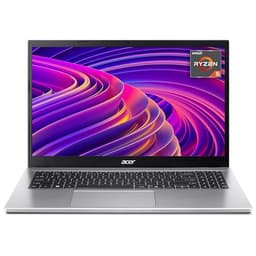
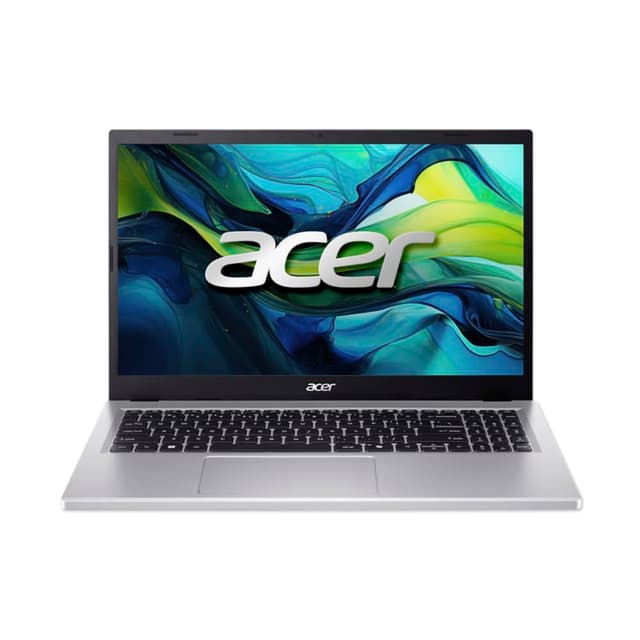
The Acer Aspire Go 15 with AMD Ryzen 5 5625U delivers genuinely impressive performance, representing one of the strongest value propositions for users needing consistent processing power. The Ryzen 5 processor significantly outperforms Intel's i5 competitors from earlier generations and handles multitasking, video editing, and programming with impressive fluidity. The 16GB RAM and 512GB SSD provide generous specifications for a laptop at this price point, and the Radeon graphics handle light gaming and video editing at respectable quality settings. The 15.6-inch Full HD display offers comfortable working real estate without excessive weight, whilst integrated graphics deliver sufficient performance for most everyday tasks. The build quality feels solid with an aluminium chassis, and thermal management keeps fan noise minimal during routine work.
This laptop suits content creators, programmers, students in technical fields, and anyone needing consistent multitasking performance without stretching budgets to premium pricing. The Ryzen processor excels with parallel tasks, making it ideal for those running multiple applications simultaneously. Battery life reaches approximately 10 hours under mixed usage, extending to full working days. The keyboard is competent though unremarkable, and the trackpad provides adequate precision for everyday use. However, the 5625U is beginning to age compared to newer generation Ryzen 6000 and 7000 series chips. For those prioritising real-world performance and seeking strong value without cutting corners on RAM or storage, this represents an intelligent purchase that will remain capable for several years.
Pros
- Ryzen 5 5625U processor delivers excellent multitasking and creative application performance
- 16GB RAM and 512GB SSD prevent bottlenecking in productivity workflows
- 10-hour battery life eliminates anxiety about midday power
- Solid aluminium chassis with minimal thermal noise
Cons
- 5625U processor is aging compared to latest Ryzen 6000/7000 series alternatives
- Trackpad lacks the precision refinement of premium machines
- 15.6-inch display at 1.75kg begins approaching the weight limit for true portability
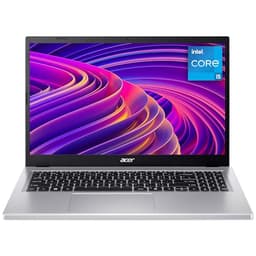
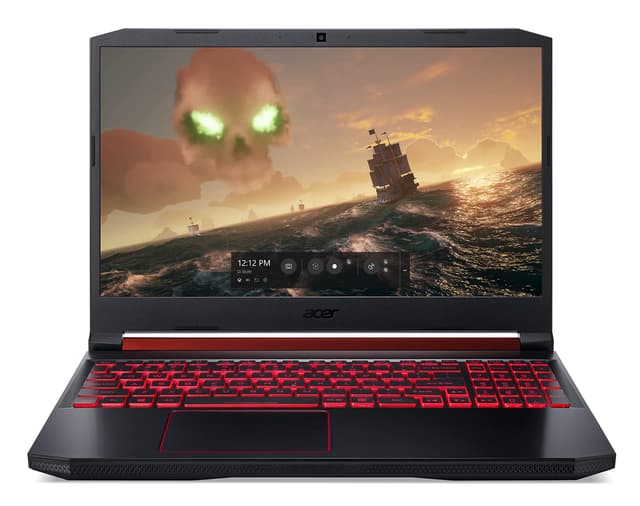
The Acer Aspire Go 15 with Intel Core i5-13420H offers substantial processing power traditionally reserved for gaming and workstation laptops, now available at budget pricing. The 13th generation Intel H-series processor significantly outperforms the U-series chips in competing budget machines, making this capable of demanding video editing, 3D modelling, and serious gaming at respectable settings. The 8GB RAM is adequate though not generous, potentially limiting extreme multitasking scenarios, whilst the 512GB SSD provides sufficient space for most users. The 15.6-inch Full HD display offers comfortable viewing, and the integrated Iris graphics deliver sufficient performance for recreational gaming and design work. The build quality is robust with good thermal management despite the more powerful processor.
This machine appeals to gaming enthusiasts, video editors, and 3D modellers who refuse to compromise on performance despite budget constraints. The H-series processor represents a genuine stepping-up in capability compared to U-series alternatives, handling sustained heavy workloads without thermal throttling. Battery life suffers compared to more efficient U-series chips, reaching approximately 6 hours, which requires consideration for portable use patterns. The higher performance generates more heat and fan noise under load, which some users find distracting. For those willing to sacrifice battery efficiency and accept moderately higher fan noise in exchange for substantial performance gains, this provides remarkable value and will remain capable for demanding tasks for several years. The compromise comes primarily in U-series efficiency rather than overall build quality.
Pros
- Core i5-13420H H-series processor outperforms most budget competitors by significant margin
- Capable of serious gaming, video editing and 3D work at respectable settings
- 512GB SSD and solid build quality provide confidence in durability
- Exceptional value for processing power at this budget level
Cons
- 6-hour battery life unsuitable for full working days away from power
- 8GB RAM limits extreme multitasking alongside demanding applications
- More powerful processor generates higher fan noise under sustained load
Buying Guide
Selecting a lightweight laptop requires understanding your priorities, as the perfect machine for a university student differs significantly from one required by a video editor or office worker. Consider your primary location: machines under 1.5 kg genuinely improve mobility, whilst heavier models become increasingly burdensome during regular commutes. Processor choice matters more than clock speeds suggest, with modern efficiency cores delivering practical performance whilst consuming minimal battery power. For creative work including video editing, photography or 3D design, prioritise 16GB RAM and dedicated graphics if possible. For document editing, email and web browsing, 8GB RAM suffices though 16GB provides future-proofing. Storage capacity determines how frequently you'll need external drives; 512GB suits most users whilst 256GB requires discipline with large media files.
Display size creates a genuine trade-off between workspace comfort and portability. Under 13 inches feels cramped for extended work, whilst 15.6 inches stretches the practical weight limit for commuting. The 14-inch sweet spot balances both concerns effectively. Screen resolution matters less than refresh rate once you exceed 1080p, though high-resolution displays demand more battery power. Examine battery claims sceptically, as manufacturer figures often exceed real-world results by 30 to 40 percent. Expect approximately 80 percent of claimed figures under typical mixed usage. Build materials influence durability and feel; all-metal chassis cost more but suggest longer lifespan and better thermal management than plastic alternatives. Windows machines offer superior software compatibility, whilst MacBooks deliver refined experiences within the Apple ecosystem.
Budget allocation requires strategic thinking about which components deliver practical benefits versus impressive specifications. Upgrading from 8GB to 16GB RAM costs £50 to £100 and genuinely improves multitasking, representing strong value. Upgrading from 256GB to 512GB SSD costs similarly and prevents constant storage anxiety. Processor upgrades often deliver marginal improvements at disproportionate cost unless you specifically need the performance. Touchscreen capabilities appeal to creative professionals but add cost without practical benefit for conventional users. Consider your upgrade timeline; investing in adequate RAM and storage today costs less than upgrading later. Warranty coverage matters with budget machines, as repair costs can equal replacement expenses. Finally, assess whether specific software requirements demand Windows or macOS, as this choice eliminates half your options immediately.
The Acer Aspire Spin 14 ASP14-52MTN emerges as the overall winner, delivering the optimal combination of modern processing architecture, genuine lightweight portability, convertible versatility and future-proof specifications within the £1000 budget. The Intel Core Ultra 5 115U processor brings efficiency improvements and AI acceleration benefits that mainstream machines lack, whilst the 2-in-1 design provides flexibility justifying the premium over conventional clamshells. Exceptional 12-hour battery life combined with 1.5 kg weight delivers genuine practicality for mobile workers and creative professionals alike.
However, the Microsoft Surface Laptop 3 represents the superior choice for budget-conscious buyers prioritising core performance and proven reliability. The exceptional value, genuine portability and excellent build quality provide confidence that rarely appears at budget pricing. For students and office workers requiring no specialised features, this remains the definitive recommendation despite older generation processing.
The correct choice depends on personal priorities: invest extra in the Acer for convertible flexibility and modern processing, or select the Surface for unmatched value and proven longevity. Both deliver substantially more capability than competitors at their respective price points, and either machine will provide satisfied ownership for several years. Avoid the Lapbook unless screen size becomes paramount, and consider the i5-13420H Acer Go only if gaming or video editing features prominently in your usage patterns.