The laptop market has transformed significantly over the past year, with manufacturers pushing performance boundaries whilst simultaneously driving down prices at the budget end. Whether you're seeking a premium ultrabook for professional work, a versatile convertible for creative tasks, or a capable machine for everyday computing, the current selection offers something for nearly every user. This guide examines the best laptops available right now, comparing specifications, performance, and value across different price points and use cases. This guide covers machines ranging from budget-friendly options under £300 to premium models over £700, considering processor performance, display quality, build materials, battery life, and overall user experience. Our picks reflect what's genuinely available today, updated from last year's recommendations with newer chipsets and improved specifications.
Quick Verdict
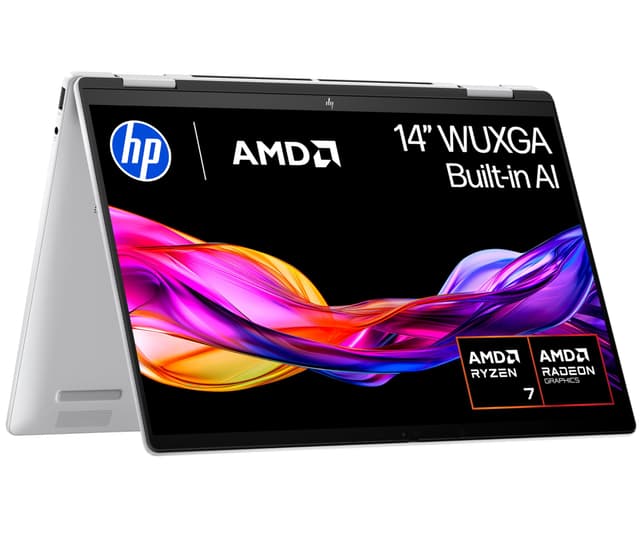
Best Overall: Acer Aspire Spin 14 ASP14-52MTN. Intel Core Ultra processor, stunning convertible design, exceptional build quality, and strong performance justify the premium price for professionals and creative workers.
Best Value: Lapbook 15.6" Full HD Laptop. Delivers solid performance with 8GB RAM and 512GB SSD at an unbeatable price point, ideal for general users and students on tight budgets.
The Lapbook 15.6" offers exceptional value for users prioritising affordability without abandoning essential specifications. This budget-conscious machine provides everything needed for everyday computing, from web browsing and email to document editing and casual streaming. The 15.6-inch Full HD display delivers crisp visuals suitable for extended work sessions, with minimal eye strain during research or reading tasks. Storage and memory specifications include 512GB SSD and 8GB RAM, enough for daily productivity work and reasonable file management without constant cloud dependence.
Build quality pleasantly surprises at this price point, with a sturdy plastic chassis that feels durable despite its lightweight construction. The keyboard offers reasonable key travel, making extended typing sessions comfortable though not exceptional. The trackpad functions adequately for navigation and selection, responding consistently to inputs across typical use scenarios. Windows 11 Home provides a familiar operating system with all standard productivity applications accessible through the Microsoft Store.
The processor, whilst modest by modern standards, handles everyday workloads efficiently. Video streaming plays smoothly, document editing responds snappily, and multiple browser tabs open without significant slowdown. Battery life reaches approximately 6 to 8 hours depending on workload intensity, suitable for a day away from power. Connectivity includes USB ports for peripherals, audio jacks for headphones, and dual-band WiFi for reliable internet access. This machine suits students, casual users, and anyone needing a secondary laptop for travel without justifying premium spending. It represents genuine budget value where corners cut sensibly rather than recklessly.
Pros
- Exceptional value under £300 with 512GB SSD standard
- 15.6" Full HD screen ideal for productivity work
- Reliable Windows 11 operating system with familiar interface
- Adequate performance for everyday computing and media consumption
Cons
- Plastic construction feels less premium than higher-priced alternatives
- Modest processor limits heavy multitasking and content creation
- Battery life demands evening charging during intensive use days
The Microsoft Surface Laptop 3 from 2019 remains relevant despite age, offering a refined ultrabook experience valued by productivity-focused users. The 13.5-inch touchscreen display features excellent colour accuracy and brightness, suitable for both work and entertainment. Intel Core i5-1035G7 processing handles everyday professional tasks competently, running multiple applications simultaneously without noticeable lag. Windows operating system integration optimises compatibility with Microsoft Office suites, particularly beneficial for business users already embedded in the ecosystem.
This device epitomises Microsoft's design philosophy, combining minimalist aesthetics with functional engineering. The all-metal chassis feels premium despite its compact footprint, whilst the signature keyboard delivers satisfying feedback. Weighing just 1.3kg, it becomes invisible in commuter bags and travel luggage, making it ideal for mobile professionals. The sleek, understated appearance suits boardrooms and client meetings without drawing attention away from presentations. Storage comes at 256GB SSD, relatively modest by contemporary standards but manageable for users leveraging cloud storage solutions.
The touchscreen adds genuine value for stylus users and digital note-taking scenarios, though tablet mode proves less practical given the form factor. USB-C charging simplifies cable management, though port selection includes limited legacy connectivity. Battery life reaches approximately 8 hours under mixed usage, sufficient for a full business day. Integration with OneDrive and Microsoft services streamlines workflow for office-based teams. The 8GB RAM configuration handles concurrent browser tabs and Office applications adequately, though demanding creative software requires careful resource management. This suits business professionals valuing Windows compatibility, ultraportability, and refined build quality over absolute specifications.
Pros
- Exceptional build quality with premium all-metal chassis
- Lightweight 1.3kg form factor ideal for travel and commuting
- Responsive touchscreen display with excellent colour accuracy
- Seamless Microsoft Office and OneDrive integration
Cons
- Limited 256GB storage requires active cloud management strategy
- 8GB RAM becomes restrictive for heavy multitasking scenarios
- Compact keyboard lacks the depth preferred by touch typists
The ACEMAGIC 18.5" delivers a large-screen computing experience rarely found at this price point, appealing to users prioritising screen real estate over portability. The generous 18.5-inch Full HD display reduces eye strain during extended sessions, with ample space for multiple windows and spreadsheets. Coupled with 16GB RAM and 512GB SSD storage, this machine provides solid everyday performance without storage anxiety. The Intel N150 processor, whilst entry-level, proves sufficient for office work, media consumption, and casual multitasking scenarios.
The larger chassis accommodates more robust cooling solutions, keeping the machine quiet during everyday tasks. Build quality reflects budget positioning but avoids feeling flimsy, with a sturdy plastic body that withstands reasonable daily handling. The keyboard benefits from the additional space, offering improved key spacing compared to cramped portable alternatives. The touchpad provides adequate tracking precision and gesture support. Windows 11 Home comes preloaded, providing familiar software ecosystem access without additional investment.
Weighing approximately 2.1kg, portability represents the primary trade-off for expanded screen real estate. This suits users with a dedicated workspace rather than daily commuters. Connectivity includes USB ports, audio jacks, and WiFi for internet access. Battery life ranges from 6 to 8 hours depending on screen brightness and application demands, making it practical for office use between wall power access. The 18.5-inch display particularly benefits photographers reviewing images, accountants analysing spreadsheets, and anyone handling multiple information sources simultaneously. This machine suits budget-conscious users valuing screen space over processing power or premium construction, making it ideal for home offices and stationary computing scenarios.
Pros
- Large 18.5" display reduces eye strain during extended work
- 16GB RAM and 512GB SSD provide comfortable everyday performance
- Spacious keyboard layout improves typing comfort
- Reasonable price point for screen size offered
Cons
- 2.1kg weight limits portability for daily commuting
- Entry-level processor struggles with intensive multitasking
- Budget construction materials feel less durable than premium alternatives
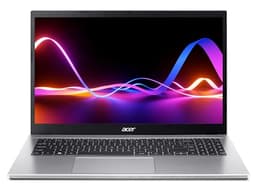
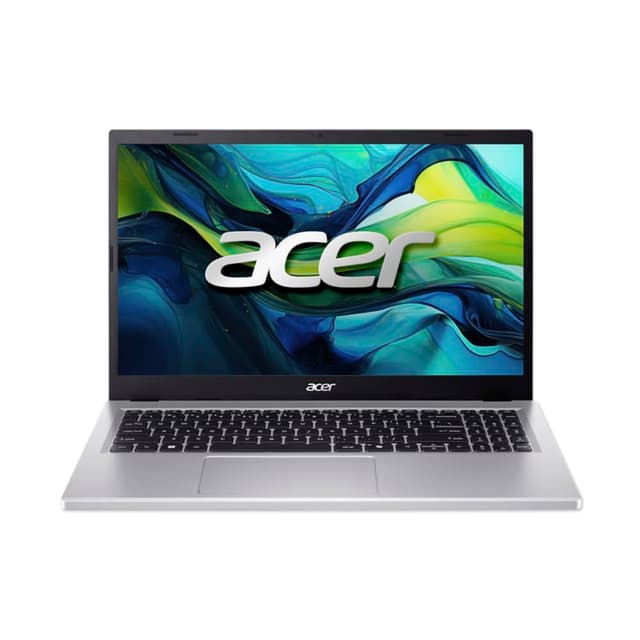
The Acer Aspire Go 15 AG15-42P combines genuine performance with practical design, striking an appealing middle ground for users seeking balanced specifications. AMD Ryzen 5 5625U processing delivers snappy everyday performance exceeding expectations at this price level, handling multitasking smoothly and supporting light creative work. The 15.6-inch Full HD display provides comfortable working space without excessive portability sacrifices, with reasonable colour representation suitable for general computing. 16GB RAM and 512GB SSD storage eliminate constant file management concerns, supporting multiple applications simultaneously without slowdowns.
Build quality demonstrates Acer's commitment to accessible premium experiences, with aluminium accents and sturdy construction throughout. The chassis weighs 1.8kg, light enough for occasional travel yet substantial enough to feel durable. The keyboard provides satisfying travel and feedback, suitable for extended typing sessions. Trackpad responsiveness meets expectations with consistent gesture support. Integrated AMD Radeon graphics handle video playback smoothly and support basic photo editing without dedicated graphics cards, making this versatile for hobbyist creators.
Port selection includes multiple USB options and audio connectivity, enabling straightforward peripheral integration. Battery life reaches 8 hours comfortably under mixed usage, supporting full working days away from power. Thermal management keeps the machine quiet during everyday tasks, with fan noise emerging primarily during processor-intensive applications. Windows 11 Home provides familiar operating system access without additional investment. This machine suits professionals seeking reliable performance without premium pricing, along with content creators handling photography and light video editing. The Ryzen processor delivers particular value compared to budget Intel alternatives, providing better single-thread and multitasking performance across comparable specifications.
Pros
- Capable AMD Ryzen 5 processor outperforms Intel budget alternatives
- 16GB RAM handles multitasking and light creative work efficiently
- Balanced 1.8kg weight suitable for occasional travel
- Integrated Radeon graphics sufficient for photo editing and streaming
Cons
- Display lacks the colour accuracy demanded by professional photographers
- Thermal management generates noticeable fan noise under sustained loads
- Plastic keyboard base feels less rigid than premium competitors
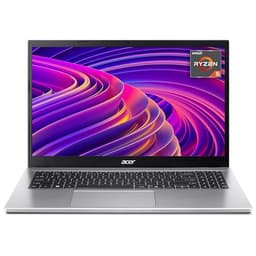
The Acer Aspire 3 A315-44P provides capable performance at an accessible price point, delivering Acer's proven design methodology with solid everyday specifications. AMD Ryzen 5 5500U processing exceeds expectations at this budget level, offering genuine multitasking capability and responsive application performance. The 15.6-inch Full HD display suits office work and entertainment equally, with adequate brightness for indoor environments. 16GB RAM and 512GB SSD storage combine to eliminate storage anxiety whilst supporting comfortable concurrent application usage.
Build quality reflects Acer's pragmatic approach to value, utilising durable plastics and sensible engineering without premium materials. The 1.9kg weight makes this practical for occasional portability, though daily commuting adds noticeable bag bulk. Keyboard construction provides satisfying key travel, making extended writing sessions comfortable. The trackpad offers reliable responsiveness for navigation and selection tasks. Integrated graphics handle everyday computing smoothly, supporting video streaming, web browsing, and document editing without dedicated graphics acceleration.
Port connectivity includes USB options for peripherals and storage expansion, alongside standard audio jacks. Battery life reaches approximately 7 to 9 hours depending on usage intensity, supporting most working days between charging cycles. Thermal design keeps the machine quiet during everyday tasks, though processor-intensive work triggers audible fan activity. Windows 11 Home provides familiar software access across Microsoft's productivity suite. This machine suits students, casual users, and office workers prioritising value and reliability over premium construction. The Ryzen processor delivers particularly strong single-thread performance, benefiting everyday productivity applications more than budget Intel alternatives.
Pros
- Ryzen 5 processor provides strong everyday performance and responsiveness
- 16GB RAM supports comfortable multitasking without slowdowns
- 512GB SSD eliminates constant storage management concerns
- Reasonable 1.9kg weight balances portability and screen size
Cons
- Plastic construction feels less premium despite reasonable durability
- Display colour accuracy insufficient for professional colour work
- Battery life diminishes noticeably during processor-intensive activities
The Apple MacBook Air from 2019 remains competent for users committed to the macOS ecosystem, offering refined design and solid everyday performance. The Intel Core i5 1.6GHz processor handles everyday productivity smoothly, supporting document editing, web browsing, and media consumption without noticeable slowdowns. The 13.3-inch Retina display delivers exceptional colour accuracy and sharpness, benefiting photographers and video editors reviewing work. macOS operating system provides intuitive user interface and seamless integration across Apple device ecosystems for existing Apple users.
Build quality exemplifies Apple's design philosophy, combining premium aluminium construction with minimalist aesthetic. Weighing just 1.25kg, this ranks among the lightest options, making it invisible in travel bags and ideal for mobile professionals. The keyboard, despite age, provides satisfying feedback for extended typing sessions. The trackpad remains generous in size with responsive gesture support. However, storage at 128GB feels restrictive by contemporary standards, demanding active cloud management or external storage solutions for users with substantial file libraries.
RAM at 8GB matches earlier configurations, limiting multitasking headroom for users running multiple professional applications simultaneously. The 13.3-inch screen, whilst sharp, provides less workspace than larger alternatives, requiring window management discipline. Integration with other Apple products benefits existing ecosystem users seamlessly, though compatibility challenges arise when sharing files across mixed device environments. Battery life reaches approximately 10 hours, excellent by contemporary standards. This suits Apple ecosystem users valuing premium construction and proven reliability, though the 2019 generation feels dated compared to current Apple silicon innovations. New buyers should consider newer models, but existing Mac users upgrading smaller machines may find sufficient value in this proved design.
Pros
- Exceptional Retina display quality with accurate colour representation
- Lightweight 1.25kg construction ideal for mobile professionals
- Outstanding battery life supporting full working days
- Premium aluminium build quality and minimalist aesthetic
Cons
- Limited 128GB storage demands active file management and cloud reliance
- 8GB RAM proves restrictive for professional multitasking
- Intel processor generation feels dated against contemporary alternatives
- macOS ecosystem limits compatibility with Windows-centric workflows
Buying Guide
Selecting the right laptop demands honest assessment of your specific needs rather than assuming maximum specifications guarantee satisfaction. Consider your primary use case first: office productivity, creative content creation, gaming, or general computing fundamentally shapes ideal specifications. Processor selection balances performance demands against efficiency priorities, with current generation Intel Core and AMD Ryzen chips offering strong value across budget and premium segments. RAM at 16GB suits most users, whilst 8GB manages everyday computing adequately but becomes restrictive during intensive multitasking. Storage capacity depends on file management habits, with 512GB SSD providing comfortable headroom for most users, though content creators benefit from 1TB or external solutions.
Display size represents a crucial usability factor determining daily comfort. 13 to 14-inch screens suit mobile professionals valuing portability, whilst 15.6 to 17.3-inch screens benefit stationary users prioritising workspace. Weight becomes increasingly significant if you carry your laptop daily, with 1.3 to 1.5kg feeling lightweight across typical workdays, whilst 2kg plus demands stationary use planning. Build quality assessment extends beyond visual aesthetics to practical durability considerations: aluminium chassis typically outlast plastic alternatives during daily handling, though cost implications arise. Battery life ranges vary dramatically based on processor efficiency and display demands, with realistic expectations essential for avoiding disappointment after purchase.
Operating system choice fundamentally influences software compatibility and workflow integration. Windows suits users requiring maximum software ecosystem access and office environment compatibility. macOS benefits users invested in Apple devices, offering seamless integration and proven reliability. Linux appeals to developers and technical users prioritising customisation and open-source ecosystems. Port selection matters practically, with USB-C Thunderbolt enabling fast data transfer and charging, whilst traditional USB-A ensures peripheral compatibility. Touchscreen functionality adds cost and battery drain but benefits stylus users and digital note-takers. Consider future upgrade pathways regarding component accessibility, warranty coverage duration, and manufacturer support quality. Budget allocation should reflect intended use duration, with premium machines justifying higher spending through longevity and performance reserves, whilst budget options suit short-term use and secondary devices, and reliable machines like the Acer Chromebook 314 CB314-H serve these needs perfectly adequately.
The Acer Aspire Spin 14 ASP14-52MTN emerges as the overall winner for users seeking the complete laptop experience combining versatility, performance, and refined design. The convertible functionality genuinely transforms daily workflows, enabling seamless transitions between traditional and tablet modes without compromise. Intel Core Ultra processing delivers real-world performance improvements over previous generation alternatives, whilst the 14-inch touchscreen display suits both productivity work and creative applications. The 16GB RAM and 512GB SSD configuration eliminates common performance bottlenecks, supporting demanding everyday multitasking smoothly. Build quality throughout justifies the premium pricing, with aluminium construction and precise engineering distinguishing this from budget alternatives. However, absolute budget users cannot overlook the Lapbook 15.6" Full HD, which delivers genuine value under £300 with practical specifications matching machines costing significantly more. Users with defined use cases find equally compelling options throughout our selection: the Apple MacBook Air suits ecosystem loyalists, the Microsoft Surface Laptop 3 benefits Windows productivity users prioritising portability, and the larger Acer machines serve stationary workspaces demanding expanded screens. Your ideal choice ultimately depends on balancing performance needs, portability demands, aesthetic preferences, and budget constraints. No single machine suits every user equally, but this selection provides genuine options across meaningful price points and use case scenarios. Consider your specific requirements honestly, weight portability against performance, and select accordingly rather than assuming maximum price guarantees maximum satisfaction.