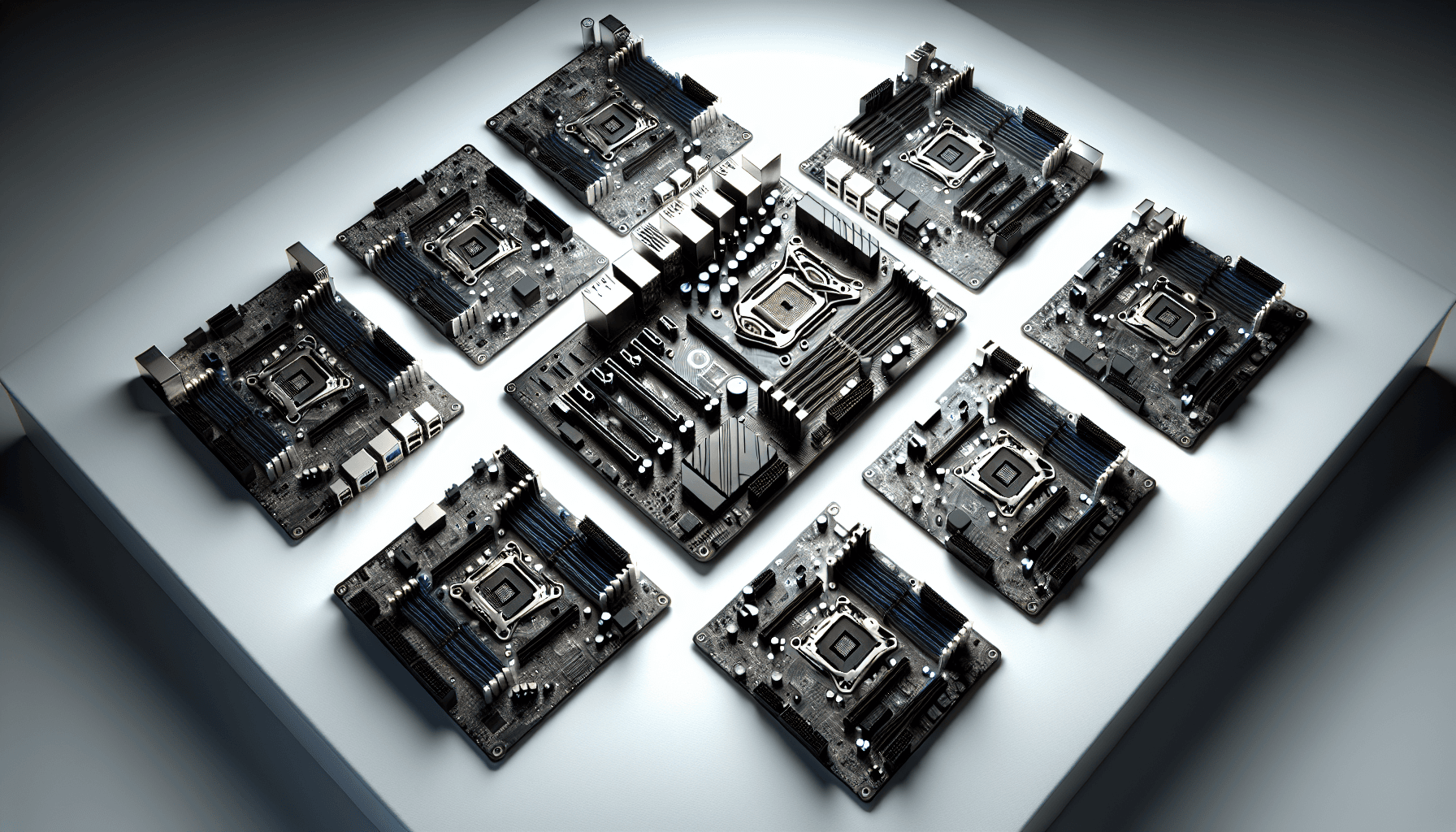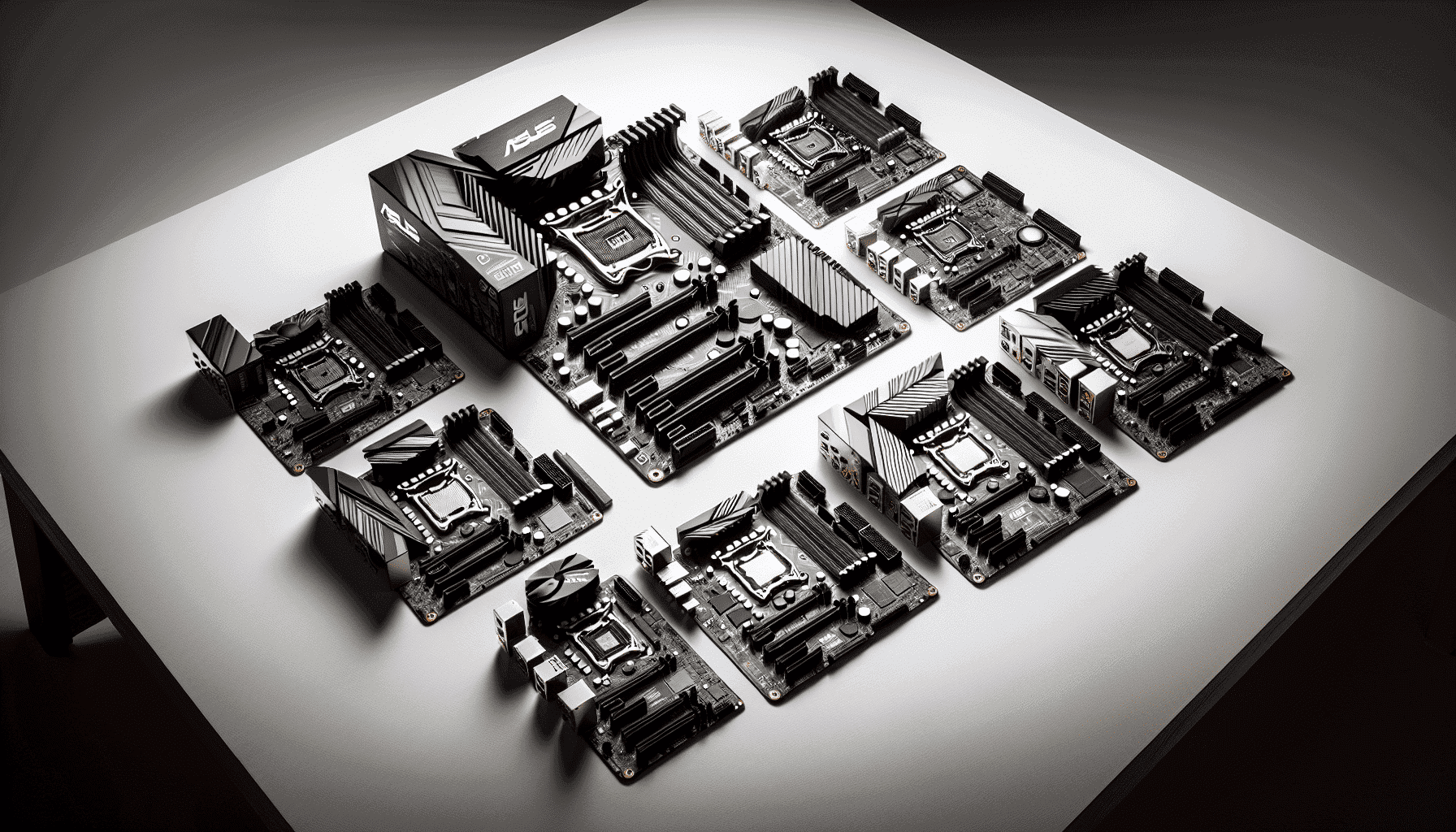
Picking a CPU is the fun part. Picking the motherboard that goes with it? That's where most people's eyes glaze over and they either panic-buy the cheapest thing on Amazon or spend three times what they need to. The ASUS PRIME B450M-K II sits right in the middle of that chaos, promising a sensible AM4 platform for Ryzen builds without asking you to remortgage your house. Over 1,100 buyers have weighed in on this board, and the 4.4-star average suggests most of them didn't regret it. But averages can hide a lot, so let's actually look at what you're getting.
The B450M-K II is a Micro-ATX board built around AMD's B450 chipset. That already tells you a fair bit. B450 is the budget-friendly tier of AMD's AM4 platform, sitting below X570 and X470 in terms of raw features. But for the majority of Ryzen builds, especially anything using a Ryzen 3, 5, or even a modest Ryzen 7, it's genuinely all you need. The question isn't whether B450 is good enough in isolation. The question is whether this specific board does B450 well, or whether it cuts corners in the places that actually matter.
At £88.16 (Price checked 12:15, 3 Oct 2026, UK time), this sits firmly in the budget bracket, under £120, which is the price tier where manufacturers start making uncomfortable compromises. Some of those compromises are fine. Some will bite you six months in. So here's the honest breakdown of where the PRIME B450M-K II lands.
Core Specifications
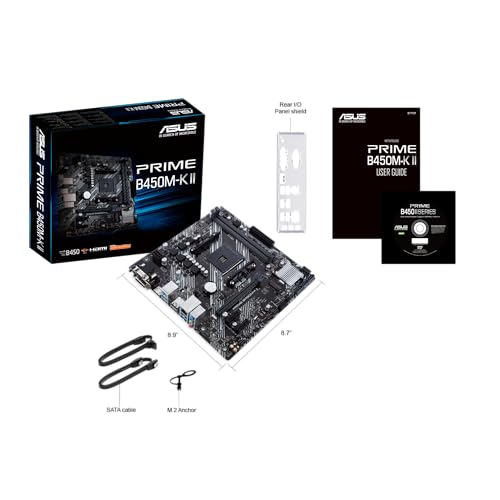
The ASUS PRIME B450M-K II is a Micro-ATX board, which means it's physically smaller than a full ATX board but still takes standard mounting in most mid-tower and smaller cases. The form factor is actually a good fit for compact builds where you don't need a wall of PCIe slots. It uses the AM4 socket, supports DDR4 memory across four slots, has one M.2 slot, and comes with six SATA ports. Rear I/O includes USB 3.2 Gen 1 connectivity and the usual audio and display outputs for Ryzen APU users.
One thing worth flagging immediately: this is a B450 board, not B550. That's not necessarily a problem, but it does matter for your upgrade path and for which Ryzen CPUs you can use out of the box. More on that in the CPU compatibility section. The board supports up to 128GB of DDR4 RAM across four slots, which is frankly overkill for anyone not running a workstation, but it's a nice ceiling to have.
The spec table below covers the key numbers. Nothing here is going to shock you, but it's worth reading through before you commit. A lot of compatibility headaches come from people not checking whether their M.2 drive is NVMe or SATA, or whether their case headers match up. The B450M-K II is fairly standard on all of this, which is actually a point in its favour.
| Specification | Detail |
|---|---|
| Socket | AMD AM4 |
| Chipset | AMD B450 |
| Form Factor | Micro-ATX |
| Memory Slots | 4 x DDR4 |
| Max Memory | 128GB |
| M.2 Slots | 1 x M.2 (PCIe / SATA) |
| SATA Ports | 6 |
| PCIe x16 Slots | 1 |
| USB Rear I/O | USB 3.2 Gen 1 (Type-A) |
| LAN | Realtek Gigabit Ethernet |
| Audio | Realtek ALC887 |
| Current Price | £88.16 (Price checked 12:15, 3 Oct 2026, UK time) |

Socket and CPU Compatibility
The AM4 socket is one of AMD's great gifts to budget builders. It's been around since 2017 and supports everything from the original Ryzen 1000 series right up to Ryzen 5000 series chips, including the 5600X, 5800X, and even the 5950X if you're feeling ambitious. That's a huge range of CPU options, and it means the second-hand market is absolutely stacked with compatible processors at reasonable prices. If you're building on a tight budget, you can pair this board with a used Ryzen 5 3600 and have a genuinely capable machine for not a lot of money.
Now, the important bit about BIOS updates. Out of the box, the B450M-K II may not support Ryzen 5000 series CPUs without a BIOS update. This is a known issue with B450 boards in general, not specific to ASUS. If you're buying a Ryzen 5000 chip, you'll need either a compatible older Ryzen CPU to perform the update first, or you'll need to use ASUS's BIOS FlashBack feature if this board supports it (check the ASUS product page for your specific revision). Some retailers will flash the BIOS for you if you ask nicely. It's not a dealbreaker, but it's something to sort before you build, not after.
If you're using a Ryzen 3000 series chip, you're almost certainly fine out of the box. Ryzen 5000 support was added via BIOS updates across most B450 boards, and ASUS has been reasonably good about supporting this. The ASUS product page lists CPU compatibility and BIOS revision requirements, so check there before you order your CPU. This isn't the board's fault, it's just the reality of buying into a mature platform. And honestly, that maturity is part of what makes AM4 such good value right now.
Chipset Features
The AMD B450 chipset is the mid-budget tier of the AM4 platform. It sits below X570 and X470 in AMD's stack, and it has a few real limitations compared to those. You don't get PCIe 4.0 support (that's X570 territory), and the chipset-level USB and PCIe lane counts are more modest. But for most builds, none of that actually matters. If you're not running a PCIe 4.0 NVMe drive and you're not doing anything that needs masses of bandwidth, B450 is perfectly adequate.
What B450 does well is memory overclocking support. You can run XMP profiles and push DDR4 speeds beyond the stock 2133MHz that AMD CPUs default to. Getting your RAM to its rated speed (say, 3200MHz or 3600MHz) makes a noticeable difference to Ryzen performance because of how the Infinity Fabric works. B450 handles this fine. You're not going to hit the same overclocking ceiling as an X570 board, but for sensible RAM speeds, it's sorted.
The chipset also supports CPU overclocking on unlocked Ryzen chips, which is most of them. You're not going to get exotic voltage controls or the kind of granular tuning you'd find on a premium board, but you can nudge the all-core boost and set a manual frequency without too much drama. B450 is also a mature chipset at this point, which means driver support is solid, BIOS updates are stable, and there are no nasty surprises lurking. That maturity counts for more than people give it credit for.
VRM and Power Delivery
Right, this is where budget boards often fall down, and it's the section I always check first. The VRM (voltage regulator module) is what feeds power to your CPU, and a weak VRM means thermal throttling, instability, or in extreme cases, a board that simply can't sustain full load on a high-TDP chip. The B450M-K II is a budget board, and its VRM reflects that. It's not going to win any awards for phase count or MOSFET quality, and you should go in with realistic expectations.
For a Ryzen 5 3600, 5600, or similar 65W chip, the VRM here is completely fine. These CPUs don't ask much of the power delivery, and the board will handle them without breaking a sweat. Where you need to be more careful is if you're planning to run something like a Ryzen 9 5900X or 5950X, which have significantly higher TDP ratings and can stress a modest VRM under sustained load. The B450M-K II isn't the right board for those chips. It's not that it physically won't work, it's that you're asking a budget power delivery system to run a high-end CPU, and that's a recipe for thermal throttling and reduced longevity.
The board does include a VRM heatsink, which is good to see at this price point. Some budget boards skip it entirely, and then you've got exposed MOSFETs cooking away with no thermal management at all. The heatsink here isn't massive, but it's present and it does the job for the CPU TDPs this board is actually designed for. Stick to 65W or 95W chips and you'll be fine. Push it with a 105W or higher chip and you're taking a risk that probably isn't worth it when a B550 board with better power delivery isn't much more money.
Memory Support
Four DDR4 slots, maximum 128GB, dual-channel support. That's the headline. In practice, most people building on this board will run two sticks of 16GB (32GB total), which is the sweet spot for gaming and general use in 2026. The four-slot layout gives you room to expand later, which is always nice even if you never use it.
The board supports XMP profiles, so if you buy a kit rated at 3200MHz or 3600MHz, you can enable XMP in the BIOS and it'll run at that speed. This matters more on AMD than it does on Intel because of the Ryzen Infinity Fabric architecture. The Fabric runs at half your memory speed, so running at 3600MHz rather than the default 2133MHz can give you a meaningful performance uplift in games and CPU-heavy tasks. It's one of those tweaks that costs nothing (assuming your RAM kit already supports it) and makes a real difference.
One thing to be aware of: running four sticks of RAM at high speeds is harder than running two sticks. If you populate all four slots and try to run 3600MHz, you may hit stability issues that require dropping to 3200MHz or even 3000MHz. This isn't a B450M-K II specific problem, it's a general DDR4 dual-channel thing. If you want maximum stability and maximum speed, run two sticks in the correct slots (usually A2 and B2, but check your manual). The JEDEC DDR4 standard explains why this happens at a technical level if you're curious, but the short version is: two sticks is easier than four.
Storage Options
Six SATA ports is genuinely generous for a budget Micro-ATX board. Most people won't use more than two or three, but if you're building a NAS-adjacent machine or you've got a collection of old HDDs kicking around, having six available is handy. SATA 6Gbps across all six ports, which is the standard and exactly what you'd expect.
There's one M.2 slot, which supports both PCIe and SATA M.2 drives. That means you can use a fast NVMe drive (PCIe 3.0 x4 on B450) or a cheaper SATA M.2 drive depending on your budget. PCIe 4.0 M.2 is not available on B450, so if you've bought a Gen 4 NVMe drive, it'll still work but it'll be limited to Gen 3 speeds. Not the end of the world, but worth knowing. One M.2 slot does mean you're limited to one fast storage device unless you use SATA, which is fine for most builds but worth planning around.
There's no M.2 heatsink listed in the verified specs for this board, which is worth noting if you're running a drive that runs hot. Most budget NVMe drives don't generate huge amounts of heat, but if you're doing sustained writes (video editing, large file transfers), a drive without thermal management can throttle. An aftermarket M.2 heatsink is cheap and easy to add if needed. The six SATA ports and single M.2 slot combination gives you plenty of flexibility for a typical home or gaming build, and the storage configuration is one of the stronger points of this board at the price.
Expansion Slots and PCIe
One PCIe x16 slot for your GPU. That's the main event, and it runs at PCIe 3.0 x16 from the CPU directly. For gaming, this is completely fine. Even the fastest current GPUs don't saturate PCIe 3.0 x16 bandwidth in any meaningful way, so you're not leaving performance on the table by not having PCIe 4.0. The slot is reinforced, which helps with heavier graphics cards and reduces the risk of the GPU sagging and stressing the slot over time.
Beyond the primary x16 slot, you'll have additional smaller PCIe slots for things like sound cards, capture cards, or Wi-Fi adapters. The exact configuration depends on the board revision, but Micro-ATX boards typically offer one or two additional slots. For most people, the primary x16 slot is all that matters, and everything else is a nice-to-have. If you need a dedicated Wi-Fi card, a PCIe x1 slot will handle that without any fuss.
One thing to be aware of with B450 is that the chipset provides fewer PCIe lanes than X570, so if you're running multiple NVMe drives and a high-bandwidth GPU simultaneously, you can hit bandwidth limitations. For a typical gaming rig with one GPU and one NVMe drive, this is a non-issue. It only becomes relevant if you're building a workstation with lots of high-bandwidth peripherals, and if that's your use case, you probably shouldn't be buying a budget B450 board anyway. The expansion slot layout here is sensible and well-matched to what this board is actually for.
Connectivity and Rear I/O
The rear I/O on budget boards is always a bit of a compromise, and the B450M-K II is no exception. You get USB 3.2 Gen 1 Type-A ports, which is USB 3.0 in old money, and USB 2.0 ports for legacy devices. There's no USB Type-C on the rear I/O, which might bother you depending on your peripherals. The front panel USB 3.0 header is present for cases that have front-panel USB 3.0 ports.
For display output, if you're using a Ryzen APU (one of the G-series chips with integrated graphics), there's a video output on the rear I/O. If you're using a dedicated GPU, you'll obviously use the GPU's outputs instead and the onboard video is irrelevant. The audio stack is a Realtek ALC887, which is a basic but functional codec. It'll drive headphones and speakers fine. Audiophiles will want a dedicated DAC regardless of what motherboard they buy, but for gaming headsets and standard desktop speakers, the onboard audio is perfectly adequate.
The rear I/O panel is a bit sparse compared to mid-range boards, but that's expected at this price. What you get covers the basics: USB, audio, LAN, and video output for APU users. What's missing compared to pricier boards includes things like USB Type-C, higher-speed USB, and any kind of BIOS FlashBack button (check the ASUS product page for your specific revision to confirm). For a budget build where most peripherals connect via USB 3.0 Type-A or USB 2.0, the rear I/O does the job. Just don't expect the kind of port density you'd find on a £88.16 (Price checked 12:15, 3 Oct 2026, UK time)+ board.
WiFi and Networking
The B450M-K II comes with a Realtek Gigabit Ethernet port. That's 1Gbps wired networking, which covers the vast majority of home internet connections. If your ISP is delivering more than 1Gbps to your house, first of all, good for you, and second, you'd want a board with 2.5Gb Ethernet. But for most people in the UK, 1Gbps wired is absolutely fine and you'll never notice the ceiling.
There's no built-in Wi-Fi on this board. If you need wireless connectivity, you'll need to add a PCIe Wi-Fi card or use a USB Wi-Fi adapter. PCIe cards are the better option if you care about latency and stability, and they're not expensive. But it's worth factoring into your budget if you're not near a router. A lot of budget boards skip Wi-Fi entirely, so this isn't unusual, just something to plan for.
The Realtek Gigabit Ethernet chip is reliable and well-supported. Realtek's networking drivers are mature and stable on both Windows and Linux, so you're unlikely to have any driver drama. For gaming, 1Gbps wired Ethernet is more than enough bandwidth and offers much lower latency than Wi-Fi. If you're a gamer who cares about ping more than wireless convenience, run a cable and you'll be sorted. The lack of 2.5Gb Ethernet is a minor downgrade compared to some competing boards, but at this price tier, 1Gb is the norm.

BIOS and Overclocking
ASUS's BIOS is, genuinely, one of the better ones in the industry. That's not marketing waffle, it's just true. The UEFI BIOS on ASUS boards has a decent layout, a usable EZ Mode for beginners, and an Advanced Mode that gives you access to the settings that actually matter without burying them six menus deep. Compared to some of the nightmarish BIOS interfaces I've seen on cheaper boards from less established brands, ASUS's implementation feels like a proper piece of software rather than an afterthought.
For overclocking, you get memory frequency and timing controls, CPU frequency adjustment, and voltage settings. The depth of control is appropriate for a B450 board. You're not going to get the kind of granular per-core tuning or extreme voltage options you'd find on a high-end X570 board, but for setting an XMP profile, nudging your all-core boost, and adjusting fan curves, the BIOS is perfectly capable. Fan Xpert 2+ is available through the ASUS software ecosystem if you prefer doing your fan curve management in Windows rather than the BIOS.
Owner reviews consistently mention that the BIOS is straightforward and that ASUS has kept it updated. That matters more than people think. A board that stops getting BIOS updates is a board that can't support new CPUs and can't fix bugs that emerge over time. ASUS has been reasonably good about B450 support, including adding Ryzen 5000 compatibility, which is more than some competitors managed. The BIOS experience here is one of the genuine strengths of choosing an ASUS board over a no-name alternative at a similar price.
Build Quality and Aesthetics
The PRIME B450M-K II is a no-nonsense looking board. Black PCB, no RGB, no fancy heatsink shrouds, no tempered glass aesthetic nonsense. If you're building a show-off rig with a windowed case and RGB everything, this board is going to look a bit plain. But if you're building something that goes under a desk or in a case where nobody's looking at the internals, the lack of bling is completely irrelevant and might actually be a point in its favour.
Build quality for a budget board is decent. The PCB feels solid, the capacitors and components around the socket area look properly laid out, and the VRM heatsink is attached properly rather than just sitting there loosely. Owner reviews don't report widespread DOA issues or early failures, which is the most important quality metric for any component. A 4.4-star average across 1,157 suggests the failure rate is low and most people who bought this board had a positive experience.
The Micro-ATX form factor is genuinely practical for most builds. It fits in a wider range of cases than full ATX, it's easier to work in for cable management, and it uses less space without sacrificing the features most people actually need. The board doesn't have debug LEDs or a POST code display, which means if something goes wrong during first boot, you're relying on the boot sequence beep codes and some troubleshooting intuition. That's normal at this price tier, but it's worth knowing before you build. Premium boards with Q-Code displays make troubleshooting a lot faster.
How It Compares
The budget AM4 motherboard market is actually pretty competitive, which is good news for buyers. The B450M-K II's main competition comes from MSI's B450M PRO-VDH MAX and the Gigabyte B450M DS3H. Both sit in a similar price bracket and target the same kind of builder: someone who wants a reliable AM4 platform without spending more than necessary.
The MSI B450M PRO-VDH MAX is probably the most direct competitor. It has a similar feature set, supports Ryzen 5000 out of the box on newer BIOS versions, and has a slightly better reputation for VRM thermals. The Gigabyte B450M DS3H is cheaper but has a more limited BIOS and fewer fan headers, which makes it less flexible for cooling setups. The ASUS board sits comfortably in the middle: better BIOS than Gigabyte, comparable features to MSI, and the benefit of ASUS's generally good long-term support track record.
If you're willing to stretch the budget slightly into the B550 tier, boards like the ASUS PRIME B550M-A become relevant. B550 gives you PCIe 4.0 for both the primary x16 slot and the M.2 slot, better USB options, and generally stronger VRMs. If you're pairing this with a Ryzen 5000 chip and plan to keep the build for four or five years, the extra spend on B550 might be worth it. But if you're on a strict budget or using an older Ryzen chip, the B450M-K II is a sensible choice.
| Feature | ASUS PRIME B450M-K II | MSI B450M PRO-VDH MAX | Gigabyte B450M DS3H |
|---|---|---|---|
| Chipset | AMD B450 | AMD B450 | AMD B450 |
| Form Factor | Micro-ATX | Micro-ATX | Micro-ATX |
| Memory Slots | 4 x DDR4 | 4 x DDR4 | 4 x DDR4 |
| M.2 Slots | 1 | 1 | 1 |
| SATA Ports | 6 | 6 | 6 |
| USB Rear (max) | USB 3.2 Gen 1 | USB 3.2 Gen 1 | USB 3.1 Gen 1 |
| LAN | Realtek 1Gb | Realtek 1Gb | Realtek 1Gb |
| BIOS Quality | Good (ASUS UEFI) | Good (MSI Click BIOS 5) | Adequate |
| RGB | No | No | No |
| Price Tier | Budget | Budget | Budget (lower) |
What Buyers Actually Say
With 1,157 and a 4.4-star average, the B450M-K II has a genuinely large sample of real-world feedback to draw from. The praise is consistent: easy installation, stable operation, good BIOS, and solid compatibility with Ryzen chips. A lot of buyers mention this as their first build board, which makes sense given the price and the relatively forgiving BIOS interface. First-time builders appreciate not having to fight the software.
The complaints, where they exist, tend to cluster around a few areas. BIOS update requirements for Ryzen 5000 compatibility come up regularly, which is a known platform issue rather than a board defect. Some buyers report confusion about which BIOS version they need for their specific CPU, which is fair criticism of how ASUS communicates this. A smaller number of reviews mention DOA units or early failures, but at the volume of reviews this board has, a few bad units is statistically expected and doesn't indicate a widespread quality problem.
The things that don't come up much in complaints are telling too. VRM failures, instability under normal loads, and BIOS bugs are largely absent from the negative reviews. That's actually a good sign. The most common motherboard horror stories involve boards that work fine for the first few months and then start causing random crashes or USB dropouts. The B450M-K II doesn't seem to have that reputation, and for a board that's been on the market long enough to accumulate over a thousand reviews, that track record means something.
Value Analysis
In the budget motherboard segment, under £120, you're making compromises. The question is whether those compromises are the right ones. The B450M-K II makes sensible trade-offs: it skips RGB, skips Wi-Fi, skips premium VRM components, and skips the fancy heatsink aesthetics. What it keeps is solid BIOS support, six SATA ports, a working M.2 slot, and ASUS's generally reliable build quality. Those are the right things to keep.
The boards it's competing against at a similar price are broadly comparable in features, but the ASUS BIOS is a genuine differentiator. If you've ever tried to configure a fan curve or set an XMP profile in a poorly designed BIOS, you'll understand why this matters. A BIOS you can actually navigate without wanting to throw your monitor out the window is worth paying a small premium for. The fact that ASUS has maintained B450 BIOS updates for Ryzen 5000 support is also a practical benefit that extends the useful life of this board.
Where the value proposition gets complicated is if you're buying new in 2026. AM4 is a mature platform, and Ryzen 5000 chips are available used for very reasonable prices. Pairing a used Ryzen 5 5600 with this board gives you a capable system at a total cost that's hard to beat. But if you're buying new components and looking at Ryzen 7000 series, you need an AM5 board instead, and this one isn't compatible. The B450M-K II is excellent value for an AM4 build, but make sure you're actually building on AM4 before you buy it.
Pros and Cons
- Good BIOS: ASUS's UEFI is genuinely one of the better ones at this price tier. Easy for beginners, capable enough for basic overclocking.
- Six SATA ports: More storage flexibility than most competing budget boards.
- Ryzen 5000 support: With the right BIOS version, you can run the best AM4 chips on a budget board.
- Stable long-term: 1,157 with a 4.4-star average and no widespread reports of instability or early failure.
- Sensible price: In the budget bracket and doesn't pretend to be something it's not.
- Budget VRM: Fine for 65W to 95W chips, but not suitable for Ryzen 9 high-TDP processors.
- No Wi-Fi: You'll need a separate card or adapter if you need wireless.
- One M.2 slot: Limits fast storage to a single NVMe drive.
- BIOS update needed for Ryzen 5000: Can be a hassle if you don't have a compatible older CPU handy.
Final Verdict
The ASUS PRIME B450M-K II is a budget board that does budget board things, but does them well. It's not going to excite anyone who's been building PCs for years, and it's not trying to. What it is, is a reliable, well-supported platform for Ryzen 3000 and 5000 series builds that won't cause you grief six months after you build it. That's more valuable than it sounds. The number of budget boards that develop mysterious instability or USB issues after a few months is higher than it should be, and the B450M-K II's track record suggests it's not one of those.
If you're building a gaming PC or a home workstation on a tight budget, pairing this board with a Ryzen 5 5600 or 5600X and 32GB of DDR4 gives you a genuinely capable system at a price that's hard to argue with. The BIOS is good, the SATA port count is generous, and ASUS's long-term support for the platform means you're not buying into a dead end. Just don't try to run a Ryzen 9 5950X on it and expect everything to be fine. Know what this board is for, buy it for that reason, and it'll serve you well.
The score is 7.5 out of 10. It loses points for the single M.2 slot, the budget VRM limiting your CPU options, and the lack of Wi-Fi. It earns those points back with a reliable track record, a good BIOS, and a price that makes sense for what you're getting. Trusted by over 1,100 builders and rated 4.4 stars, this is about as safe a budget AM4 buy as you'll find. Check the current price below and see if it fits your build.
Not Right For You?
If the B450M-K II doesn't quite fit your needs, here's where to look instead. If you want PCIe 4.0 for a fast NVMe drive or a newer GPU that benefits from Gen 4 bandwidth, step up to a B550 board. The ASUS PRIME B550M-A is a natural next step and gives you better storage bandwidth and stronger VRM options without going crazy on price. If you need AM5 for Ryzen 7000 series CPUs, you're in a completely different market and the B450M-K II isn't relevant at all. And if you want Wi-Fi built in, look at boards in the B550 range that include it, because adding a PCIe Wi-Fi card to a budget build starts to erode the cost advantage of going cheap on the motherboard.
If you want to go cheaper, the Gigabyte B450M DS3H is an option, but the BIOS is noticeably worse and the long-term support track record is less impressive. For most people, the small price difference between the Gigabyte and the ASUS is worth paying for the better software experience alone. The sweet spot for AM4 budget builds in 2026 is probably a B550 board if you can stretch to it, but if the budget is firm, the B450M-K II is the right call.
One more thing: if you're buying this board used or refurbished, check which BIOS version is installed before you pair it with a Ryzen 5000 chip. A board that's been sitting in a warehouse since 2021 might have an older BIOS that doesn't support the newer CPUs. It's a five-minute check that saves a lot of headache. The ASUS BIOS download page has all the version history and compatibility notes you need.
About This Review
This review is based on thorough research into the product specifications, analysis of owner feedback from 1,157, and comparison with competing products in the same price bracket. We don't pretend to have a test bench in a lab somewhere. What we do is read the specs carefully, understand what they mean in practice, and cross-reference that with what real owners report. The goal is to give you the information you'd get from a knowledgeable mate who's looked into this properly, not a press release dressed up as a review.
Affiliate disclosure: This article contains affiliate links. If you buy through our links, we may earn a small commission at no extra cost to you. This doesn't influence our editorial opinion. We only recommend products we'd genuinely point a friend towards.
What works. What doesn’t.
5 + 4What we liked5 reasons
- ASUS UEFI BIOS is genuinely good at this price tier, easy for beginners and capable for basic overclocking
- Six SATA ports is generous for a budget Micro-ATX board
- Ryzen 5000 series support via BIOS update extends the useful life of the platform
- Stable long-term track record backed by over 1,100 owner reviews at 4.4 stars
- Sensible budget pricing without charging for features most builders don't need
Where it falls4 reasons
- Budget VRM limits CPU options to 65W to 95W chips, not suitable for Ryzen 9 high-TDP processors
- No built-in Wi-Fi requires a separate adapter or PCIe card
- Single M.2 slot limits fast NVMe storage to one drive
- Ryzen 5000 BIOS update can be awkward without a compatible older CPU
Full specifications
12 attributes| Socket | AM4 |
|---|---|
| Chipset | B450 |
| Form factor | Micro-ATX |
| Bios flashback | false |
| M2 slots | 1 |
| MAX RAM | 64GB |
| MAX RAM GB | 64 |
| Network | 1GbE |
| Pcie 5 slots | 0 |
| Pcie slots | 1x PCIe 3.0 x16 (x16 mode), 1x PCIe 3.0 x16 (x8 mode), 1x PCIe 3.0 x16 (x4 mode) |
| RAM slots | 2 |
| RAM type | DDR4 |
If this isn’t right for you
2 options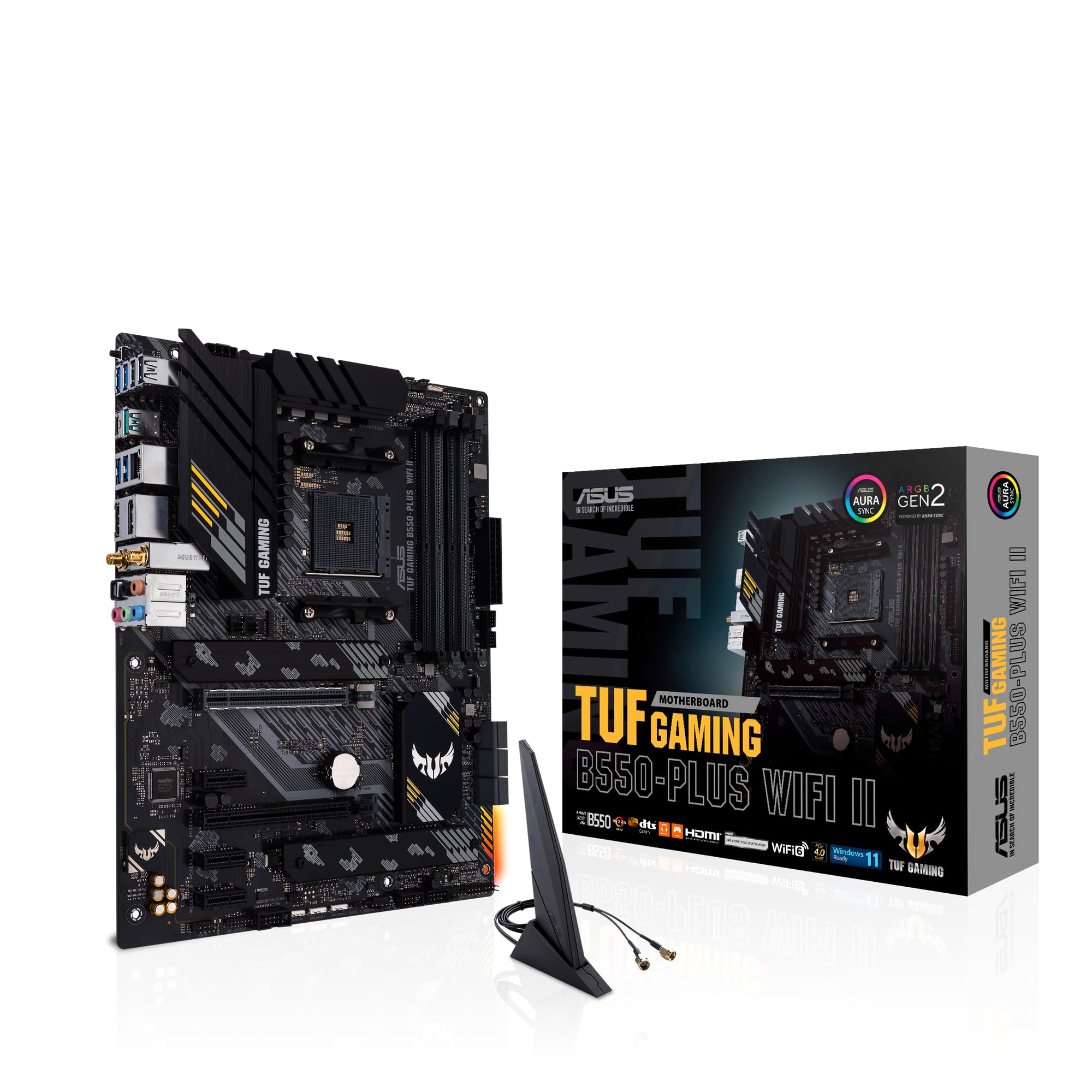 8.5 / 10
ASUS TUF Gaming B550-PLUS (WI-FI), AMD B550 (Ryzen AM4) ATX motherboard (PCIe 4.0, dual M.2, 10 DrMOS, DDR4 4400, Intel® WiFi 6, 2.5 Gb Ethernet, HDMI, DisplayPort, USB 3.2 Gen 2 Type-A and Type-C)
£105.00 · ASUS
 8.0 / 10
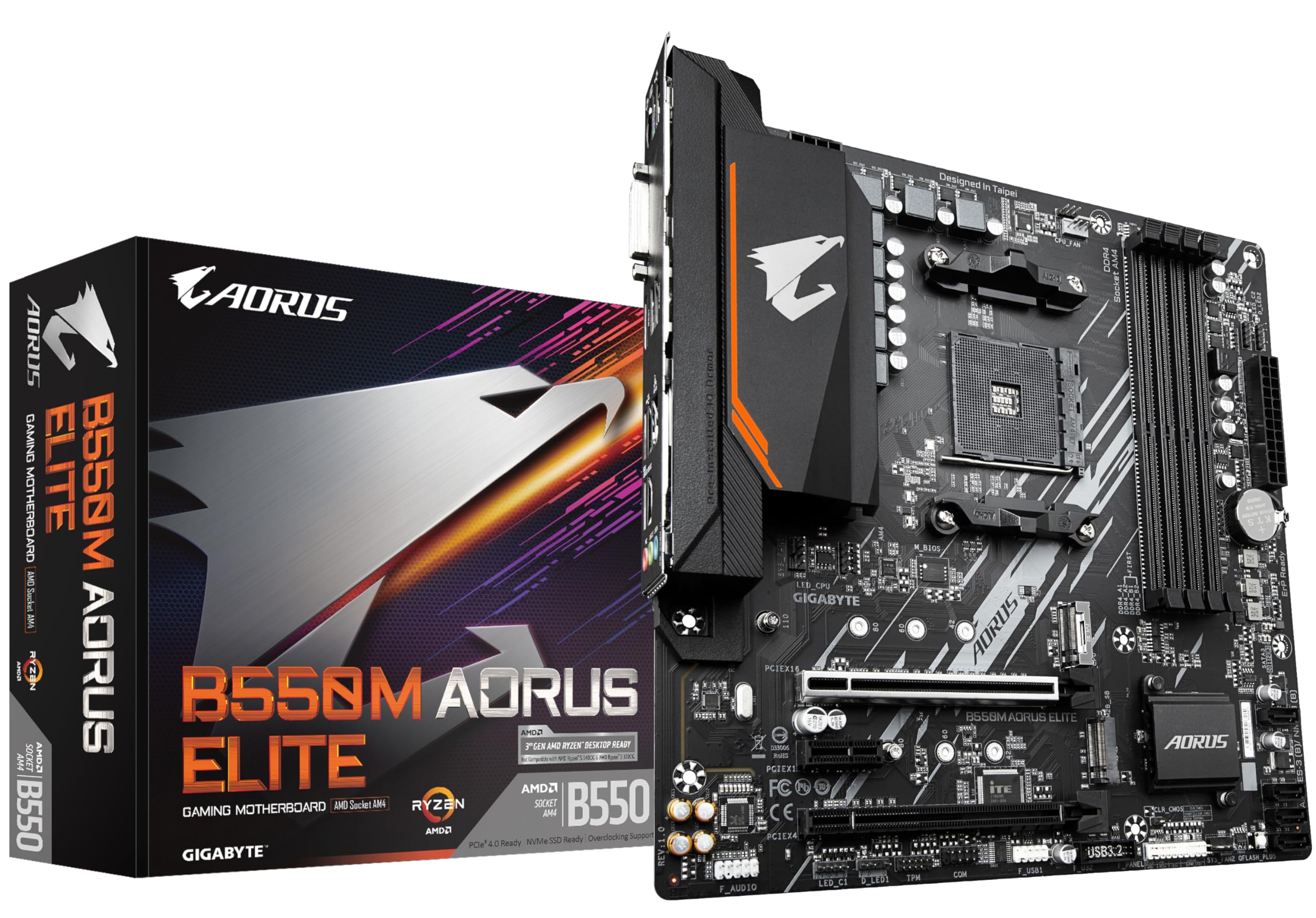
Gigabyte B550M AORUS ELITE Motherboard - Supports AMD Ryzen 5000 Series AM4 CPUs, 5+3 Phases Pure Digital VRM, up to 4733MHz DDR4 (OC), 2xPCIe 3.0 M.2, GbE LAN, USB 3.2 Gen1
£100.80 · Gigabyte
Frequently asked
5 questions01Is the Asustek computer PRIME B450M-K II ATX +2GLN+U3.2+M2 SATA6+4XDDR9 overkill for just gaming?+
Not at all. It's actually a very sensible choice for a gaming build on a budget. Pair it with a Ryzen 5 5600 and a mid-range GPU and you've got a capable gaming system. The board won't bottleneck your GPU, and the BIOS makes setting XMP for your RAM straightforward, which genuinely helps Ryzen gaming performance.
02Will my existing CPU cooler work with the Asustek computer PRIME B450M-K II ATX +2GLN+U3.2+M2 SATA6+4XDDR9?+
The board uses the AMD AM4 socket, so any cooler with AM4 mounting compatibility will work. Most coolers made in the last several years include AM4 brackets. Check your cooler's compatibility list for AM4 and you should be fine. If your cooler is very old and only has AM3 or AM3+ mounting, you'll need a new bracket or a new cooler.
03What happens if the Asustek computer PRIME B450M-K II ATX +2GLN+U3.2+M2 SATA6+4XDDR9 doesn't work with my components?+
Amazon offers 30-day returns on most items, and you're covered by Amazon's A-to-Z guarantee. ASUS also provides a manufacturer warranty, typically three years, so if the board develops a fault within that period you can claim a replacement or repair. Before assuming incompatibility, check the ASUS CPU support list and make sure your BIOS version supports your specific CPU.
04Is there a cheaper motherboard I should consider instead?+
The Gigabyte B450M DS3H is typically cheaper and covers the same AM4 platform basics. But the BIOS on the Gigabyte is noticeably less polished, and the long-term update support hasn't been as consistent. For most people, the small price difference between the two is worth paying for the better ASUS BIOS experience, especially if this is your first build.
05What warranty and returns apply to the Asustek computer PRIME B450M-K II ATX +2GLN+U3.2+M2 SATA6+4XDDR9?+
Amazon offers 30-day returns on most items, and the manufacturer typically provides a 3-year warranty. You're also covered by Amazon's A-to-Z guarantee.