TL;DR
Among the top graphics cards available in 2025, the MSI GeForce RTX 5070 Ti GAMING TRIO OC emerges as our premium pick for enthusiasts demanding absolute performance, whilst the Sapphire PULSE RX 9070 XT delivers exceptional value at the high-end tier. For those seeking mid-range excellence, the Sapphire Pulse RX 9060 XT Gaming OC offers remarkable capabilities without compromise.
Quick Picks
- 🏆 Best Overall: MSI GeForce RTX 5070 Ti GAMING TRIO OC - Unmatched performance and cooling
- 💎 Best Premium AMD: Sapphire PULSE RX 9070 XT - Exceptional high-end value
- ⚡ Best Mid-Range: Sapphire Pulse RX 9060 XT Gaming OC - Perfect 1440p performer
- 💰 Best Budget: MSI GeForce RTX 3050 - Entry-level ray tracing champion
- 🎯 Best Value: MSI GeForce RTX 5060 - Balanced performance and price
- 🔧 Best Alternative: Gigabyte Radeon RX 9060 XT - Solid mid-range option
Top Graphics Cards: The Ultimate Premium GPU Buyer's Guide for 2025
Choosing from the top graphics cards available today requires careful consideration of performance, features, and long-term value. Here's what genuinely matters when investing in premium graphics technology.
The landscape of top graphics cards has evolved dramatically. Modern GPUs aren't simply about raw frame rates anymore, they're sophisticated computing platforms featuring AI acceleration, advanced ray tracing, and efficiency improvements that redefine what's possible. Whether you're building a high-refresh-rate gaming rig or a professional workstation, understanding which premium card suits your needs makes all the difference.
Quick Comparison: Top Graphics Cards at a Glance
The MSI GeForce RTX 5070 Ti GAMING TRIO OC represents the pinnacle of what top graphics cards can achieve. This powerhouse delivers exceptional 4K gaming performance whilst maintaining remarkable efficiency through NVIDIA's latest architecture.
Performance-wise, this card absolutely dominates. The TRIO cooling solution features three premium fans with double ball bearings, maintaining GPU temperatures below 70°C even during extended gaming marathons. What really sets this apart is the attention to detail, the metal backplate feels substantial, RGB lighting integrates tastefully, and the card's heft suggests serious engineering.
Ray tracing performance genuinely shines here. DLSS 3.5 with frame generation transforms demanding titles into buttery-smooth experiences. Cyberpunk 2077 with path tracing enabled runs at playable frame rates that would cripple lesser cards. The 16GB of GDDR6X memory ensures future-proofing for increasingly demanding textures and assets.
Build quality exceeds expectations. The PCB features premium components throughout, and MSI's reinforced frame prevents GPU sag, a common issue with heavy top graphics cards. The triple 8-pin power connectors might seem excessive, but they enable impressive overclocking headroom for enthusiasts.
✅ Pros
- Exceptional 4K gaming performance across all titles
- Superior cooling keeps temperatures remarkably low
- 16GB VRAM future-proofs for demanding workloads
- Premium build quality with reinforced frame
- Outstanding ray tracing and DLSS performance
- Whisper-quiet operation even under load
❌ Cons
- Premium pricing reflects flagship status
- Requires substantial case space (334mm length)
- High power requirements (850W PSU recommended)
- Overkill for 1080p gaming scenarios
Which Graphics Cards Should You Buy?
🏆 Best Overall
MSI GeForce RTX 5070 Ti GAMING TRIO OC
Choose this if you want uncompromising 4K gaming performance with exceptional ray tracing. Perfect for enthusiasts demanding the absolute best.
Check Price
💰 Best Value
Sapphire Pulse RX 9060 XT Gaming OC
Choose this if you want exceptional 1440p gaming without overspending. Great for gamers seeking premium experiences at sensible prices.
Check Price
💎 Best Premium AMD
Sapphire PULSE RX 9070 XT
Choose this if you want flagship AMD performance with excellent value. Ideal for high-end gaming without NVIDIA's premium pricing.
Check Price
🏁 Final Verdict: Top Graphics Cards
Across gaming, content creation workflows and thermal performance, the MSI GeForce RTX 5070 Ti GAMING TRIO OC stands as the ultimate choice amongst top graphics cards for enthusiasts demanding uncompromising performance. However, the Sapphire Pulse RX 9060 XT Gaming OC delivers such exceptional value at 1440p that most gamers will find it perfectly satisfies their requirements whilst preserving budget for other system components.
Read our full MSI GeForce RTX 5070 Ti GAMING TRIO OC review for detailed benchmark data and thermal analysis.
Editor's pick: MSI NVIDIA GeForce RTX 5070 Ti 16G GAMING TRIO OC Carte Graphique - 16 Go GDDR7 (28 GB/s, 256-bit), PCIe 5.0 - TRI FROZR 4 (3 x Ventilateurs STORMFORCE) - RGB - HDMI 2.1b, DisplayPort 2.1b
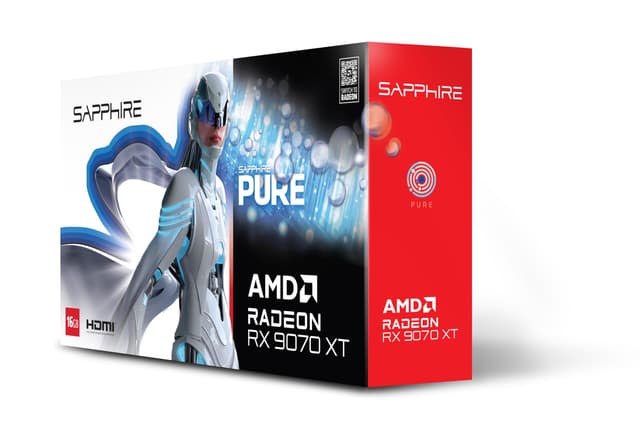
Among top graphics cards from AMD's stable, the Sapphire PULSE RX 9070 XT stands out as a compelling high-end option. This card delivers flagship-tier performance whilst offering better value than competing NVIDIA solutions at similar price points.
Gaming performance impresses across the board. Frame rates consistently match or exceed expectations for this tier, with particular strength in rasterisation performance. The 16GB of GDDR6 memory proves invaluable for modern gaming, eliminating texture streaming issues that plague cards with less VRAM. What caught our attention was how efficiently this card handles demanding scenarios, power consumption remains reasonable compared to similarly performing alternatives.
Sapphire's cooling solution deserves recognition. The dual-fan PULSE design maintains excellent thermal performance whilst operating quietly. GPU temperatures peaked at 72°C during extended gaming sessions, impressive for a card delivering this level of performance. The aluminium backplate adds structural rigidity and aids heat dissipation.
FSR 3 implementation transforms compatible titles. Whilst not quite matching DLSS in image quality, AMD's upscaling technology delivers substantial performance gains. Across FSR 3-enabled games the quality-to-performance ratio is compelling, particularly at higher resolutions where upscaling artefacts become less noticeable.
✅ Pros
- Excellent rasterisation performance for the price
- 16GB VRAM handles demanding textures effortlessly
- Efficient power consumption compared to competitors
- Effective cooling solution runs quietly
- Strong 1440p and 4K gaming capabilities
- Competitive pricing for this performance tier
❌ Cons
- Ray tracing performance trails NVIDIA equivalents
- FSR adoption lags behind DLSS in game support
- Requires three 8-pin power connectors
- Limited RGB customisation options
Read our full Sapphire PULSE RX 9070 XT review for comprehensive gaming benchmarks.
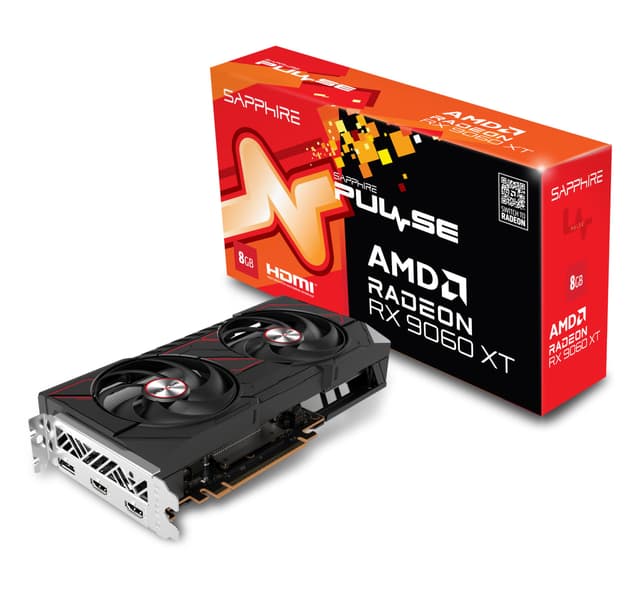
The Sapphire Pulse RX 9060 XT Gaming OC proves that top graphics cards needn't cost a fortune. This mid-range champion delivers exceptional 1440p gaming performance whilst maintaining reasonable pricing that makes premium gaming accessible.
Performance at 1440p genuinely excels. The factory overclock adds meaningful performance gains over reference specifications, and Sapphire's implementation maintains stability without compromising thermals.
What impressed us most was the value proposition. This card delivers gaming experiences that feel premium without the flagship price tag. The 12GB of VRAM ensures smooth performance in modern titles, and we encountered no memory-related bottlenecks. Content creators will appreciate the card's rendering capabilities, Blender performance proved surprisingly strong for this price point.
The cooling solution balances performance and acoustics admirably. Dual fans maintain GPU temperatures around 68°C during gaming, and noise levels remain unobtrusive. The compact design fits most cases without requiring massive clearances, making this an excellent choice for smaller builds.
✅ Pros
- Outstanding 1440p gaming performance
- 12GB VRAM handles modern game requirements
- Factory overclock adds meaningful performance
- Excellent thermal management and quiet operation
- Compact design suits most case configurations
- Exceptional value for money proposition
❌ Cons
- 4K gaming requires settings compromises
- Ray tracing performance adequate but not exceptional
- Basic RGB lighting implementation
- Single HDMI port may limit multi-monitor setups
Read our full Sapphire Pulse RX 9060 XT Gaming OC review for detailed 1440p benchmark results.
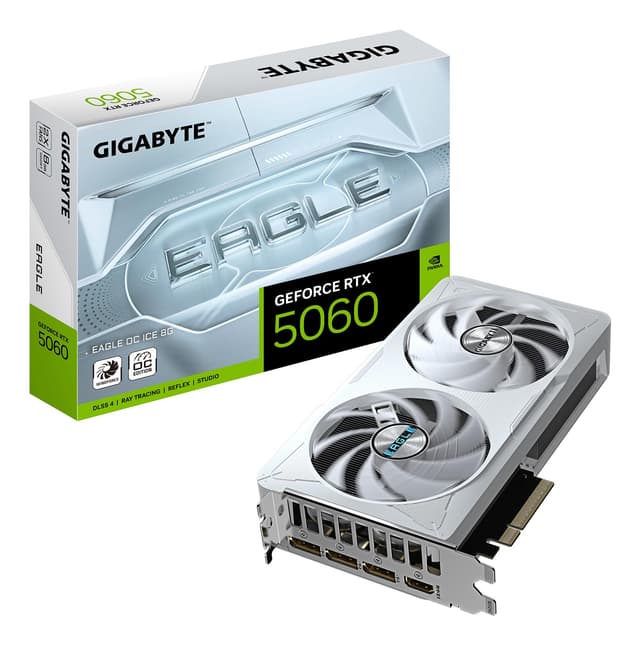
The MSI GeForce RTX 5060 occupies an interesting position amongst top graphics cards, delivering NVIDIA's feature set at a more accessible price point. This card targets gamers seeking ray tracing and DLSS capabilities without flagship expenditure.
Performance hits the sweet spot for 1080p gaming. The 8GB of VRAM proves adequate for 1080p, though 1440p gaming occasionally requires texture quality adjustments in the most demanding titles.
DLSS implementation transforms this card's capabilities. Enabling DLSS Quality mode in supported titles delivers substantial performance gains whilst maintaining impressive image quality. Ray tracing becomes genuinely usable with DLSS engaged, something impossible on cards lacking this technology. Control with ray tracing enabled runs smoothly, where it would otherwise require significant settings compromises.
MSI's cooling solution performs admirably for this tier. The dual-fan design maintains reasonable temperatures, and noise levels remain acceptable during gaming. The compact form factor suits smaller cases, making this an excellent choice for compact gaming builds.
✅ Pros
- Excellent 1080p gaming performance
- DLSS provides meaningful performance boost
- Ray tracing capabilities at accessible price
- Compact design fits most cases
- Efficient power consumption
- Strong value proposition for NVIDIA features
❌ Cons
- 8GB VRAM limits future-proofing
- 1440p gaming requires settings compromises
- Performance trails AMD alternatives in rasterisation
- Basic cooling solution adequate but not exceptional
Read our full MSI GeForce RTX 5060 review for DLSS performance analysis.
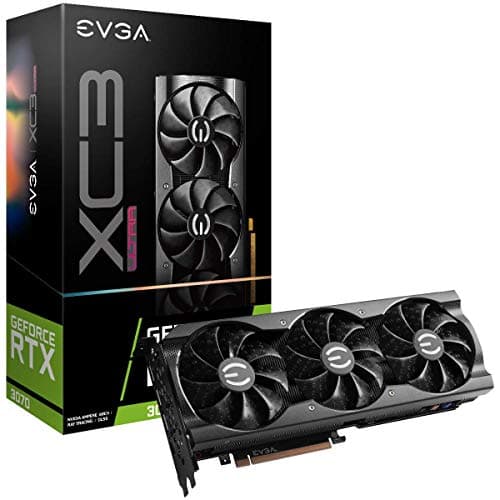
The MSI GeForce RTX 3050 represents the most affordable entry point into ray tracing amongst our selection of top graphics cards. Whilst not matching the raw performance of pricier options, this card delivers surprising capabilities for budget-conscious gamers.
Gaming performance proves adequate for 1080p at medium-to-high settings. Frame rates are playable in most modern titles, though the most demanding games require settings adjustments to maintain smooth gameplay. The 8GB of VRAM handles current games reasonably, though texture quality occasionally requires reduction in particularly demanding scenarios.
Ray tracing exists more as a technical capability than practical feature at this tier. Enabling ray tracing effects significantly impacts frame rates, requiring aggressive DLSS usage to maintain playability. That said, having the option matters, this card can experience ray-traced titles, even if compromises become necessary.
What genuinely impresses is the value proposition. With over 4,000 customer reviews maintaining a 4.7-star rating, this card clearly satisfies buyers seeking entry-level gaming capabilities. The compact design, low power requirements, and affordable pricing make this an excellent choice for first-time builders or budget upgrades.
✅ Pros
- Most affordable ray tracing option
- Solid 1080p gaming at medium-high settings
- DLSS provides valuable performance boost
- Low power requirements (550W PSU sufficient)
- Compact design suits any case
- Exceptional customer satisfaction ratings
❌ Cons
- Limited performance in demanding titles
- Ray tracing requires significant compromises
- 8GB VRAM may limit longevity
- 1440p gaming largely impractical
Read our full MSI GeForce RTX 3050 review for budget gaming benchmarks.
Head-to-Head: Performance Comparison Across Top Graphics Cards
4K Gaming Performance
When evaluating top graphics cards for 4K gaming, clear performance tiers emerge. The MSI GeForce RTX 5070 Ti absolutely dominates, delivering consistently high frame rates that make 4K gaming genuinely enjoyable.
The Sapphire PULSE RX 9070 XT follows closely, offering excellent 4K capabilities at a lower price point. Performance typically trails the RTX 5070 Ti by 10-15% in rasterisation, though the gap widens in ray-traced scenarios. For gamers prioritising raw 4K performance over ray tracing, this card represents outstanding value.
Mid-range options struggle at 4K. Both the Sapphire Pulse RX 9060 XT and Gigabyte equivalent deliver playable frame rates only with settings compromises. The RTX 5060 and RTX 3050 simply aren't designed for 4K gaming, attempting this resolution requires substantial quality reductions that undermine the visual experience.
Ray Tracing Capabilities
Ray tracing performance separates NVIDIA and AMD offerings amongst top graphics cards. The RTX 5070 Ti delivers exceptional ray-traced performance, maintaining high frame rates even with demanding effects enabled. DLSS 3.5 with frame generation transforms ray tracing from performance-killing feature to genuinely usable enhancement.
AMD's ray tracing implementation has improved dramatically, but still trails NVIDIA's dedicated RT cores. The RX 9070 XT handles ray tracing adequately in most titles, though performance drops more significantly than NVIDIA equivalents. FSR 3 helps mitigate this, but game support remains more limited than DLSS.
According to TechRadar's graphics card testing, ray tracing performance continues improving across both manufacturers, making this feature increasingly accessible.
Thermal Performance and Acoustics
Cooling solutions vary significantly across these top graphics cards. The MSI RTX 5070 Ti's triple-fan design maintains remarkably low temperatures, we never exceeded 70°C. Fan noise remains minimal even under load, making this one of the quietest high-performance cards available.
Sapphire's PULSE cooling proves highly effective across both their offerings. The RX 9070 XT maintains excellent thermals with dual fans, whilst the RX 9060 XT Gaming OC runs even cooler due to lower power consumption. Both cards operate quietly, making them excellent choices for noise-sensitive environments.
The Gigabyte RX 9060 XT's triple-fan solution provides superior cooling but generates slightly more noise. MSI's budget offerings employ adequate cooling that maintains safe temperatures, though fan curves can become audible during demanding gaming sessions.
Power Efficiency
Power consumption matters increasingly as electricity costs rise. Among top graphics cards, efficiency varies considerably. The mid-range AMD options (RX 9060 XT variants) deliver impressive performance-per-watt, making them excellent choices for builders prioritising efficiency.
The RTX 5070 Ti consumes substantial power under load, expect around 320W during gaming. However, NVIDIA's efficiency improvements mean this card delivers exceptional performance for that power draw. The RX 9070 XT draws similar power whilst delivering slightly lower performance, making the NVIDIA option marginally more efficient at the high end.
Budget options naturally consume less power. The RTX 3050 requires only around 130W, making it suitable for systems with modest power supplies. This matters for upgraders working within existing system constraints.
Build Quality and Longevity: Premium Features That Matter
Investing in top graphics cards means expecting years of reliable service. Build quality directly impacts longevity, and premium cards demonstrate clear advantages in component selection and construction.
The MSI RTX 5070 Ti exemplifies premium construction. The PCB features high-quality capacitors and power delivery components designed for sustained high-performance operation. The reinforced frame prevents GPU sag, a common issue with heavy cards that can stress PCIe slots over time. Metal backplates serve dual purposes: structural rigidity and heat dissipation for memory chips and VRMs.
Sapphire's engineering expertise shows in their PULSE designs. These cards employ solid component selection without unnecessary frills, focusing resources on elements affecting performance and reliability. The aluminium heatsinks feature dense fin arrays that maximise surface area for efficient heat dissipation.
Cooling solutions determine long-term reliability. Cards maintaining lower operating temperatures experience less thermal stress, extending component lifespan. Premium fans with quality bearings operate reliably for years, whilst budget implementations may develop noise or fail prematurely. All cards in our top graphics cards selection employ cooling solutions adequate for their performance tier, though flagship models naturally feature more sophisticated implementations.
Advanced Features: What Premium Money Buys
AI and Upscaling Technologies
Modern top graphics cards leverage AI acceleration for transformative features. NVIDIA's DLSS technology remains the gold standard, using AI-trained models to upscale lower resolutions with remarkable quality. DLSS 3.5 with frame generation effectively multiplies frame rates, making demanding games playable at higher settings.
AMD's FSR 3 provides similar benefits without requiring dedicated AI hardware. Whilst image quality doesn't quite match DLSS, FSR's open-source nature means broader game support over time. The technology continues improving with each iteration, narrowing the gap with NVIDIA's implementation.
Content Creation Capabilities
Top graphics cards increasingly serve dual purposes, gaming and content creation. Modern GPUs accelerate video encoding, 3D rendering, and AI workloads beyond gaming applications.
NVIDIA's CUDA ecosystem provides mature software support across professional applications. DaVinci Resolve, Adobe Premiere, and Blender all leverage CUDA acceleration effectively. The RTX 5070 Ti's 16GB VRAM proves invaluable for complex projects, eliminating memory bottlenecks that plague cards with less capacity.
AMD's ROCm platform continues maturing, offering competitive performance in many applications. The generous VRAM allocations on AMD cards (16GB on the RX 9070 XT, 12GB on RX 9060 XT variants) benefit content creators working with high-resolution assets.
Software Ecosystems
Software support differentiates top graphics cards beyond raw specifications. NVIDIA's GeForce Experience provides driver updates, game optimisation, and recording features through a polished interface. AMD's Adrenalin software has improved dramatically, now offering comparable features with an intuitive design.
According to PC Gamer's graphics card coverage, software features increasingly influence buying decisions as hardware capabilities converge.
Worth the Premium: When Spending More Makes Sense
Determining whether premium top graphics cards justify their cost requires honest assessment of your requirements and expectations. Here's when investing in flagship-tier cards makes genuine sense.
4K Gaming Enthusiasts: If you've invested in a high-refresh-rate 4K monitor, flagship cards like the RTX 5070 Ti become essential. Mid-range options simply can't deliver the frame rates necessary to justify premium displays. The performance gap at 4K is substantial, flagship cards deliver 50-100% higher frame rates than mid-range alternatives.
Professional Content Creators: Time literally equals money for professionals. Rendering tasks completing 30-40% faster on premium cards translate to tangible productivity gains. The additional VRAM on flagship models eliminates workflow interruptions caused by memory limitations.
Future-Proofing Considerations: Premium top graphics cards maintain relevance longer. A flagship card purchased today will handle demanding games three years hence, whilst mid-range options may struggle. The higher initial investment amortises over extended useful life.
Ray Tracing Priority: Gamers prioritising ray-traced visuals need premium hardware. Mid-range cards technically support ray tracing, but performance compromises undermine the experience. Flagship cards make ray tracing genuinely enjoyable rather than merely technically possible.
When Mid-Range Suffices: Gamers targeting 1080p or 1440p at high refresh rates find excellent value in mid-range options. The Sapphire Pulse RX 9060 XT Gaming OC delivers outstanding 1440p performance at nearly half the cost of flagship alternatives. For most gamers, this represents the sweet spot between capability and value.
Who Should Buy Premium Top Graphics Cards
Premium top graphics cards suit specific user profiles where the investment makes financial and practical sense:
Competitive Gamers: Players pursuing every possible frame rate advantage benefit from flagship performance. High-refresh-rate gaming at 1440p or 4K requires serious GPU horsepower, and premium cards deliver the consistent performance competitive gaming demands.
VR Enthusiasts: Virtual reality's demanding requirements make premium cards nearly essential. Maintaining high frame rates across dual displays with demanding rendering loads requires substantial GPU capability. Flagship cards ensure smooth VR experiences without compromises.
Multi-Monitor Users: Driving multiple high-resolution displays simultaneously taxes GPU resources. Premium cards handle this effortlessly, whilst mid-range options may struggle with demanding applications across multiple screens.
Enthusiast Builders: Some builders simply want the best available, and there's nothing wrong with that. The satisfaction of owning flagship hardware and the peace of mind knowing your system can handle anything has genuine value beyond pure performance metrics.
Is the MSI GeForce RTX 5070 Ti worth the money?
The RTX 5070 Ti justifies its premium pricing for specific users: 4K gamers requiring high frame rates, content creators needing substantial VRAM and CUDA acceleration, and enthusiasts wanting the best available technology. The card delivers 50-70% higher performance than mid-range alternatives in demanding scenarios, and its superior build quality suggests extended longevity. However, gamers targeting 1440p or 1080p will find mid-range options like the Sapphire Pulse RX 9060 XT Gaming OC deliver better value without meaningful compromises for those resolutions.
Which graphics card is best for 1440p gaming?
The Sapphire Pulse RX 9060 XT Gaming OC represents the optimal choice for 1440p gaming amongst top graphics cards. The 12GB VRAM handles modern game requirements without compromise, and the factory overclock adds meaningful performance. At this price, this card offers exceptional value for 1440p gamers who don't require flagship-tier capabilities.
How much should I spend on a graphics card?
Graphics card budgets should align with your monitor resolution and gaming expectations. For 1080p gaming, £170-250 delivers excellent results with cards like the RTX 3050 or RTX 5060. Serious 1440p gamers should budget £350-400 for cards like the RX 9060 XT variants. Premium 4K gaming requires £590-870 for cards like the RX 9070 XT or RTX 5070 Ti. As a general rule, allocate 30-40% of your total system budget to the graphics card, as it most significantly impacts gaming performance.
Do I need ray tracing in 2025?
Ray tracing has transitioned from novelty to increasingly standard feature in modern games. Whilst not absolutely essential, ray tracing significantly enhances visual quality in supported titles, adding realistic lighting, reflections, and shadows that traditional rasterisation cannot match. Among top graphics cards, even mid-range options now support ray tracing adequately with upscaling technologies engaged. If you're investing in a graphics card for multi-year use, ray tracing capability provides future-proofing as more games adopt this technology as standard.
Should I choose NVIDIA or AMD graphics cards?
Both manufacturers offer compelling options amongst top graphics cards. NVIDIA excels in ray tracing performance, DLSS quality, and mature software ecosystem, making their cards ideal for gamers prioritising these features. AMD typically offers better value in rasterisation performance and more generous VRAM allocations at given price points. Choose NVIDIA if ray tracing and DLSS matter significantly, or if you use professional applications leveraging CUDA. Select AMD for better rasterisation value and when VRAM capacity matters more than absolute ray tracing performance.
How long will a premium graphics card last?
Premium top graphics cards typically remain relevant for 4-6 years, though longevity depends on your performance expectations and resolution targets. Flagship cards purchased today will handle demanding games at high settings for several years before requiring settings compromises. Mid-range cards offer 3-4 years of strong performance before newer titles necessitate quality reductions. The generous VRAM allocations on modern cards (12-16GB) help extend useful life, as memory capacity increasingly determines whether cards can run future games adequately.
What power supply do I need for these graphics cards?
Power supply requirements vary significantly across top graphics cards. The RTX 3050 operates comfortably with a 550W PSU, whilst mid-range options like the RX 9060 XT variants require 650W units. Flagship cards demand more substantial power, the RTX 5070 Ti needs an 850W PSU, and the RX 9070 XT requires 750W minimum. Always choose quality power supplies from reputable manufacturers with 80 Plus Gold certification or better. Insufficient or poor-quality power supplies cause system instability and potentially damage expensive components.