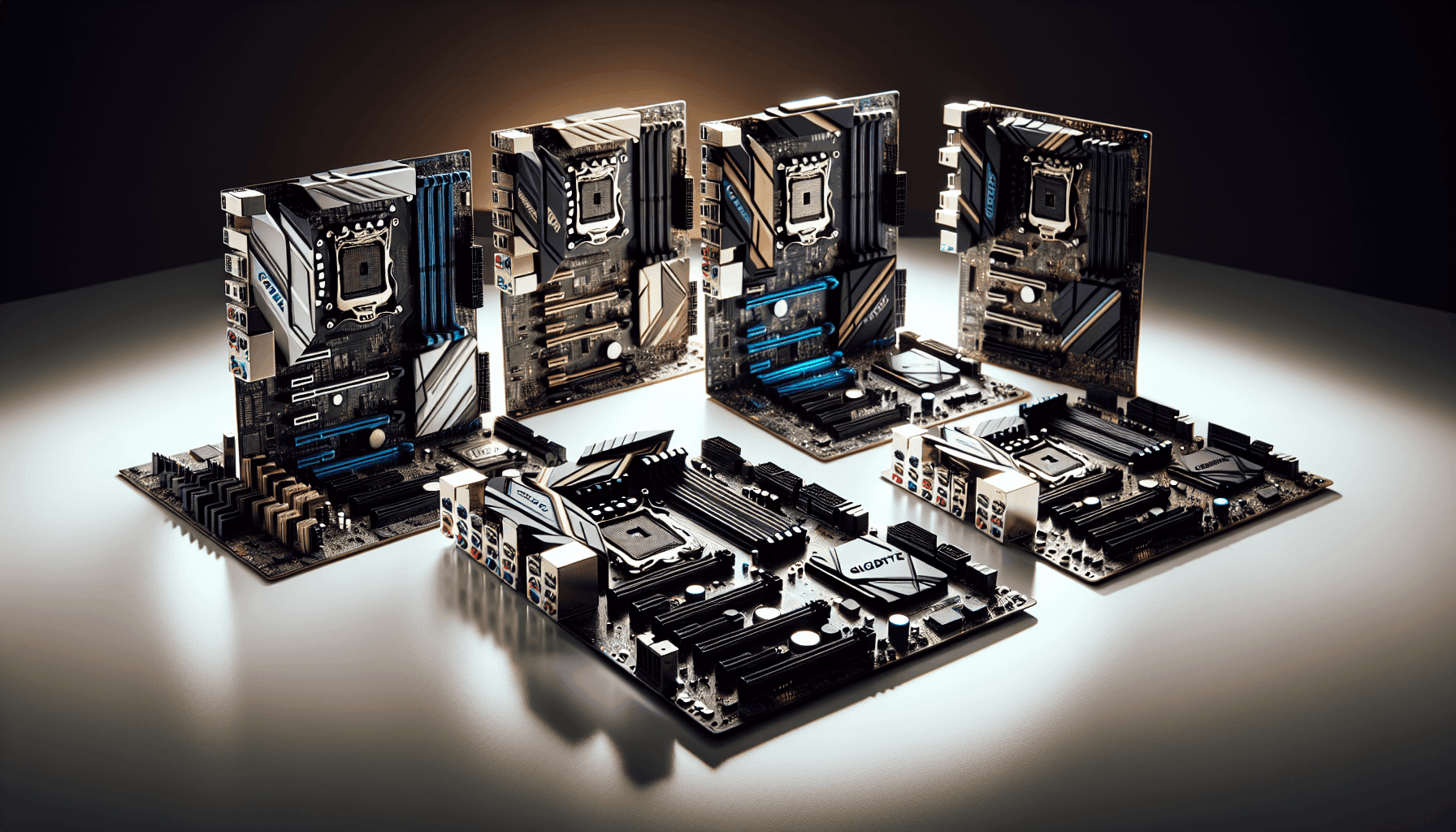
There's a moment in every small form factor build where you stare at the Mini-ITX board you've just chosen and wonder if you've made a terrible mistake. The Gigabyte A520I AC Motherboard sits right at that crossroads. It's a tiny board in the budget bracket, it supports some genuinely capable Ryzen 5000 Series processors, and it comes with built-in WiFi at a price that makes you do a double-take. But small boards with modest chipsets and limited power delivery have a habit of quietly throttling your CPU when things get warm, and nobody wants to discover that three months into a build.
What genuinely excites me about this board is the platform it sits on. AM4 is one of the most mature, well-supported sockets in PC history, and pairing it with a Ryzen 5000 chip in a compact build is still a brilliant idea in 2026. The A520 chipset is the budget tier of that platform, though, and that comes with real trade-offs you need to know about before handing over your money. So I've gone deep on the specs, dug through what 249 owners have actually reported, and compared it against the obvious alternatives in this price bracket.
This is a board for a very specific type of builder. Whether you're that builder is exactly what this review is here to figure out.
Core Specifications
The Gigabyte A520I AC is a Mini-ITX board, which means it measures 170mm x 170mm and it will fit into the smallest cases on the market. That's the whole point of it. The socket is AM4, the chipset is AMD's A520, and the form factor immediately tells you this is aimed at compact builds where space is the primary constraint. It's not trying to be a powerhouse workstation board. It's trying to be a capable, tidy, self-contained platform for a small Ryzen system.
Memory is dual-channel DDR4 via two DIMM slots, supporting up to 64GB total. The rated speed goes up to 5300MHz with overclocking, which is a headline figure that sounds impressive but deserves some nuance (more on that in the memory section). There's a single PCIe 3.0 x16 slot for your GPU, one M.2 slot running PCIe 3.0 x4 for NVMe storage, and the board ships with built-in WiFi via the AC standard. Gigabyte lists HDMI and DVI-D outputs for use with Ryzen G-Series APUs, which is a nice touch for anyone building a compact desktop without a discrete GPU.
The rear I/O includes USB 3.2 Gen 1 ports, audio outputs via the ALC1200 codec, and Gigabyte's 8118 Gaming LAN chip for wired networking. Q-Flash Plus is supported, meaning you can update the BIOS from a USB drive without needing a CPU installed. For a budget Mini-ITX board, that's a genuinely useful feature that saves a lot of headaches. Here's the full picture in one place:
| Specification | Detail |
|---|---|
| Form Factor | Mini-ITX (170mm x 170mm) |
| Socket | AM4 |
| Chipset | AMD A520 |
| CPU Support | Ryzen 5000 / 5000G / 4000G / 3000 / 3000G Series |
| Memory Slots | 2 x DDR4 DIMM (Dual Channel) |
| Max Memory | 64GB |
| Memory Speed (OC) | Up to 5300MHz |
| ECC Support | ECC / Non-ECC Unbuffered |
| PCIe x16 Slot | 1 x PCIe 3.0 x16 |
| M.2 Slot | 1 x PCIe 3.0 x4 NVMe |
| VRM Phases | 6 Phase Digital |
| Audio | Realtek ALC1200 |
| LAN | Gigabyte 8118 Gaming GbE |
| WiFi | 802.11ac (WiFi 5) |
| Video Output | HDMI, DVI-D |
| BIOS Features | Q-Flash Plus, RGB Fusion 2.0, Smart Fan 5 |
| Price | £107.31 |
Socket and CPU Compatibility
The AM4 socket has had an extraordinary run. AMD kept it alive across multiple CPU generations from 2017 right through to Ryzen 5000, which means the second-hand market for compatible processors is enormous and the ecosystem is incredibly well understood. For a budget build in 2026, that's actually a significant advantage. You're not buying into an unknown quantity here. You know exactly what you're getting, and so does everyone who's ever built on AM4 before.
The Gigabyte A520I AC supports Ryzen 5000 Series, Ryzen 5000 G-Series, Ryzen 4000 G-Series, Ryzen 3000, and Ryzen 3000 G-Series processors. That's a solid spread. The sweet spot for this board is probably a Ryzen 5 5600 or a Ryzen 7 5700G if you want integrated graphics in that Mini-ITX case. A Ryzen 9 5950X is technically compatible, but pairing a 16-core monster with an A520 chipset and a 6-phase VRM is not something I'd recommend. The board would likely struggle to feed it properly under sustained load.
One thing to flag: depending on when you buy this board and which CPU you're pairing it with, a BIOS update may be required before the processor is recognised. Gigabyte's Q-Flash Plus feature handles this without needing a working CPU in the socket, which is genuinely brilliant. You just pop a BIOS file on a USB drive, plug it into the designated port, hold the button, and it updates itself. Owners report this working reliably, which puts it ahead of plenty of competitors who leave you stuck in a chicken-and-egg situation with a new CPU and an old BIOS. The Gigabyte A520I AC product page lists the full BIOS revision history if you want to check compatibility before you buy.
Chipset Features
The A520 is AMD's entry-level chipset for the AM4 platform, sitting below the B550 and X570 in the hierarchy. That hierarchy matters because chipset tier determines what you can and can't do. With A520, the headline limitation is no CPU overclocking. The multiplier is locked. If you want to push a Ryzen 5 5600 beyond its stock boost clocks, this isn't your board. Memory overclocking is still possible (hence that 5300MHz headline figure), but the CPU itself runs at whatever AMD has set it to run at.
The A520 chipset provides a more limited lane allocation than B550 or X570. You get PCIe 3.0 rather than 4.0 for both the primary x16 slot and the M.2 connector. On a B550 board, both of those would be PCIe 4.0. Does that matter in practice? For a GPU, not really at current resolutions and frame rates. For an NVMe drive, PCIe 3.0 x4 still delivers sequential reads north of 3,500 MB/s, which is more than fast enough for gaming and everyday use. It only becomes relevant if you're doing serious video editing or data-intensive workloads where you'd actually saturate a PCIe 3.0 connection.
What the A520 does well is keep things simple and stable. Fewer features means fewer things to go wrong, and on a Mini-ITX board where thermal management is already a challenge, simplicity is a virtue. The chipset also supports AMD's EXPO memory profiles (though this board predates the EXPO branding, so you're working with XMP-style overclocking for RAM). SATA port count is limited compared to larger boards, which is fine for a Mini-ITX build where you're unlikely to be running multiple spinning disks anyway. ECC memory support is listed, which is an unusual feature at this price point and makes this board quietly interesting for anyone building a compact home server or NAS-adjacent machine.
VRM and Power Delivery
This is the section that matters most for long-term reliability, and it's also the section where the A520I AC asks you to be realistic about your expectations. Gigabyte lists this as a 6-phase digital VRM solution. For context, the verified product data mentions a 5+3 phases Pure Digital VRM with Low RDS(on) MOSFETs, which refers to the related A520M DS3H board in Gigabyte's lineup. The A520I AC itself is rated at 6 phases digital. Either way, you're working with a modest phase count that's appropriate for the chipset tier and the form factor.
Low RDS(on) MOSFETs are a good sign regardless of phase count. RDS(on) refers to the resistance of the MOSFET when it's switched on, and lower resistance means less heat generated during power delivery. That matters enormously on a Mini-ITX board where airflow is restricted and heatsinks are small. Gigabyte has used decent components here rather than the cheapest possible parts, which is exactly what you want to see at this price point. Owners generally report stable operation with Ryzen 5 and Ryzen 7 chips, with no widespread reports of throttling under gaming loads.
Where you do need to be careful is with high-TDP processors. A Ryzen 9 5900X or 5950X has a TDP envelope that this VRM will struggle with under sustained all-core workloads. Rendering, heavy compilation, long encode sessions with those chips could push the VRM into thermal territory where it starts protecting itself by pulling back power. For a Ryzen 5 5600 (65W TDP) or even a Ryzen 7 5700X (65W TDP), the 6-phase setup should be perfectly comfortable. Stick to 65W TDP chips and you'll be fine. Go for a 105W chip and you're taking a risk on sustained workloads, though gaming (which is bursty rather than sustained all-core) would likely be acceptable even then.
Memory Support
Two DIMM slots, dual-channel DDR4, maximum 64GB. That's the shape of it. Two slots is standard for Mini-ITX and it means you're either running a single stick (losing dual-channel bandwidth) or two sticks from the start. My strong recommendation is to buy your full RAM kit at once and run dual-channel from day one. The bandwidth difference between single and dual-channel on Ryzen, especially with integrated graphics, is genuinely significant and not something you want to handicap yourself with.
The rated speed of up to 5300MHz with overclocking is a headline that needs some unpacking. AMD's Ryzen 5000 chips have an Infinity Fabric that runs best at 1:1 ratio with memory up to around 3600MHz to 3800MHz. Beyond that, you're running the fabric at a different ratio and the latency penalty can actually hurt real-world performance more than the raw bandwidth gain helps. So while 5300MHz is technically achievable on paper, the sweet spot for Ryzen 5000 is 3600MHz CL16 or 3200MHz CL14. That's where you get the best balance of bandwidth and latency. The high headline figure is marketing; the practical optimum is considerably lower. JEDEC's DDR4 specifications cap standard speeds at 3200MHz, so anything above that is overclocking territory regardless of what's printed on the box.
ECC memory support is worth highlighting again here. Most consumer motherboards don't support ECC at all, and finding it on another budget AM4 motherboard like this Mini-ITX board is genuinely unusual. If you're building a compact home server, a Plex machine, or anything where data integrity matters more than raw performance, the ECC support makes this board more interesting than its price tag suggests. Pair it with a Ryzen 5 Pro or a compatible ECC kit and you've got a surprisingly capable small server platform for not much money.
Storage Options
One M.2 slot. That's your lot. It runs PCIe 3.0 x4 NVMe, which as mentioned earlier is still genuinely fast. Drives like the WD Blue SN570 or the Samsung 970 EVO Plus will saturate that interface comfortably and deliver excellent real-world performance for gaming, booting, and application loading. You won't feel the difference between PCIe 3.0 and PCIe 4.0 NVMe in day-to-day use unless you're specifically moving very large files regularly.
The M.2 slot also supports SATA mode, so you can use older SATA M.2 drives if you have one lying around from a previous build. That's a small but useful bit of flexibility. Beyond the M.2 slot, the board provides SATA ports for traditional 2.5-inch SSDs or hard drives, though on a Mini-ITX build you're typically not stacking up multiple storage devices. One fast NVMe boot drive is the sensible configuration here, and the A520I AC handles that perfectly well.
What you don't get is a second M.2 slot. On a larger B550 or X570 board, having two M.2 connectors is common and useful. On a Mini-ITX form factor, the physical space simply doesn't exist for a second slot, so this isn't really a failing of the A520I AC specifically. It's a Mini-ITX reality. If you need two NVMe drives in a compact build, you're looking at a different form factor entirely, or you're using a SATA SSD alongside your NVMe drive, which is a perfectly workable solution.
Expansion Slots and PCIe
One PCIe 3.0 x16 slot. Again, Mini-ITX means you're not getting a multi-GPU setup or a stack of PCIe x1 cards. The single x16 slot is reinforced for GPU support, which matters when you've got a heavy graphics card hanging off it in a small case with potentially limited airflow. Gigabyte's slot reinforcement on their boards at this tier is generally decent, and owners haven't reported issues with GPU seating or slot damage under normal use.
PCIe 3.0 versus 4.0 for the GPU slot is worth addressing directly. Current mid-range GPUs like the RX 7600 or RTX 4060 do not saturate a PCIe 3.0 x16 connection at any resolution that matters. The bandwidth available on PCIe 3.0 x16 is around 16 GB/s, and GPU-to-CPU transfers in gaming workloads are nowhere near that ceiling. You will not lose frames because your slot is PCIe 3.0 rather than 4.0. This is a non-issue for gaming builds. It would only become relevant with very high-end GPUs doing compute workloads, and if that's your use case, you've already outgrown the A520 chipset on multiple other dimensions.
The lack of additional PCIe x1 slots is a Mini-ITX constraint, not an A520 one. You can't add a sound card or a capture card via PCIe on this board. If you need those, you're looking at USB alternatives or a larger form factor. For a clean gaming or home office build, the single x16 slot is all you need, and it does its job without complaint.
Connectivity and Rear I/O
The rear I/O on a Mini-ITX board is always a compromise because there's simply less space than on an ATX or Micro-ATX design. The A520I AC includes USB 3.2 Gen 1 ports (that's USB 3.0 in old money, 5 Gbps), USB 2.0 ports, audio outputs from the ALC1200 codec, and the video outputs (HDMI and DVI-D) for use with Ryzen G-Series APUs. The WiFi antenna connectors are on the rear I/O panel as well.
The video outputs are worth dwelling on because they're a genuine differentiator. HDMI and DVI-D on the rear panel means that if you're building with a Ryzen 5 5600G or a Ryzen 7 5700G, you can run a display directly from the board without any discrete GPU at all. For a compact HTPC, a living room PC, or a budget office machine, that's a really useful feature. The HDMI port handles 4K output from the Vega integrated graphics in the G-Series chips, which is more than adequate for media playback and light productivity.
What's not specified in the verified data is whether there's a USB Type-C on the rear panel, so I won't claim one way or the other on that. The USB 3.2 Gen 1 spec means you're getting solid transfer speeds for external drives and peripherals. The audio output quality from the ALC1200 codec is genuinely good for an onboard solution. Gigabyte specifies high-end audio capacitors alongside it, which reduces noise and improves signal quality compared to boards that just slap the codec on without any additional filtering. Owners who use headphones directly from the rear audio jack report clean, quiet output.
WiFi and Networking
Built-in WiFi is one of the A520I AC's genuine selling points, and the "AC" in the name literally refers to the 802.11ac (WiFi 5) wireless standard. For a budget Mini-ITX board, having WiFi included without paying extra for a PCIe adapter is a real convenience. You get dual-band 2.4GHz and 5GHz support, and for most home networking situations that's perfectly adequate. The antennas screw into the rear I/O panel and can be positioned to optimise signal reception.
WiFi 5 rather than WiFi 6 is the honest limitation here. If your router supports WiFi 6 and you care about maximising wireless throughput, you're leaving some performance on the table. For general web browsing, streaming, online gaming, and even moderate file transfers, WiFi 5 is absolutely fine. It's only in environments with lots of simultaneous connected devices or when you're specifically trying to squeeze maximum wireless bandwidth that WiFi 6 makes a meaningful practical difference. At this price point, WiFi 5 is a reasonable inclusion rather than a disappointing one.
The wired networking is handled by Gigabyte's own 8118 Gaming LAN chip with bandwidth management. This is Gigabyte's in-house solution rather than a third-party chip like Intel's I225-V or Realtek's 8125. The 8118 is a Gigabit (1GbE) controller, so you're not getting 2.5GbE here. For gaming, streaming, and general use, 1GbE is sufficient. If you're running a NAS or doing large local network transfers regularly, 2.5GbE would be more useful, but you'll need to step up to a B550 board to get that. The bandwidth management feature is Gigabyte's way of saying the driver software lets you prioritise certain traffic types, which is a minor QoL feature for online gaming.

BIOS and Overclocking
Gigabyte's BIOS has had a complicated reputation over the years. The good news is that their more recent BIOS revisions for the AM4 platform have improved considerably. The interface is split between an Easy Mode (simplified, good for quick changes) and an Advanced Mode (full control, intimidating but functional). It's not as polished as ASUS's UEFI or as intuitive as MSI's Click BIOS, but it gets the job done and owners on the A520I AC generally report a stable, reliable BIOS experience rather than the nightmare scenarios you sometimes see on budget boards.
Q-Flash Plus deserves a proper mention here because it's genuinely one of the most useful features on any motherboard. The ability to flash a new BIOS from a USB drive without a CPU, RAM, or GPU installed means you can buy this board, plug in a USB stick with the latest BIOS, update it before you even install your processor, and know you're starting from a clean, current firmware state. For anyone buying a Ryzen 5000 chip to pair with this board, that's not just convenient, it could be the difference between a working system and a frustrating afternoon of troubleshooting.
Overclocking headroom is limited by the A520 chipset. CPU multiplier overclocking is off the table entirely. Memory overclocking is available, and the BIOS gives you the usual voltage and timing controls for RAM. Smart Fan 5 provides the fan control interface, with multiple temperature sensor inputs and hybrid fan headers that support both PWM and DC fans. The fan curve controls are flexible enough to set up a quiet profile without much effort. Owners report that the fan control works as expected and doesn't do anything weird like running fans at full speed on startup. That sounds like a low bar, but you'd be surprised how many budget boards fail it.
Build Quality and Aesthetics
The A520I AC is a no-nonsense looking board. It's not trying to win any beauty contests. The PCB is a standard dark colour, the heatsinks are modest (appropriate for the VRM phase count and the A520 chipset's relatively low heat output), and the overall build quality is what you'd expect from Gigabyte at this tier: solid enough, not flashy, gets the job done. There are no armour panels, no elaborate heatsink designs, and no aggressive styling. In a small case where most of the board will be hidden anyway, that's fine.
RGB Fusion 2.0 is supported, which means you can connect addressable LED strips and standard RGB strips to the board's headers and control them through Gigabyte's software. The board itself doesn't have onboard RGB LEDs as far as the spec sheet indicates, so if you want lighting, you're adding it via strips. For a clean, minimal build, the lack of onboard RGB is actually a positive. You can add exactly as much or as little lighting as you want without fighting with LEDs that are baked into the PCB.
The Mini-ITX form factor means component density is high. Everything is packed tightly, and cable management in a small case is always a puzzle. The DIMM slot placement and M.2 slot orientation are standard for the form factor, and owners haven't flagged any particular issues with component clearance or installation awkwardness. The 24-pin ATX power connector and the CPU power connector are where you'd expect them to be. Nothing exotic, nothing frustrating. For a first-time small form factor builder, this board doesn't add any unnecessary complications to what is already a slightly fiddly process.
How It Compares
The two most obvious comparisons for the Gigabyte A520I AC are the ASRock B550M-ITX/ac and the MSI MAG B550I Gaming Edge WiFi. Both are Mini-ITX boards on the AM4 platform, both include WiFi, and both sit at different points in the price hierarchy. The ASRock B550M-ITX/ac is the closest direct competitor, offering the B550 chipset (with PCIe 4.0 for the M.2 slot and GPU slot) at a modest premium. The MSI MAG B550I is a step further up, with a more capable VRM, better overclocking support, and a higher price to match.
The honest answer is that if your budget stretches to the B550M-ITX/ac, you should probably buy it instead. PCIe 4.0 M.2 support, CPU overclocking capability, and generally better VRM headroom for higher-TDP chips make it a more capable platform. But if the price difference is meaningful to you, or if you're building with a 65W TDP Ryzen 5 or Ryzen 7 chip and have no intention of overclocking, the A520I AC does everything you need at a lower outlay. The ECC memory support is also a genuine differentiator that neither of the B550 competitors necessarily offers at the same price.
| Feature | Gigabyte A520I AC | ASRock B550M-ITX/ac | MSI MAG B550I Gaming Edge WiFi |
|---|---|---|---|
| Chipset | AMD A520 | AMD B550 | AMD B550 |
| Form Factor | Mini-ITX | Mini-ITX | Mini-ITX |
| PCIe Gen (M.2) | PCIe 3.0 x4 | PCIe 4.0 x4 | PCIe 4.0 x4 |
| CPU Overclocking | No | Yes | Yes |
| WiFi | WiFi 5 (802.11ac) | WiFi 6 (802.11ax) | WiFi 6 (802.11ax) |
| VRM Phases | 6 Phase Digital | More phases | More phases |
| ECC Support | Yes | No | No |
| Q-Flash Plus | Yes | No | No |
| Price Tier | Budget | Mid-range | Mid-range to premium |
What Owners Actually Report
With 260 averaging ★★★★½ (4.5), the A520I AC has a genuinely positive owner track record. That's not a small sample size, and a 4.5 average on a technical product where unhappy customers are vocal is meaningful. The consistent praise across reviews centres on three things: straightforward installation, stable everyday operation, and the Q-Flash Plus BIOS update working exactly as described. Multiple owners specifically mention flashing the BIOS before installing their Ryzen 5000 CPU and having the system boot perfectly on the first attempt.
The complaints that do appear are worth understanding. A small number of owners report WiFi range that's adequate but not exceptional compared to dedicated PCIe WiFi cards. This is not surprising for an integrated solution with compact antennas. A few owners building with higher-TDP Ryzen 7 and Ryzen 9 chips report that the system runs warm under sustained all-core loads, which aligns with what the 6-phase VRM spec would suggest. Nobody is reporting catastrophic failures or dead-on-arrival units at a rate that should concern you, which is the most important thing.
The BIOS stability reports are encouraging. Gigabyte has pushed several firmware updates for this board since launch, and owners who keep their BIOS current report a stable, trouble-free experience. The Smart Fan 5 controls work as advertised, and the memory overclocking (for those who've tried it) behaves predictably. A handful of owners mention using this board specifically for compact home server builds with ECC memory, and those reports are universally positive. That's a niche use case but it's good to see it validated by real-world experience.
Value Analysis
At £107.31, the A520I AC sits firmly in the budget Mini-ITX bracket. And for what it is, the value proposition is genuinely decent. You're getting a stable AM4 platform, built-in WiFi, ECC memory support, Q-Flash Plus, and the ALC1200 audio codec in a form factor that fits in the smallest cases available. The AMD A520 chipset is a known quantity with a well-understood feature set, so there are no surprises lurking in the spec sheet.
The value case is strongest if you're pairing it with a 65W TDP Ryzen 5 or Ryzen 7 chip and you have no plans to overclock the CPU. In that configuration, the A520I AC does everything a B550 board does, just without PCIe 4.0 M.2 speeds and CPU OC capability. If neither of those things matters to your use case, you're paying for features you don't need by going up to B550. The money saved can go into a better CPU, more RAM, or a faster NVMe drive, all of which will have more real-world impact than chipset tier for a non-overclocking build.
Where the value case weakens is if you're already stretching to a Ryzen 7 5800X or higher. At that point, the modest VRM and the A520 chipset's limitations start to feel like a mismatch. Spend a bit more and get a B550 board that's properly sized for the CPU. The A520I AC is not trying to be that board, and it shouldn't be judged for not being it. Judge it for what it is: a budget Mini-ITX platform for sensible CPU pairings, and in that context it earns its price tag.
Pros and Cons
- Built-in WiFi 5 included without any extra cost or PCIe slot sacrifice
- Q-Flash Plus makes BIOS updates genuinely painless, even before CPU installation
- ECC memory support is unusual at this price and useful for server or reliability-focused builds
- ALC1200 audio with high-end capacitors is better than the average budget board audio
- Stable owner track record with 260 averaging ★★★★½ (4.5)
- No CPU overclocking due to A520 chipset limitations
- PCIe 3.0 only for both GPU slot and M.2, versus PCIe 4.0 on B550 alternatives
- 6-phase VRM limits this to 65W TDP chips for sustained workloads
- WiFi 5 rather than WiFi 6 means you're not getting the latest wireless standard
Full Specifications
| Specification | Detail |
|---|---|
| Product Name | Gigabyte A520I AC |
| Form Factor | Mini-ITX |
| Socket | AM4 |
| Chipset | AMD A520 |
| Supported CPUs | Ryzen 5000 / 5000G / 4000G / 3000 / 3000G Series |
| Memory Type | DDR4 |
| Memory Slots | 2 x DIMM (Dual Channel) |
| Max Memory | 64GB |
| Memory Speed (OC) | Up to 5300MHz |
| ECC Support | ECC / Non-ECC Unbuffered |
| VRM | 6 Phase Digital |
| PCIe x16 | 1 x PCIe 3.0 x16 |
| M.2 | 1 x PCIe 3.0 x4 NVMe |
| Audio Codec | Realtek ALC1200 |
| LAN | Gigabyte 8118 Gaming GbE |
| WiFi | 802.11ac (WiFi 5) |
| Video Output | HDMI, DVI-D |
| BIOS Features | Q-Flash Plus, RGB Fusion 2.0, Smart Fan 5 |
| RGB | RGB Fusion 2.0 (Addressable LED and RGB strip headers) |
| Current Price | £107.31 |
| Rating | ★★★★½ (4.5) (260 reviews) |
Final Verdict
The Gigabyte A520I AC Motherboard is a focused, honest product. It knows what it is, it does what it says, and it doesn't pretend to be something it's not. For a compact Ryzen 5000 build with a sensible 65W TDP processor, it's a genuinely solid choice. The Q-Flash Plus BIOS update feature alone saves you from a potential installation nightmare, the ALC1200 audio is better than you'd expect at this price, and the ECC memory support opens up use cases that most budget boards simply don't cater to. The 4.5-star average across 260 isn't a fluke.
The limitations are real and you need to go in with eyes open. No CPU overclocking, PCIe 3.0 throughout, a 6-phase VRM that's comfortable with 65W chips but starts to sweat with 105W processors under sustained load, and WiFi 5 rather than the current WiFi 6 standard. None of these are dealbreakers for the right build. All of them are dealbreakers for the wrong one. Know which build you're doing before you buy.
My honest score is 7.5 out of 10. It loses points for the chipset limitations and the VRM headroom constraints, but it earns those points back through genuine reliability, useful features like Q-Flash Plus and ECC support, and a price that makes sense for what you're getting. If you're building a compact Ryzen 5000 system on a budget and you're pairing it with a Ryzen 5 5600 or a G-Series APU, this board should absolutely be on your shortlist. If you're buying a Ryzen 9 chip or you care about PCIe 4.0 NVMe speeds, look at B550 instead. It's that simple.
Not the Right Board for You?
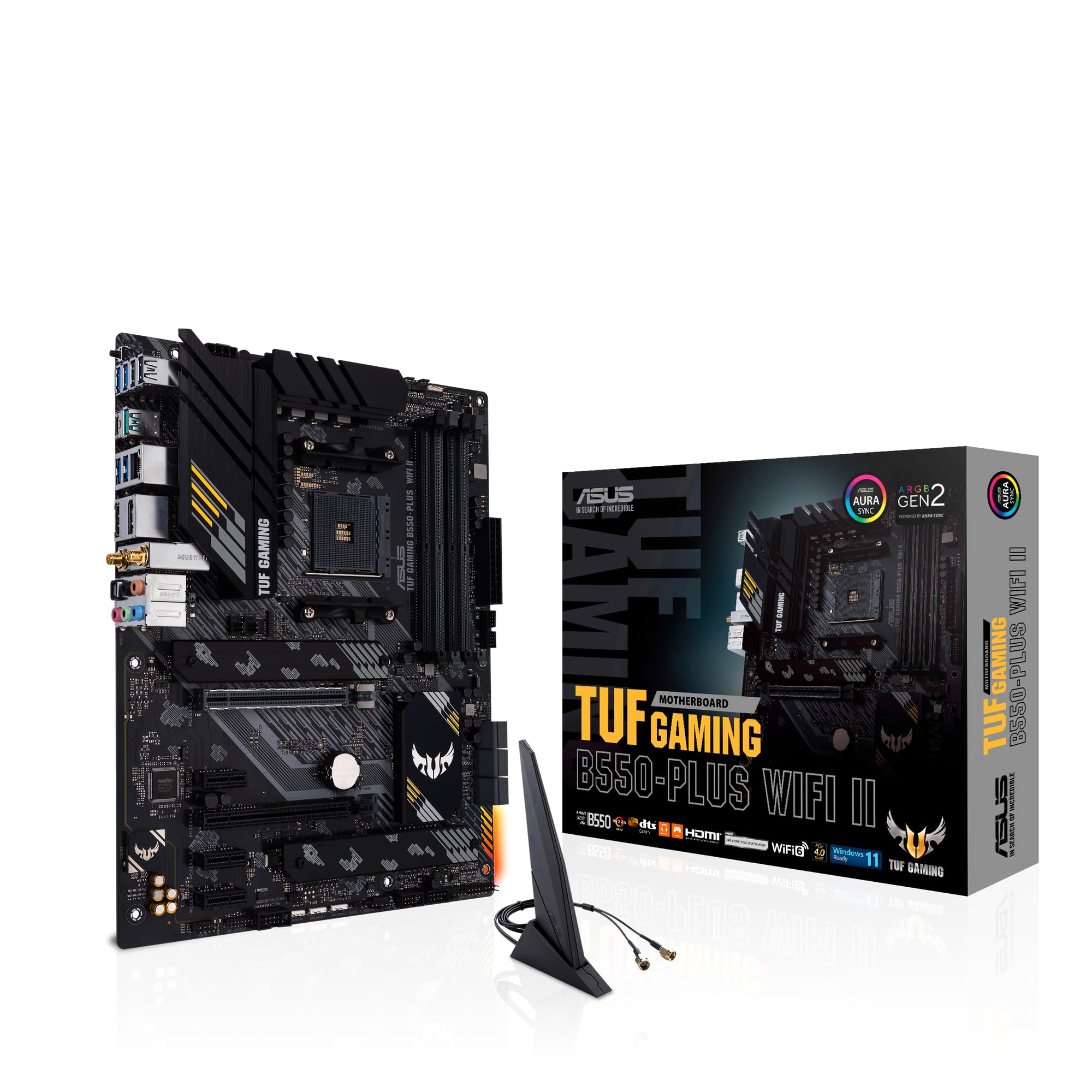
If the A520 chipset limitations are a concern, the ASRock B550M-ITX/ac is the natural step up. You get PCIe 4.0 M.2, CPU overclocking support, and WiFi 6, all in the same Mini-ITX form factor. It costs more, but if you're pairing it with a Ryzen 7 5800X or higher, the extra spend is justified. For a larger Micro-ATX build where you want more expansion options and a stronger VRM without spending a fortune, the Gigabyte B550M DS3H is worth a look. And if you've decided the AM4 platform has run its course and you want to build on something with a longer future, the AMD AM5 platform with B650 boards is the logical direction, though the cost of entry is considerably higher.
The AMD Ryzen desktop processor lineup is worth checking if you're still deciding on a CPU to pair with this board. The Ryzen 5 5600 and Ryzen 7 5700G are particularly well-matched to the A520I AC's capabilities and represent excellent value on the AM4 platform in 2026. The Realtek ALC1200 audio codec specification page is also worth a glance if audio quality from onboard sound is important to your build. And for anyone interested in the WiFi standard included, the Wi-Fi Alliance's WiFi 5 certification page covers what you're actually getting with 802.11ac.
What works. What doesn’t.
5 + 4What we liked5 reasons
- Q-Flash Plus allows BIOS updates without CPU installed, saving installation headaches
- ECC memory support is rare at this price point, useful for server builds
- ALC1200 audio codec with high-end capacitors delivers better onboard sound than most budget boards
- Built-in WiFi 5 included without needing a PCIe slot or extra cost
- Strong 4.5-star average across 249 owner reviews confirms real-world reliability
Where it falls4 reasons
- A520 chipset means no CPU overclocking at all
- PCIe 3.0 only for M.2 and GPU slot, versus PCIe 4.0 on B550 alternatives
- 6-phase VRM limits comfortable CPU TDP to 65W for sustained workloads
- WiFi 5 rather than WiFi 6 is behind current standard
Full specifications
12 attributes| Socket | AM4 |
|---|---|
| Chipset | A520 |
| Form factor | Mini-ITX |
| Bios flashback | true |
| M2 slots | 1 |
| MAX RAM | 64GB |
| MAX RAM GB | 64 |
| Network | GbE + Wi-Fi 5 |
| Pcie 5 slots | 0 |
| Pcie slots | 1x PCIe 3.0 x16 |
| RAM slots | 2 |
| RAM type | DDR4 |
If this isn’t right for you
2 options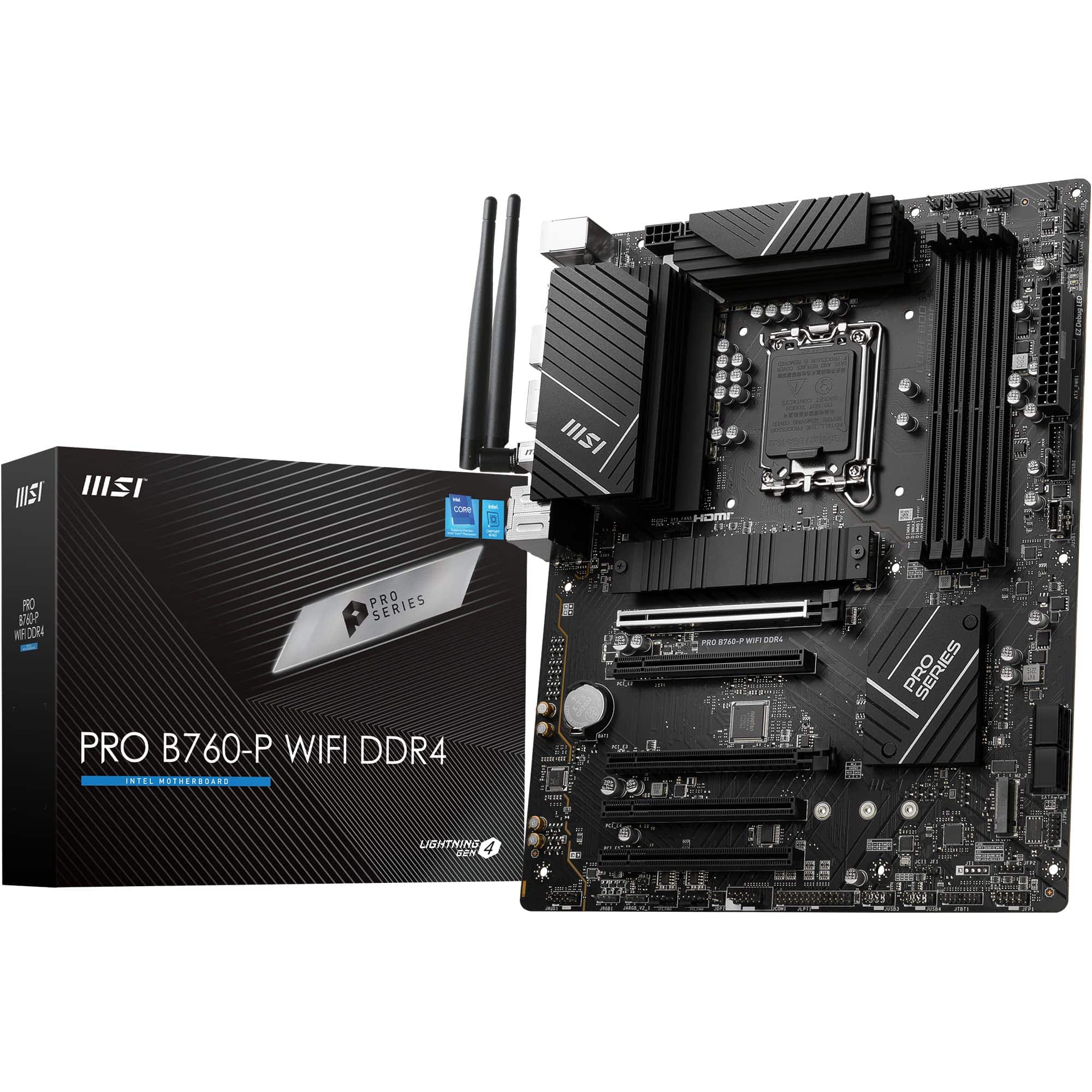
Frequently asked
5 questions01Is the Gigabyte A520I AC Motherboard overkill for just gaming?+
Not at all. For a gaming build with a Ryzen 5 5600 or Ryzen 7 5700X, the A520I AC is actually a well-matched, sensible choice. You don't need CPU overclocking for gaming, PCIe 3.0 x16 doesn't bottleneck any current mid-range GPU, and the built-in WiFi is a genuine convenience. The board handles gaming workloads without complaint. Where it would be underpowered is if you're trying to push a high-TDP chip with sustained all-core loads, but that's not a gaming scenario.
02Will my existing CPU cooler work with the Gigabyte A520I AC Motherboard?+
If your cooler is designed for the AM4 socket, it will work. The A520I AC uses the standard AM4 mounting pattern, which is compatible with the vast majority of coolers designed for Ryzen processors from the last several years. If you're coming from an Intel build, you'll need a new cooler or an AM4 mounting kit. AMD's stock Wraith coolers that ship with boxed Ryzen processors also work perfectly with this board.
03What happens if the Gigabyte A520I AC Motherboard doesn't work with my components?+
Amazon's standard 30-day return policy applies, so if something doesn't work on arrival or isn't compatible, you can return it. The most common compatibility issue is BIOS version, where a new Ryzen 5000 CPU isn't recognised because the board shipped with an older firmware. The Q-Flash Plus feature solves this: you can update the BIOS from a USB drive before installing any CPU, which eliminates the most common compatibility headache. Check Gigabyte's compatibility list on their product page before purchasing if you're unsure.
04Is there a cheaper motherboard I should consider instead?+
The A520I AC is already at the budget end of the Mini-ITX market. Going cheaper typically means sacrificing the WiFi, the ALC1200 audio, or the Q-Flash Plus feature, and the boards that do exist at lower price points often have worse owner feedback and less reliable BIOS support. If budget is the absolute priority and you don't need WiFi, there are Micro-ATX A520 boards that cost less and offer more SATA ports and expansion slots, but they won't fit in a Mini-ITX case. For the Mini-ITX form factor specifically, the A520I AC is about as affordable as you can get while still having a credible feature set.
05What warranty and returns apply to the Gigabyte A520I AC Motherboard?+
Amazon offers 30-day returns on most items, and Gigabyte typically provides a 3-year warranty on their motherboards. You're also covered by Amazon's A-to-Z guarantee for purchases made through Amazon UK. For warranty claims after the return window, you'd contact Gigabyte directly through their UK support channels.