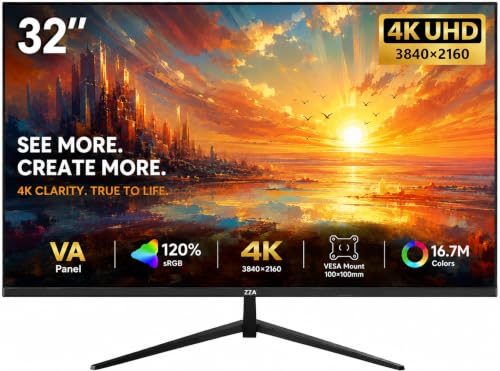
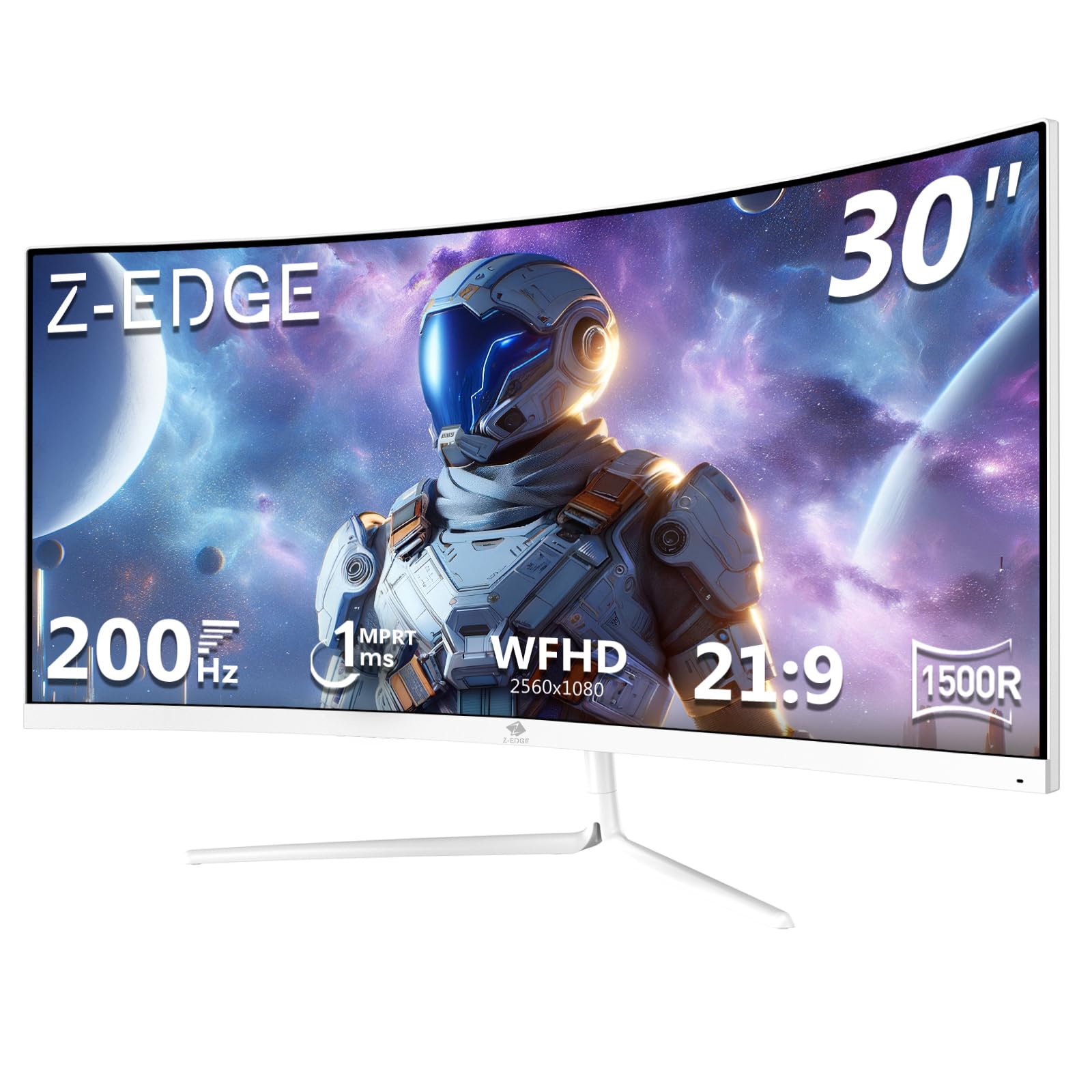
Revit is a demanding BIM application that rewards screen real estate, accurate colour reproduction and sharp pixel density above all else. Whether you are detailing structural families, coordinating MEP clashes or presenting rendered walkthroughs to clients, a cramped or colour-inaccurate display will cost you time and credibility. Since last year, QD-OLED panels have dropped significantly in price, ultrawide 34-inch displays have become far more accessible, and 4K monitors now sit at price points that once only bought 1440p. This guide focuses on monitors that offer the resolution and panel quality Revit users actually need, rather than gaming-centric specs that add cost without benefit. The picks below suit a range of budgets, from the cost-conscious sole trader working from a home studio to the practice that wants a premium 4K display on every workstation. Each monitor has been assessed against the specific demands of Revit: workspace width, colour gamut, pixel density and connectivity for multi-device setups.
Quick Verdict
Best Overall: LG UltraWide Monitor 34BA75QE. Its IPS panel, 3440x1440 resolution, built-in speakers, USB-C with RJ45 and DisplayPort 1.4 make it the most complete single-cable workstation monitor for Revit on this list.
Best Value: MSI MAG 342CQR E2. At its price point it delivers a 3440x1440 ultrawide canvas with USB-C connectivity, making it the most affordable route to a wide Revit workspace.
The LG 34BA75QE is the monitor that most Revit users working in a professional studio environment should seriously consider first. It combines an IPS panel with a 3440x1440 ultrawide resolution across a 34-inch screen, giving you the horizontal workspace to keep your Revit project browser, properties palette, ribbon and 3D viewport open simultaneously without constant resizing or hiding of panels. That workflow benefit alone justifies the ultrawide format for BIM work.
The IPS panel is the critical differentiator here compared with the VA-based ultrawide alternatives. IPS panels deliver wider viewing angles and more consistent colour accuracy across the screen, which matters when you are presenting coordination views to colleagues gathered around your desk or when you need to distinguish between material finishes in a rendered view. Colour consistency at the edges of a 34-inch screen is noticeably better on IPS than on VA, and that is a real-world advantage in a BIM context.
Connectivity is where this monitor genuinely stands apart from the competition at a similar price. It includes USB-C, an RJ45 Ethernet port, HDMI, DisplayPort 1.4 and a USB hub, plus built-in speakers. For a laptop-based architect or engineer, this means a single USB-C cable can carry video, data, network and power, turning the monitor into a docking station. That eliminates the need for a separate dock and keeps the desk tidy. The RJ45 port is particularly valuable in practice environments where Wi-Fi is unreliable or where IT policy requires wired connections.
The 60 Hz refresh rate will disappoint anyone who also games, but for Revit, 60 Hz is entirely sufficient. No BIM workflow demands high frame rates. The 5ms response time is equally inconsequential for this use case. The HDR10 support adds some benefit when viewing rendered outputs, though the panel's peak brightness will not rival a dedicated HDR display.
At its price point, the combination of IPS accuracy, ultrawide resolution and exceptional connectivity makes this the most complete single-monitor solution for a Revit workstation. It is the pick for professionals who want to buy once and not revisit the decision for several years.
Pros
- IPS panel delivers consistent colour accuracy across the full 34-inch width
- USB-C with RJ45 Ethernet turns the monitor into a single-cable laptop dock
- 3440x1440 ultrawide resolution keeps all Revit palettes and viewports visible simultaneously
The Samsung LS32FM703UUXXU takes a different approach to the Revit workstation problem. Rather than going ultrawide, it offers a 32-inch 4K UHD resolution in a traditional 16:9 aspect ratio, which suits users who prefer a taller canvas for drawing sheets, section cuts and elevation views. At 4K on a 32-inch screen, pixel density is high enough that Revit's interface elements, text annotations and line weights are rendered with exceptional sharpness, reducing eye strain during long modelling sessions.
The VA panel offers strong contrast ratios, which makes it easier to distinguish between Revit's various view types, particularly when working with dark-background views or when reviewing clash detection results where colour coding is critical. HDR10 support means rendered outputs and Enscape or Lumion previews will display with better dynamic range than a standard SDR monitor, which is a genuine benefit when presenting to clients directly from the workstation.
The Smart Monitor functionality is a feature that sets this Samsung apart from every other pick on this list. It can function as a standalone smart device, running Samsung's Tizen OS with access to streaming apps, a web browser and Microsoft 365 via the cloud. For architects who occasionally need to reference project documents, review PDFs or attend video calls without switching to a laptop, this is a genuinely useful capability. The built-in speakers support this use case without requiring external audio hardware.
The premium price reflects the 4K resolution, Smart Monitor platform and Samsung's build quality. It is the right choice for a senior architect or practice director who wants a single high-quality display that doubles as a presentation screen and can run basic tasks independently of a connected PC. The white colourway also suits modern studio aesthetics better than the black-and-grey finish of most monitors in this category.
The VA panel's viewing angle limitations are worth noting: colour shift at extreme angles is more pronounced than on IPS, so this is a monitor best used by a single person directly in front of it rather than in a multi-viewer presentation context.
Pros
- 4K UHD on a 32-inch screen delivers exceptional sharpness for Revit annotations and line weights
- Smart Monitor OS allows standalone use for document review and video calls without a connected PC
- Built-in speakers and HDR10 support reduce the need for additional peripherals
Cons
- VA panel shows colour shift at wide viewing angles, limiting use as a shared presentation screen
- Premium price is significantly higher than ultrawide alternatives offering comparable workspace area
Buying Guide
Resolution: Why 1080p Is Not Enough for Revit
Full HD 1920x1080 monitors are entirely adequate for many computing tasks, but Revit's interface is unusually demanding on screen real estate. The ribbon alone occupies a significant horizontal band, and the project browser and properties palette together consume a substantial portion of the remaining vertical space. On a 1080p monitor, the actual viewport where you model and review geometry is cramped. Moving to 1440p or 4K, or to a 3440x1440 ultrawide, immediately and noticeably increases the usable modelling area. If you are currently using a 1080p monitor for Revit and wondering why the interface feels cluttered, resolution is almost certainly the reason.
Ultrawide vs 4K: Which Format Suits Revit Better
This is the most common question among Revit users upgrading their display. The answer depends on how you work. Ultrawide 3440x1440 monitors excel at keeping multiple Revit panels and viewports visible simultaneously in a horizontal layout. They are ideal for coordination work, where you want a plan view and a 3D view open side by side, or for documentation, where you want the drawing sheet and the project browser visible together. 4K 16:9 monitors at 32 inches offer more vertical space, which suits users who work extensively with drawing sheets, section cuts and elevation views where height matters more than width. Neither format is objectively superior: the right choice depends on your workflow.
Panel Type: IPS, VA or QD-OLED
IPS panels are the default recommendation for professional display work. They offer consistent colour accuracy across the screen and wide viewing angles, which matters when presenting to colleagues or clients. VA panels offer higher contrast ratios, which can make complex views easier to read, but their colour shift at wide angles is a real limitation. QD-OLED panels offer the best colour performance and per-pixel contrast of the three types, but carry a long-term burn-in risk that is worth considering for a monitor used in a fixed BIM workflow with static UI elements displayed for many hours per day.
Connectivity: What Revit Users Actually Need
Desktop workstation users need at minimum a DisplayPort 1.4 connection to drive 3440x1440 or 4K resolutions reliably. HDMI 2.0 supports 4K at 60 Hz and 3440x1440 at higher refresh rates. Laptop users should prioritise monitors with USB-C connectivity, ideally with power delivery, to enable single-cable docking. An RJ45 Ethernet port on the monitor is a significant advantage in practice environments where wired network connections are required. USB hub functionality reduces desk clutter by allowing peripherals to connect through the monitor rather than directly to the laptop.
Screen Size and Viewing Distance
For Revit work, 27 inches is a comfortable minimum for 1440p, and 32 inches is the sweet spot for 4K. Ultrawide 34-inch panels work best at a viewing distance of 60 to 80 centimetres. At closer distances, the curvature of ultrawide panels helps maintain comfortable viewing across the full width. At greater distances, a flat 4K panel may be easier to use. Measure your desk depth before purchasing an ultrawide monitor, as the larger physical footprint can be a constraint in smaller studios.
The LG UltraWide Monitor 34BA75QE is the overall winner for Revit users. It combines the three things that matter most for BIM productivity: a 3440x1440 ultrawide resolution that accommodates Revit's full interface without compromise, an IPS panel that delivers consistent colour accuracy across the full 34-inch width, and a connectivity suite, including USB-C, RJ45 Ethernet, DisplayPort 1.4, HDMI and a USB hub, that makes it a complete single-cable docking solution for laptop-based architects and engineers. The built-in speakers eliminate the need for an additional peripheral. No other monitor on this list combines all of these attributes at a comparable price. For users on a tighter budget who still want the ultrawide canvas, the MSI MAG 342CQR E2 is the pragmatic alternative, delivering 3440x1440 with USB-C connectivity at the lowest price on the list. For those who prioritise absolute image quality for rendered output review, the MSI MAG 272QP QD-OLED X50 is the premium choice, with the caveat that its burn-in risk requires active management in a long-hours BIM environment.