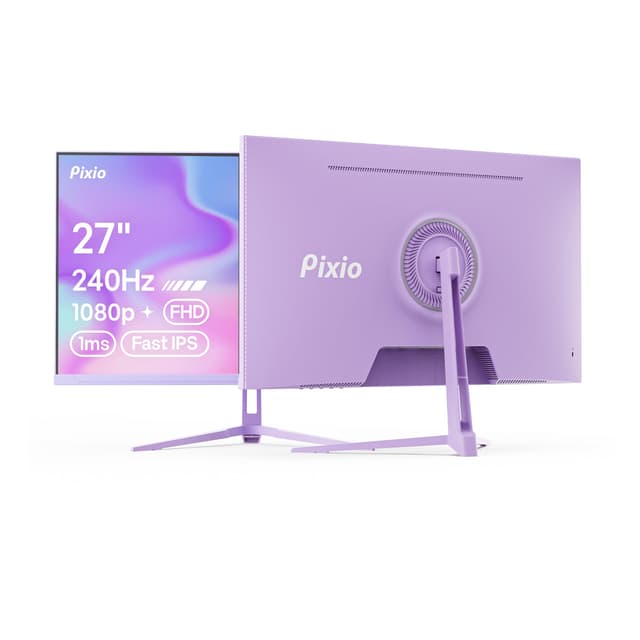
Content creators have specific demands that gaming monitors and basic office screens rarely satisfy out of the box. Whether you are editing 4K video, retouching photographs, designing graphics or producing digital illustrations, you need accurate colour reproduction, sufficient resolution to see fine detail, and a panel type that does not misrepresent your work. Since last year, QD-OLED panels have become far more accessible in price, ultrawide IPS displays have added productivity-friendly connectivity such as USB-C with power delivery and RJ45, and Samsung's Smart Monitor range has expanded to offer standalone streaming and productivity features that reduce desk clutter. This roundup covers monitors from 22 to 34 inches across a range of budgets, helping photographers, video editors, graphic designers, and general creatives find the right screen without overspending on gaming features they do not need, or underspending on a panel that will let them down when colour accuracy matters most.
Quick Verdict
Best Overall: MSI MAG 272QPW QD-OLED X28. The QD-OLED panel delivers exceptional contrast, wide colour gamut coverage, and pixel-perfect sharpness at 1440p that makes it the strongest all-round creative display in this selection.
Best Value: Philips Evnia 27M2N3800A. A 4K IPS panel at under £170 is remarkable, and for photographers and designers who need genuine 4K detail without a premium price, it is the shrewdest purchase here.
| Product | Price | Resolution | Panel Type | Screen Size | Refresh Rate | Key Ports |
|---|---|---|---|---|---|---|
| MSI MAG 272QPW QD-OLED X28 | £448.99 | 2560x1440 | QD-OLED | 27" | 280Hz | 2x HDMI 2.1, DP 1.4a, USB-C (15W PD) |
| Philips Evnia 27M2N3800A | 4K UHD | IPS | 27" | 160Hz | Not specified beyond standard | |
| LG UltraWide 34BA75QE | £413.39 | 3440x1440 | IPS | 34" | 60Hz | USB-C, RJ45, HDMI, DP 1.4, USB hub, speakers |
| AOC CU34G2XPD | £277.00 | 3440x1440 | VA | 34" | 180Hz | 2x HDMI 2.0, 2x DP 1.4, 4x USB-A, 3.5mm |
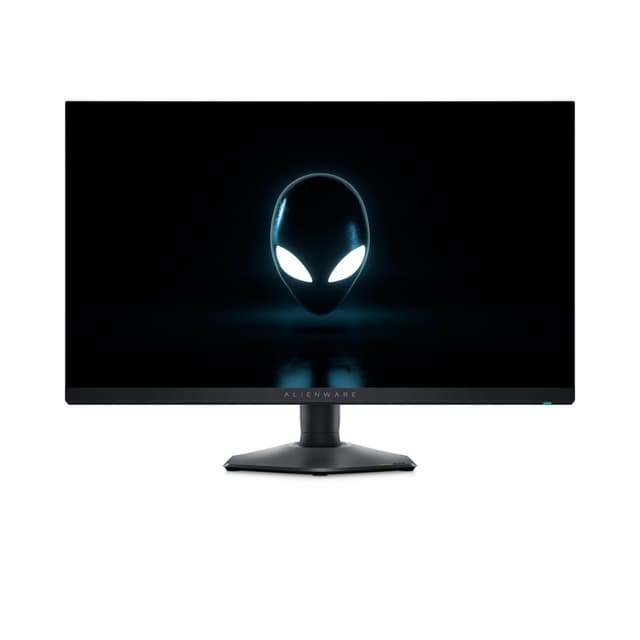
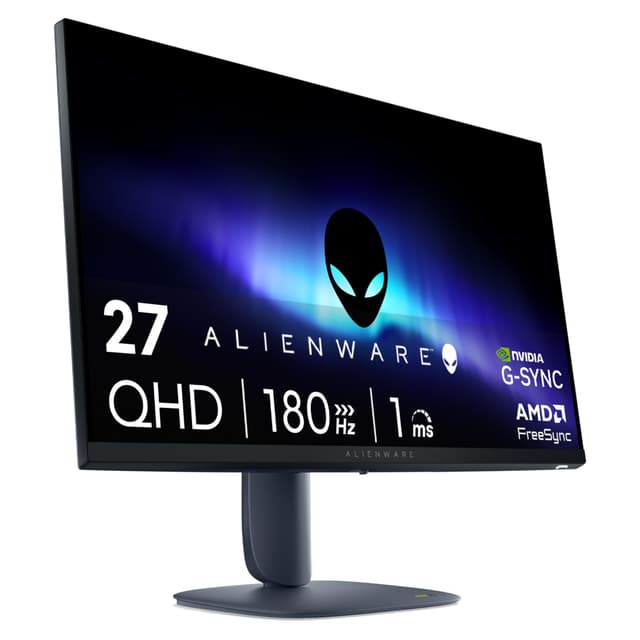
| Alienware AW2725DM | 2560x1440 | Fast IPS | 27" | 180Hz | 2x HDMI, 1x DP, 3x USB | |
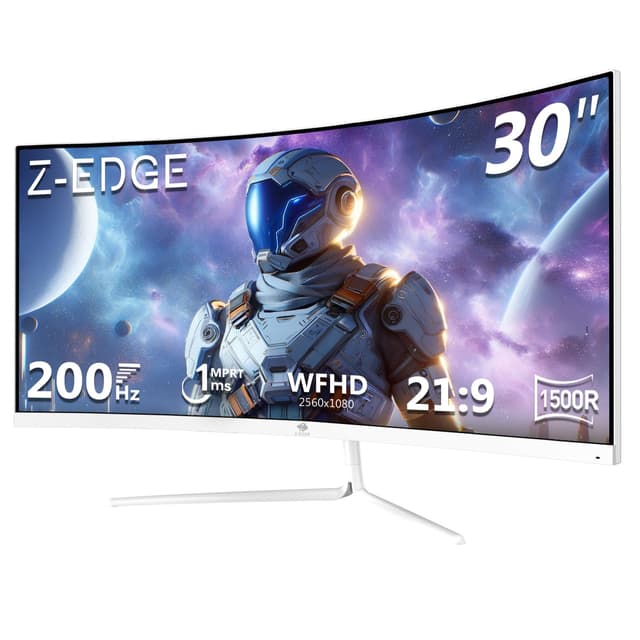
| LXZ 34" Curved 1500R | Check price | 3440x1440 | VA | 34" | 165Hz | 2x HDMI, 1x DisplayPort |
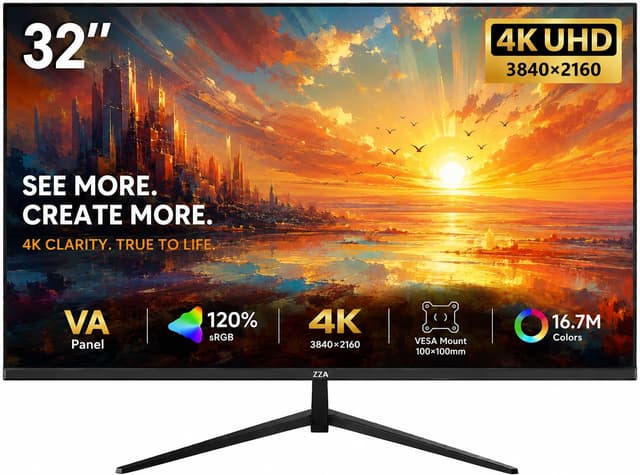
| Samsung LS32FM703UUXXU 32" Smart Monitor | 4K UHD | VA | 32" | Not specified | Smart apps, built-in speakers, HDR10 |
1. MSI MAG 272QPW QD-OLED X28
The MSI MAG 272QPW QD-OLED X28 is the most technically impressive panel in this roundup and the one that content creators with a mid-range budget should look at most seriously. It uses a Quantum Dot OLED panel at 2560x1440 resolution across a 27-inch screen, which gives a pixel density that is sharp enough for detailed photo retouching and video editing without needing to scale the interface as aggressively as a 4K panel at the same size would require.
QD-OLED technology combines the self-emissive contrast of OLED, where black pixels are genuinely off rather than backlit, with the wide colour gamut coverage that Quantum Dot enhancement brings. For creatives, this means deep, inky shadows in landscape photographs, vivid saturation in graphic design work, and a viewing experience that more closely matches how your finished work will appear on high-quality output devices. The panel's contrast ratio is effectively infinite at pixel level, which is something no IPS or VA backlit display can match.
Connectivity is well considered for a creative workstation. The two HDMI 2.1 ports allow connection to a modern laptop or console simultaneously, the DisplayPort 1.4a handles a desktop GPU, and the USB-C port with 15W power delivery means a laptop can be connected and lightly charged through a single cable, reducing desk cable clutter. The 280Hz refresh rate is primarily a gaming feature, but it also makes scrolling through long documents and timelines feel noticeably smoother than 60Hz or even 144Hz panels.
The 27-inch screen size is a sweet spot for a single-monitor creative setup. It is large enough to have a full editing timeline and preview window open simultaneously, but compact enough to sit comfortably at a standard desk without requiring the user to turn their head to see the edges. The 1440p resolution means that video editors working in 1080p or 1440p can see their footage at close to native resolution, which is useful for judging sharpness and noise.
One consideration for colour-critical work is that OLED panels can exhibit slight colour shift at extreme viewing angles compared to the best IPS displays, and some QD-OLED panels have a slight blue tint on white backgrounds at certain brightness levels. These are minor concerns for most creative workflows, but photographers doing critical print preparation may want to calibrate carefully. The panel is not factory-calibrated to a specific Delta E standard in the way that some dedicated professional monitors are, so a hardware calibrator is recommended for the most demanding colour work.
Verdict: The best all-round creative monitor in this selection, offering OLED contrast, wide colour gamut, and sharp 1440p resolution at a price that represents genuine value for the technology involved.
Pros
- QD-OLED panel delivers effectively infinite contrast ratio for deep shadows and vivid highlights
- Wide colour gamut coverage suits graphic design, photo editing, and video grading
- USB-C with 15W power delivery simplifies single-cable laptop connection
- 280Hz refresh rate makes timeline scrubbing and UI navigation exceptionally smooth
Cons
- Not factory-calibrated to a specific Delta E standard, so hardware calibration is recommended for print-critical work
- QD-OLED panels can show slight colour shift on pure white backgrounds at lower brightness settings
2. Philips Evnia 27M2N3800A
The Philips Evnia 27M2N3800A is a remarkable proposition for budget-conscious content creators. At under £170, it offers a genuine 4K IPS panel at 27 inches with a 160Hz refresh rate, which is a specification combination that would have cost three times as much just a few years ago. For photographers and graphic designers who need pixel-level detail and accurate colour rendering, this monitor punches well above its price point.
The IPS panel technology is the key selling point for creative work. IPS displays are the traditional choice for colour-sensitive applications because they offer wide viewing angles with consistent colour representation, meaning the image looks the same whether you are sitting directly in front of the screen or viewing from a slight angle. This matters in a studio environment where colleagues may be reviewing your work from the side, and it matters when you are moving your head naturally while working rather than staying rigidly centred.
4K resolution at 27 inches gives a pixel density of approximately 163 pixels per inch. This is dense enough that individual pixels are not visible at normal viewing distances, and it means that high-resolution photographs can be viewed at close to their native resolution without zooming out. Video editors working in 4K can see their footage at a 1:1 pixel ratio within their editing software, which is genuinely useful for assessing sharpness, noise, and fine detail in footage.
The 160Hz refresh rate is higher than most content creators strictly need, but it does make the overall desktop experience feel more fluid. Scrolling through a long Lightroom catalogue, scrubbing through a Premiere Pro timeline, or navigating a complex Illustrator document all feel noticeably smoother at 160Hz than at the 60Hz that many professional monitors offer. This is a secondary benefit rather than a primary creative feature, but it improves the daily working experience.
The Evnia range from Philips has historically offered good out-of-box colour accuracy on its IPS panels, and the 27M2N3800A continues this tradition. For most creative workflows, the default colour profile will be adequate, though photographers preparing work for print should still use a hardware calibrator to achieve the most accurate results. The monitor's HDR support adds further flexibility for video creators working with HDR content.
At this price, the Evnia 27M2N3800A is the most cost-effective route to a 4K IPS creative display in this roundup, and it is the obvious recommendation for anyone who needs genuine resolution and colour quality without spending significantly more.
Verdict: The best value pick for content creators who need 4K resolution and IPS colour accuracy without a premium price tag. Exceptional specification for the money.
Pros
- 4K IPS panel at 27 inches offers sharp detail for photo editing and graphic design at a very competitive price
- IPS technology provides wide viewing angles with consistent colour representation
- 160Hz refresh rate makes the desktop and creative software feel noticeably more fluid than standard 60Hz monitors
Cons
- Not factory-calibrated to a specific Delta E standard, which may require hardware calibration for print-critical colour work
- 27-inch screen at 4K requires UI scaling adjustments on some operating systems to keep text readable
3. LG UltraWide 34BA75QE
The LG UltraWide 34BA75QE is the monitor in this roundup that is most specifically designed for professional productivity rather than gaming, and for content creators who spend long hours in complex multi-panel creative applications, it makes a compelling case for the ultrawide format. The 34-inch IPS panel at 3440x1440 resolution provides a canvas that is significantly wider than a standard 16:9 display, which translates directly into practical benefits for video editing, audio production, and multi-application workflows.
In video editing software such as Adobe Premiere Pro or DaVinci Resolve, the extra horizontal space means you can have a longer timeline visible without scrolling, a full-size preview window, and your effects panel all on screen simultaneously. In photo editing, you can have Lightroom's develop module open with the full histogram, all adjustment sliders, and a large preview without any panel overlapping or hiding. This reduction in constant panel management and scrolling adds up to meaningful time savings over a working day.
The IPS panel technology ensures that colour representation is consistent and accurate across the wide screen, which is important because ultrawide VA panels can show colour shift towards the edges of the display at the extreme left and right. IPS maintains consistency across the full width, which matters when you are judging colour in an image that spans the full screen. The panel supports HDR10, which is useful for video creators working with HDR footage.
The connectivity on the LG 34BA75QE is the most comprehensive in this roundup for a professional creative setup. USB-C allows a modern laptop to connect with a single cable and receive power while transmitting video and data. The RJ45 ethernet port is particularly valuable for video editors who transfer large files to network-attached storage, as it provides a stable wired connection without needing a separate dock or adapter. The built-in USB hub, HDMI, and DisplayPort 1.4 round out a connectivity suite that is genuinely dock-like in its functionality.
The 60Hz refresh rate is the one area where this monitor shows its productivity-first priorities. For content creation work, 60Hz is perfectly adequate since you are not playing fast-paced games, but the desktop experience does feel less fluid than the 160Hz or 180Hz panels elsewhere in this list. If you are used to a high-refresh-rate display, the transition to 60Hz can feel slightly sluggish for everyday desktop use.
The built-in speakers are a practical addition for a desk setup where space is at a premium, and the LG UltraWide format has a strong track record for colour accuracy that makes it a trusted choice among professional users. At its price point, the combination of IPS ultrawide, USB-C, RJ45, and built-in speakers represents strong value for a professional creative workstation.
Verdict: The best choice for content creators who work in complex multi-panel applications and need dock-like connectivity. The IPS ultrawide format and comprehensive port selection make it a genuine productivity powerhouse.
Pros
- 3440x1440 IPS ultrawide panel provides consistent colour accuracy across the full screen width
- USB-C, RJ45, HDMI, DisplayPort 1.4, and built-in USB hub eliminate the need for a separate dock
- Built-in speakers reduce desk clutter for creators who do not need dedicated audio monitoring
Cons
- 60Hz refresh rate makes everyday desktop navigation feel less fluid compared to higher-refresh alternatives
- Ultrawide format requires software that handles the 21:9 aspect ratio well, which not all creative applications do natively
4. AOC CU34G2XPD
The AOC CU34G2XPD is a 34-inch curved ultrawide monitor at 3440x1440 resolution with a 180Hz refresh rate and a VA panel, offered at a price that makes the ultrawide format accessible to creators on a tighter budget. While it is marketed primarily as a gaming monitor, its ultrawide resolution and generous connectivity make it a practical choice for content creators who want the extra screen real estate of the 21:9 format without the premium price of the LG UltraWide IPS alternative.
The 3440x1440 resolution is the same as the LG UltraWide, providing the same practical benefits for video editing timelines, multi-panel creative applications, and wide photo editing canvases. The 1500R curvature of the screen is designed to match the natural curvature of human vision, which reduces eye strain during long editing sessions and makes the edges of the screen feel less distant. For creators who spend many hours in front of their display, this ergonomic consideration is worth noting.
The connectivity suite is comprehensive and well suited to a creative workstation. Two HDMI 2.0 ports allow connection to two devices simultaneously, two DisplayPort 1.4 outputs provide high-bandwidth connections for a desktop GPU or laptop, four USB-A ports on the monitor itself create a useful hub for peripherals such as drawing tablets, card readers, and USB drives, and the 3.5mm audio output connects headphones or speakers directly to the monitor. This level of connectivity at this price point is genuinely impressive.
The VA panel offers the same contrast advantages as other VA displays in this roundup, with deeper blacks than IPS. The 180Hz refresh rate is primarily a gaming feature, but as with other high-refresh monitors, it makes the creative software experience feel smoother and more responsive. FreeSync Premium support is included, which is useful if you use the monitor for gaming alongside creative work.
The main limitation for colour-critical creative work is that VA panels, while offering good contrast, do not match the colour accuracy and viewing angle consistency of IPS at the same price point. Photographers doing print preparation or video colourists working to broadcast standards will want to calibrate carefully. For graphic designers, video editors doing non-broadcast work, and general creative tasks, the AOC CU34G2XPD offers strong value in the ultrawide category.
Verdict: The most affordable route to a 34-inch ultrawide creative display with comprehensive connectivity. The VA panel requires calibration for colour-critical work, but the value proposition is strong for general creative use.
Pros
- 3440x1440 ultrawide resolution provides a wide canvas for video editing timelines and multi-panel creative workflows
- Four USB-A ports on the monitor create a convenient hub for creative peripherals
- Two DisplayPort 1.4 and two HDMI 2.0 ports allow flexible multi-device connection
Cons
- VA panel shows colour shift at wide viewing angles, which reduces accuracy for collaborative colour review
- Primarily a gaming monitor, so factory colour calibration is not optimised for creative professional standards
5. Alienware AW2725DM
The Alienware AW2725DM is a 27-inch QHD monitor with a Fast IPS panel at 2560x1440 resolution and a 180Hz refresh rate. While Alienware is best known for gaming hardware, the AW2725DM's Fast IPS panel technology makes it a genuinely capable creative display, and its competitive pricing places it in an interesting position for creators who also use their setup for gaming and want a single monitor that handles both tasks well.
Fast IPS is a variant of IPS technology that reduces pixel response time to 1ms while retaining the wide viewing angles and colour accuracy characteristics that make IPS the preferred panel type for creative work. For content creators, this means you get the colour consistency and viewing angle stability of IPS without the slower response times that older IPS panels exhibited. The result is a monitor that is equally comfortable running Adobe Photoshop at 60Hz for careful retouching and running a fast-paced game at 180Hz in the evening.
The 2560x1440 resolution at 27 inches provides a pixel density of approximately 109 pixels per inch, which is sharp enough for detailed creative work and comfortable for extended editing sessions. Video editors working in 1080p can view their footage at a comfortable scale, and photographers editing high-resolution images will find the resolution adequate for most retouching tasks, though it does not match the pixel-level detail available on the 4K options in this roundup.
Connectivity includes two HDMI ports, one DisplayPort, and three USB ports, which covers the essential connections for a creative workstation. The USB ports are useful for connecting peripherals directly to the monitor, reducing the number of cables running to the computer itself. The port selection is functional rather than exceptional, and creators who need USB-C or ethernet connectivity will need to use a separate hub or dock.
The Alienware build quality is generally regarded as premium, with solid construction and good ergonomic adjustment including height, tilt, and pivot. The monitor's stand allows it to be positioned precisely for comfortable extended working sessions, which matters for creators who spend many hours at their desk. The aesthetic is more gaming-oriented than some creators may prefer, but the functional qualities are strong.
At its price point, the AW2725DM is a strong choice for creators who want Fast IPS colour accuracy and viewing angle consistency in a 27-inch 1440p form factor, particularly those who also game and want a single monitor for both activities. Pairing it with the best gaming peripherals in the UK completes a dual-purpose setup.
Verdict: A capable dual-purpose creative and gaming monitor with Fast IPS colour accuracy. The best choice for creators who also game and want a single high-quality 27-inch display for both uses.
Pros
- Fast IPS panel combines IPS colour accuracy and wide viewing angles with 1ms response time
- 180Hz refresh rate makes it equally capable for creative work and gaming on a single monitor
- Premium Alienware build quality with full ergonomic adjustment for comfortable extended working sessions
Cons
- No USB-C port limits single-cable laptop connectivity compared to monitors with USB-C inputs
- 1440p resolution does not match the pixel-level detail available from 4K options at similar or lower prices
6. LXZ 34" Curved Monitor 1500R
The LXZ 34-inch Curved Monitor is the most budget-friendly ultrawide option in this roundup, offering 3440x1440 resolution at 165Hz with a VA panel and a 1500R curvature at a price that significantly undercuts the established brands. For content creators who want the ultrawide format on a strict budget and are willing to accept some compromises in connectivity and panel refinement, the LXZ represents an accessible entry point into the 34-inch ultrawide category.
The 3440x1440 resolution provides the same practical workspace benefits as the more expensive ultrawide options in this roundup. Video editing timelines can be longer, photo editing canvases wider, and multi-application workflows more efficient. The 1500R curvature is the same radius as the AOC CU34G2XPD, designed to match the natural curvature of human vision and reduce eye strain during extended sessions. For creators who spend long hours editing, this ergonomic consideration is a genuine benefit.
The VA panel offers the contrast advantages typical of the technology, with deeper blacks than IPS panels at the same price. For video editors working with dark footage or creators who work in a dimly lit environment, the higher native contrast ratio of VA makes dark areas of images appear more detailed and less washed out than they would on a backlit IPS panel at the same brightness level.
The 165Hz refresh rate is higher than most content creators strictly require, but it contributes to a smooth desktop experience that reduces the sense of lag when scrolling through large image libraries or navigating complex editing timelines. FreeSync support is included, which is useful for those who also use the monitor for gaming.
The connectivity is more limited than the other ultrawide options in this roundup, with two HDMI ports and one DisplayPort. There are no USB hub ports on the monitor itself, which means peripheral connections must go directly to the computer. For creators who use multiple peripherals such as drawing tablets, card readers, and audio interfaces, this may require a separate USB hub. The absence of USB-C is also a limitation for laptop users who prefer single-cable connectivity.
The LXZ brand is less established than Samsung, LG, AOC, or Philips, which means long-term support and warranty service may be less reliable. For a budget purchase, this is an acceptable trade-off for many users, but those who depend on their monitor for professional work should factor this into their decision.
Verdict: The most affordable ultrawide 1440p option in the roundup. A practical choice for creators on a tight budget who want the ultrawide format, accepting limited connectivity and a less established brand.
Pros
- 3440x1440 ultrawide resolution at a significantly lower price than established brand alternatives
- 1500R curvature reduces eye strain during long editing sessions by matching the natural curvature of human vision
Cons
- No USB hub ports on the monitor limits peripheral connectivity for creative workstations with multiple devices
- Less established brand with potentially limited long-term warranty and support compared to major manufacturers
- VA panel colour shift at wide viewing angles reduces accuracy for collaborative colour review
7. Samsung LS32FM703UUXXU 32" 4K Smart Monitor
The Samsung LS32FM703UUXXU is the premium Smart Monitor in this roundup, a 32-inch 4K VA display with HDR10, built-in speakers, and Samsung's full Smart Monitor software platform. At its price point, it is the most expensive display in this selection, and it justifies that premium through a combination of large screen size, 4K resolution, and a feature set that extends well beyond what a standard computer monitor offers. It is finished in white, which distinguishes it aesthetically from the typical black monitors in this category and suits a clean, modern studio aesthetic.
The 32-inch screen at 4K resolution provides a generous workspace for content creators. At this size, 4K resolution gives a pixel density that is comfortable to read without scaling while still providing sharp detail for photo retouching and video editing. The large physical size means that video previews are more immersive and that multiple application windows can be open simultaneously without feeling cramped. For video editors who want to see their footage at a large scale during the editing process, 32 inches is a meaningful step up from 27 inches.
The Smart Monitor platform allows the display to function as a standalone device for streaming services, cloud-based productivity applications, and Samsung's DeX mode when connected to a compatible Samsung smartphone. For content creators who work with mobile devices as part of their workflow, the DeX integration can be particularly useful, allowing a Samsung phone to drive the monitor as a desktop computer. The built-in speakers reduce the need for separate audio hardware in a studio setup where monitoring-grade audio is not required.
The VA panel technology offers the contrast advantages typical of the format, with deep blacks that are beneficial for video work and a high native contrast ratio that makes HDR content appear more impactful. The HDR10 support is relevant for video creators who need to preview HDR footage, and the large screen size makes HDR content more visually impressive than on smaller displays. As with other VA panels, colour shift at wide viewing angles is a consideration for collaborative work.
The white finish is a distinctive design choice that will appeal to creators with a clean, minimal studio aesthetic, and Samsung's build quality at this price point is generally excellent. The monitor's premium positioning is reflected in its finish, stand quality, and software polish. For creators who want a large, versatile 4K display with Smart Monitor functionality and are willing to pay a premium for it, the LS32FM703UUXXU is a strong choice.
Verdict: The premium Smart Monitor option for creators who want a large 4K display with standalone functionality, built-in speakers, and a distinctive white finish. Best suited to creators who value versatility and aesthetics alongside performance.
Pros
- 32-inch 4K VA panel provides a large, high-resolution canvas for immersive video editing and photo work
- Smart Monitor platform with DeX support adds standalone functionality that standard monitors cannot offer
- Built-in speakers and white finish suit a clean, modern studio aesthetic without additional audio hardware
Cons
- Premium price is significantly higher than other 4K options in this roundup that offer comparable resolution
- VA panel colour shift at wide viewing angles limits accuracy for collaborative colour review sessions
How We Picked
Every monitor in this roundup was assessed against criteria that matter specifically to content creators rather than gamers or general office users. Panel technology was the primary consideration: IPS and QD-OLED panels were prioritised for their colour accuracy and viewing angle consistency, while VA panels were included where their contrast advantages or price points offered specific value for particular creative use cases. Resolution was weighted heavily, with 1440p as the minimum for serious creative work and 4K preferred where available at a reasonable price. Connectivity was assessed for creative workflow relevance, including USB-C for laptop users, USB hub ports for peripheral-heavy setups, and ethernet for file-transfer-intensive workflows. Screen size was considered in relation to resolution and pixel density, ensuring that higher-resolution panels were assessed at sizes where their detail advantage is practically meaningful. Price was considered relative to the specification and the realistic budget of independent and semi-professional content creators in the UK market.
Buying Guide
Panel Technology: IPS, VA, or OLED?
For content creators, panel technology is the single most important specification. IPS panels are the traditional professional choice because they offer wide viewing angles with consistent colour representation. This means that the colour you see at the centre of the screen matches what you see at the edges, and that colleagues reviewing your work from the side see an accurate representation. IPS panels are the standard choice for photographers, graphic designers, and video colourists who need reliable colour accuracy.
VA panels offer higher native contrast ratios than IPS, which means deeper blacks and more impactful HDR content. They are a good choice for video editors who work with dark scenes and for creators who work in environments where ambient light is controlled. The trade-off is that VA panels show more colour shift at wide viewing angles than IPS, which can be a limitation for collaborative review.
QD-OLED panels, as seen in the MSI MAG 272QPW, combine the self-emissive contrast of OLED with wide colour gamut coverage from Quantum Dot technology. They offer the best contrast performance of any panel type and excellent colour gamut coverage, making them the premium choice for creators who can afford them. They are not factory-calibrated to professional standards in the consumer market, so hardware calibration is still recommended for the most demanding work.
Resolution: How Much Do You Need?
For content creation, 1440p (2560x1440) is the practical minimum for a 27-inch monitor. It provides enough detail for photo retouching and video editing while keeping GPU requirements manageable. 4K (3840x2160) is preferable for photographers and video editors who work with high-resolution source material and want to see fine detail at close to native resolution. Ultrawide 1440p (3440x1440) offers a different trade-off: more horizontal workspace at the cost of vertical resolution compared to 4K, which suits video editors and multi-application workflows more than photographers.
Screen Size and Pixel Density
Screen size should be considered alongside resolution. A 4K panel at 27 inches gives a pixel density of approximately 163 PPI, which is sharp but requires UI scaling on some operating systems. A 4K panel at 32 inches gives approximately 138 PPI, which is more comfortable to read without scaling. Ultrawide panels at 34 inches give approximately 109 PPI at 1440p, which is comfortable but not as sharp as 4K at the same size.
Connectivity for Creative Workflows
USB-C with power delivery is increasingly important for laptop-based creators, as it allows a single cable to carry video, data, and power. RJ45 ethernet is valuable for video editors who transfer large files to network storage. USB hub ports on the monitor reduce cable clutter for creators with multiple peripherals. HDMI 2.0 or 2.1 and DisplayPort 1.4 are the standard high-bandwidth connections for desktop GPUs and modern laptops.
Colour Accuracy and Calibration
No monitor in the consumer price range is perfectly calibrated out of the box for professional colour work. A hardware colorimeter and calibration software such as X-Rite i1Display or Datacolor SpyderX will allow you to create a custom ICC profile for your monitor, ensuring that the colours you see on screen match your output targets. This is particularly important for photographers preparing work for print and video colourists working to broadcast standards.
Final Verdict
The MSI MAG 272QPW QD-OLED X28 is the overall winner for content creators in this roundup. Its QD-OLED panel delivers contrast performance and colour gamut coverage that no IPS or VA display in this price range can match, and the combination of 1440p sharpness, USB-C connectivity, and 280Hz smoothness makes it an exceptional all-round creative display. For those on a tighter budget, the Philips Evnia 27M2N3800A is the most impressive value proposition: a genuine 4K IPS panel at under £170 that delivers the resolution and colour accuracy that photographers and graphic designers need without a premium price. Creators who work in complex multi-panel applications and need dock-like connectivity should look seriously at the LG UltraWide 34BA75QE, whose USB-C, RJ45, and built-in USB hub make it the most practical single-cable workstation display in the selection.
Frequently Asked Questions
IPS is generally the preferred choice for photo editing because it offers consistent colour representation across wide viewing angles, meaning the colour you see at the centre of the screen matches what you see at the edges. VA panels offer higher contrast ratios and deeper blacks, which can be beneficial for dark scene editing, but their colour shift at wide angles makes them less reliable for colour-critical work. For print preparation and professional retouching, IPS or QD-OLED is recommended.
4K is not strictly necessary for video editing, but it is beneficial if you work with 4K source footage and want to see it at close to native resolution in your editing software. 1440p is adequate for editing 1080p and 1440p content and offers a good balance of detail and GPU performance. If your budget allows, 4K provides more detail for assessing sharpness and noise in high-resolution footage, and it also gives a larger workspace for complex editing layouts.
Ultrawide monitors at 3440x1440 provide significantly more horizontal workspace than standard 16:9 displays, which is directly useful in video editing software where longer timelines can be visible without scrolling. Photo editors benefit from having all adjustment panels and a large preview visible simultaneously, and audio producers can see more tracks without scrolling. The trade-off is that ultrawide resolution is lower than 4K, so fine detail in high-resolution images is less visible than on a 4K panel.
Yes, hardware calibration is recommended for any colour-critical creative work, particularly photography intended for print and video work to broadcast standards. Consumer monitors are not factory-calibrated to professional Delta E standards, and their colour output can drift over time. A hardware colorimeter such as the X-Rite i1Display or Datacolor SpyderX creates a custom ICC profile for your specific monitor, ensuring that the colours you see on screen are as accurate as possible.
A high refresh rate is not essential for content creation in the way it is for gaming, but it does improve the overall desktop experience. Scrolling through large image libraries, scrubbing video timelines, and navigating complex vector documents all feel noticeably smoother at 144Hz or above compared to 60Hz. The practical benefit is reduced eye strain and a more responsive feel during long working sessions, rather than any direct improvement in creative output quality.