Video calling has become essential for work, education and staying connected with family. Whether you are joining Zoom meetings, Teams calls or Skype conversations, a reliable laptop is crucial. This guide compares the best laptops under £500 that deliver solid performance for video conferencing without breaking the bank. Since last year, manufacturers have improved webcam quality, microphone arrays and thermal management in budget models, making entry-level laptops more suitable for frequent video calls. These machines are compared on call reliability, display quality and comfort during extended use.
Quick Verdict
Best Overall: Microsoft Surface Laptop 3 with Intel Core i5, exceptional build quality and reliable performance for video calls.
Best Value: Lapbook 15.6" Full HD Laptop, larger screen, modern specs and solid audio handling for group calls.
Specification Comparison Table
The Microsoft Surface Laptop 3 represents the gold standard for video calling under £500. This 13.5-inch ultrabook combines exceptional build quality with reliable performance for professional video conferencing. The Intel Core i5-1035G7 processor handles multiple browser tabs, video calls and background applications without stuttering. With 8GB of RAM and 256GB SSD storage, you get snappy performance and sufficient space for essential files and call recordings.
The touchscreen display is a standout feature for video calls, delivering crisp visuals and vibrant colours that make presentations pop. The integrated microphone and speakers are solid for video conferencing, though you may prefer external headphones for longer calls. Battery life consistently reaches 10 to 12 hours on regular use, meaning you can attend an entire workday of video calls without needing a charge. The aluminium chassis feels premium and rigid, making it durable for daily commuting or office use.
This laptop suits professionals who value portability and build quality. The lightweight design at around 1.3kg makes it ideal for moving between meeting rooms or working from different locations. Windows 11 Home provides full compatibility with Zoom, Microsoft Teams, Google Meet and other video platforms without compromise. The keyboard is comfortable for extended typing sessions between calls, and the trackpad is responsive and accurate.
The main limitation is the 256GB storage, which may fill quickly if you record video calls or store large media files locally. The integrated Intel graphics handle video encoding adequately but cannot match dedicated graphics for heavy creative work. Prices have fallen since 2019, making this refurbished model excellent value for the build quality.
Pros
- Premium aluminium build quality feels robust and lasts years of daily use
- Full 10-hour battery life supports entire working day of video calls without charging
- Touchscreen adds flexibility for presentations and navigation during calls
- Lightweight 1.3kg design suits mobile professionals attending multiple meeting rooms
Cons
- 256GB storage fills quickly with call recordings and large files
- No Thunderbolt 3 port limits external monitor connectivity options
The Lapbook 15.6-inch Full HD laptop delivers tremendous value for video calling with its large screen and modern specifications. The 1920x1080 resolution on a generous 15.6-inch display makes video call participants clearly visible and text easy to read during screen sharing. The Intel Celeron N100 processor is entry-level but sufficient for video conferencing, handling Zoom, Teams and Google Meet without performance issues. Eight gigabytes of RAM ensures smooth multitasking when running video calls alongside messaging apps and web browsers.
The 512GB M.2 SSD provides ample storage for call recordings, documents and software without expensive upgrades. Dual-band WiFi connectivity ensures stable video call quality even in congested networks, reducing dropped calls and buffering. The Windows 11 Home operating system comes pre-installed and fully licensed, providing out-of-the-box compatibility with all major video conferencing platforms. The larger screen is particularly beneficial for group video calls where seeing multiple participants simultaneously matters.
This laptop suits remote workers and students who spend extended periods on video calls and prefer a larger display. Home-based workers benefit from the spacious screen reducing eye strain during all-day video conferencing. The screen real estate allows comfortable side-by-side viewing of call participants and shared documents. At this price, the price-to-screen-size ratio is exceptional for budget-conscious buyers.
Battery life reaches approximately 8 hours under typical video call usage, though this varies with screen brightness and WiFi intensity. The Celeron processor, whilst adequate for calling, cannot handle demanding creative software or heavy video editing. Weight is approximately 1.8kg, making it slightly heavier than ultrabooks but still portable enough for occasional commuting.
Pros
- 15.6-inch Full HD display makes video call participants and documents clearly visible
- 512GB SSD storage accommodates numerous call recordings and local files
- Dual-band WiFi provides stable connectivity for reliable video conferencing
- Windows 11 Home delivers full compatibility with all major video platforms
Cons
- Celeron N100 processor limits performance with demanding multitasking beyond video calls
- Battery life of approximately 8 hours requires charging during extended working days
The 2019 MacBook Air remains a capable machine for video calls, offering Apple's ecosystem benefits and renowned reliability. The 13-inch Retina display delivers sharp visuals ideal for seeing video call participants with clarity. The Intel Core i5-8210Y processor, whilst older, handles video conferencing smoothly without performance concerns. Eight gigabytes of RAM and 128GB SSD storage provide adequate resources for video calling with supplementary applications.
macOS integration with FaceTime, Zoom and Microsoft Teams is seamless, with native app optimisation ensuring excellent video and audio quality. The built-in microphone and speakers are among the best in their class, delivering clear audio during calls without external peripherals. Battery life consistently reaches 12 to 15 hours under light video call usage, making it ideal for remote workers who move between locations. The aluminium unibody construction feels premium and withstands daily wear exceptionally well.
This laptop suits creative professionals and those already invested in the Apple ecosystem who value reliability and build quality. macOS users appreciate the tight integration between hardware and software, resulting in snappy performance and minimal maintenance. The trackpad is industry-leading for precision and responsiveness. Compatibility with existing Apple devices like iPhone and iPad simplifies synchronisation of notes and documents during calls.
The 128GB storage is notably tight for modern computing, filling quickly with applications, documents and video call recordings. Upgrading storage is not straightforward on this model, limiting flexibility. The Intel processor is older and less efficient than current generations, though adequate for pure video conferencing. Lack of USB-C charging in the 2019 model complicates cable management if you use USB-C peripherals elsewhere.
Pros
- Exceptional 12-15 hour battery life supports full days of video calls without charging
- Premium build quality and trackpad set industry standard for ultraportable laptops
- Native macOS integration with FaceTime and Zoom apps delivers optimised video performance
- Integrated microphone and speakers provide clear audio suitable for professional calls
Cons
- 128GB storage is restrictively small and fills quickly with call recordings and apps
- Older Intel processor lacks efficiency compared to current generation models
The Acer Chromebook Plus 514 offers an excellent lightweight alternative for video call users prioritising simplicity and battery life. The 14-inch FHD display provides comfortable viewing of video call participants without overwhelming portability. The Intel Core i3-1315U processor delivers responsive performance for web-based video conferencing platforms like Google Meet, Zoom and Microsoft Teams. Eight gigabytes of RAM ensures smooth multitasking with multiple browser tabs and background applications running during calls.
Chrome OS simplifies the computing experience by removing software installation complexity and security concerns. Video call applications run directly in the web browser without complex driver management, making setup quick and painless. The 256GB SSD provides sufficient storage for local files, though Chromebooks emphasise cloud storage integration. Battery life reaches 10 to 12 hours on typical use, supporting extended working days without charging.
This device suits users who primarily work within web-based applications and value simplicity over desktop application flexibility. Students using Google Workspace for education benefit from Chrome OS optimisation for educational platforms. Budget-conscious organisations purchasing devices for their workforce appreciate the lower cost and reduced maintenance requirements. The lightweight design and long battery life make Chromebooks ideal for mobile workers attending multiple meeting locations.
The major limitation is Chrome OS's incompatibility with Windows-based software, restricting options if you use specific industry applications. Local offline capability is limited compared to Windows laptops, though Chrome OS is improving offline functionality. Storage upgrades are not user-accessible, and cloud storage dependency may concern those with unreliable internet. The 256GB storage is modest compared to similarly priced Windows alternatives.
Pros
- Chrome OS simplicity eliminates driver management and security patching burdens
- 10-12 hour battery life supports full working days of video calls without charging
- Web-based video conferencing apps run natively without complex setup requirements
- Lightweight and portable design suits mobile professionals attending multiple locations
Cons
- Chrome OS incompatibility restricts use of Windows-only business applications
- 256GB storage is modest and upgrades require cloud storage subscription
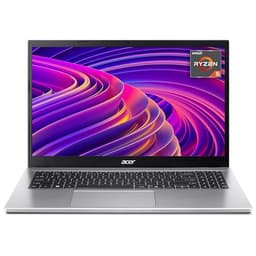
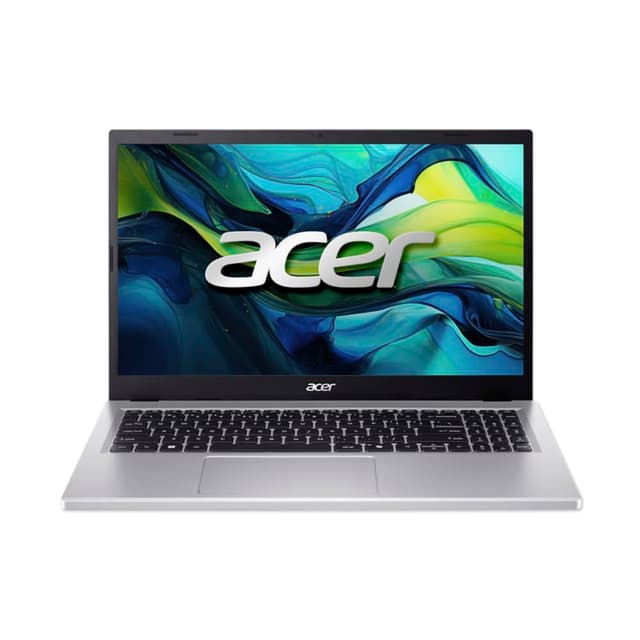
The Acer Aspire Go 15 with AMD Ryzen 5 5625U delivers robust performance for demanding video call scenarios involving heavy multitasking. The 15.6-inch FHD display provides spacious viewing area for group video calls and document sharing. The Ryzen 5 5625U processor brings six cores and twelve threads, ensuring smooth performance even when running multiple applications simultaneously alongside video conferencing. Sixteen gigabytes of RAM enables comfortable multitasking with numerous browser tabs, email clients and productivity software running concurrently.
The 512GB SSD provides ample storage for call recordings, project files and software installations without frequent cleanup. Integrated Radeon graphics handle basic video encoding for video calls efficiently. The larger 15.6-inch screen is particularly beneficial for professionals reviewing shared documents whilst maintaining eye contact with video call participants. The Ryzen processor consumes power responsibly, delivering approximately 9 hours of battery life under video call usage.
This laptop suits professionals requiring robust multitasking capabilities alongside video conferencing. Content creators and analysts benefit from the larger display and additional processing power for handling creative tasks between video calls. The 16GB RAM is particularly valuable for those running virtual machines or resource-intensive applications alongside video conferencing. Small business owners and remote team leads appreciate the additional power for managing multiple responsibilities during calls.
At 1.9kg, the Aspire Go is heavier than ultrabooks, making frequent commuting less convenient. The Ryzen processor, whilst powerful, consumes slightly more battery than Intel alternatives, though results remain competitive. The plastic chassis feels less premium than metal alternatives, though build quality remains solid. The 15.6-inch size may prove cumbersome for those frequently working in cramped spaces or moving between meeting rooms.
Pros
- Six-core Ryzen 5 processor handles demanding multitasking alongside video conferencing smoothly
- 16GB RAM enables comfortable running of numerous applications simultaneously without lag
- 512GB storage accommodates extensive call recordings and project files
- 15.6-inch display provides spacious viewing for group calls and document review
Cons
- 1.9kg weight makes frequent commuting less convenient than lighter ultrabooks
- Plastic chassis feels less premium than metal alternatives on comparable models
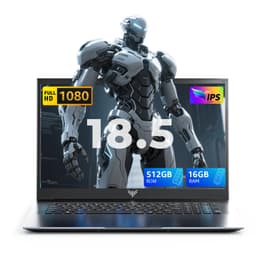
The ACEMAGIC 18.5-inch FHD laptop represents an unconventional choice for video calls, offering the largest screen in this comparison. The expansive 18.5-inch display provides exceptional clarity for viewing multiple video call participants simultaneously without cramping. The Intel N150 processor handles video conferencing adequately, though performance is entry-level for demanding multitasking. Sixteen gigabytes of RAM ensures smooth operation of video platforms with background applications running concurrently.
The 512GB SSD provides substantial storage for recording video calls and storing associated documents. The large screen is particularly advantageous for those with vision concerns or professionals attending numerous group video calls where seeing all participants matters. The full-size keyboard and generous trackpad area offer comfortable input during calls. This device suits home-based workers with dedicated office spaces who prioritise screen real estate over portability.
The extreme screen size makes this laptop impractical for mobile working or commuting. The weight is substantial, making relocation between rooms laborious. Battery life is limited to approximately 6 hours under video call usage, restricting wireless operation time. The Intel N150 processor is entry-level, limiting multitasking capabilities beyond video conferencing. This device functions more effectively as a desktop replacement than a portable laptop.
Pros
- 18.5-inch display provides exceptional screen real estate for group video calls and document viewing
- 16GB RAM supports multiple applications running alongside video conferencing
- 512GB storage accommodates substantial call recordings and project files
Cons
- Limited 6-hour battery life restricts wireless operation time significantly
- Large size and weight make commuting and relocation between locations impractical
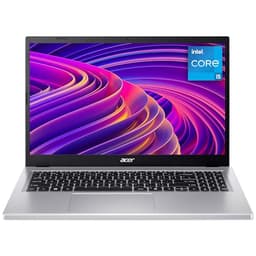
The Acer Aspire Go 15 with Intel Core i5-13420H delivers excellent performance for demanding video call scenarios and content creation. The 15.6-inch FHD display provides comfortable viewing of multiple video call participants simultaneously. The 13th generation Intel Core i5 processor with eight cores ensures responsive multitasking with video conferencing, web browsing and creative applications running concurrently. Eight gigabytes of RAM provides adequate resources for typical video call usage, though power users may prefer 16GB alternatives.
The 512GB SSD offers ample storage for call recordings, project files and software. The Intel processor generates less heat than previous generations, maintaining comfortable operation during extended video call sessions. Battery life reaches approximately 8 hours under typical video call usage. The larger 15.6-inch screen suits those spending significant time reviewing shared documents during calls.
This laptop suits professionals requiring solid performance for video conferencing with supplementary creative work. Business analysts, project managers and consultants appreciate the balanced performance and screen size for managing complex calls and documentation. The Intel Core i5 provides future-proofing compared to entry-level processors, supporting emerging video platforms with advanced features.
At approximately 1.9kg, portability is adequate but not exceptional compared to ultrabooks. The plastic construction feels less premium than metal alternatives despite solid build quality. Eight gigabytes of RAM may prove limiting for demanding multitasking scenarios requiring virtual machines or heavy creative software. The 15.6-inch form factor suits stationary use better than frequent relocation.
Pros
- 8-core Intel Core i5 processor handles demanding multitasking alongside video calls smoothly
- 512GB storage accommodates extensive call recordings and project documentation
- 15.6-inch display provides spacious viewing for group video calls and document review
- Modern processor architecture delivers efficient performance and heat management
Cons
- 8GB RAM may prove limiting for heavy multitasking scenarios requiring resource management
- Approximately 1.9kg weight reduces portability compared to ultrabook alternatives
The Acer Chromebook 314 with Intel Celeron N4500 provides an economical entry point for video calling focused on simplicity. The 14-inch FHD display offers comfortable viewing of video call participants. The Intel Celeron N4500 processor, whilst entry-level, handles Chrome-based video conferencing platforms without significant performance issues. Four gigabytes of RAM is minimal but adequate for web-based video calls with limited background applications.
The 64GB eMMC storage is substantial for cloud-focused computing, though local file storage is limited. Chrome OS provides security and simplicity without complex maintenance requirements. Battery life reaches 10 hours under light usage, supporting typical working day durations. The Chromebook suits budget-conscious users and organisations seeking reliable video calling without premium pricing.
This device is best suited for light video call usage without demanding multitasking requirements. Students and home-based workers using Google Workspace and cloud-based tools benefit from the simplicity and low cost. The limited RAM and processor power restrict simultaneous application usage, making this less suitable for professionals managing multiple responsibilities during calls.
The 4GB RAM is restrictively tight for modern computing, limiting simultaneous application handling. The Celeron N4500 processor is notably slower than i3 alternatives, affecting responsiveness. Chrome OS incompatibility restricts Windows-specific applications. Local storage capacity is limited despite cloud integration emphasis.
Pros
- Chrome OS simplicity eliminates driver management and security update burdens
- 10-hour battery life supports extended working periods without charging
- Economical pricing suits budget-conscious individuals and organisations
Cons
- 4GB RAM is restrictively tight for multitasking beyond web-based video calls
- Celeron N4500 processor is noticeably slower than i3 alternatives for responsiveness
Buying Guide
Selecting a laptop for video calls requires considering your specific working environment and multitasking demands. Screen size significantly impacts call experience: 13-inch displays suit mobile professionals moving between locations, whilst 15-inch screens benefit those managing group calls or document review simultaneously. Display resolution matters for clarity, with Full HD (1920x1080) being the minimum for comfortable video viewing.
Processor selection depends on multitasking intensity. Entry-level processors like Celeron and N150 chips suffice for pure video conferencing with minimal background applications. Mid-range processors like Intel Core i5 and AMD Ryzen 5 handle demanding multitasking alongside video calls smoothly. RAM allocation is crucial: 8GB is adequate for single-task video conferencing, whilst 16GB comfortably supports multitasking with numerous browser tabs and applications running simultaneously.
Battery life directly impacts working flexibility. Devices reaching 10-12 hours support full working days without charging, whilst 6-8 hour batteries require mid-day top-ups. Weight affects portability: ultrabooks under 1.5kg suit frequent commuting, whilst 1.8-2kg devices balance features against portability. Operating system selection is fundamental: Windows provides maximum software compatibility, macOS offers ecosystem integration and premium build quality, whilst Chrome OS prioritises simplicity and affordability.
Audio quality matters significantly for video calls. Look beyond specifications for real-world microphone and speaker performance. Integrated audio quality has improved substantially in budget models, reducing dependency on external headsets. Consider whether you need video call recording capability, requiring sufficient SSD storage beyond operating system requirements. Connectivity options including USB ports, HDMI outputs and SD card readers determine external monitor and peripheral compatibility. Thermal management ensures quiet operation during extended video calls, preventing fan noise disrupting conferencing.
The Microsoft Surface Laptop 3 with Intel Core i5 emerges as the overall winner for video calls under £500. Its exceptional build quality combines with reliable performance and impressive battery life to deliver professional-grade conferencing capability. The premium construction instils confidence for demanding work environments, whilst the touchscreen display adds flexibility for presentations during calls. The 10-hour battery life supports full working days without charging, essential for mobile professionals.
However, the Lapbook 15.6-inch Full HD Laptop offers compelling alternative value, particularly for those prioritising screen real estate and storage capacity. The larger display dramatically improves group video call experience, making multiple participants clearly visible simultaneously. The 512GB SSD accommodates extensive call recordings and files without management burden. For home-based workers with dedicated office spaces, the Lapbook delivers superior call comfort and practical storage.
Budget-conscious buyers should consider the Acer Chromebook Plus 514 for its simplicity and reliability. Chrome OS eliminates maintenance concerns while delivering exceptional battery life and straightforward video call performance. Remote workers requiring maximum portability may prefer the Acer Aspire Go 15 with Ryzen 5, offering robust multitasking alongside the larger 15.6-inch display. Choose based on your working environment, multitasking demands and whether portability or screen real estate matters most to your video call experience.