You know that sinking feeling when the power blinks mid-save and you lose an hour of work? Or worse, when a voltage spike quietly fries your NAS or workstation and you only find out when it won't boot? That's the problem a UPS solves, and the Cyberpower VP1000EILCD Value PRO 1000va/550w Tower LCD UPS is squarely aimed at people who've had that scare once and never want it again. At a mid-range price point, it promises line-interactive protection with AVR, a proper LCD readout, and six IEC outlets for your gear. So is it worth the spend, or is there a smarter way to protect your kit?
Short answer: it's a solid, competent UPS for home offices, small NAS setups, and workstations that don't need pure sine wave output. The ★★★★☆ (4.0) average across dozens of owner reviews tells you it's not perfect, and we'll get into exactly where it falls short. But for the core job of keeping your equipment alive through a power cut and smoothing out dirty mains voltage, it does what it says. The caveats matter though, and a few of them are before you hand over your money.
Most UPS reviews just list the specs and call it a day. What actually matters is whether the topology suits your load, whether the AVR is aggressive enough to handle UK mains fluctuations, and whether real owners are still happy six months in. Let's work through all of that properly.
Core Specifications
The headline numbers on the Cyberpower VP1000EILCD Value PRO 1000va/550w Tower LCD UPS are 1000VA and 550W. That VA-to-watt ratio (55%) is fairly standard for a UPS in this class, and it tells you something important: the usable wattage is meaningfully lower than the VA rating. If you're planning to run a desktop PC, monitor, and a NAS off this thing simultaneously, you need to add up your actual watt draw carefully. A mid-range gaming rig at load can easily pull 300 to 400W on its own, which leaves you with limited headroom for anything else. For a home office setup with a modest PC, a monitor, and a router, you're well within limits.
The topology is line-interactive, which is the sensible middle ground between the cheap offline/standby UPS units and the expensive online double-conversion units. Line-interactive means the unit is constantly conditioning the power through its AVR circuitry, so voltage sags and surges get corrected without switching to battery at all. That's genuinely useful in the UK, where mains voltage can wander between 207V and 253V and still be within spec. The UPS handles those variations without burning through battery life. Offline UPS units only kick in when things go really wrong, which is fine until you live somewhere with chronic voltage sag.
Six IEC C13 outlets give you plenty of connection points for a typical desk setup, and the LCD status display means you're not guessing at battery state or load percentage. The output is simulated sine wave, which is an important detail we'll come back to in the performance section. Automatic Voltage Regulation is confirmed on the feature list, and the energy saving technology is too, since UPS units that sit idle for years can quietly waste a surprising amount of electricity.
| Specification | Detail |
|---|---|
| Model | Cyberpower VP1000EILCD |
| Capacity | 1000VA / 550W |
| Topology | Line-Interactive |
| Output Waveform | Simulated Sine Wave |
| Outlets | 6 x IEC C13 |
| Voltage Regulation | Automatic Voltage Regulation (AVR) |
| Display | LCD Status Display |
| Energy Saving | Yes |
| Form Factor | Tower |
| Colour | Black |
| ASIN | B089GH5677 |
| Owner Rating | ★★★★☆ (4.0) (72 reviews) |

Key Features Overview
The line-interactive topology is the most important feature here, and it's worth spending a moment on why. A basic standby UPS sits dormant until the power fails, then switches to battery, usually with a transfer time of a few milliseconds. That's fine for most equipment, but it means voltage fluctuations go uncorrected right up until the point of failure. Line-interactive designs like this one use an autotransformer to continuously regulate voltage, so your equipment gets clean, stable power even when the mains is being temperamental. In areas with older wiring or industrial neighbours causing interference, that continuous conditioning is genuinely valuable rather than just a marketing point.
Automatic Voltage Regulation works hand-in-hand with the topology to correct both overvoltage and undervoltage conditions without touching the battery. This extends battery life considerably compared to a standby unit that would switch to battery every time the voltage dips. The simulated sine wave output is what the battery produces when mains power fails. It's a stepped approximation of a true sine wave rather than a smooth curve, which matters for certain loads. Most computers, monitors, and networking gear are fine with it. Active Power Factor Corrected (APFC) power supplies, which are common in modern PCs, can sometimes behave oddly with simulated sine wave output, though in practice many owners report no issues. It's something to be aware of rather than a guaranteed problem.
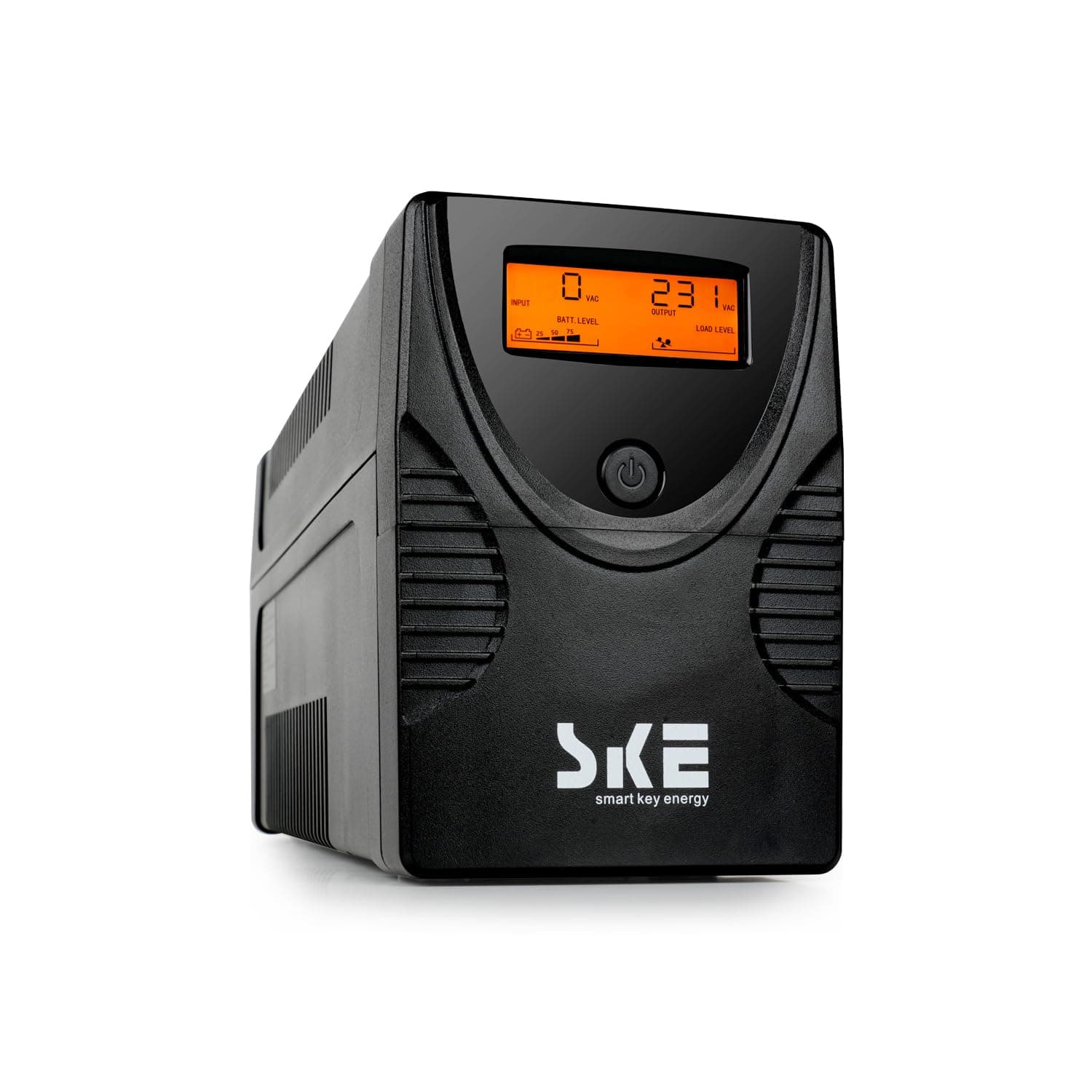
The LCD status display is a genuinely useful addition over the basic LED indicator setups you get on cheaper units. Being able to glance at load percentage, battery charge level, and input voltage without installing software is handy, especially if this UPS is tucked under a desk protecting a NAS that runs headless. The energy saving technology rounds out the feature set: CyberPower's approach here involves cutting power to non-critical outlets when the connected equipment goes into standby, which can reduce idle power draw meaningfully over time. For a device that's going to be plugged in permanently for years, that's a worthwhile consideration.
Performance in Practice
The core job of a UPS is to keep your equipment running through a power cut long enough to save your work and shut down cleanly. At 550W usable capacity with a line-interactive design, the Cyberpower VP1000EILCD Value PRO 1000va/550w Tower LCD UPS is well-suited to that task for typical home office or small business loads. Owner reviews consistently mention it handling power cuts without drama, with the LCD giving clear feedback on what's happening. The AVR function gets positive mentions too, particularly from owners in areas with variable mains quality who noticed their equipment running more stably after installing it.
The simulated sine wave output is where you need to pay attention. CyberPower's own documentation on their product pages acknowledges that some APFC PSUs can be sensitive to simulated sine wave. In practice, the pattern in owner reviews suggests the majority of standard desktop setups work without issue. Where problems do appear, they tend to involve high-end workstation PSUs or certain server-grade equipment that is specifically designed to expect a pure sine wave. If you're protecting a gaming PC with a quality PSU from a reputable brand, the odds are strongly in your favour. If you're protecting medical equipment or a server with strict power requirements, you want a pure sine wave unit and this isn't it.
The ★★★★☆ (4.0) average is honest. It's not a five-star product, and the negative reviews are worth understanding. A handful of owners report battery issues appearing within the first year or two, which is a known risk with any sealed lead-acid battery-based UPS. The batteries in these units are consumable components with a typical lifespan of three to five years under normal conditions, and replacement batteries are available. Some owners also mention the audible alarm during power events being quite loud, which is by design but can be startling in a quiet office. There's no universal mute function that persists across power cycles on most units in this class, and owners confirm that's the case here too.
Build Quality
The tower form factor is sturdy and sensible for a floor or shelf placement. Owner descriptions suggest a solid plastic chassis that feels appropriately weighty given the internal battery, which is as it should be. A UPS that feels light is either underpowered or cutting corners on battery capacity, and neither is what you want. The black finish is functional rather than stylish, which is exactly right for a piece of infrastructure kit that's going to live under a desk for the next several years.
The IEC C13 outlets are the standard kettle-lead type common across European and UK equipment, which means you won't need adapters for typical office or home gear. Six outlets is a reasonable number for a 1000VA unit, and the layout matters: having all six available means you can distribute your load sensibly rather than being forced to daisy-chain power strips (which you should never do off a UPS output, by the way, as it can cause overload and void protection). The LCD panel appears to be a decent quality display based on owner feedback, with readable characters and useful information presented clearly.
Longevity is the real build quality question with any UPS, and here the picture is mixed. The unit itself seems robust, with owners reporting years of reliable service. The internal battery is the weak point, as it is with every sealed lead-acid UPS in this price range. CyberPower does sell replacement batteries for their UPS units, which is important: a UPS manufacturer that doesn't support battery replacement is selling you a disposable product. The fact that CyberPower provides this support is a mark in their favour. Plan for a battery replacement every three to four years and factor that into your total cost of ownership.
Ease of Use
Setup is about as straightforward as it gets. You plug it in, let the battery charge for a few hours before putting it under load (the manual recommends this, and owners who skip it sometimes report shorter-than-expected initial runtime), then connect your equipment to the IEC outlets. The LCD display gives you immediate feedback on input voltage, output load, and battery status without needing to install any software. For a basic protection setup, that's genuinely plug-and-play.
CyberPower does offer PowerPanel software for more detailed monitoring and automatic graceful shutdown when the battery runs low. This is worth installing if you're protecting a PC that might be left unattended, since it can trigger a proper shutdown before the battery runs out rather than letting the machine cut off abruptly. The software is available from CyberPower's website and owners generally report it working without major issues on Windows. If you're running Linux on your home server, there's also compatibility via the open-source Network UPS Tools (NUT) project, which matters if you're a home lab type.
The alarm is the main day-to-day friction point. During a power event, the UPS beeps to alert you, which is sensible and expected. The issue is that some owners find the alarm volume more aggressive than necessary for a home environment, and there's no simple permanent silence option. You can typically silence it for the current event, but it'll alarm again next time. For a home office where you're present, this is fine. For a server room or a setup where the UPS is protecting equipment in a bedroom or living space overnight, it's worth being aware of. This is a common characteristic of UPS units in this class rather than a specific flaw of this model.
Connectivity and Compatibility
Six IEC C13 outlets cover the standard European and UK equipment ecosystem well. Most desktop computers, monitors, NAS units, routers, switches, and office equipment use IEC C13 connections (the standard kettle-lead socket), so you're unlikely to need adapters for typical setups. If you have equipment with UK three-pin plugs, you'll need a C13 to UK plug adapter, which is inexpensive and widely available. This is standard practice with European-spec UPS units in the UK market.
Compatibility with connected equipment comes down primarily to the simulated sine wave output question already discussed. The power factor correction built into modern PSUs means most contemporary computers handle simulated sine wave without complaint. Older equipment with simple transformer-based power supplies is generally even more tolerant. The edge cases are high-end workstation PSUs rated 80 Plus Titanium or Platinum with aggressive APFC circuits, and certain medical or industrial equipment with strict waveform requirements. For everything else, compatibility is essentially universal.
Software connectivity via USB is the standard interface for UPS monitoring, and the PowerPanel software handles the communication between the UPS and your PC for automated shutdown. NUT support means Linux and BSD users aren't left out, which is genuinely important for the NAS and home server crowd who are a natural target market for this product. There's no network management card or SNMP support at this price point, which is expected: that level of enterprise connectivity is reserved for the significantly more expensive rackmount units. For a single-PC or small office setup, USB monitoring is entirely adequate.
Real-World Use Cases
The most obvious fit is the home office worker who's had one too many power blips corrupt a document or interrupt a video call. A desktop PC, a monitor, and a router pulling maybe 150 to 200W under normal load sits comfortably within the 550W capacity, leaving plenty of headroom and giving you a useful runtime to save work and shut down gracefully. The AVR function means you're also getting protection against the voltage fluctuations that can slowly degrade equipment over time, which is a less visible but real benefit.
NAS protection is another strong use case. A typical two-bay or four-bay home NAS draws 20 to 50W, and an unexpected power cut during a write operation can corrupt a drive array in a way that's genuinely painful to recover from. Pairing this UPS with a NAS running NUT gives you automated safe shutdown when the battery gets low, which is exactly what you want for a device that runs unattended. Several owner reviews specifically mention this use case and report it working reliably.
Small business environments with a server, a network switch, and a few workstations are a reasonable fit too, though you'd want to calculate your total load carefully before committing. A single entry-level server and its associated networking gear might sit within the 550W capacity, but add a couple of workstations and you'll exceed it. For a single critical machine plus networking infrastructure, it works well. For a multi-machine small office, you'd want to look at the 1500VA or 2200VA tier.
Gaming PC protection is a use case that comes up in owner reviews, and it's worth a nuanced answer. The UPS will absolutely keep your PC running through a brief power cut and protect against surges. The simulated sine wave concern is real but manageable: if your PSU is from a reputable brand and is 80 Plus Gold or lower, you're almost certainly fine. If you've spent serious money on a flagship Platinum or Titanium PSU specifically for its efficiency, it's the manufacturer's documentation on sine wave compatibility before buying this unit.
Value Assessment
At the mid-range price point this sits in, the Cyberpower VP1000EILCD Value PRO 1000va/550w Tower LCD UPS is competing with a fairly crowded field. The question is whether the line-interactive topology with AVR justifies the price premium over the cheaper standby UPS units you can find for significantly less. And honestly, for most people, yes it does. The continuous voltage regulation is a meaningful real-world benefit, not just a spec-sheet talking point, particularly in the UK where mains quality varies considerably by location and time of day.
The six IEC outlets, the LCD display, and the energy saving technology all add genuine utility rather than being padding. You're not paying for features you'll never use. The software ecosystem from CyberPower is functional and the NUT compatibility is a proper bonus for the technically inclined. Compared to buying a basic standby UPS and then discovering your mains voltage is chronically low or high, the AVR-equipped line-interactive unit is the better long-term investment.
Where the value calculation gets trickier is when you factor in battery replacement. Sealed lead-acid batteries in a UPS of this size typically cost somewhere in the region of £30 to £50 to replace, and you should expect to do that every three to four years. That's not a hidden cost exactly, it's just the reality of UPS ownership, but it's worth building into your mental price calculation. Over five years of ownership, the total cost is meaningfully higher than the purchase price alone. That's true of every UPS in this category, not just this one, but it's plainly.
How It Compares
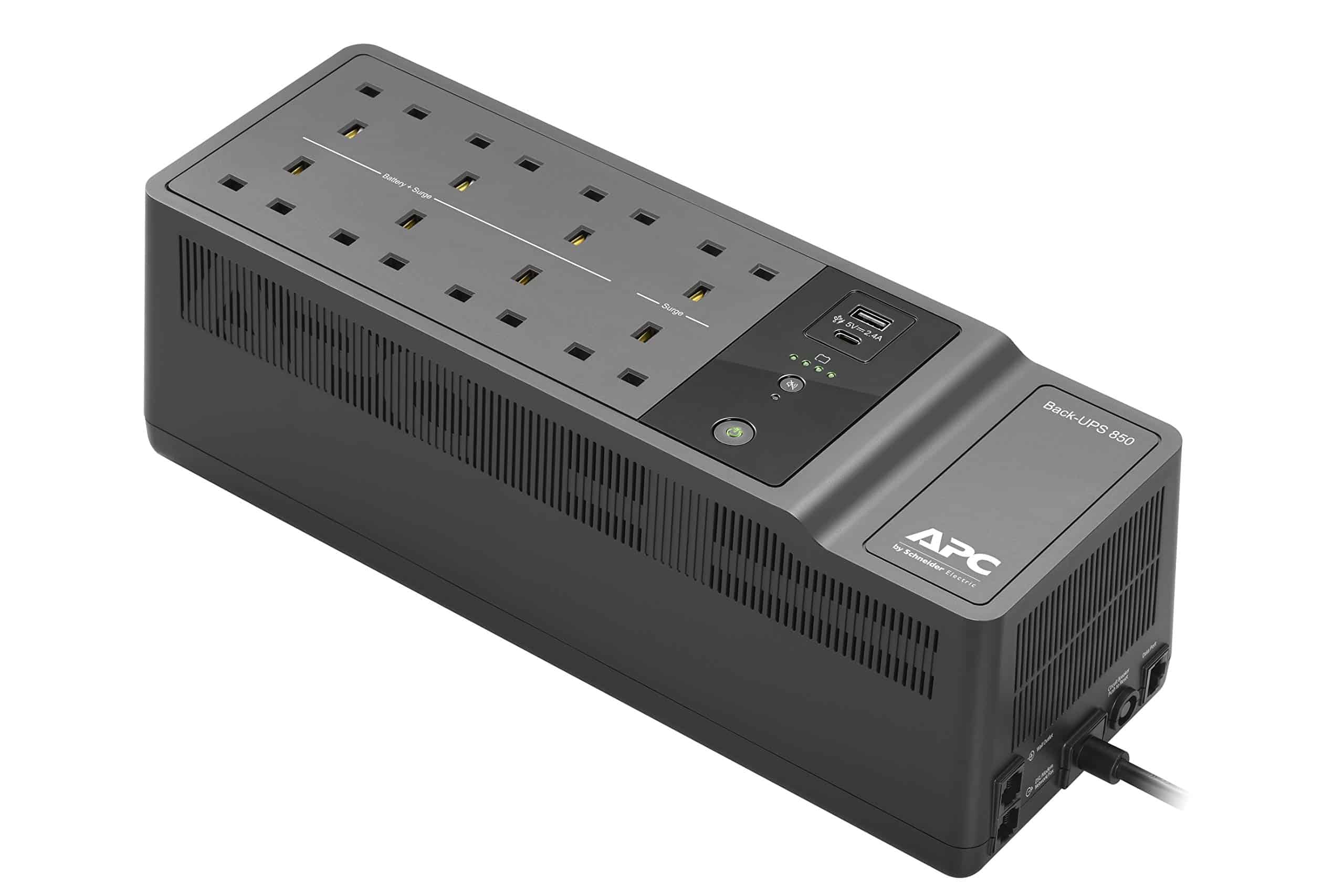
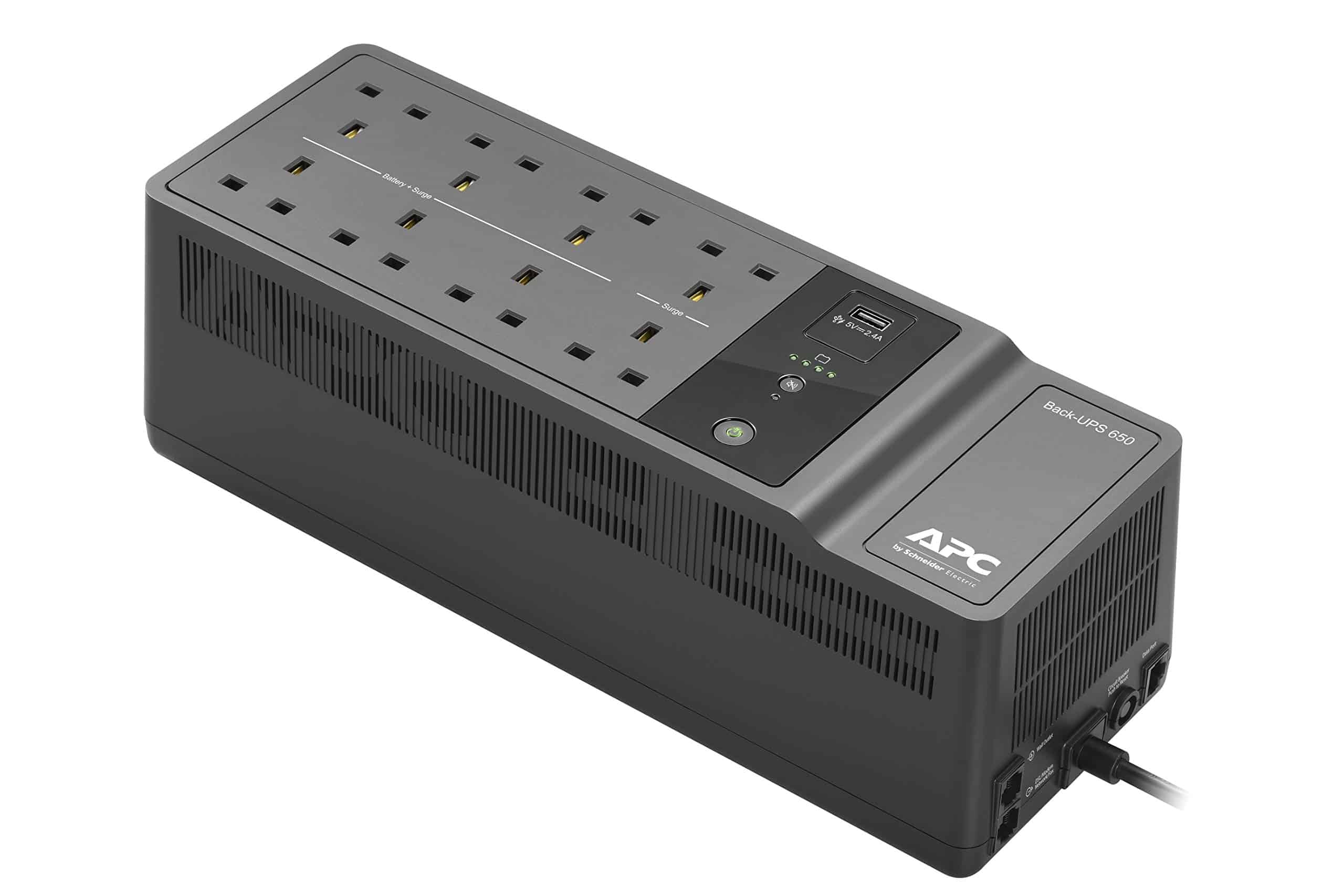
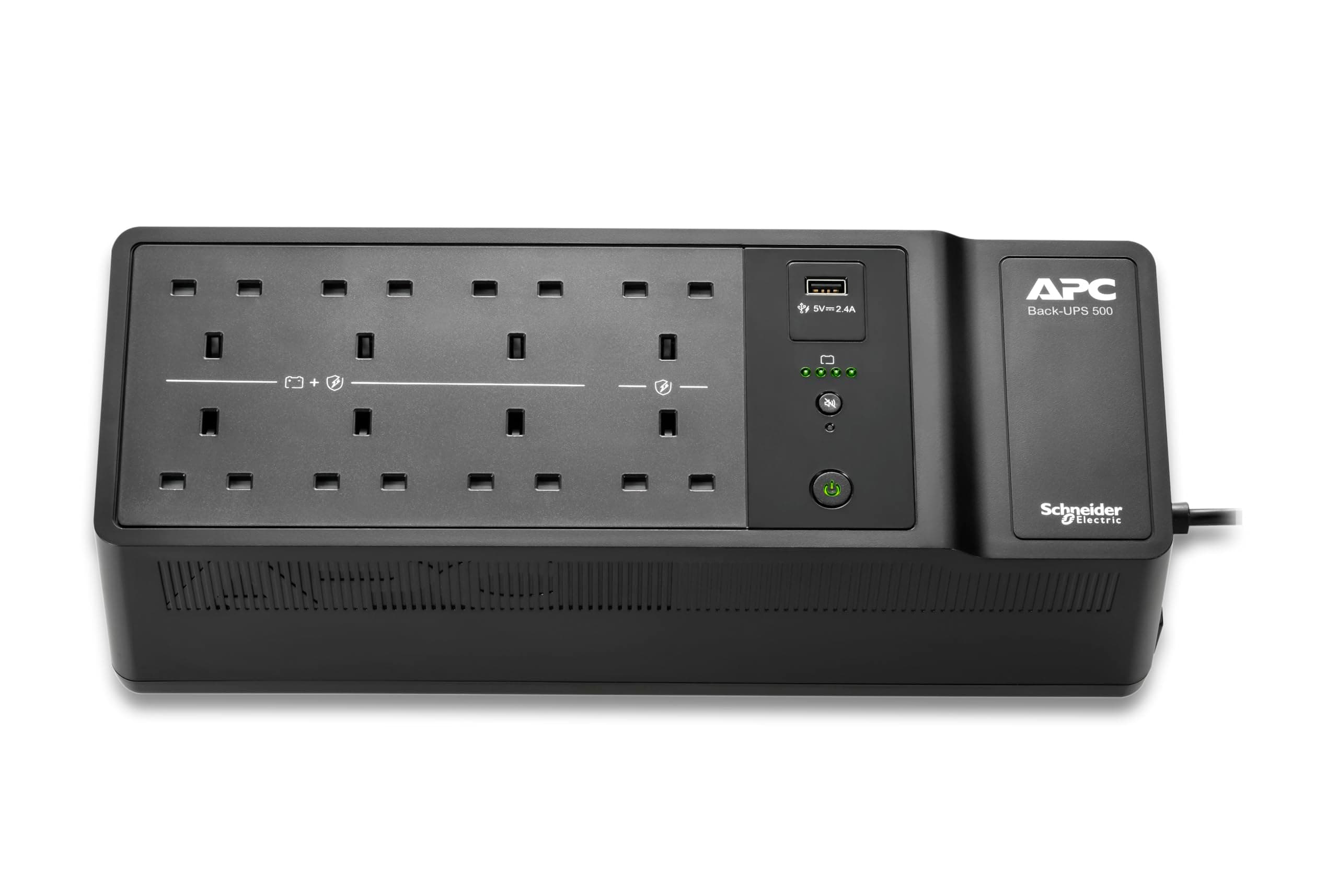
The two most natural competitors in this space are the APC Back-UPS Pro 1000 and the Eaton 5E 1100i. The APC Back-UPS Pro is probably the most well-known name in consumer UPS and has a large installed base in the UK. It's a reputable unit with good software support and a strong track record. The Eaton 5E is a more budget-oriented option that sacrifices some features to hit a lower price point. Both are as alternatives to the Cyberpower.
The APC Back-UPS Pro 1000 is a strong competitor, particularly for users who want the reassurance of APC's brand reputation and their well-established PowerChute software. APC's monitoring software is generally considered slightly more polished than CyberPower's PowerPanel, and the brand has a longer history in the UK market. However, APC units at equivalent capacity tend to command a price premium, and the core protection features are comparable. The CyberPower's energy saving technology and the quality of the LCD display are competitive. This comes down to brand preference as much as anything technical.
The Eaton 5E 1100i undercuts on price but is a standby topology unit rather than line-interactive, which means no continuous AVR. For users whose mains is stable and who just want basic power cut protection, that's a legitimate trade-off. For anyone in an area with variable voltage or who wants the full protection suite, the line-interactive design of the CyberPower justifies the price difference. The Eaton is not a bad product, it's just solving a slightly simpler problem.
| Feature | Cyberpower VP1000EILCD | APC Back-UPS Pro 1000 | Eaton 5E 1100i |
|---|---|---|---|
| Capacity | 1000VA / 550W | 1000VA / 600W | 1100VA / 660W |
| Topology | Line-Interactive | Line-Interactive | Standby (Offline) |
| Output Waveform | Simulated Sine Wave | Simulated Sine Wave | Simulated Sine Wave |
| AVR | Yes | Yes | No |
| Display | LCD | LCD | LED Indicators |
| Outlets | 6 x IEC C13 | 8 x IEC C13 | 6 x IEC C13 |
| Energy Saving | Yes | Yes | No |
| Price Tier | Mid-range | Mid to upper-mid | Budget |

Final Verdict
The Cyberpower VP1000EILCD Value PRO 1000va/550w Tower LCD UPS is a competent, well-specified line-interactive UPS that does exactly what it promises for the majority of home office and small business use cases. The AVR is real and useful, the LCD display is a genuine quality-of-life improvement over LED-only units, the six IEC outlets cover a typical desk setup, and the CyberPower software ecosystem is functional enough to handle automated shutdown without drama. It's not a flashy product and it's not trying to be.
The ★★★★☆ (4.0) from dozens of owners reflects a product that works well for most people but has a few friction points. The alarm volume is assertive. The simulated sine wave output is a consideration for certain loads. Battery longevity varies, as it does with all sealed lead-acid UPS units. None of these are dealbreakers for the target audience, but they're going in rather than discovering later.
If you're protecting a modest home office setup and your mains is generally stable, the Eaton 5E 1100i is genuinely worth a look at its lower price point. You lose the AVR and the LCD, but you save a meaningful amount of money for basic power cut protection. For anyone who wants the full line-interactive package with AVR, or who is in an area with variable mains quality, the CyberPower earns its price premium. It's a solid buy at mid-range money for the right use case. Score: 7 out of 10.
What works. What doesn’t.
5 + 4What we liked5 reasons
- Line-interactive topology with genuine AVR for continuous voltage regulation
- LCD display gives real-time load, battery, and voltage readout without software
- Six IEC C13 outlets cover a full desk setup without adapters
- Energy saving technology reduces idle power draw over years of use
- CyberPower supports battery replacement and NUT compatibility for Linux users
Where it falls4 reasons
- Simulated sine wave output may cause issues with some high-end APFC power supplies
- Alarm volume is quite assertive with no persistent mute option
- Battery replacement every 3 to 4 years adds to total cost of ownership
- 550W usable capacity limits multi-device setups with power-hungry hardware
Full specifications
12 attributes| AVR | true |
|---|---|
| Battery type | Sealed Lead Acid |
| Form factor | tower |
| Outlet type | UK 3-pin (BS1363) |
| Outlets battery backup | 4 |
| Outlets total | 8 |
| Output watts | 550 |
| Output waveform | simulated_sine |
| Runtime MIN half load | 9 |
| Topology | line_interactive |
| USB management | true |
| VA rating | 1000 |
Frequently asked
5 questions01Is the Cyberpower VP1000EILCD Value PRO 1000va/550w Tower LCD UPS, 6xIEC Outlets and AVR, Black worth buying?+
For home offices, NAS setups, and small business use cases drawing well under 550W, yes. The line-interactive topology with AVR is a meaningful upgrade over cheaper standby UPS units, particularly if your mains voltage is variable. Factor in battery replacement costs every three to four years when calculating total value.
02How does the Cyberpower VP1000EILCD Value PRO 1000va/550w Tower LCD UPS, 6xIEC Outlets and AVR, Black compare to alternatives?+
Against the APC Back-UPS Pro 1000, it's broadly comparable in features and topology at a similar or slightly lower price point; APC's software is marginally more polished but the core protection is equivalent. Against the Eaton 5E 1100i, the CyberPower wins on features (AVR, LCD, energy saving) but costs more. The Eaton is the budget choice for basic power cut protection only.
03What are the main pros and cons of the Cyberpower VP1000EILCD Value PRO 1000va/550w Tower LCD UPS, 6xIEC Outlets and AVR, Black?+
Pros: line-interactive AVR for continuous voltage regulation, useful LCD display, six IEC outlets, energy saving tech, and NUT compatibility for Linux. Cons: simulated sine wave output (not suitable for all PSUs), assertive alarm with no persistent mute, and battery replacement needed every few years adds to long-term cost.
04Is the Cyberpower VP1000EILCD Value PRO 1000va/550w Tower LCD UPS, 6xIEC Outlets and AVR, Black easy to set up?+
Yes, setup is straightforward. Plug it in, let the battery charge for a few hours before connecting your equipment, and the LCD display gives you immediate status feedback without needing software. For automated graceful shutdown, CyberPower's PowerPanel software (Windows) or the open-source NUT project (Linux) add that capability with minimal configuration.
05What warranty applies to the Cyberpower VP1000EILCD Value PRO 1000va/550w Tower LCD UPS, 6xIEC Outlets and AVR, Black?+
Amazon offers 30-day returns. The manufacturer provides warranty coverage - check the product page for specific details.