Nurses need laptops that balance portability, reliability and battery life for hospital shifts, patient documentation and clinical rotations. Unlike office workers, healthcare professionals often need devices they can carry between wards, operate with one hand whilst reviewing notes, and rely on without frequent charging. This year's selection emphasises models with robust build quality, long battery endurance and lightweight designs that won't add strain during twelve-hour shifts. Comparing current options against those from 2023 helps identify which machines actually suit the demands of modern nursing practice, including electronic health record (EHR) systems and remote documentation.
Quick Verdict
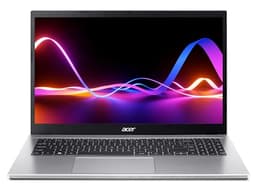
Best Overall: Acer Aspire Go 15 AG15-71P, combining genuine portability with the processing power needed for multitasking clinical work.
Best Value: Microsoft Surface Laptop 3, offering excellent build quality and touchscreen responsiveness at an accessible price point for healthcare professionals.
The Acer Aspire Go 15 AG15-71P represents the best balance for nurses seeking a primary clinical laptop. This model combines a larger screen suitable for reviewing detailed patient records and EHR systems with genuine portability that doesn't sacrifice performance. The Intel Core i5-13420H processor handles multitasking with ease, allowing you to run multiple browser tabs with hospital systems, email communications and reference materials simultaneously without slowdown. The 15.6 inch Full HD display offers sufficient real estate for extended shift work, reducing eye strain during long documentation sessions in busy wards.
Battery life reaches approximately 8 hours, which covers most single shifts, though longer rotations or on-call periods may require access to charging. The weight of just 1.9kg makes this genuinely transportable between departments and care settings. The build quality meets expectations for frequent movement around hospital environments, with a reliable keyboard and responsive touchpad that work well when standing at bedside carts. Storage includes a 512GB SSD, adequate for clinical software, patient reference materials and documentation backups. The integrated graphics handle everyday healthcare applications efficiently.
Where this laptop excels is its practical compromise. It's not as light as ultraportables, but significantly lighter than desktop alternatives whilst retaining the screen size needed for proper documentation work. Nurses on varied ward rotations, from maternity to intensive care, report this size strikes the right balance between visibility and mobility.
Pros
- Intel Core i5 handles multitasking clinical applications smoothly without lag
- 15.6 inch screen reduces documentation strain during twelve-hour shifts
- 1.9kg weight remains genuinely portable between departments
- 8 hour battery covers most standard nursing shifts
Cons
- 8GB RAM may feel tight when running multiple hospital systems simultaneously
- No touchscreen limits quick interactions in time-pressed clinical settings
The Microsoft Surface Laptop 3 offers exceptional value for healthcare professionals who prioritise touchscreen responsiveness and premium build quality. Despite its 2019 release date, this model remains highly relevant for nursing applications. The 13.5 inch PixelSense display includes touch functionality, a feature increasingly valuable for navigating EHR systems with quick taps and swipes, particularly useful when wearing gloves or approaching bedside documentation in busy environments. For nurses who frequently conduct remote consultations, laptops for video calls with reliable touchscreen responsiveness offer additional practical advantages. Build quality stands out, with precision engineering that withstands the rigours of daily transport between wards and frequent movement through hospital corridors.
Processing power comes from an Intel Core i5-1035G7, a reliable workhorse for clinical documentation, web-based systems and reference applications. Ten hours of battery life exceeds most standard shifts, eliminating mid-day charging anxiety and providing genuine flexibility for nurses working extended or overlapping rotations. At just 1.25kg, this remains one of the lightest full-featured laptops available, making it ideal for nurses who carry equipment across multiple locations or split their time between office documentation and bedside care.
Storage sits at 256GB, which requires careful management for nurses storing extensive patient resources, medical imaging software or research materials. The premium touchscreen glass and minimalist design project professionalism in clinical settings. Windows 10 integration ensures compatibility with hospital systems and software that often requires Microsoft operating systems. This laptop serves best for nurses who value build quality, responsiveness and portability equally.
Pros
- PixelSense touchscreen enables quick navigation of EHR systems in clinical environments
- 10 hour battery life eliminates recharging during full shifts
- 1.25kg weight makes this genuinely pocket-sized for mobile care work
- Premium aluminium chassis withstands hospital environments and frequent transport
Cons
- 256GB storage requires selective management for clinical resources and patient materials
- Intel Core i5-1035G7 shows age when managing multiple demanding applications simultaneously
The Acer Aspire Go 15 AG15-42P provides excellent performance through its AMD Ryzen 5 5625U processor, offering genuine multitasking capability for nurses juggling multiple hospital systems. The 16GB RAM allocation directly addresses the real-world need to run patient record systems, email, reference applications and communication tools without performance degradation. This configuration suits nurses managing documentation across different departments or those who frequently context-switch between patient care and administrative tasks.
The 15.6 inch Full HD display delivers screen real estate comparable to desktop setups, reducing the visual fatigue associated with extended clinical documentation shifts. AMD's processor efficiency contributes to respectable 8.5 hour battery life, sufficient for most standard nursing rotations. Weight of 1.88kg remains highly portable despite the larger screen. The integrated graphics handle healthcare applications reliably, from basic EHR systems to more demanding reference and communication software.
Where this model excels is matching powerful components with practical portability. Nurses requiring significant processing power for multitasking or those managing documentation across complex hospital network systems benefit from this configuration. The 512GB SSD provides comfortable storage for clinical software, reference materials and documentation archives. This laptop suits experienced nurses managing teams, coordinating care across specialties or those splitting time between bedside work and administrative responsibilities requiring consistent system access.
Pros
- AMD Ryzen 5 processor delivers smooth performance when running multiple EHR windows
- 16GB RAM eliminates application switching delays during busy clinical work
- 8.5 hour battery supports full shifts including break periods
- 1.88kg weight keeps this larger-screen option genuinely portable
Cons
- No touchscreen requires traditional mouse/touchpad navigation in fast-paced settings
- AMD graphics may struggle with specialist medical imaging or simulation software
The Acer Aspire 3 A315-44P delivers surprising capability at its price point, featuring an AMD Ryzen 5 5500U processor and 16GB RAM that ensure smooth multitasking across hospital systems. This model suits budget-conscious nurses who refuse to compromise on RAM and processing power. The larger 15.6 inch Full HD display supports extended documentation work without the visual strain associated with smaller screens during long shifts. Build quality meets practical standards for healthcare environments, offering durability suitable for daily transport and movement between wards.
Battery life reaches approximately 7.5 hours, covering most standard shifts though not quite matching premium models. The 512GB SSD provides adequate storage for clinical software, patient reference materials and documentation systems. Weight at 1.9kg remains portable for nurses managing mobile care or those rotating between multiple departments. Processing power handles multitasking smoothly, allowing simultaneous operation of EHR systems, email clients, reference applications and communication tools without noticeable lag.
This laptop serves nurses prioritising value without sacrificing essential specifications. The AMD processor maintains respectable efficiency, contributing to acceptable battery performance despite the larger screen. Integrated graphics handle healthcare applications reliably. Practical keyboard and touchpad support extended documentation work. This model particularly suits nurses early in their careers or those seeking a reliable secondary laptop for clinical work without significant investment.
Pros
- AMD Ryzen 5 processor delivers strong multitasking for EHR system management
- 16GB RAM standard eliminates performance bottlenecks with multiple applications
- 15.6 inch screen reduces eye strain during extended shift documentation
- 512GB storage provides comfortable space for clinical software and resources
Cons
- 7.5 hour battery falls short for extended shifts or on-call rotations
- No touchscreen limits quick system navigation in time-pressured clinical environments
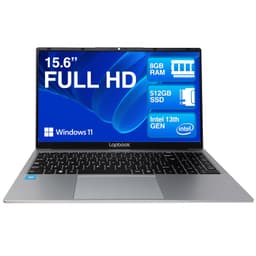
The Lapbook 15.6 represents the budget option for nurses seeking basic clinical computing capability without premium pricing. The 15.6 inch Full HD display offers reasonable screen real estate for documentation work, whilst the 8GB RAM and 512GB SSD combination supports everyday healthcare applications and EHR systems. The Dual-Band WiFi connectivity ensures reliable hospital network access across different wireless standards. Build quality meets practical standards, offering a durable device suitable for daily movement between departments.
Battery life reaches approximately six hours, adequate for shorter shifts or office-based nursing roles but potentially limiting for full twelve-hour rotations in bedside care settings. The weight of 2.0kg remains portable, though slightly heavier than premium alternatives. Processing power comes from an unspecified Intel Dual-Core processor, sufficient for basic multitasking but potentially showing strain when running multiple demanding hospital systems simultaneously. This device functions effectively as a reliable workhorse for nurses with straightforward computing needs and tight budgets.
Practical considerations favour this model for nurses seeking affordability or those managing secondary clinical laptops. It handles standard documentation, email and reference applications smoothly. The Full HD display supports professional clinical work. However, limited processing power and shorter battery life mean this suits nurses with predictable shift patterns and straightforward system requirements rather than those managing complex multitasking across multiple hospital platforms.
Pros
- Affordable price point makes this accessible for nurses with budget constraints
- 15.6 inch Full HD screen provides adequate documentation space
- 512GB SSD offers comfortable storage for clinical software and resources
- Dual-Band WiFi ensures reliable hospital network connectivity
Cons
- Six-hour battery limits devices for extended shifts or on-call rotations
- Unspecified Intel Dual-Core processor may struggle with multiple EHR windows
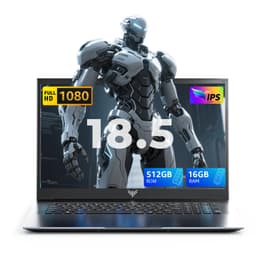
The ACEMAGIC 18.5 inch offers the largest screen in this selection, providing maximum viewing area for detailed patient record analysis and complex documentation tasks. The expansive 18.5 inch Full HD display reduces eye strain significantly during extended clinical work, with screen real estate approaching desktop alternatives. The 16GB RAM and 512GB SSD combination supports smooth multitasking across hospital systems, email communications and reference materials simultaneously. The Intel N150 processor handles everyday healthcare applications efficiently.
However, practical nursing considerations become apparent with this model. The 2.4kg weight, whilst still portable, represents the heavier end of clinical laptop options and may feel burdensome during mobile care work or when frequently transported between departments. Battery life extends only to approximately five hours, requiring recharging during longer shifts or limiting usage flexibility during on-call periods. The 18.5 inch form factor suits stationary clinical work or nurses managing documentation in office environments rather than bedside or mobile care roles.
This laptop serves nurses primarily based in office, administrative or teaching environments who value maximum screen real estate over portability. Maternity coordinators, clinical educators or nurse managers working predominantly at desks benefit from the larger display reducing eye fatigue across administrative shifts. The weight and battery limitations make this less suitable for nurses rotating between bedside and office work or those managing mobile care responsibilities.
Pros
- 18.5 inch display significantly reduces eye strain during extended documentation sessions
- 16GB RAM handles simultaneous EHR systems and reference applications smoothly
- 512GB SSD provides comfortable storage for extensive clinical materials
Cons
- Five-hour battery insufficient for full shifts without mid-rotation charging
- 2.4kg weight creates burden for nurses managing mobile or bedside care responsibilities
The Apple MacBook Air 2019 offers premium engineering and exceptional build quality for nurses in healthcare systems adopting macOS or those preferring Apple's ecosystem. The 13.3 inch Retina display delivers sharp visual clarity with a quality that benefits detailed clinical work. An Intel Core i5-1035G1 processor handles everyday healthcare applications smoothly, whilst the minimalist design projects professionalism in clinical settings. Build quality stands among the best available, with precision aluminium construction that withstands years of daily hospital use.
Ten-hour battery life exceeds most standard shifts, providing genuine flexibility across extended rotations or variable scheduling patterns. The 1.25kg weight remains exceptionally light, making this ideal for nurses prioritising minimal carried equipment or those managing mobile responsibilities across multiple departments. macOS integration ensures seamless operation within Apple-equipped hospital systems, though some healthcare facilities still primarily support Windows. The 128GB storage presents a significant limitation for nurses requiring space for medical software, patient reference materials or documentation archives.
This laptop suits nurses in Apple-forward healthcare environments or those prepared to manage cloud-based storage solutions. The premium build quality and ten-hour battery justify the investment for nurses seeking reliability and longevity across multiple years of daily clinical use. However, the limited storage and potential Windows incompatibility mean this works best for nurses in specific institutional contexts rather than general healthcare applications.
Pros
- Ten-hour battery life covers full shifts with charge remaining for flexibility
- 1.25kg weight combined with 13.3 inch screen achieves exceptional portability
- Premium aluminium build quality withstands years of daily hospital use
- Intel Core i5 handles clinical applications and multitasking smoothly
Cons
- 128GB storage severely limits software and resource capacity, requiring cloud reliance
- macOS compatibility issues with Windows-dependent hospital systems in most facilities
Buying Guide
Nurses should prioritise battery life as a primary specification, targeting models offering minimum 8 hours of realistic usage to cover standard shifts without mid-rotation charging. Hospital environments often restrict outlet access in clinical areas, making portable power essential. Weight represents another critical consideration: under 2kg becomes genuinely portable for bedside work, whilst 2kg to 2.5kg suits primarily office-based nursing roles. Screen size involves real compromise, with 13.5 inch models maximising portability but 15.6 inch displays reducing documentation eye strain during extended shifts.
Processing power requirements vary by role. Nurses managing straightforward documentation benefit from basic processors, whilst those coordinating care across multiple specialties or managing complex administrative systems require processors capable of running multiple EHR windows simultaneously without lag. RAM allocation of 16GB supports comfortable multitasking, whilst 8GB manages basic applications but creates slowdown with simultaneous system usage. Storage of 512GB provides comfortable space for clinical software and reference materials; 256GB requires careful management and cloud reliance.
Touchscreen functionality proves valuable in bedside settings where gloved operation and quick navigation save moments in time-pressured care. Build quality and chassis materials indicate durability for daily hospital transport and movement between departments. Operating system selection depends on institutional systems: Windows dominates healthcare but some facilities support macOS. Consider WiFi capability for reliable hospital network access, longevity expectations across years of daily clinical use, and whether the device serves as primary clinical computing or supplements desktop systems. Some roles benefit from convertible designs enabling flexible documentation modes, whilst traditional clamshell designs suit most clinical work. Evaluate whether warranty and support services align with your hospital's IT policies, as some institutions restrict device repairs to authorised providers.
The Acer Aspire Go 15 AG15-71P emerges as the best overall laptop for nurses, delivering genuine balance between the competing demands of clinical portability and practical functionality. The combination of Intel Core i5 processing power, 15.6 inch Full HD display suitable for safe documentation work, eight-hour battery life covering standard shifts and 1.9kg weight ensuring portability across departments addresses the real requirements of modern nursing practice. This model doesn't excel exclusively in any single area, but matches capability across multiple dimensions that matter in healthcare settings. The integrated graphics handle clinical applications reliably, and the 512GB SSD provides comfortable storage without excessive cloud dependency.
For nurses prioritising premium build quality and touchscreen responsiveness at accessible pricing, the Microsoft Surface Laptop 3 delivers exceptional value. The PixelSense display provides practical advantage in clinical environments, ten-hour battery life exceeds standard shift demands, and 1.25kg weight makes this genuinely pocket-sized for mobile work. The primary compromise involves 256GB storage requiring selective resource management.
Individual selection ultimately depends on specific role requirements. Nurses prioritising maximum battery life across on-call rotations should consider the Acer Aspire Spin 14 Convertible. Those managing extensive multitasking with complex hospital systems benefit from the 16GB RAM configurations in the Acer Aspire Go 15 AG15-42P or Acer Aspire 3 A315-44P. Budget-conscious nurses should evaluate the Lapbook, though accepting battery life limitations. The ACEMAGIC 18.5 inch suits office-based clinical work with minimal transport requirements. None of these models requires compromise on basic clinical functionality, offering flexibility to match purchasing decisions to individual circumstances and institutional contexts.