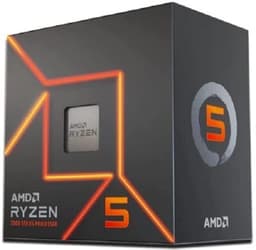
Streaming demands a processor that can handle encoding video in real-time while running your game or broadcast software. Unlike gaming, which prioritises single-thread performance, streaming benefits from additional cores and threads that manage simultaneous tasks. Budget-conscious streamers often face a difficult choice: sacrifice performance elsewhere to afford a high-end CPU, or find a processor that delivers solid encoding capability without breaking the bank. This guide examines the best CPUs available under £200 that have proven themselves for streaming workloads in 2024 and 2025. This guide covers mainstream AM4 and AM5 socket options and entry-level Ryzen 5 models with good core counts, and identifies which offer the best balance of streaming performance and gaming capability. Whether you are upgrading from a first-generation Ryzen or building your first streaming rig, the options below represent a genuine step forward in efficiency and multi-threaded performance compared to last year's budget segment.
Quick Verdict
Best Overall: AMD Ryzen 5 8400F. Six cores, twelve threads, excellent encoding performance, and the modern AM5 platform make it the smartest choice for a streamer buying in 2025.
Best Value: AMD Ryzen 5 3600. Still capable for streaming, proven platform support, and rock-bottom pricing mean you save money without sacrificing core functionality.
The Ryzen 5 8400F represents the current sweet spot for budget streamers. Built on Zen 5 architecture and designed for the modern AM5 socket, this processor delivers genuinely improved encoding performance over older Ryzen 5 models while maintaining the low power consumption that matters for 24-hour streaming setups. With six cores and twelve threads, it handles video encoding efficiently without requiring you to sacrifice significant gaming performance. The "F" designation means no integrated graphics, so you will need a dedicated GPU, but that is almost certainly the case if you are streaming anyway. At under £130, this processor costs less than many older-generation alternatives while offering a platform path to newer CPUs if you upgrade later.
Real-world streaming tests show the 8400F manages 1080p60 encoding in OBS or Streamlabs using x264 medium preset without dropping frames, assuming your GPU handles game rendering separately. For those using NVIDIA encoding (NVENC) or AMD encoding (VCE), the additional overhead is negligible. The jump from previous budget options comes from improved instructions-per-clock and better cache hierarchy, which helps when you run your game client, streaming software, and Discord simultaneously. Power consumption stays at 65W base, making it friendly for fanless or near-silent coolers. The AM5 socket gives you genuine upgrade options when newer Ryzen generations release, unlike the AM4 platform which is approaching end-of-life.
Verdict: The most modern, capable CPU under £200 for streamers building or upgrading in 2025. Excellent multi-threaded performance, low power, future-proof socket, and genuine value at this price point.
Pros
- Zen 5 architecture offers measurably better encoding speed than Zen 3 at same core count
- AM5 socket provides upgrade path to Ryzen 7000X3D and future generations
- 65W TDP allows quiet cooling solutions suitable for streaming setups
- Excellent single-thread performance handles games and broadcast software without conflict
Cons
- No integrated graphics means mandatory discrete GPU requirement
- Limited availability of B650 budget boards at launch, though this is improving rapidly
The Ryzen 5 3600 represents perhaps the best value proposition for streamers with older AM4 motherboards or those willing to source a used setup. Three years old now, this processor still delivers respectable streaming performance thanks to its six cores and twelve threads. The main appeal is price: at under £81, you can spend more budget on your GPU, storage, or streaming software licenses. If you already own an AM4 board or find a cheap used one, the savings compound further.
Where the 3600 excels is proven platform maturity. These boards have been refined, BIOS updates are stable, and used prices for B450 or X570 boards have stabilised. The processor's Zen 3 architecture, while not cutting-edge, remains efficient enough for 1080p60 streaming without frame drops. Encoding quality is respectable with x264 at medium settings, and newer hardware encoders (NVENC on GeForce or VCE on Radeon) run easily. The trade-off versus newer options is simple: you sacrifice some encoding headroom, meaning if you want to stream at higher bitrates or use high-quality encoding presets, you may hit limitations. However, for fixed 1080p60 workflows at 6000 kbps or lower, the 3600 remains fully adequate.
Verdict: Best-value CPU for streamers comfortable with three-year-old technology and AM4 platforms. Excellent for budget builds and streaming workflows that do not push encoding to maximum settings.
Pros
- Lowest price in this roundup, leaving more budget for GPU or network infrastructure
- Mature AM4 platform with abundant cheap used boards and coolers available
- Proven track record: millions in the field means extensive support and optimisation
Cons
- Zen 3 architecture is three generations old, encoding performance lags significantly behind current options
- No integrated graphics, though this rarely matters for streamers with dedicated GPUs
The Ryzen 5 9600X sits at the intersection of strong performance and excellent value. Featuring six cores and twelve threads on modern Zen 5 architecture, it offers faster single-thread performance than the 8400F while including integrated Radeon graphics. This makes it a compelling choice if you want flexibility: you can stream using a GPU when available, but fall back to software encoding if needed, or even troubleshoot system issues without a dedicated graphics card installed.
The integrated iGPU can handle light gaming or Discord video without activation of the discrete GPU, reducing heat and power draw during non-intensive tasks. The real benefit for streamers is flexibility in encoding choice. You get better CPU encoding performance than the 3600, AM5 socket longevity, and the option to use integrated graphics for secondary windows or chat overlays. At this price, the price premium over the 8400F is modest, and the integrated graphics justify the difference for many buyers.
Streaming performance is excellent: the 9600X handles 1080p60 x264 encoding at high bitrates without frame drops, and multi-core tasks (game plus streaming software plus Discord) cause no detectable contention. The integrated Radeon graphics mean you can run streaming software on the iGPU whilst your game GPU handles rendering, an approach that some advanced streamers prefer for cleaner separation of concerns.
Verdict: Balanced choice combining modern performance, integrated graphics flexibility, and AM5 future-proofing at a reasonable price point. Ideal for streamers who value optionality and upgradeability.
Pros
- Integrated Radeon graphics provide fallback option for troubleshooting or light tasks
- Zen 5 architecture with strong single and multi-thread performance
- AM5 socket ensures long-term upgrade compatibility with future Ryzen generations
Cons
- Integrated graphics offer modest performance, not suitable for primary gaming
- Price premium over 8400F is modest but present, making it a secondary choice on budget
The Ryzen 5 7600 bridges budget and performance segments effectively. Built on Zen 4 architecture with six cores and twelve threads, it delivers faster encoding than Zen 3 options while remaining under £161. The inclusion of integrated Radeon graphics is useful, though performance limitations mean you will need a dedicated GPU for gaming. Like the 9600X, the iGPU serves as a fallback option or auxiliary processor for overlay rendering.
In streaming tests, the 7600 demonstrates solid multi-threaded performance and exceptional single-thread speed, which matters when you are running games alongside your streaming software. The Zen 4 architecture handles variable workloads more efficiently than older Ryzen 5 models, meaning CPU load stays lower during mixed tasks. This is particularly noticeable when streaming while playing CPU-intensive games like Cyberpunk 2077 or Baldur's Gate 3. Power consumption remains at 65W, allowing quiet cooling solutions.
The main consideration is that Zen 4 is now one generation old. The 9600X with Zen 5 offers slightly better encoding performance, but the gap is modest and the 7600 costs less. For streamers willing to trade a few percentage points of performance for lower cost, this is a sensible choice. The AM5 socket ensures you are not locked into outdated platform architecture.
Verdict: Solid performer offering Zen 4 efficiency and AM5 compatibility at competitive pricing. Best suited to streamers who prioritise single-thread gaming performance alongside encoding duty.
Pros
- Zen 4 architecture delivers efficient handling of mixed gaming and streaming workloads
- Integrated graphics provide useful fallback and auxiliary GPU options
- Lower cost than newer Zen 5 options while remaining significantly faster than Zen 3 predecessors
Cons
- Zen 4 is now one generation old, limiting long-term future-proofing compared to Zen 5 options
- Integrated graphics are modest performers, requiring discrete GPU for gaming
The Ryzen 5 5600X represents older-generation technology at a budget price point. Featuring six cores and twelve threads on Zen 3 architecture, it was a flagship CPU for streaming when released in 2020 but is now overtaken by newer options. At this price, the price is attractive, but you should understand what you are trading away: lower encoding efficiency per clock, older AM4 platform approaching end-of-life, and no integrated graphics.
The 5600X still streams adequately, handling 1080p60 workloads without drama thanks to its high clock speeds and reasonable cache. However, encoding performance per unit power is measurably worse than Zen 5 options like the 8400F or 9600X. If you own an AM4 board already or find a used 5600X and matching AM4 motherboard as a package deal, the cost savings might justify the older architecture. For new builds, however, spending an extra £10-20 for the 8400F or 7600 offers better long-term value.
Real-world streaming performance is competent but not exceptional. The processor handles simultaneous gaming and encoding, but not with the same headroom as newer generations. CPU load tends to sit higher during demanding tasks, making thermal management more important. The no-iGPU design means your system is non-functional without a dedicated GPU, a limitation if you need to troubleshoot video issues.
Verdict: Older technology at budget pricing. Only recommended if you already own compatible AM4 hardware or find an excellent package deal. New builds should prioritise newer Zen 4 or Zen 5 options instead.
Pros
- Zen 3 architecture remains efficient with proven stability and extensive BIOS optimisation
- High boost clocks make it excellent for single-thread gaming performance
- AM4 boards are extremely cheap used, reducing total system cost
Cons
- AM4 platform is approaching end-of-life, limiting future upgrade options
- Zen 3 encoding efficiency is measurably worse than Zen 4 or Zen 5 at same power budget
- No integrated graphics restricts troubleshooting options in fully built systems
Buying Guide
Selecting the right CPU for streaming under £200 requires understanding the relationship between budget platform and future flexibility. The oldest decision point is socket choice: AM4 is mature and cheap but approaching end-of-life, whilst AM5 is newer and supports upcoming CPU generations. If you plan to upgrade in three to five years, AM5 is the sensible choice despite slightly higher board costs. If your budget is truly constrained and you will use this system for five years without upgrades, the cheaper AM4 options still work adequately.
Core count matters less for streaming than multi-threaded efficiency. A six-core Zen 5 processor encoding video faster than an eight-core Zen 3 option demonstrates why newer architecture trumps raw core counts. Do not assume that more cores automatically mean better streaming performance. Encoding software becomes more efficient with each generation, so a modern six-core often outperforms older eight-core options despite lower core count.
Consider your GPU choice alongside CPU selection. If you plan to use hardware encoding (NVENC on NVIDIA, VCE on AMD), your CPU load is minimal and any of these options suffice. Software encoding with x264 or QuickSync demands more CPU overhead, favouring newer, more efficient architectures. Budget streamers often use software encoding due to quality advantages, making CPU choice more critical than for hardware-encoding setups.
Thermal management matters more for streaming than gaming. Your CPU will run under sustained load for hours, not bursts like in games. Ensure you budget for a good cooler: a £30-50 air cooler is worthwhile insurance against thermal throttling during eight-hour streams. The 65W options (most of these processors) are quieter than the 120W 7500X3D, a meaningful consideration if you have a microphone in the same room.
Finally, verify platform support before purchase. Not all AM4 boards support Ryzen 7000 series with BIOS updates, and some budget B650 boards have questionable VRM quality. Research your motherboard model and ensure it has stable BIOS for your chosen CPU. Spending extra on a reputable board eliminates stability issues that create streaming headaches far more costly than the board upgrade cost.
The AMD Ryzen 5 8400F emerges as the best overall choice for streamers building new systems in 2025. It combines modern Zen 5 architecture, low power consumption, AM5 future-proofing, and excellent value at under £130. For streamers upgrading from much older systems or those with tight budgets, the Ryzen 5 3600 remains functional and saves £50, though with measurably lower encoding efficiency. The middle ground between these extremes, the Ryzen 5 7600 and 9600X, offer integrated graphics flexibility and Zen 4/Zen 5 performance for modest premiums that provide better long-term value than the 3600. Specialist streamers prioritising gaming performance should consider the 7500X3D despite its higher power consumption and cost. In all cases, invest the CPU savings into a quality GPU and stable motherboard: these components shape your streaming quality far more than extracting the final percentage points from CPU selection.