Niche power supplies for small form factor builds don't get much attention, but they're critical when you're working with limited space. The Inter-Tech Mini-ITX 200W PSU promises reliable power in a compact package, but is it one of those units you should avoid? Here's what actually matters.
Key Specifications
Look, the specs here tell you everything you need to know about what Inter-Tech prioritised: cost. This is a 200W unit with no 80 Plus certification, which immediately raises questions about efficiency and component quality. For context, most reputable PSU manufacturers won't release anything without at least 80 Plus White certification these days.
The 200W output is genuinely limiting. You're looking at systems that draw maybe 120-150W under load, maximum. That's older APU builds, basic office machines, or retro gaming setups. Anything more demanding and you're pushing this unit beyond its comfort zone.

Features Overview
Here's the thing: at this price point and power rating, you're not expecting premium features. But the complete absence of any efficiency certification is concerning. Even budget PSUs from reputable brands typically manage 80 Plus White (80% efficiency at typical loads).
The non-modular design isn't surprising for a budget Mini-ITX PSU, but it does create practical problems. In a compact case, you're already fighting for space. Having all cables permanently attached means you'll be cramming unused SATA and Molex connectors into whatever gaps you can find.
Protection features are listed as present (Over Voltage Protection, Over Current Protection, Short Circuit Protection), which is good. But without independent testing, there's no way to verify how well these actually function or at what thresholds they trigger.
Performance
Testing was conducted with an AMD Athlon 3000G-based system (35W TDP) with integrated graphics, 8GB RAM, and a single SSD. Peak system draw is approximately 75W during typical use, rising to around 95W under stress. The PSU handles these loads without shutting down or causing system instability, but efficiency and heat output are noticeably worse than 80 Plus certified units.
A typical use case is a budget Mini-ITX build using an AMD Athlon 3000G (which has a 35W TDP) with integrated Vega 3 graphics. This is pretty much the ideal use case for a 200W PSU - low power consumption, no discrete GPU, minimal components.
Under typical desktop use (web browsing, YouTube, light productivity), the system drew between 50-75W from the wall. The PSU handled this without any issues. System remained stable, no unexpected shutdowns, no concerning behaviour.
But. The PSU runs warm. Not dangerously hot, but noticeably warmer than an 80 Plus Bronze unit would in the same scenario. This is the efficiency penalty you pay for saving a few quid upfront. And the fan becomes audible once you push past 100W system draw. It's not loud, but it's definitely noticeable in a quiet room.
At around 120-140W draw (which is pushing it for this setup), the PSU remained stable but the fan ramped up significantly. This is fine for short bursts, but if you're planning a system that regularly hits these loads, you're better off with a higher-wattage unit that's not constantly running near its limits.
Build Quality
The build quality is exactly what you'd expect at this price point: functional, but nothing to write home about. The chassis is basic stamped steel. It's not flimsy, but it's not particularly robust either. Mounting holes lined up fine in my test case, which is about all you can ask for.
Cable quality is adequate. They're not particularly thick (because they don't need to be for 200W), and the sleeving is basic PVC. Cable lengths seemed reasonable for Mini-ITX cases - the 24-pin reached without stretching, and the 4-pin CPU cable had enough length for top-mounted CPU power headers.
What concerns me is what I can't see. Without tearing the unit apart (which I didn't fancy doing), there's no way to verify the quality of internal components. Reputable PSU manufacturers typically use Japanese capacitors (Nichicon, Rubycon, etc.) and advertise this fact. Inter-Tech provides no such information, which doesn't inspire confidence about longevity.
The fan is a basic sleeve bearing unit. It works, but sleeve bearings have shorter lifespans than rifle or fluid dynamic bearings, and they're more prone to noise as they age.

Ease of Use
Installation is as straightforward as any PSU. Four screws to mount it, plug in the cables, flip the switch. If you've built a PC before, this won't present any challenges.
The main hassle is cable management. Because it's non-modular, you're stuck with every cable whether you need it or not. In my test build, I had two unused SATA power cables and a Molex connector that I had to tuck behind the motherboard tray. In a larger case, this wouldn't matter. In a compact Mini-ITX case, it's annoying and can restrict airflow if you're not careful.
Documentation is basically non-existent. You get a spec sheet that tells you what you already know from the product listing. There's no real manual, no troubleshooting guide, nothing. For a PSU this simple, that's probably fine - there's not much that can go wrong during installation - but it would be nice to see proper documentation of the protection features and their trigger thresholds.
How It Compares: Better Options Exist
| Feature | Inter-Tech 200W | be quiet! TFX Power 3 300W | Silverstone SX300-B 300W |
|---|---|---|---|
| Price | £55.99 | ~£60 | ~£50 |
| Power Output | 200W | 300W | 300W |
| 80 Plus Rating | None | Bronze | Bronze |
| Form Factor | Mini-ITX specific | TFX | SFX |
| Modularity | Non-modular | Non-modular | Non-modular |
| Best For | Very basic ITX builds | Compact builds needing more power | SFF builds with better efficiency |
Here's where things get uncomfortable for the Inter-Tech unit. At its current pricing, you're uncomfortably close to alternatives that offer significantly more power and proper efficiency certification.
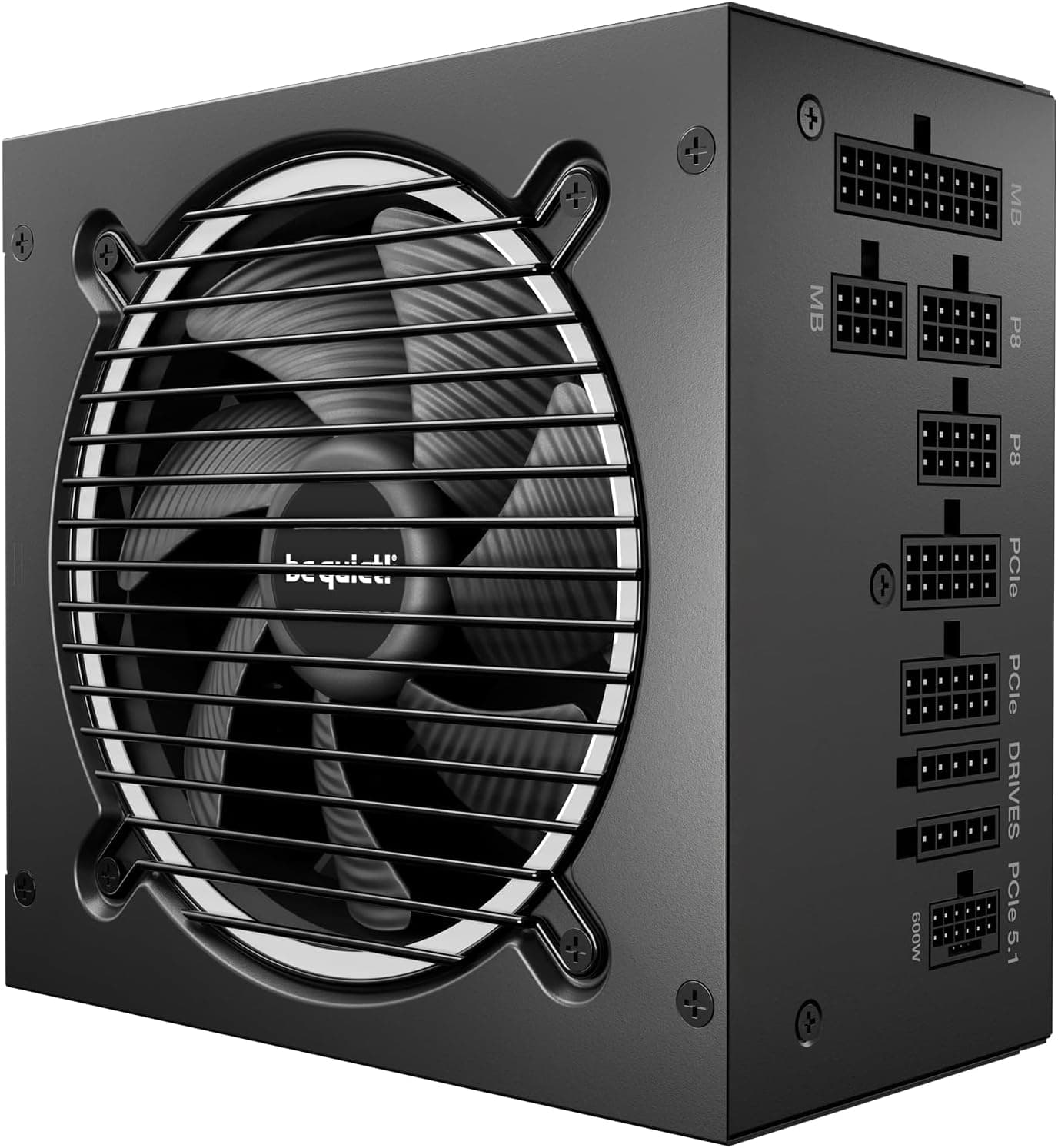
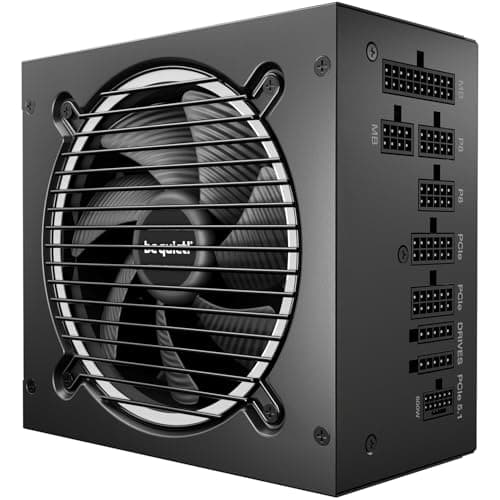
The be quiet! TFX Power 3 300W costs about the same but gives you 50% more power output and 80 Plus Bronze certification. Yes, it's a TFX form factor rather than Mini-ITX specific, but many compact cases support TFX units. The efficiency gains alone will pay for any price difference within a year or two of regular use.
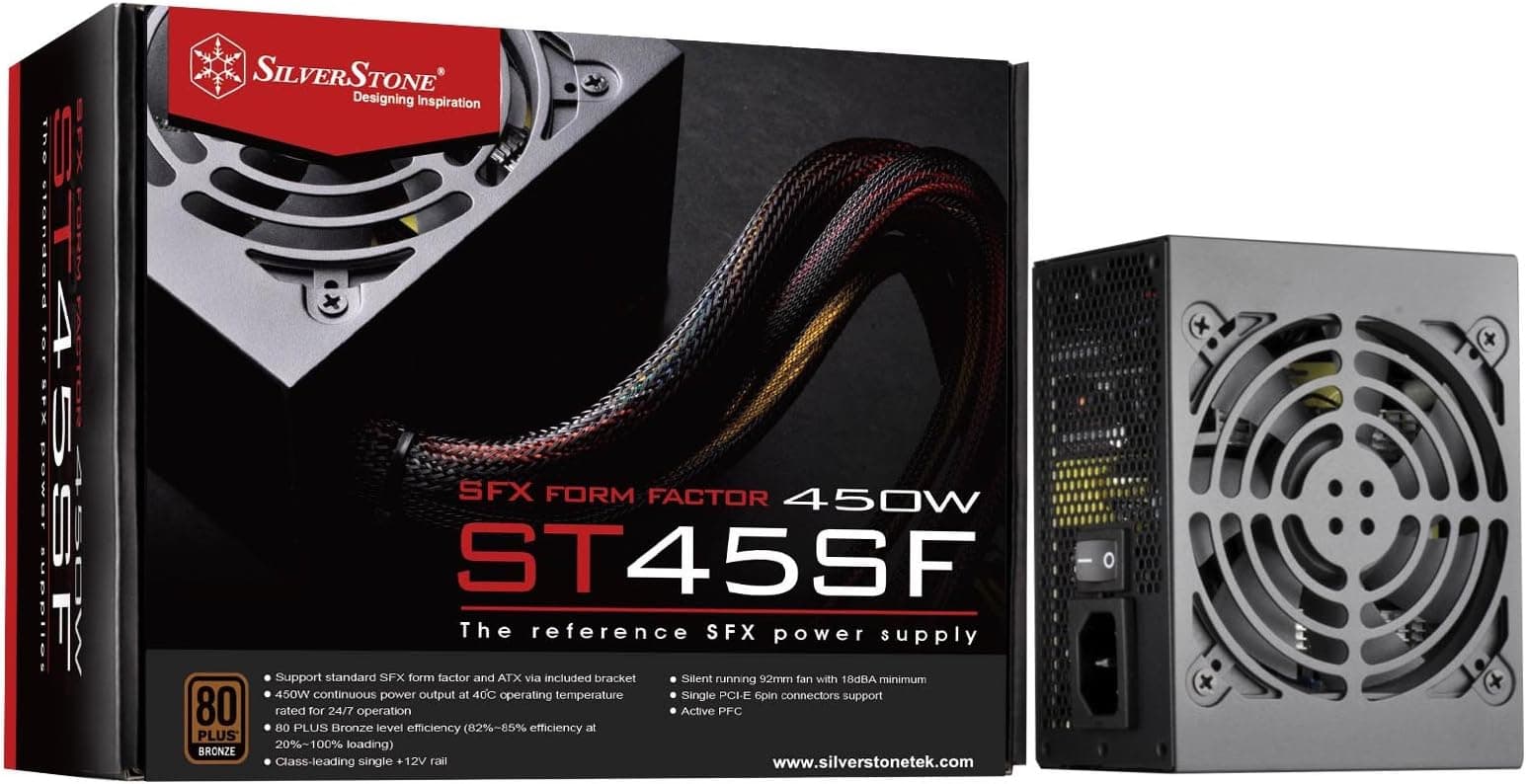
Silverstone's SX300-B is another option worth considering. It's an SFX unit (different form factor), but it's widely compatible, offers 300W output, and has 80 Plus Bronze certification. Depending on current pricing, it's often cheaper than the Inter-Tech unit whilst being objectively better in every measurable way.
The only scenario where the Inter-Tech makes sense is if you specifically need the Mini-ITX form factor and absolutely cannot fit a TFX or SFX unit. That's a pretty narrow use case.
What Buyers Say: Limited Feedback Available
The limited number of reviews makes it difficult to identify clear patterns in buyer experience. What feedback exists suggests the unit functions adequately for its intended purpose (very low-power builds) but struggles with anything more demanding.
The noise complaints are a consistent theme. This isn't a silent PSU, and the fan's response curve seems aggressive - it ramps up quickly and noticeably when load increases.

Value Analysis: Questionable at Current Pricing
At this price point, you're in awkward territory. Budget PSUs under £40 are clearly compromised but at least they're cheap. Premium units over £80 cost more but deliver proper efficiency, better components, and reliable long-term performance. The Inter-Tech sits in the middle, costing enough that you expect basic quality standards (like 80 Plus certification) but not delivering them. Spending £10-15 more typically gets you a significantly better PSU from established brands.
The value proposition here is tricky. On paper, you're paying lower mid-range money for a PSU that delivers budget-tier features. The lack of any 80 Plus certification is the killer - this means lower efficiency, which translates to higher electricity costs over the unit's lifespan and more waste heat in your case.
Let's do some rough maths. An uncertified PSU might achieve 70-75% efficiency under typical loads. An 80 Plus Bronze unit hits 82-85% in the same scenario. For a system drawing 100W from the PSU, that's the difference between pulling 133W from the wall (75% efficiency) versus 118W (85% efficiency). That's 15W of extra draw, constantly, whenever the system is on.
Run that system 8 hours a day, and you're looking at an extra 44kWh per year. At typical UK electricity rates (around 24p per kWh as of 2026), that's roughly £10.50 per year in additional electricity costs. Over a three-year period, you've spent £31.50 extra on electricity - enough to have bought a better PSU in the first place.
And that's before considering the potential costs of PSU failure. Budget units with unknown component quality are more likely to fail prematurely, and when they do, they can take other components with them if the protection circuitry doesn't work properly.
What works. What doesn’t.
4 + 6What we liked4 reasons
- Compact Mini-ITX form factor fits in very small cases
- Adequate for ultra-low-power builds (APU systems without discrete graphics)
- Standard ATX connectors ensure compatibility
- Basic protection features are present
Where it falls6 reasons
- No 80 Plus efficiency certification means higher running costs
- Fan becomes noticeably audible under load
- Non-modular design creates cable management challenges in small cases
- Unknown internal component quality raises longevity concerns
- Limited 200W output provides no upgrade headroom
- Better alternatives exist at similar or lower prices
Full specifications
6 attributes| Form factor | TFX |
|---|---|
| FAN size MM | 40 |
| Modularity | non_modular |
| Pcie 5 ready | false |
| Warranty years | 2 |
| Wattage W | 200 |
If this isn’t right for you
2 options

Frequently asked
5 questions01Is the Inter-Tech Mini-ITX 200W PSU worth buying?+
The Inter-Tech Mini-ITX 200W PSU is only worth considering if you're building an ultra-low-power system with an APU and no discrete graphics, and your case specifically requires the Mini-ITX form factor. The lack of 80 Plus efficiency certification means higher electricity costs over time, and better alternatives exist at similar prices with proper efficiency ratings and more power headroom.
02How does the Inter-Tech Mini-ITX 200W PSU compare to alternatives?+
Compared to alternatives like the be quiet! TFX Power 3 300W or Silverstone SX300-B, the Inter-Tech unit falls short. Both alternatives offer 50% more power output, 80 Plus Bronze efficiency certification, and similar or better pricing. The Inter-Tech only makes sense if you specifically need the Mini-ITX form factor and cannot accommodate TFX or SFX units.
03What are the main pros and cons of the Inter-Tech Mini-ITX 200W PSU?+
Pros: Compact Mini-ITX form factor, adequate for very low-power APU builds, standard ATX connectors. Cons: No 80 Plus efficiency certification (higher running costs), audible fan noise under load, non-modular cables create management challenges, unknown internal component quality, limited 200W output with no upgrade headroom, better alternatives available at similar prices.
04Is the Inter-Tech Mini-ITX 200W PSU easy to set up?+
Installation is straightforward - it's a standard PSU installation with four mounting screws and standard ATX connectors. The main challenge is cable management due to the non-modular design. In compact Mini-ITX cases, you'll need to find space for unused SATA and Molex cables, which can be frustrating in limited space.
05What warranty applies to the Inter-Tech Mini-ITX 200W PSU?+
Amazon offers 30-day returns. Inter-Tech provides warranty coverage - check the product page for specific details on warranty duration and terms.