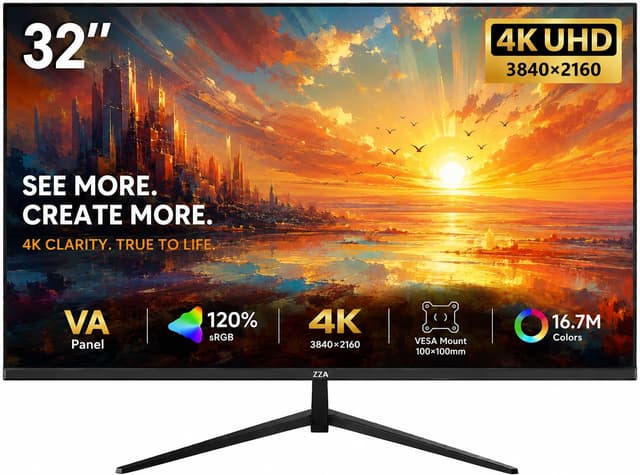
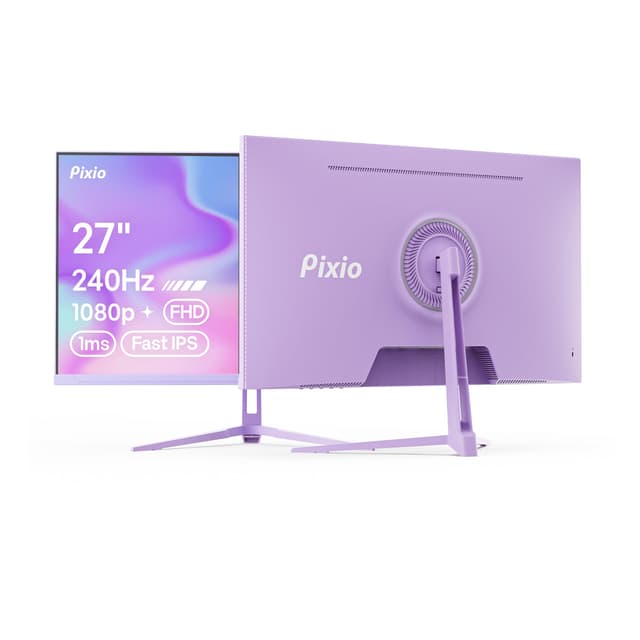
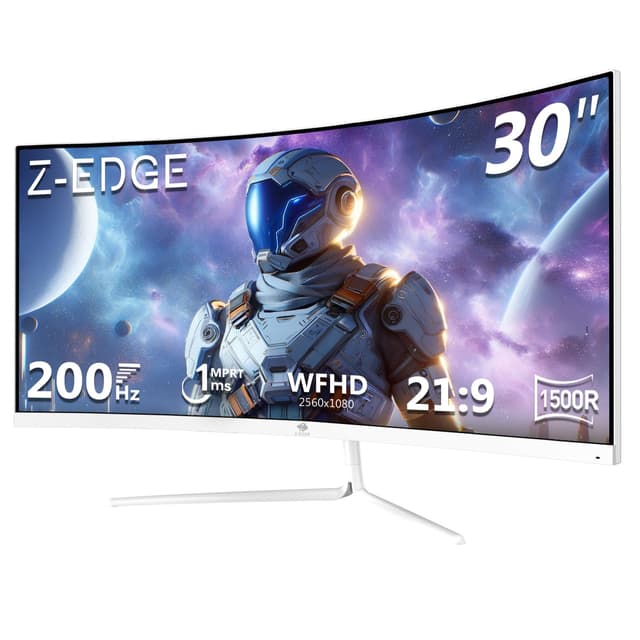
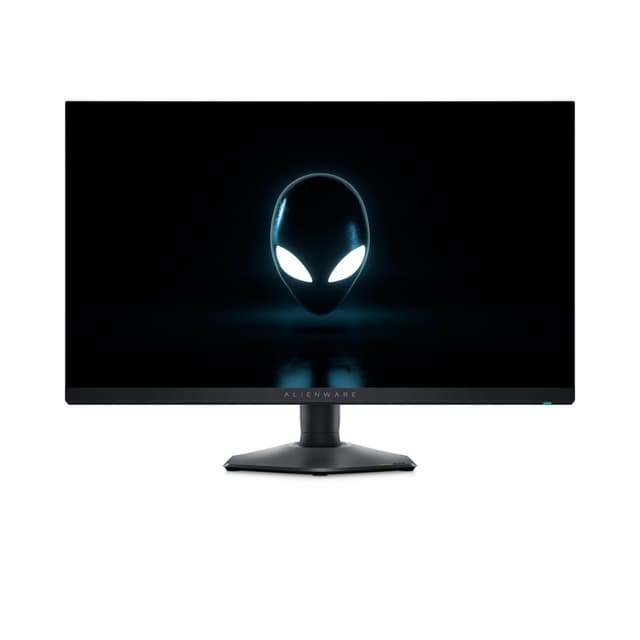
Gaming monitor technology has evolved significantly over the past year, with sub-£400 options now delivering performance that rivals models costing considerably more. Budget-conscious gamers no longer need to compromise on refresh rates, panel quality or colour accuracy. This guide examines the best gaming monitors under £400, covering everything from compact 24-inch 1080p displays pushing 180Hz to larger 27-inch QHD panels at 180Hz. Whether you prioritise frame rate, resolution, or panel technology, you'll find a monitor here that matches your gaming setup and delivers genuine value.
Quick Verdict
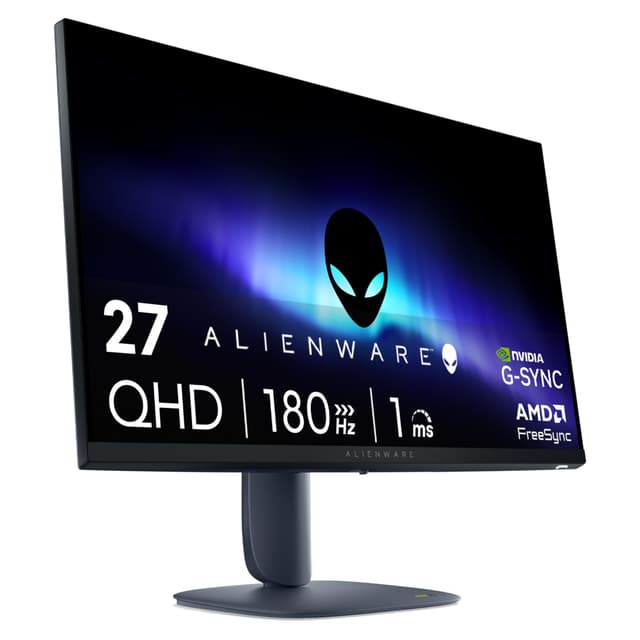
Best Overall: Alienware 27 Gaming Monitor (AW2725DM) offers QHD resolution, 180Hz refresh rate and 1ms response time within budget.
Best Value: Acer Nitro KG241YS3 provides a solid 180Hz 1080p gaming experience for entry-level budgets.
The Alienware AW2725DM stands out as the best gaming monitor under £400, delivering premium performance at an accessible price point. This 27-inch display pushes QHD resolution at 2560 x 1440, which represents a significant step up from standard 1080p panels whilst maintaining strong frame rates on most gaming hardware. The 180Hz refresh rate ensures fluid gameplay across competitive titles and AAA games alike, whilst the 1ms response time keeps motion blur minimal during fast-paced action.
The Fast IPS panel technology offers superior colour reproduction compared to standard TN or VA panels, making this monitor equally capable for gaming and creative work. Gamers with systems capable of pushing high frame rates will immediately appreciate the difference that 180Hz delivers, particularly in shooters and battle royales where every millisecond matters. The monitor features Dell's AntiGlare screen treatment and AMD FreeSync Premium compatibility for stutter-free performance with compatible graphics cards.
At just under £200, this represents exceptional value for a QHD gaming monitor at this refresh rate. The build quality feels robust, with height adjustable mounting and multiple input options. Compared to competing 27-inch displays, the AW2725DM offers the best balance of resolution, refresh rate and price.
Pros
- QHD resolution provides sharper image clarity than 1080p at 27 inches
- 180Hz refresh rate ensures smooth gameplay in demanding titles
- Fast IPS panel delivers excellent colour accuracy and wide viewing angles
- 1ms response time minimises ghosting during competitive gaming
Cons
- Requires capable graphics card to achieve 180fps at QHD settings
- Power consumption higher than budget 1080p alternatives
The Acer Nitro KG241YS3 represents the best value proposition for gamers on the tightest budgets, delivering a respectable 180Hz gaming experience at a genuinely affordable price. This 24-inch 1080p display uses a VA panel, which excels at contrast ratio and blacks compared to IPS alternatives. The 180Hz refresh rate pushes well beyond standard 60Hz gaming, providing noticeable improvements in responsiveness and motion smoothness for competitive gaming.
The 4ms response time keeps motion blur controlled, though it trails the fastest 1ms options by a small margin. For gamers playing shooters, MOBAs and fighting games, the 180Hz capability makes a substantial difference without requiring cutting-edge graphics hardware. The stand allows basic tilt adjustment, though height adjustment is absent. Build quality feels solid for the price point, with a dark bezel design typical of budget gaming monitors.
At under £80, this monitor offers outstanding value. Gamers prioritising refresh rate over resolution will find this an excellent entry point to 180Hz gaming. It suits those with mid-range graphics cards like RTX 3060 or RTX 4060 who can maintain high frame rates at 1080p. The trade-off is the smaller screen size and lack of QHD resolution, but for fast-paced multiplayer gaming, these limitations matter less than the refresh rate advantage.
Pros
- Extremely affordable entry point to 180Hz gaming
- VA panel provides excellent contrast and deep blacks
- Lightweight design makes repositioning easy
- 180Hz refresh rate suits competitive gaming perfectly
Cons
- Limited stand adjustment options restricts ergonomics
- 1080p resolution shows pixelation on 24-inch screens for some users
- 4ms response time lags premium alternatives
The Acer Nitro KG242YGbmipfx introduces an IPS panel option to the Nitro gaming lineup, trading the contrast advantages of VA for superior colour accuracy and viewing angles. The 24-inch 1080p resolution pairs with 120Hz refresh rate, which sits below the 180Hz offerings but still delivers smooth gameplay for most scenarios. The IPS panel technology proves particularly valuable for gamers who also engage in content creation, streaming or graphic design work.
The 4ms response time is respectable for an IPS panel, as this technology typically struggles with faster response times due to physical limitations. Colour reproduction from the IPS panel exceeds that of VA and TN alternatives, making in-game visuals appear more natural and vibrant. This monitor particularly suits gamers who value visual fidelity alongside competitive performance. The improved viewing angles mean teammates or spectators viewing from the side experience minimal colour shift.
At around £87-£150 depending on availability, the KG242YGbmipfx targets gamers wanting colour-accurate displays without abandoning high refresh rates entirely. The 120Hz performance suffices for modern gaming at 1080p, particularly with graphics cards like RTX 3060 or RTX 4060 Ti. It represents an ideal choice for those blending gaming with content creation, where IPS panel quality directly impacts workflow productivity. The step down from 180Hz to 120Hz feels minimal for single-player and casual multiplayer gaming.
Pros
- IPS panel delivers exceptional colour accuracy and wide viewing angles
- 120Hz refresh rate remains smooth for most gaming scenarios
- Excellent suitability for content creators and streamers
- Natural colour reproduction suits both gaming and professional work
Cons
- 120Hz cannot match 180Hz performance in competitive esports
- IPS technology typically results in slower response times
Buying Guide
Selecting a gaming monitor under £400 requires balancing several competing priorities. First, determine whether you prioritise refresh rate or resolution. Competitive gamers should favour 144Hz or higher at 1080p, as the frame rate advantage directly impacts responsiveness in fast-paced titles. Single-player and slower-paced multiplayer gamers benefit more from resolution upgrades, making 1440p at 120Hz+ compelling. Graphics card capability should inform decisions, as achieving high frame rates requires capable hardware; pairing a 180Hz monitor with a graphics card achieving only 90fps disappoints.
Panel technology matters substantially for extended gaming sessions. IPS panels deliver superior colour accuracy and viewing angles, suiting mixed-use scenarios and content creators. VA panels provide excellent contrast and blacks, ideal for immersive gaming but narrower viewing angles. TN panels offer fastest response times but poorest colour reproduction. Response time below 4ms feels responsive for most gamers; obsessing over 1ms versus 2ms versus 4ms matters less than marketing suggests for non-professional esports play.
Screen size affects perceived resolution and required graphics capability. 24-inch displays suit 1080p resolution perfectly, avoiding pixelation whilst keeping bezels narrow. 27-inch monitors benefit from 1440p resolution to maintain pixel density, though 1080p at 27 inches remains playable. Larger screens demand either step back from desk or acceptance of lower pixel density. Connectivity requirements rarely vary significantly, but ensure sufficient HDMI or DisplayPort inputs for your setup. Height-adjustable stands improve ergonomics, though not essential for temporary gaming setups. Budget allocation should prioritise refresh rate and resolution over aesthetic features or RGB lighting, as these directly impact gaming experience whilst cosmetics provide only marketing value.
The Alienware AW2725DM emerges as the definitive best gaming monitor under £400, delivering 2560 x 1440 resolution, 180Hz refresh rate and Fast IPS panel technology. This configuration offers the most complete package, satisfying gamers across multiple genres without critical compromises. The QHD resolution elevates visual clarity substantially beyond standard 1080p, whilst the 180Hz capability ensures silky-smooth performance. Gamers with graphics cards capable of driving this specification at gaming-appropriate frame rates will discover this represents remarkable value.
For those with tighter budgets, the Acer Nitro KG241YS3 at under £80 provides entry-level 180Hz gaming without breaking budgets. The sacrifice of resolution for refresh rate particularly suits competitive players where frame rate advantage matters most. Mid-range budgets between £100-£150 benefit from choosing between the high-refresh 1080p Acer Nitro options or the colour-accurate IPS alternatives, depending on intended use.
No single monitor suits all gaming scenarios equally, but the Alienware's balance of resolution, refresh rate, panel quality and price represents the strongest overall recommendation. Allocate remaining budget toward graphics hardware capable of driving the monitor's full potential, as even the best display cannot overcome graphics card limitations.