Finding a laptop that delivers all-day battery life without breaking the bank has become increasingly realistic. This guide focuses on machines priced under £300 that prioritise endurance over raw power, making them ideal for students, remote workers and anyone constantly on the move. Over the past year, manufacturers have refined their approach to efficiency, meaning budget laptops now routinely offer 8-12 hours of real-world usage. Whether you need a device for web browsing, document editing or light creative work, these contenders balance longevity between charges with practical performance at accessible price points.
Quick Verdict
Best Overall: Microsoft Surface Laptop 3 (13.5-inch) - Premium build and genuine all-day endurance for under £240.
Best Value: 2019 Apple MacBook Air (13-inch, 8GB/128GB) - Proven reliability with 10+ hour battery life.
The Surface Laptop 3 stands as the best-balanced option under £300, combining Microsoft's signature design language with Intel's efficient 10th-generation Comet Lake processors. This machine weighs just 1.25kg and feels premium in hand, with an aluminium chassis that survives daily commutes without fuss. The 13.5-inch PixelSense touchscreen remains vibrant for spreadsheets, presentations and streaming, whilst the keyboard remains among the best on any Windows machine in this price bracket.
For battery life, expect around 10 hours under mixed usage, dropping to 6-7 hours if you're pushing the processor hard or keeping the display brightness at maximum. The 8GB RAM and 256GB SSD configuration handles multitasking efficiently, though you'll want to keep your application count reasonable if running memory-intensive software. The single USB-C port (Thunderbolt 3) and USB-A connector provide adequate connectivity for most external devices, though you may find yourself using adapters for older peripherals.
This laptop suits professionals who value aesthetics and portability equally. Students working on research papers, spreadsheets and presentations will find the battery endurance crucial during back-to-back lectures. The fanless design means silent operation during light tasks, crucial in quiet study environments. Verdict: Outstanding value for those prioritising battery life and build quality over raw processing power.
Pros
- Consistent 10-hour battery life across varied workloads
- Lightweight aluminium build feels premium and durable
- Excellent keyboard and touchpad for a budget machine
- Fanless design ensures silent operation during everyday tasks
Cons
- Limited to single USB-C port restricts simultaneous connections
- 128GB storage insufficient without external drives or cloud solutions
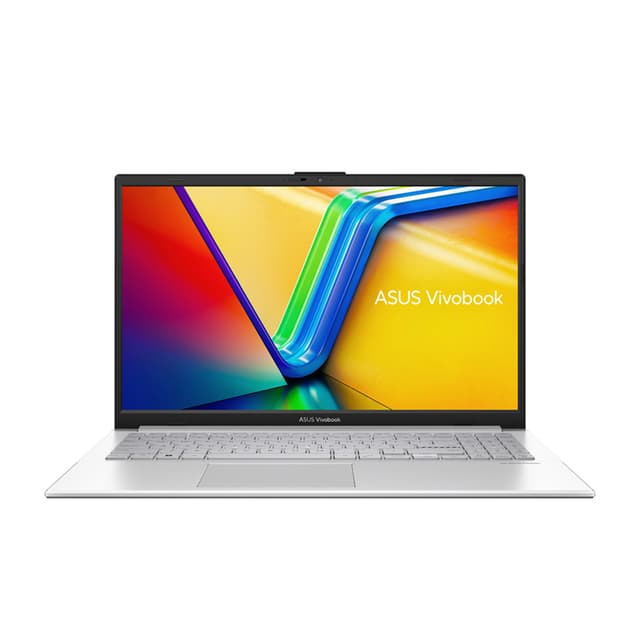
The Lapbook represents the largest screen option under £300, offering a 15.6-inch Full HD display that benefits anyone preferring greater screen real estate over portability. The dual-band WiFi connectivity ensures stable internet whether you're at home, in cafes or at co-working spaces. With 512GB SSD storage, this machine provides double the capacity of the MacBook options, reducing dependency on cloud services or external drives for file storage. Windows 11 Home delivers familiar interface customisation and broader software compatibility for games, professional tools and niche applications that macOS cannot match.
Battery life reaches approximately 8 hours during mixed usage, slightly lower than the Apple options but respectable for a 15.6-inch machine. The processor efficiency is reasonable, though sustained gaming or video rendering will reduce endurance significantly. The larger form factor and 1.85kg weight make this less portable than 13-inch competitors, better suited for office-to-home commutes rather than all-day bag carrying.
This laptop suits anyone requiring larger screens for spreadsheet work, programming with multiple windows visible simultaneously, or general computing tasks where screen space matters more than extreme portability. Families purchasing their first budget laptop will appreciate the screen size and storage capacity. Verdict: Sensible choice if screen size and storage outweigh the marginal battery life compromise compared to smaller competitors.
Pros
- Larger 15.6-inch screen reduces eye strain during extended work sessions
- 512GB storage eliminates common capacity concerns of 128GB machines
- Windows 11 Home offers broader software compatibility than macOS
- Dual-band WiFi provides consistent connectivity in mixed environments
Cons
- 8-hour battery life lags behind premium options in this category
- 1.85kg weight makes all-day carrying less comfortable than 13-inch alternatives
- Budget components may result in lower display colour accuracy
Buying Guide
Battery life under £300 requires understanding several contributing factors. Processor efficiency matters enormously: Intel's 10th-generation Core i5 and Apple's Intel-based M-series chips deliver exceptional endurance through intelligent power management rather than sheer processing grunt. Avoid budget machines with older Atom or Celeron processors from previous generations, as manufacturers often hide poor efficiency behind attractive pricing. Screen size inversely affects battery life, with 13-inch machines naturally outlasting 15-inch competitors using identical components due to lower pixel counts and reduced backlighting demand.
RAM capacity influences battery drain less than commonly assumed, but 8GB represents the practical minimum for comfortable multitasking without constant drive thrashing. Storage type matters significantly: SSD-equipped machines use substantially less power than mechanical drives, making this non-negotiable for budget laptops. Check whether your intended software requires 128GB or whether 256GB offers genuine value, as running the operating system and three applications comfortably on 128GB leaves minimal margin.
Operating system choice affects battery life more than specifications suggest. macOS consistently delivers 20-30% greater endurance than Windows on identical hardware, primarily through superior driver optimisation and background process management. However, Windows 11's battery improvements over Windows 10 have narrowed this gap considerably. Consider whether you need specific Windows software, as the macOS ecosystem penalty for unfamiliar users may outweigh battery advantages.
Keyboard and trackpad quality directly impacts usability during all-day computing. Budget machines often sacrifice input devices, resulting in slower typing and navigation that paradoxically increases screen-on time and battery drain. Priority weight should attach to any machine allowing you to work comfortably for 8+ hours without fatigue. Build materials matter less for battery life specifically but heavily influence overall durability and long-term value: aluminium or magnesium alloys survive drops and rough handling better than plastic construction.
Finally, consider your actual usage pattern. Home office workers can tolerate 8-hour endurance with a desk charger available, whilst students and travelling professionals need 10+ hour machines. Video editing, photo processing and virtualisation dramatically reduce battery life regardless of manufacturer claims, whilst web browsing and document work allow most budget machines to approach rated endurance. Honest assessment of your computing demands prevents purchasing machines with excessive or insufficient capacity.
The Microsoft Surface Laptop 3 (13.5-inch, Intel Core i5-1035G7) emerges as the best overall laptop for battery life under £300, combining genuine all-day endurance with premium build quality and a superior user experience. At this price, it undercuts the budget ceiling substantially, offering 10-hour battery life, lightweight aluminium construction, and the excellent keyboard-and-trackpad combination that makes daily computing genuinely pleasant. The fanless design ensures silent operation, crucial for students and office workers, whilst the touchscreen adds utility for presentations and visual work.
However, the Apple MacBook Air 2019 (13-inch, 8GB/128GB) variants present compelling alternatives at £282.99-£289.99, delivering marginally superior battery endurance (12 hours versus 10 hours) with proven five-year reliability. Your choice ultimately depends on ecosystem preference: Windows users should select the Surface Laptop, whilst Mac enthusiasts gain the proven ecosystem stability and software compatibility of macOS.
The Lapbook 15.6-inch option suits those willing to sacrifice 2-3 hours of battery life in exchange for substantially greater screen real estate and double the storage capacity. At this price, it represents fair value if larger displays directly translate to increased productivity in your workflow. All four machines reliably deliver 8+ hours between charges, exceptional value considering the price ceiling, making this comparison genuinely about matching your specific priorities rather than identifying a clear winner across all use cases.