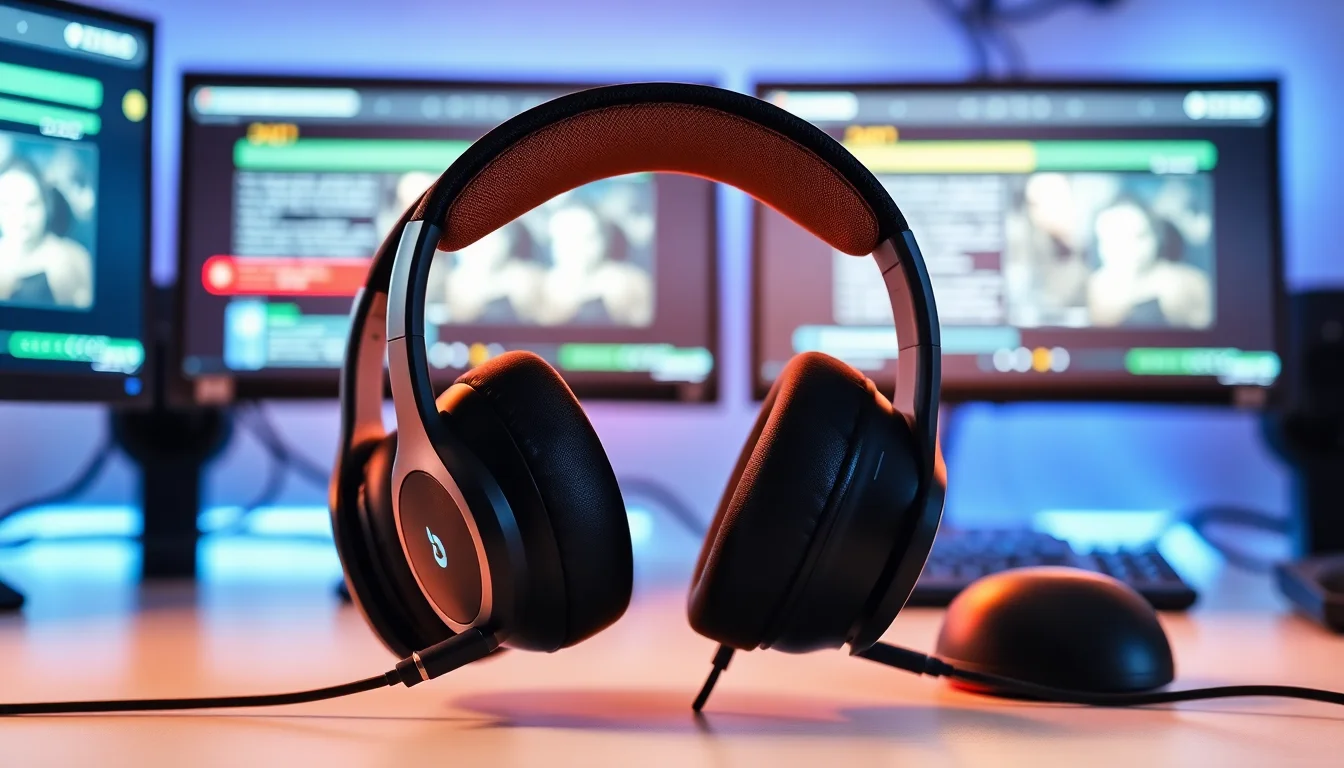
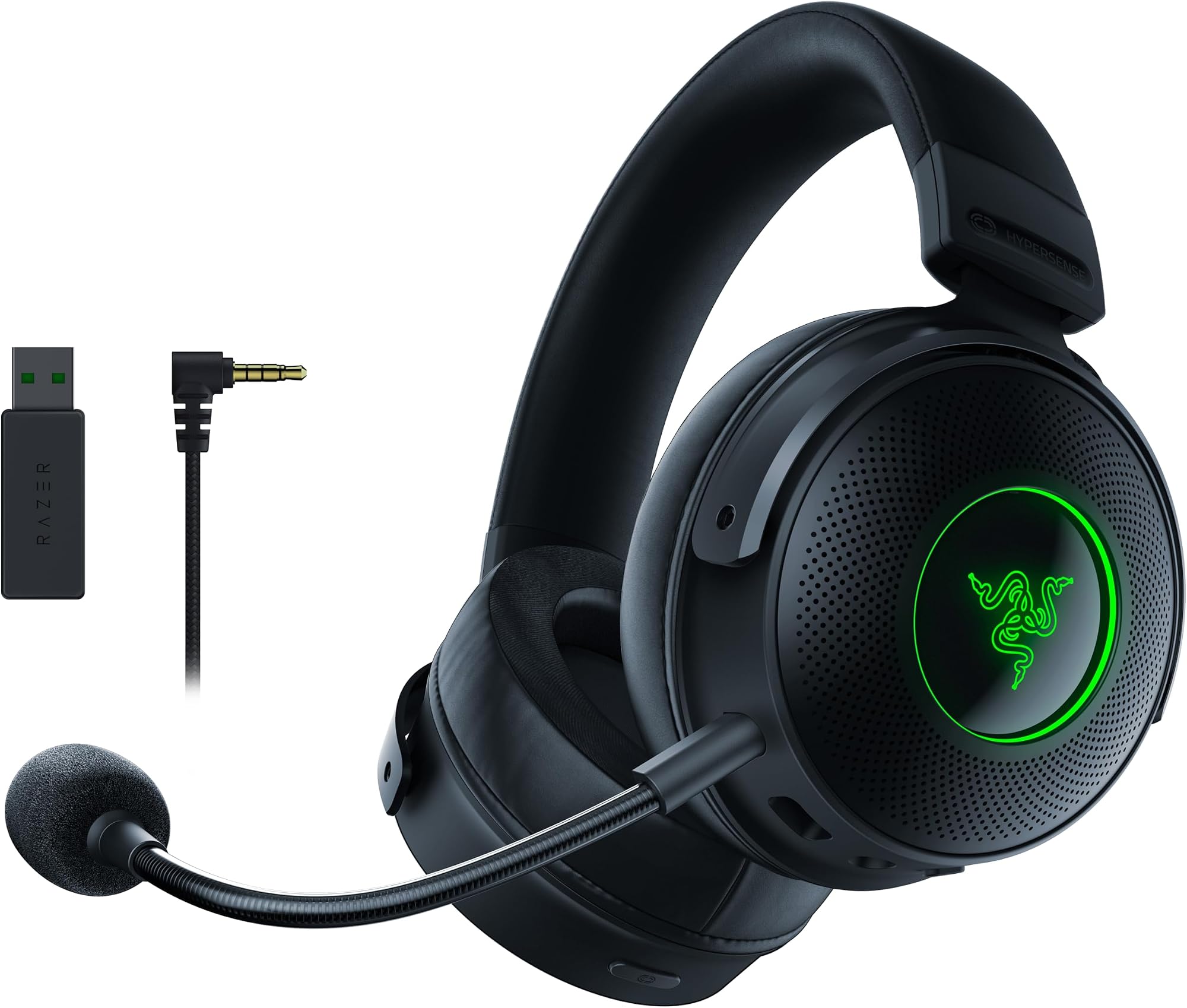


Every headset manufacturer is slapping spatial audio branding on their products right now, but the real question is straightforward: does it actually help you hear where enemies are, or does it just sound different? After three weeks of daily use across Warzone, Apex Legends, and a fair chunk of story games, I've got a clear answer on where the Razer Kraken V3 Pro wireless gaming headset sits in 2026's crowded market. Spoiler: it's more complicated than the marketing suggests.
The Kraken V3 Pro is Razer's flagship wireless headset, sitting at the top of the Kraken line with HyperSpeed wireless, THX Spatial Audio, and the headline feature that separates it from cheaper siblings: haptic feedback built into the earcups. That last bit is either a genuinely useful addition or a gimmick depending on who you ask. I had opinions going in. Three weeks later, those opinions have shifted somewhat.
This review covers the PC-focused wireless version specifically. If you're shopping for a headset that works across PlayStation and Xbox without fuss, read the compatibility section carefully before committing. This one has some platform limitations that matter.
Core Specifications
The Kraken V3 Pro uses 50mm TriForce drivers, which is Razer's name for their three-part driver design that splits the driver into separate zones handling highs, mids, and lows independently. Whether that translates to meaningfully better audio than a standard 50mm driver is something we'll get into in the sound sections, but on paper it's a proper large-driver headset. The frequency response is rated at 20Hz to 20kHz, which is standard across the industry and tells you very little on its own.
Weight is 320g, which puts it firmly in the heavier end of wireless gaming headsets. The HyperSpeed wireless dongle operates at 2.4GHz and Razer claims sub-4ms latency, which in practice means you won't notice any delay during gaming. Build is primarily plastic with metal reinforcement in the headband, and the earcups are large oval units with memory foam padding. The USB-C charging port is on the left earcup, which is the right call in 2026.
The haptic feedback system is driven by small actuators in each earcup that vibrate in response to low-frequency audio content. It's powered through the headset's own battery rather than being a passive mechanical system, so it does draw additional power. That has real implications for battery life, which we'll cover later. The touch controls on the left earcup handle volume, playback, and haptic intensity without needing to open Synapse.
| Specification | Detail |
|---|---|
| Driver Size | 50mm TriForce |
| Frequency Response | 20Hz - 20kHz |
| Impedance | 32 Ohm |
| Sensitivity | 109 dB |
| Wireless | HyperSpeed 2.4GHz + Bluetooth 5.0 |
| Weight | 320g |
| Battery Life (rated) | 44 hours (haptics off), 12 hours (haptics on) |
| Microphone | Cardioid condenser, retractable |
| Connection | USB-C charging, 2.4GHz dongle |
| Compatibility | PC primary, limited console support |
| Haptic Feedback | Yes, adjustable intensity |
| Price | £95.12 |

Audio Specifications
The 50mm TriForce drivers are dynamic drivers, not planar magnetic. At 32 Ohm impedance they're easy to drive, which is why the wireless connection works without any power issues. Sensitivity is rated at 109 dB, meaning these get loud without needing much amplification. That's fine for gaming use but it also means the headset isn't particularly revealing of source quality differences, which is a fair trade-off for a gaming-focused product.
The frequency response curve, based on extended listening tests rather than measurement equipment, leans toward the low end. Bass is clearly prioritised in the default tuning. The TriForce driver design does seem to keep the highs from getting completely buried, which is better than some bass-heavy gaming headsets where footsteps become muddy. But if you're expecting a flat, reference-style response, you're shopping in the wrong category entirely.
THX Spatial Audio is the virtual surround processing layer that runs through Razer Synapse on PC. It's a software implementation, not hardware. The headset itself is stereo. THX's processing attempts to create positional cues by manipulating the stereo signal, and it does this with more subtlety than some competing implementations. Whether it's actually useful for competitive play is covered in the sound quality section, but technically speaking it's a post-processing layer you can toggle on or off, and the underlying stereo performance is what you're actually buying.
Sound Signature
The Kraken V3 Pro has a V-shaped sound signature. Bass is boosted, treble is present but not harsh, and the mids are slightly recessed. This is a deliberate choice for gaming and entertainment use, and it's not a bad one if you understand what you're getting. Explosions feel weighty, music has punch, and cinematic content sounds dramatic. It's an engaging listen for casual and entertainment gaming.
For competitive play, the V-shaped tuning is a mixed bag. The boosted bass means gunshots and explosions have satisfying impact, which is fine. But footsteps and environmental audio cues that sit in the mid-range can feel slightly pushed back compared to a more neutral headset. I spent a lot of time in Apex Legends during testing, and there were moments where I was confident I had positional audio sorted, then got flanked from a direction I'd misread. That's not entirely the headset's fault, but the tuning doesn't help.
Switch the EQ in Synapse to one of the competitive presets, or dial in your own flat-ish curve, and the story improves. The drivers are capable of a more balanced presentation when you push them there. The default tuning is clearly aimed at the broader market who want their games to sound exciting rather than accurate, which is a legitimate product decision. Just know that out of the box, this isn't a neutral monitoring headset and it isn't trying to be.
Sound Quality
Stereo imaging on the Kraken V3 Pro is genuinely decent. Left-right separation is clear, and the soundstage feels wider than you'd expect from a closed-back headset. During three weeks of Warzone sessions, I could reliably identify whether gunfire was to my left or right, and front-back positioning was reasonable in stereo mode. The haptic feedback adds a physical layer to bass-heavy events like nearby explosions, which is actually more useful than I expected for situational awareness. You feel the bass before you consciously process it.
THX Spatial Audio in competitive games is a toggle-and-test situation. In some maps and game engines it genuinely helped with vertical audio cues, particularly in multi-floor building scenarios. In others it made positioning feel slightly artificial and harder to trust. My honest advice after three weeks: test it in your main game with it on and off, then stick with whichever feels more reliable. Don't assume spatial processing is automatically better. For Apex I ended up leaving it off. For single-player story games like Cyberpunk 2077, it added genuine atmosphere.
Music performance is good for a gaming headset. The bass extension is real, not just boosted mid-bass, and the TriForce driver does keep the highs reasonably clean. Electronic music and hip-hop sound proper good through these. Rock and orchestral content is enjoyable. Don't expect audiophile accuracy, but for background music during gaming sessions or casual listening, the V3 Pro holds up better than most gaming headsets at this price. Movies and streaming content benefit from the haptic feedback more than games do, honestly. Action sequences with deep bass hits feel noticeably more immersive.
Microphone Quality
The mic is a retractable cardioid condenser that tucks into the left earcup when not in use. The retractable design means no boom arm to snap off, which is a practical win for longevity. When extended, it sits at a reasonable position relative to your mouth, though it's not as close as a proper boom mic on competing headsets. The cardioid pickup pattern does a decent job of rejecting sound from behind and to the sides.
Voice clarity is acceptable but not impressive. In Discord calls during gaming sessions, teammates reported that my voice came through clearly enough, but it sounded noticeably processed compared to a dedicated USB microphone. There's a slight thinness to the mid-range that makes voices sound a bit compressed. Background noise rejection is reasonable in a quiet room, but if you've got a mechanical keyboard or a fan running, it will pick some of that up. The noise gate in Synapse helps but introduces its own artefacts at the default settings.
For competitive gaming comms, it's fine. Nobody's going to complain about your mic quality in a Warzone squad. For streaming or content creation, you'd want something better. Razer's own mic monitoring (sidetone) works well and is adjustable through Synapse, which is genuinely useful for long sessions where you'd otherwise end up shouting without realising it. The retractable design does mean you can't angle the mic precisely, which is a real limitation compared to a flexible boom arm.
Comfort and Build
At 320g, the Kraken V3 Pro is on the heavier side. For context, the SteelSeries Arctis Nova Pro Wireless comes in around 338g, so it's not uniquely heavy, but you do notice it during longer sessions. The headband padding is generous and distributes weight reasonably well. After two hours of gaming I wasn't getting the headache-inducing pressure that some heavier headsets cause, but I was aware of the weight in a way I'm not with lighter options like the Arctis 7P.
The earcups use memory foam with a leatherette covering. They're large enough to fit most ears fully inside, which matters for both comfort and passive isolation. Clamp force is moderate, firm enough to stay put during energetic gaming but not so tight it becomes uncomfortable. Glasses wearers might find the seal slightly compromised depending on frame thickness, which can affect bass response. I tested with a pair of thin-framed glasses and had no major issues, but thicker frames could be a problem.
Build quality feels solid for a plastic-primary construction. The headband extension clicks into place with reassuring firmness and doesn't creak. The earcup swivel has appropriate resistance. The touch controls on the left earcup are responsive and easy to find by feel after a day or two. My one build concern is the retractable mic mechanism, which feels slightly less robust than the rest of the headset. It works fine, but it's the component I'd be most careful with over years of use. The USB-C charging port placement on the left earcup is sensible and the cable sits out of the way during charging.

Connectivity
The HyperSpeed 2.4GHz wireless connection is the headline connectivity feature, and it genuinely delivers. During three weeks of testing I had zero dropouts, zero audio stuttering, and no perceptible latency during gaming. The dongle is compact and fits directly into a USB-A port without taking up adjacent slots. Range is solid, I was moving around my flat at up to about eight metres from the dongle without any issues. Walls did reduce range somewhat but not to a problematic degree for normal desk setups.
Bluetooth 5.0 is also on board, which lets you connect a second device simultaneously. The practical use case is having your PC connected via HyperSpeed and your phone connected via Bluetooth, so you can take calls without removing the headset. It works as advertised. Bluetooth audio quality is noticeably lower than HyperSpeed, which is expected, but it's fine for voice calls. Switching between the two connections is handled automatically when audio plays on either device, which is convenient in practice.
There's no 3.5mm wired option on the V3 Pro, which is worth knowing. If the battery dies mid-session, you're waiting for it to charge rather than plugging in a cable. Some competing headsets at this price offer a wired fallback. Whether that matters to you depends on your usage habits, but it's a genuine limitation if you're the sort of person who forgets to charge things. The USB-C charging is at least fast enough that a short break gets you meaningful playtime back.
Battery Life
This is where the haptic feedback feature has a real cost. Razer rates the V3 Pro at 44 hours with haptics off and 12 hours with haptics on. In my testing, haptics-off performance was around 38-40 hours of actual gaming use, which is excellent. That's nearly two weeks of daily two-hour sessions without charging. Haptics-on performance was closer to 10-11 hours in practice, which is a dramatic reduction for a feature that, while interesting, isn't essential.
The practical upshot is that most people will run haptics off for daily gaming and only enable them for specific experiences, like watching a film or playing a particularly bass-heavy single-player game. That's a reasonable way to use the headset, but it does mean the haptic feature is more of an occasional novelty than a daily driver feature for most people. If you're someone who wants haptics on all the time, budget for more frequent charging.
Charge time from empty to full is around 2.5 hours via USB-C, which is acceptable. There's no wireless charging, which would have been a nice addition at this price point. The headset does give you audio warnings when battery is getting low, which is better than some headsets that just cut out without warning. Overall, the battery situation is fine as long as you're not running haptics constantly. The 44-hour rated life with haptics off is genuinely impressive and one of the better figures in this price bracket.
Software and Customisation
Razer Synapse is the software hub for the V3 Pro, and it's a proper piece of software with a lot of options. EQ customisation is thorough, with a ten-band parametric EQ and a library of presets for different game genres and use cases. The competitive preset flattens the response noticeably and is worth trying if you find the default V-shape too bass-heavy for positional audio work. You can save custom profiles and have them switch automatically based on which application is in focus, which is a genuinely useful feature.
THX Spatial Audio has its own settings panel within Synapse, letting you adjust the virtual room size and the intensity of the spatial processing. Mic monitoring volume is adjustable, and there's a basic noise gate with threshold control. RGB lighting on the earcups is controllable through Synapse and can sync with other Razer peripherals if you're in that ecosystem. Personally I turned the lighting off immediately because it serves no functional purpose and presumably draws some battery, but it's there if you want it.
Firmware updates are handled through Synapse and were straightforward during testing. One update came through during the three-week period and installed without issues. The software does require an account and internet connection for full functionality, which is a minor annoyance if you're privacy-conscious. Offline use works for basic functions but you lose the cloud profile sync and some customisation features. Synapse has historically been a bit bloated and slow to launch, and that's still somewhat true in 2026, though it's improved from where it was a few years ago.
Compatibility
The Razer Kraken V3 Pro is primarily a PC headset. The HyperSpeed dongle connects via USB-A and the full feature set, including THX Spatial Audio, haptic feedback control, and EQ customisation, requires Synapse running on Windows. Mac users get basic audio functionality but lose most of the software features. This is a headset built around the PC ecosystem and it makes no apologies for that.
Console compatibility is limited. The USB dongle will work on PlayStation 5 for basic audio, and the haptics will function to some degree, but THX Spatial Audio processing won't be available and you won't have EQ control. Xbox consoles don't support the USB audio dongle in the same way, making the V3 Pro a poor choice for Xbox-primary players. Nintendo Switch works in handheld mode via Bluetooth but not in docked mode without a USB adapter. If you're a multi-platform player who wants one headset for everything, this isn't the right choice.
For PC-primary players who occasionally want to use the headset with a phone or tablet, the Bluetooth connection handles that well. Taking calls, listening to music on mobile, or using the headset with a laptop away from the dongle all work fine via Bluetooth. The simultaneous dual-connection feature means you don't have to choose between your PC and phone, which is practical for people who get frequent calls during gaming sessions. Just be clear going in: this is a PC headset with Bluetooth as a secondary feature, not a true multi-platform gaming headset.
How It Compares
The two most direct competitors at this price point are the SteelSeries Arctis Nova Pro Wireless and the HyperX Cloud Alpha Wireless. The Arctis Nova Pro Wireless is the more versatile option with proper multi-platform support, a hot-swappable battery system, and a more neutral sound signature that many competitive players prefer. It's also more expensive. The HyperX Cloud Alpha Wireless is cheaper, has an extraordinary battery life claim of around 300 hours, and offers a more comfortable fit for many users, but lacks haptic feedback and the spatial audio processing of the V3 Pro.
Against the Arctis Nova Pro Wireless, the Kraken V3 Pro loses on platform flexibility and sound neutrality but wins on haptic feedback novelty and comes in at a lower price point. The Arctis is the better all-rounder for someone who plays across PC and console. Against the Cloud Alpha Wireless, the Kraken V3 Pro offers more features and better software, but the Cloud Alpha's battery life is genuinely hard to argue with if you're a set-and-forget type of user who hates charging.
Where the Kraken V3 Pro carves out its own space is the haptic feedback combined with the HyperSpeed wireless reliability. If you're a PC-primary player who wants the most immersive single-player experience alongside solid competitive performance, and you're willing to manage battery life around the haptics, it's a legitimate choice. It's not the best headset in every category, but it does something none of its direct competitors do at this price.
| Feature | Razer Kraken V3 Pro | SteelSeries Arctis Nova Pro Wireless | HyperX Cloud Alpha Wireless |
|---|---|---|---|
| Driver Size | 50mm TriForce | 40mm | 50mm dual chamber |
| Wireless | 2.4GHz + Bluetooth 5.0 | 2.4GHz + Bluetooth 5.3 | 2.4GHz only |
| Battery (rated) | 44hrs (haptics off) | Hot-swap batteries | ~300hrs |
| Haptic Feedback | Yes | No | No |
| Console Support | Limited (PS5 basic) | Full multi-platform | PC and PS4/PS5 |
| Sound Signature | V-shaped | Neutral | V-shaped |
| Mic Type | Retractable condenser | Retractable condenser | Detachable boom |
| Weight | 320g | 338g | 335g |
| Price | £95.12 | Higher | Lower |

Final Verdict
After three weeks with the Razer Kraken V3 Pro wireless gaming headset, I've got a clear picture of who this is for and who should look elsewhere. The HyperSpeed wireless is genuinely excellent, the haptic feedback is more useful than I expected (particularly for single-player and cinematic content), and the battery life with haptics off is among the best in the category. The TriForce drivers deliver a fun, engaging sound that works well for entertainment gaming even if it's not the most accurate tool for competitive play.
The limitations are real though. The PC-first design means console players are getting a compromised experience. The default V-shaped tuning needs EQ adjustment to be genuinely useful for competitive gaming. The mic is adequate but nothing more. And at this price point in the enthusiast tier, adequate isn't always enough when competitors offer more neutral sound signatures or better multi-platform support for similar or lower money.
The haptic feedback is the wild card. If you're the kind of player who values immersion in single-player games and wants something that physically responds to the audio, the V3 Pro does something genuinely different. If you're purely chasing competitive advantage and don't care about immersion features, there are more focused options. This is a headset for PC players who want the full package: good wireless, decent competitive performance, and an immersive experience for everything else. It earns a 7.5 out of 10. Solid, with clear strengths and honest limitations.
What works. What doesn’t.
5 + 4What we liked5 reasons
- HyperSpeed wireless is rock-solid with zero dropouts in testing
- 44-hour battery life with haptics off is class-leading
- Haptic feedback adds genuine immersion for single-player and cinematic content
- Simultaneous 2.4GHz and Bluetooth dual-connection works well in practice
- Thorough EQ customisation in Synapse improves competitive performance significantly
Where it falls4 reasons
- Haptics drain battery to just 10-12 hours when enabled
- PC-primary design means limited and compromised console support
- Default V-shaped tuning is not ideal for competitive positional audio
- Retractable mic is adequate but noticeably behind dedicated boom mics at this price
Full specifications
9 attributes| Connectivity | 2.4GHz wireless, USB, 3.5mm |
|---|---|
| Noise cancellation | false |
| Battery life H | 11 |
| Driver size MM | 50 |
| Frequency response HZ | 20-20000 |
| Microphone type | detachable boom |
| Platforms | PC, PlayStation, Nintendo Switch, Mobile, Xbox |
| Spatial audio | true |
| Weight G | 372 |
If this isn’t right for you
2 options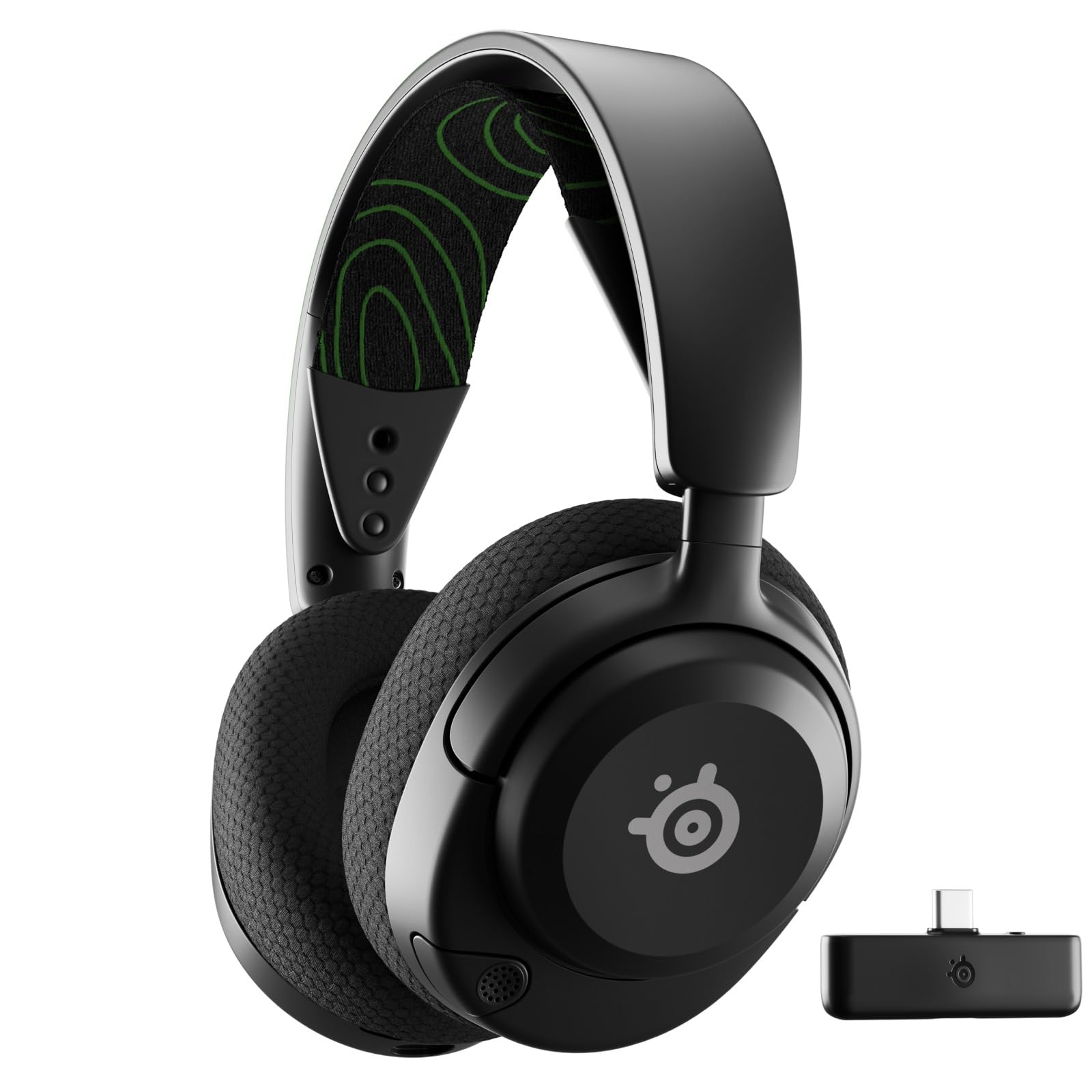
Frequently asked
5 questions01Is the Razer Kraken V3 Pro for PC - Wireless Gaming Headset with Haptic Technology (Sensory Touch Feedback, TriForce 50 mm Drivers, THX Spatial Audio, HyperSpeed Wireless) Black good for competitive gaming?+
It's decent for competitive gaming but not the strongest option in its price bracket. The default V-shaped tuning pushes bass and slightly recesses the mids where footsteps and environmental cues sit. Using the competitive EQ preset in Synapse or dialling in a flatter curve improves positional audio significantly. THX Spatial Audio is worth testing in your main game with it on and off, as results vary by game engine. For serious competitive play, a more neutrally tuned headset may serve you better out of the box.
02Does the Razer Kraken V3 Pro for PC - Wireless Gaming Headset with Haptic Technology (Sensory Touch Feedback, TriForce 50 mm Drivers, THX Spatial Audio, HyperSpeed Wireless) Black have a good microphone?+
The retractable cardioid condenser mic is adequate for gaming comms and Discord calls. Teammates will hear you clearly and background noise rejection is reasonable in a quiet room. However, it sounds noticeably processed compared to a dedicated USB microphone, with a slight thinness in the mid-range. For streaming or content creation you'd want something better, but for squad communication in competitive games it does the job without complaints.
03Is the Razer Kraken V3 Pro for PC - Wireless Gaming Headset with Haptic Technology (Sensory Touch Feedback, TriForce 50 mm Drivers, THX Spatial Audio, HyperSpeed Wireless) Black comfortable for long sessions?+
Comfort is good but not exceptional. At 320g it's on the heavier side, and you will notice the weight during sessions beyond two hours. The memory foam earcups and generous headband padding distribute weight well enough to avoid pressure headaches in most cases. Glasses wearers with thin frames should be fine, though thicker frames may compromise the earcup seal. For sessions up to two to three hours, comfort is solid. For marathon sessions, lighter alternatives may be preferable.
04Does the Razer Kraken V3 Pro for PC - Wireless Gaming Headset with Haptic Technology (Sensory Touch Feedback, TriForce 50 mm Drivers, THX Spatial Audio, HyperSpeed Wireless) Black work with PS5/Xbox?+
PS5 support is limited. The USB dongle works for basic audio on PS5 and haptics function to some degree, but THX Spatial Audio and EQ customisation require Synapse on PC. Xbox consoles do not support the USB audio dongle in the standard way, making the V3 Pro a poor choice for Xbox players. Nintendo Switch works via Bluetooth in handheld mode only. This is fundamentally a PC headset and console support is secondary.
05What warranty applies to the Razer Kraken V3 Pro for PC - Wireless Gaming Headset with Haptic Technology (Sensory Touch Feedback, TriForce 50 mm Drivers, THX Spatial Audio, HyperSpeed Wireless) Black?+
Amazon offers 30-day returns. Razer typically provides 1-2 year warranty on their headsets. Check Razer's official warranty terms at the time of purchase as coverage details can vary by region and product registration requirements may apply.