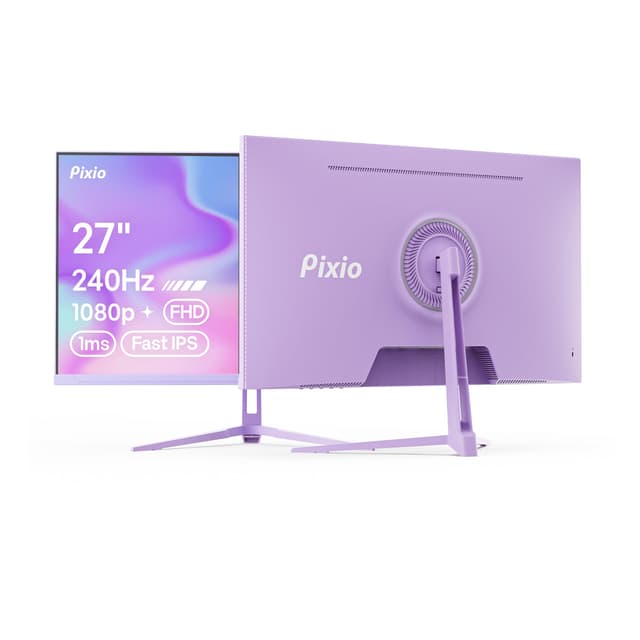
Photo editing demands more from a monitor than almost any other task. You need accurate colour reproduction, a wide colour gamut, sufficient resolution to judge fine detail, and a panel type that does not crush shadows or blow out highlights. Whether you are a professional retoucher working in Adobe RGB, a hobbyist processing RAW files in Lightroom, or a content creator who needs a screen that doubles as a general-purpose display, the right monitor can transform your workflow. Since last year, the market has shifted noticeably: QD-OLED panels have become more accessible at the mid-range, IPS technology continues to dominate for colour-critical work, and 4K resolution is no longer reserved for premium budgets. This guide covers the best monitors currently available in the UK from the catalogue, ranked by suitability for photo editing, with honest assessments of where each model excels and where it falls short.
Quick Verdict
Best Overall: Philips Evnia 27M2N3800A. A 27-inch 4K IPS panel with 160 Hz refresh rate delivers the resolution and colour accuracy photo editors need at a price that undercuts many rivals.
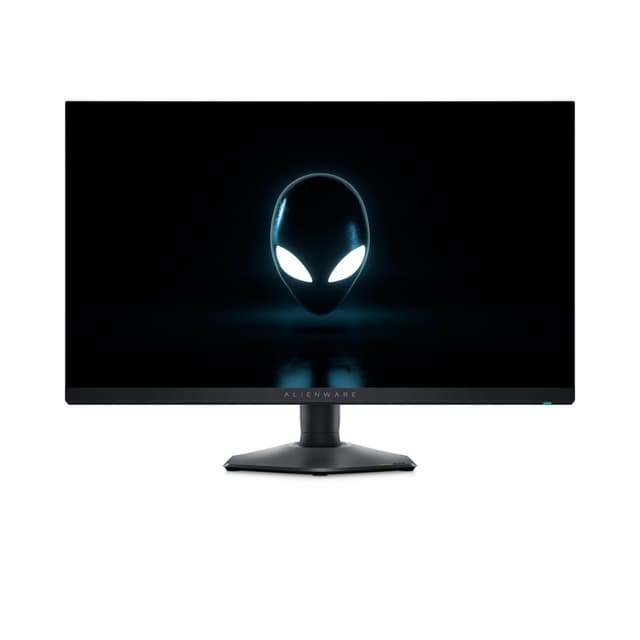
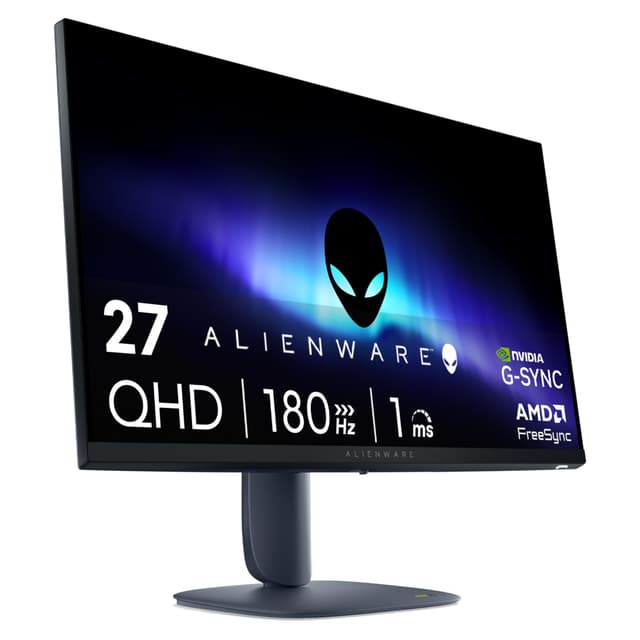
Best Value: Alienware AW2725DM. QHD IPS at 27 inches with a fast panel and solid colour coverage makes it an excellent all-rounder for editors on a tighter budget.
| Monitor | Price | Resolution | Panel Type | Screen Size | Refresh Rate | Key Ports |
|---|---|---|---|---|---|---|
| Philips Evnia 27M2N3800A | 4K (3840x2160) | IPS | 27 inch | 160 Hz | HDMI, DisplayPort | |
| Alienware AW2725DM | QHD (2560x1440) | IPS | 27 inch | 180 Hz | 2x HDMI, 1x DP, 3x USB | |
| MSI MAG 272QPW QD-OLED | £448.99 | QHD (2560x1440) | QD-OLED | 27 inch | 280 Hz | 2x HDMI 2.1, 1x DP 1.4a, 1x USB-C |
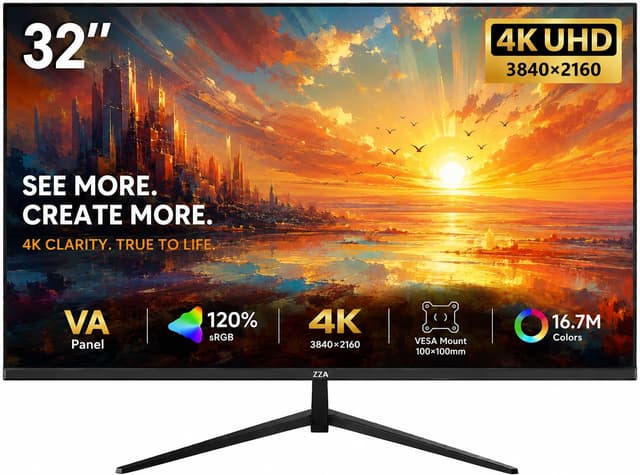
| Samsung 32" 4K Smart Monitor (LS32FM703U) | 4K | VA | 32 inch | N/A | N/A | |
| LG UltraWide 34BA75QE | £413.39 | UWQHD (3440x1440) | IPS | 34 inch | 60 Hz | USB-C, RJ45, HDMI, DP 1.4, USB hub, speakers |
| AOC CU34G2XPD | £277.00 | UWQHD (3440x1440) | VA | 34 inch | 180 Hz | 2x HDMI 2.0, 2x DP 1.4, USB-B, 4x USB-A, 3.5mm |
1. Philips Evnia 27M2N3800A
The Philips Evnia 27M2N3800A is the standout pick for photo editors in this catalogue. It pairs a 27-inch IPS panel with a native 4K resolution of 3840x2160, giving you a pixel density of around 163 PPI. At that density, individual pixels are invisible at normal viewing distances, which means you can judge sharpness, fine texture, and edge detail in your images with genuine confidence. The IPS panel type is the correct choice for colour-critical work: IPS technology offers wide viewing angles without the colour shift that plagues VA panels, and it typically covers a broader portion of the sRGB and DCI-P3 colour spaces than VA alternatives.
The 160 Hz refresh rate is a genuine bonus here. Photo editors do not strictly need high refresh rates, but a smooth desktop experience, fluid scrolling through large Lightroom catalogues, and snappy brush strokes in Photoshop all benefit from a higher-than-60 Hz panel. The dual-mode capability, which allows the panel to run at FHD resolution with a 320 Hz refresh rate, is largely irrelevant for photo work but does mean this monitor can serve as a capable gaming display when you want a break from editing. If you do game, pairing it with best gaming peripherals will enhance your experience.
At its current price point, the Philips Evnia 27M2N3800A represents exceptional value for 4K IPS performance. Comparable 4K IPS monitors from established photo-editing brands often cost considerably more. The 27-inch form factor is the sweet spot for most desk setups: large enough to display two images side by side at a workable size, compact enough not to dominate a home office. The IPS panel's colour accuracy, combined with 4K resolution, makes this the monitor we would recommend to the majority of photo editors reading this guide, from enthusiast hobbyists to working professionals who cannot stretch to a specialist calibration-grade display.
One consideration: the verified specs do not confirm specific colour gamut coverage figures, so buyers who require a guaranteed percentage of Adobe RGB coverage for professional print work should verify this before purchase. For sRGB and DCI-P3 work, including social media, web, and most commercial photography, IPS at 4K is an excellent foundation.
Pros
- 4K IPS panel delivers high pixel density and accurate colours for photo editing
- 160 Hz refresh rate makes the desktop and editing software feel fluid
- Competitive price for a 27-inch 4K IPS display in the UK market
Cons
- Specific colour gamut coverage (sRGB%, DCI-P3%) not confirmed in verified specs
- 27-inch 4K may feel small to editors accustomed to larger panels without scaling
2. Alienware AW2725DM
The Alienware AW2725DM is the best-value pick for photo editors who want a reliable IPS panel without paying for 4K resolution. It runs at QHD (2560x1440) on a 27-inch IPS panel, delivering a pixel density of around 109 PPI. That is a meaningful step up from 1080p and is sufficient for most photo editing tasks, including detailed retouching, colour grading, and composition work. The IPS panel type is the key selling point here: IPS panels maintain consistent colour across wide viewing angles, which matters when you are leaning in to inspect a corner of an image or sharing your screen with a client sitting beside you.
The 180 Hz refresh rate is faster than most photo editors will ever need, but it does make the overall desktop experience noticeably smoother than a 60 Hz panel. Scrolling through a large Lightroom catalogue or navigating a complex Photoshop document feels more responsive, which reduces fatigue during long editing sessions. The port selection is practical: two HDMI inputs, one DisplayPort, and three USB ports cover the needs of most editing workstations, allowing you to connect a laptop, a desktop, and a USB hub or card reader simultaneously.
The Alienware brand carries a gaming-first reputation, but the AW2725DM's IPS panel makes it genuinely suitable for colour-sensitive work. IPS technology here means you get the wide-gamut coverage and viewing-angle consistency that photo editing requires. The monitor is priced competitively for a 27-inch QHD IPS display, sitting well below the Philips Evnia 27M2N3800A while offering a solid colour-accurate experience.
The main limitation for photo editors is the QHD resolution rather than 4K. At 2560x1440 on a 27-inch panel, you will notice individual pixels if you work very close to the screen, and large images will require more zooming in to inspect fine detail. For photographers who primarily deliver for web and social media, this is unlikely to be a problem. For those producing large-format prints or working with medium-format RAW files, the step up to 4K is worth considering.
Pros
- IPS panel provides wide viewing angles and consistent colour accuracy for editing work
- Three USB ports and dual HDMI inputs make it easy to connect multiple devices
- Competitive price for a 27-inch QHD IPS display in the UK
Cons
- QHD resolution falls short of 4K for inspecting very fine image detail
- Gaming-oriented branding may put off professional photography studio buyers
3. MSI MAG 272QPW QD-OLED
The MSI MAG 272QPW is the most technically impressive panel in this catalogue, and it deserves serious consideration from photo editors who understand the trade-offs of OLED technology. The QD-OLED panel combines quantum dot colour enhancement with OLED's per-pixel illumination, resulting in a display that produces genuinely infinite contrast ratios. Every black pixel is completely off, meaning shadow detail in photographs is rendered with a depth and separation that no LCD technology can match. Colour saturation and vibrancy are exceptional, and the panel covers a wide colour gamut that exceeds sRGB by a significant margin.
The 27-inch screen runs at QHD (2560x1440) with a 280 Hz refresh rate, which is far beyond what photo editing requires but confirms the panel's premium specification. The port selection is excellent for a photo editing workstation: two HDMI 2.1 ports, one DisplayPort 1.4a, and a USB-C port with 15W power delivery. The USB-C port is particularly useful for connecting a laptop directly, allowing single-cable connectivity for power and display signal.
The caveat for photo editors is important: OLED panels, including QD-OLED, are susceptible to burn-in when static content is displayed for extended periods. Photo editing software often features static toolbars, palettes, and panel layouts that remain on screen for hours at a time. This is a genuine long-term risk that LCD panels do not share. Additionally, OLED panels can exhibit some colour accuracy challenges at lower brightness levels, and professional calibration is recommended for critical colour work.
For photographers who want the most visually stunning display experience, particularly for reviewing landscape, portrait, or fine art photography where shadow detail and colour depth matter enormously, the QD-OLED experience is transformative. Just be aware of the burn-in risk and manage your workflow accordingly, using screensavers, pixel shifting, and avoiding static layouts where possible.
Pros
- QD-OLED panel delivers infinite contrast and exceptional shadow detail for reviewing images
- USB-C with 15W power delivery enables single-cable laptop connectivity
- Wide colour gamut coverage exceeds sRGB, benefiting vibrant landscape and portrait work
Cons
- OLED burn-in risk is a genuine concern with static photo editing software layouts
- QHD rather than 4K limits pixel-level detail inspection compared to 4K IPS alternatives
- Higher price than QHD IPS alternatives in this catalogue
4. Samsung LS32FM703UUXXU 32" 4K Smart Monitor
The Samsung LS32FM703UUXXU is a 32-inch 4K VA panel that brings a large canvas and high resolution to the photo editing desk. At 32 inches with 4K resolution, the pixel density sits at around 138 PPI, which is comfortable for detailed editing work without requiring aggressive display scaling. The larger screen real estate is a genuine advantage for photo editors: you can display a full-resolution image alongside your editing panels without feeling cramped, and comparing before-and-after versions of an edit is more practical on a 32-inch screen than on a 27-inch alternative.
The Smart Monitor functionality adds streaming apps and a degree of standalone operation that is largely irrelevant for dedicated photo editing use, but it does mean the display can function as a secondary entertainment screen without a connected computer. The built-in speakers are a practical addition for a monitor at this price point, removing the need for a separate audio solution on a desk that may already be crowded with editing peripherals.
The VA panel type is the primary consideration for photo editors. VA panels offer better contrast ratios than IPS, which can be beneficial for reviewing images with deep shadows, but they suffer from colour shift when viewed from off-axis angles. If you tend to sit directly in front of your monitor and rarely share your screen with others, VA is a workable choice. However, IPS remains the preferred panel type for professional colour-critical work because of its superior viewing-angle consistency. The HDR10 support adds some capability for reviewing HDR-graded content, though VA panels typically cannot achieve the peak brightness required for a truly impressive HDR experience.
At its price point, this Samsung is positioned as a premium option in this catalogue. The 4K resolution and 32-inch size are its strongest arguments for photo editing use. Buyers who prioritise screen real estate and resolution over panel-type purity will find it a capable and feature-rich choice, particularly given the Smart Monitor ecosystem that Samsung has built around this product line.
Pros
- 32-inch 4K panel provides generous screen real estate for multi-panel editing workflows
- Smart Monitor functionality adds standalone streaming without a connected PC
- Built-in speakers reduce desk clutter for home studio setups
Cons
- VA panel type exhibits colour shift at off-axis viewing angles, a drawback for colour-critical work
- Premium price positions it above more colour-accurate IPS alternatives in this catalogue
5. LG UltraWide 34BA75QE
The LG UltraWide 34BA75QE is the pick for photo editors who want a wide-format workspace rather than the tallest possible resolution. The 34-inch IPS panel runs at UWQHD resolution (3440x1440) in a 21:9 aspect ratio, which fundamentally changes how you interact with editing software. In Lightroom, you can have the filmstrip, the editing panels, and a large central image view all visible simultaneously without any panels obscuring the image. In Photoshop, the extra horizontal space accommodates floating tool palettes without eating into your canvas area.
The IPS panel type is the correct choice for colour-accurate editing, and LG's IPS technology has a strong reputation in the photography community. Wide viewing angles, consistent colour reproduction, and good sRGB coverage are characteristic of LG IPS panels at this size. The HDR10 support adds some capability for reviewing content with extended dynamic range, though the 60 Hz refresh rate confirms this is a productivity-first display rather than a gaming-oriented one.
The port selection is the most generous in this catalogue for a photo editing workflow: USB-C connectivity allows single-cable laptop connection, the RJ45 Ethernet port is useful for tethered shooting setups where network connectivity matters, DisplayPort 1.4 and HDMI cover desktop connections, and the built-in USB hub keeps card readers and drives tidy. The built-in speakers mean you do not need a separate audio solution. For a photographer running a laptop-based editing workflow, this connectivity package is genuinely excellent.
The 60 Hz refresh rate is the main limitation compared to other panels in this catalogue. For photo editing, 60 Hz is entirely sufficient, but the desktop experience will feel less fluid than on a 144 Hz or 180 Hz panel, particularly when scrolling through large image catalogues. If you also use your monitor for gaming or video work where smooth motion matters, the 60 Hz ceiling is a meaningful restriction. For dedicated photo editing use, it is a non-issue.
Pros
- 21:9 ultrawide IPS panel provides exceptional workspace for multi-panel editing software layouts
- USB-C, RJ45, USB hub, and built-in speakers make it the most connectivity-rich option in this catalogue
- LG IPS technology delivers consistent colour accuracy and wide viewing angles
Cons
- 60 Hz refresh rate makes the desktop feel less fluid than higher-refresh alternatives
- UWQHD resolution is lower pixel density than 4K IPS alternatives at a similar price
6. AOC CU34G2XPD
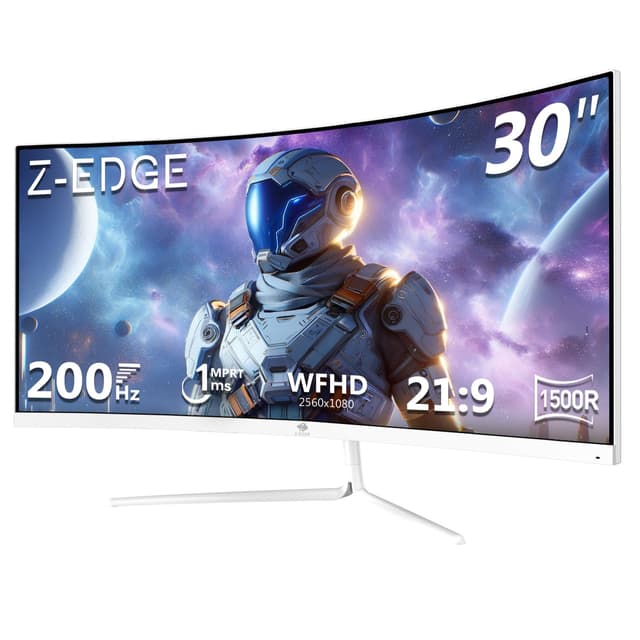
The AOC CU34G2XPD is a 34-inch curved ultrawide monitor running at UWQHD (3440x1440) on a VA panel with a 180 Hz refresh rate. For photo editing, the ultrawide format offers the same workspace advantages as the LG UltraWide above: a 21:9 aspect ratio that accommodates editing software panels, filmstrips, and image canvas simultaneously. The 1500R curve is gentle enough not to distort straight lines in architectural or product photography, and at 34 inches the curvature helps draw the eye across the full width of the panel without excessive head movement.
The VA panel type delivers higher contrast ratios than IPS, which makes images look punchy and vibrant, particularly in darker scenes. Shadow detail in landscape and night photography can appear more defined on a VA panel than on a typical IPS display. However, the colour shift at off-axis viewing angles remains a characteristic limitation of VA technology. For a solo editor who sits directly in front of the screen, this is manageable. For anyone who frequently shares their screen or works in a collaborative environment, IPS is preferable.
The port selection is excellent for a photo editing workstation: two HDMI 2.0 ports, two DisplayPort 1.4 inputs, a USB-B upstream port, four USB-A downstream ports, and a 3.5mm audio output. The four USB-A ports are particularly useful for photo editors who regularly connect card readers, external drives, and USB hubs. The 180 Hz refresh rate is well beyond what photo editing requires, but it confirms the panel's quality and makes the display versatile for gaming use when the editing session ends.
At its price point, the AOC CU34G2XPD is one of the most affordable 34-inch UWQHD monitors in this catalogue, making it an attractive option for editors who want the ultrawide format without a large investment. The VA panel is a compromise for colour-critical work, but for photographers who edit primarily for digital delivery and want a large, immersive workspace, it is a strong value proposition.
Pros
- Four USB-A downstream ports make it easy to connect card readers, drives, and hubs simultaneously
- 34-inch UWQHD ultrawide format provides generous workspace for multi-panel editing software
- Competitive price for a 34-inch curved ultrawide with dual DisplayPort 1.4 inputs
Cons
- VA panel colour shift at off-axis angles is a limitation for professional colour-critical editing
- 1500R curve may introduce subtle geometric distortion for architectural or product photography review
- 180 Hz refresh rate adds cost that photo editors will not benefit from
How We Picked
Every monitor in this guide was assessed against the specific demands of photo editing rather than general-purpose or gaming use. Panel type was weighted heavily: IPS and QD-OLED panels were prioritised for their colour accuracy and wide viewing angles, while VA panels were included where they offered a meaningful advantage in resolution, size, or value. Resolution was the second key criterion: 4K and UWQHD panels provide the pixel density needed to judge fine image detail, while 1080p panels were excluded from the final selection as insufficient for serious photo work. Connectivity was evaluated with a photo editing workflow in mind, with USB-C, USB hub ports, and DisplayPort inputs weighted positively. Price-to-specification ratio was assessed across the full catalogue to identify genuine value picks. Monitors with specifications that are fundamentally mismatched to photo editing demands, such as small 1080p gaming panels, were excluded from the final selection regardless of their gaming credentials.
Buying Guide
Panel Type: Why It Matters More Than Anything Else
The single most important specification for a photo editing monitor is the panel type. IPS panels are the industry standard for colour-critical work because they maintain consistent colour and brightness across wide viewing angles. When you lean to one side or share your screen with a client, an IPS panel looks the same. VA panels offer higher native contrast ratios, which makes images look more dramatic, but they suffer from colour shift when viewed from angles other than dead-centre. For professional colour grading or print preparation, IPS is the correct choice. QD-OLED panels offer extraordinary contrast and colour saturation, but the burn-in risk from static editing software layouts is a genuine concern for daily use.
Resolution: How Much Do You Actually Need?
For photo editing, resolution determines how much of a high-resolution image you can see at 100% zoom without scrolling, and how sharp your editing tools and text appear. 4K (3840x2160) on a 27-inch panel gives around 163 PPI, which is excellent for detailed retouching. UWQHD (3440x1440) on a 34-inch ultrawide gives around 109 PPI but compensates with significantly more horizontal workspace. QHD (2560x1440) on a 27-inch panel is a solid compromise for editors on a budget. Full HD (1920x1080) is generally insufficient for serious photo editing work at 24 inches or above, as pixel-level detail is too coarse for accurate sharpness judgements.
Colour Gamut and Calibration
A monitor's colour gamut determines how many colours it can display. For web and social media photography, full sRGB coverage is the minimum requirement. For commercial print work, Adobe RGB coverage is preferred. For video and cinema work, DCI-P3 coverage is the relevant standard. When evaluating monitors, look for confirmed colour gamut coverage percentages rather than relying on panel type alone. Factory calibration reports, where available, are a useful indicator of out-of-box accuracy. For professional use, a hardware colorimeter such as the X-Rite i1Display or Datacolor Spyder is recommended for periodic recalibration regardless of which monitor you choose.
Screen Size and Aspect Ratio
27-inch 16:9 monitors are the most popular choice for photo editing: they fit most desk setups, provide sufficient workspace for single-image editing, and are available in 4K resolution at accessible prices. 32-inch 16:9 monitors add screen real estate without changing the aspect ratio, making them a natural upgrade for editors who want more space. 34-inch 21:9 ultrawide monitors change the workflow fundamentally: the extra horizontal space is excellent for multi-panel editing software but means that 16:9 images appear with black bars on either side at full screen. Consider how you use your editing software before committing to an ultrawide format.
Connectivity for Photo Editing Workflows
Photo editors typically need to connect a computer, one or more PC accessories like card readers, an external hard drive, and sometimes a calibration device. A monitor with a built-in USB hub reduces desk cable clutter significantly. USB-C connectivity is increasingly useful for laptop-based editing workflows, allowing a single cable to carry both display signal and power. DisplayPort 1.4 is preferred over HDMI 2.0 for 4K connections as it supports higher bandwidth and is more reliable at 4K with high refresh rates. If you shoot tethered, consider whether the monitor's connectivity supports your camera manufacturer's tethering software requirements.
Final Verdict
The Philips Evnia 27M2N3800A is the overall winner for photo editing from this catalogue. It combines the two most important specifications for colour-critical image work: a 4K IPS panel. The 4K resolution provides the pixel density needed to judge fine detail in high-resolution images, while the IPS panel type delivers the colour accuracy and viewing-angle consistency that professional photo editing demands. The 160 Hz refresh rate is a bonus that makes the editing experience more fluid, and the price is competitive for a 27-inch 4K IPS display in the UK market. For editors who need more workspace than a 27-inch 16:9 panel can provide, the LG UltraWide 34BA75QE is the best alternative, combining IPS colour accuracy with a 34-inch ultrawide format and the most practical connectivity package in this catalogue. The Alienware AW2725DM remains the best-value entry point for editors who want IPS colour accuracy without paying for 4K resolution.
Frequently Asked Questions
IPS is generally the preferred panel type for photo editing because it maintains consistent colour and brightness across wide viewing angles. VA panels offer higher contrast ratios, which can make images look more dramatic, but the colour shift at off-axis angles makes accurate colour judgements more difficult. For professional colour grading or print preparation, IPS is the safer choice.
4K is not strictly necessary, but it is highly beneficial. At 4K resolution on a 27-inch panel, you can view more of a high-resolution image at 100% zoom without scrolling, and fine detail such as sharpness and noise is easier to assess. QHD (2560x1440) is a workable alternative for editors on a tighter budget, particularly for web and social media delivery work.
Ultrawide monitors in a 21:9 aspect ratio are excellent for photo editing workflows that use multi-panel software such as Lightroom or Capture One, as the extra horizontal space accommodates editing panels, filmstrips, and the image canvas simultaneously. The trade-off is that 16:9 images displayed full-screen will have black bars on either side. Many editors find the workspace benefit outweighs this limitation.
QD-OLED panels offer extraordinary contrast and colour saturation that can make images look stunning, but they carry a burn-in risk from the static layouts of photo editing software. If you use Lightroom or Photoshop for many hours each day with fixed panel positions, burn-in is a genuine long-term concern. For occasional editing use, the risk is lower, but IPS remains the safer choice for daily professional use.
Photo editing does not require a high refresh rate in the way that gaming does. A 60 Hz panel is entirely sufficient for editing still images. However, a higher refresh rate, such as 120 Hz or 160 Hz, makes the desktop experience feel smoother and more responsive, which can reduce fatigue during long editing sessions. It should not be a primary purchasing criterion for photo editing use.