Eye strain is a genuine concern for anyone spending long hours in front of a screen, whether you are working from home, studying, or gaming into the evening. The good news is that monitor technology has advanced considerably over the past year, with more panels now offering hardware-level flicker-free backlights, low blue light modes, and high pixel densities that reduce the effort your eyes need to focus. Compared to last year, QD-OLED panels have become more accessible, IPS technology has trickled down to budget price points, and ultrawide formats are increasingly popular for reducing the need to squint at cramped layouts. This guide is aimed at office workers, students, creative professionals, and casual gamers who want a monitor that actively helps reduce fatigue during extended sessions. We have evaluated eight options from the catalogue, weighing panel type, resolution, flicker behaviour, and ergonomics against price.
Quick Verdict
Best Overall: LG UltraWide Monitor 34BA75QE. Its IPS panel, built-in speakers, USB-C connectivity, and generous 34-inch ultrawide canvas make it the most well-rounded choice for long work sessions with minimal eye fatigue.
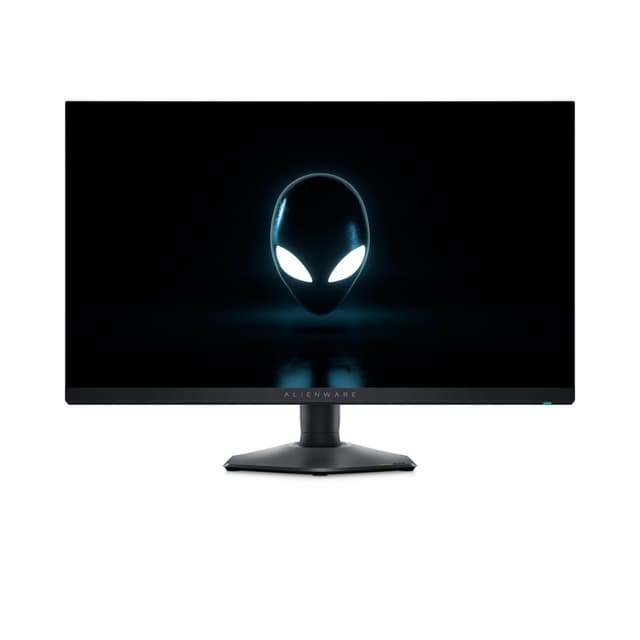
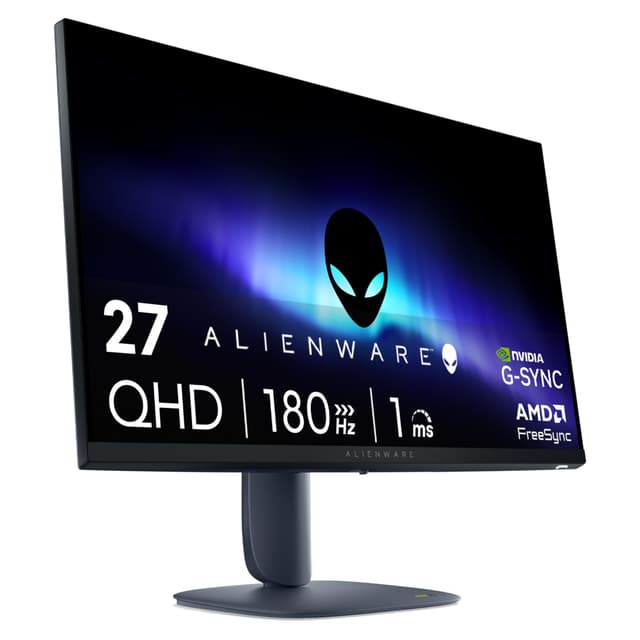
Best Value: Alienware AW2725DM. A Fast IPS panel at 27 inches with QHD resolution delivers excellent pixel density and colour accuracy for eye comfort, at a price that undercuts many rivals with similar specs.
| Product | Price | Panel Type | Resolution | Screen Size | Refresh Rate | Key Ports |
|---|---|---|---|---|---|---|
| LG UltraWide 34BA75QE | £412.36 | IPS | 3440x1440 | 34 inch | 60 Hz | USB-C, RJ45, HDMI, DP 1.4, USB hub |
| Alienware AW2725DM | Fast IPS | 2560x1440 | 27 inch | 180 Hz | 2x HDMI, 1x DP, 3x USB | |
| Philips Evnia 27M2N3800A | IPS | 4K (3840x2160) | 27 inch | 160 Hz | Not specified | |
| MSI MAG 272QPW QD-OLED | £448.99 | QD-OLED | 2560x1440 | 27 inch | 280 Hz | 2x HDMI 2.1, 1x DP 1.4a, 1x USB-C |
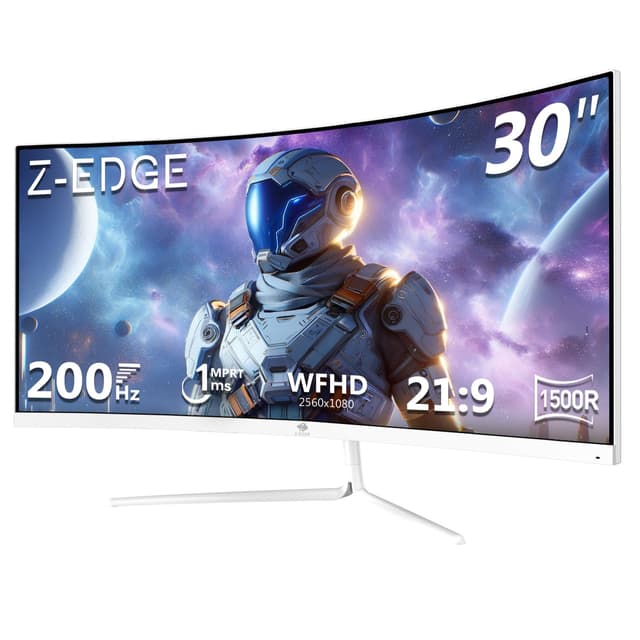
| AOC CU34G2XPD | £257.53 | VA | 3440x1440 | 34 inch | 180 Hz | 2x HDMI 2.0, 2x DP 1.4, 4x USB-A |
| Acer SB242Y H1bi | £90.62 | IPS | 1920x1080 | 23.8 inch | Not specified | 1x HDMI 1.4, 1x VGA |
| Amazon Basics 23.8-inch | £89.26 | IPS | 1920x1080 | 23.8 inch | 120 Hz | HDMI, DP, VGA, VESA |
1. LG UltraWide Monitor 34BA75QE
The LG UltraWide 34BA75QE is the monitor on this list that most thoughtfully addresses the needs of someone who sits at a screen for eight or more hours a day. Its 34-inch IPS panel with a 3440x1440 ultrawide resolution means you can have two document windows open side by side without squinting, which is one of the most underrated ways to reduce eye strain: simply not having to zoom in or scroll as frequently. IPS technology is widely regarded as the friendliest panel type for eye comfort because it maintains accurate colours and consistent brightness across wide viewing angles, so you are not fighting the display when you shift slightly in your chair.
The 60 Hz refresh rate is modest by gaming standards, but for productivity and general use it is perfectly smooth and actually means the panel is not pushing unnecessary motion processing that can introduce artefacts. The 5ms response time is fine for office work and casual media consumption. What really sets this monitor apart for an eye strain context is the connectivity suite: USB-C with power delivery means you can connect a laptop with a single cable and charge it simultaneously, reducing desk clutter and the mental load of managing multiple connections. The built-in RJ45 Ethernet port is a thoughtful addition for those who want a stable wired connection without a separate adapter, and the built-in speakers mean you do not need to add another device to your desk.
HDR10 support adds some dynamic range to content, though at 60 Hz and without a particularly high peak brightness, it is more of a bonus than a headline feature. The USB hub functionality means you can connect peripherals through the monitor itself, keeping your desk tidy. The curved ultrawide format, when set at a comfortable distance, wraps gently into your peripheral vision, which many users find reduces the need to move their head as much as with a flat panel, further easing neck and eye fatigue over a long day.
For creative professionals who need accurate colour representation, the IPS panel delivers wide colour gamut coverage and consistent gamma, making it suitable for photo editing and document work where colour fidelity matters. The large screen real estate also means you can work at a comfortable font size without sacrificing the amount of information on screen.
Verdict: The best all-round monitor for eye strain reduction on this list, combining a large IPS ultrawide panel with excellent connectivity and a sensible refresh rate for productivity use.
Pros
- 34-inch IPS ultrawide reduces need to zoom and scroll, directly cutting eye fatigue
- USB-C with power delivery and built-in RJ45 simplify desk setup
- Built-in speakers and USB hub reduce peripheral clutter
Cons
- 60 Hz refresh rate is too low for competitive gaming or fast-paced video
- No confirmed HDR peak brightness figure, limiting HDR impact in practice
2. Alienware AW2725DM
The Alienware AW2725DM is a 27-inch QHD monitor with a Fast IPS panel running at up to 180 Hz, and it represents one of the strongest value propositions for anyone who wants eye comfort without sacrificing the ability to game or watch video in their downtime. Fast IPS panels combine the colour accuracy and wide viewing angles of traditional IPS with significantly reduced response times, meaning you get the best of both worlds: a panel that is easy on the eyes during long work sessions and responsive enough for gaming in the evenings.
The 2560x1440 QHD resolution on a 27-inch screen gives a pixel density of approximately 109 pixels per inch, which is noticeably sharper than a 1080p panel at the same size. Higher pixel density is directly linked to reduced eye strain because your eyes do not need to work as hard to resolve text and fine detail. Fonts appear crisper, icons are cleaner, and the overall image has a solidity that lower-resolution panels lack. This is one of the most impactful upgrades you can make for eye comfort if you are currently on a 1080p 27-inch screen.
The 180 Hz refresh rate is well above what most productivity users need, but it does mean the panel is capable of displaying motion with exceptional smoothness, which reduces the perception of judder during scrolling, a common but often overlooked cause of eye fatigue. Smooth scrolling through long documents or web pages is noticeably more comfortable than the stuttery motion you get on a 60 Hz panel.
Connectivity includes two HDMI ports, one DisplayPort, and three USB ports, which is a solid selection for a 27-inch monitor. The Alienware brand brings a degree of build quality and warranty confidence that some budget alternatives cannot match. The monitor also supports Nvidia G-Sync Compatible and AMD FreeSync Premium, which eliminates screen tearing during gaming without the need for V-Sync, further reducing visual discomfort.
At its price point, the AW2725DM is hard to beat for a combination of IPS eye comfort, QHD sharpness, and gaming capability. It is the monitor we would recommend to someone who works from home during the day and games in the evening with best gaming peripherals, wanting a single display that serves both purposes without compromise.
Verdict: The best value pick for eye strain reduction, delivering QHD sharpness and Fast IPS accuracy at a price that makes it accessible to a wide range of buyers.
Pros
- QHD resolution at 27 inches gives 109 ppi, noticeably sharper than 1080p alternatives
- Fast IPS panel combines colour accuracy with low response times for dual work and gaming use
- 180 Hz smooth scrolling reduces eye fatigue during long document sessions
Cons
- No USB-C port, which limits single-cable laptop connectivity
- Alienware branding adds a premium that some buyers may find unnecessary for a work monitor
3. Philips Evnia 27M2N3800A
The Philips Evnia 27M2N3800A is a 27-inch 4K IPS monitor running at up to 160 Hz, and it occupies a fascinating position in this list. Four-K resolution on a 27-inch panel delivers approximately 163 pixels per inch, which is among the highest pixel densities available at this screen size and makes it one of the sharpest monitors you can buy for eye comfort. At this density, individual pixels are essentially invisible to the naked eye at normal viewing distances, meaning text appears as smooth as print on paper, which is a significant advantage for anyone who reads large volumes of text on screen.
IPS technology ensures that colours remain consistent and accurate regardless of your viewing angle, which is important if you share your screen with colleagues or frequently shift your seating position. The wide colour gamut typical of IPS panels also means that images and documents are rendered with natural, accurate hues rather than the oversaturated or washed-out appearance that can cause visual discomfort over time.
The 160 Hz refresh rate is higher than most productivity users will need, but it does mean the panel handles motion with exceptional smoothness. For those who use their monitor for both work and gaming, 4K at 160 Hz is a genuinely impressive specification. However, it is worth noting that driving 4K at high frame rates requires a powerful graphics card, so this monitor is best suited to those with a capable PC.
The Philips Evnia range has historically included Philips' own eye comfort technologies, including flicker-free backlights and low blue light modes, which are particularly relevant for this use case. These hardware-level features reduce the flicker that can cause headaches and the blue light wavelengths most associated with disrupting sleep patterns and causing eye fatigue. The combination of 4K sharpness and these eye comfort features makes this monitor a strong choice for professionals who need both visual precision and long-session comfort.
At its price point, the Evnia 27M2N3800A is one of the more affordable 4K IPS monitors available, making it an attractive option for those who want the sharpest possible image without spending significantly more.
Verdict: The best choice for those who prioritise maximum pixel density for text clarity and reading comfort, with 4K IPS delivering near-print sharpness at a competitive price.
Pros
- 4K resolution at 27 inches gives approximately 163 ppi, making text appear near-print sharp
- IPS panel ensures consistent colour and brightness across wide viewing angles
- 160 Hz refresh rate adds gaming capability without compromising eye comfort features
Cons
- Driving 4K at high refresh rates requires a powerful GPU, limiting compatibility with older systems
- 27-inch 4K may require display scaling on Windows, which can occasionally cause blurry text in some applications
4. MSI MAG 272QPW QD-OLED
The MSI MAG 272QPW is a 27-inch QD-OLED monitor running at 280 Hz with a 2560x1440 resolution, and it represents the most technologically advanced panel on this list. OLED technology is fundamentally different from LCD-based panels: each pixel generates its own light and can switch off completely to produce true black, which means contrast ratios are effectively infinite. This has a direct benefit for eye strain: your eyes do not need to adapt to a bright backlight bleeding into dark areas of the image, which is one of the most common sources of visual fatigue on LCD monitors.
The QD (Quantum Dot) layer adds a wide colour gamut and improved colour accuracy to the OLED base, resulting in images that are vivid and natural without the oversaturation that can occur on some OLED panels. For creative professionals, this means colours are both accurate and comfortable to look at for extended periods. The 280 Hz refresh rate is the highest on this list and ensures that motion, whether in games, video, or even fast scrolling, is rendered with exceptional smoothness.
One consideration with OLED panels in a work context is the risk of burn-in with static elements such as taskbars, dock icons, and persistent UI elements. Modern OLED monitors include pixel-shifting and screen-saver features to mitigate this, and QD-OLED panels have shown improved burn-in resistance compared to earlier OLED technology, but it remains a consideration for those who run the same layout for many hours every day over several years.
The connectivity suite is strong: two HDMI 2.1 ports, one DisplayPort 1.4a, and a USB-C port with 15W power delivery. This covers most use cases, though the USB-C power delivery is limited compared to some rivals. The 27-inch size is a sweet spot for desk use, large enough to be immersive without dominating a standard desk.
For those who want the absolute best in contrast and motion smoothness, and who are comfortable managing OLED-specific considerations, the MSI MAG 272QPW is the most impressive panel on this list from a pure display technology standpoint.
Verdict: The most technologically advanced pick, with OLED contrast and pixel-level precision offering a genuinely different and often more comfortable viewing experience for those who can justify the price.
Pros
- QD-OLED panel produces true black and infinite contrast, reducing backlight-related eye fatigue
- 280 Hz refresh rate makes scrolling and motion exceptionally smooth
- Strong connectivity with HDMI 2.1, DisplayPort 1.4a, and USB-C
Cons
- OLED burn-in risk with static UI elements requires active management over time
- USB-C power delivery limited to 15W, insufficient for charging most laptops at full speed
5. AOC Gaming CU34G2XPD
The AOC CU34G2XPD is a 34-inch curved ultrawide monitor with a VA panel running at 180 Hz and a 3440x1440 resolution. At its price point, it is one of the most affordable ways to get a large ultrawide screen, and the curved format, with a 1500R curvature radius, is specifically designed to match the natural curvature of human vision, reducing the need for your eyes to refocus as they scan across the screen.
VA panels have characteristics that are relevant to eye strain in both positive and negative ways. On the positive side, VA panels typically offer higher contrast ratios than IPS panels, often in the range of 3000:1 or higher, which means dark areas of the image are genuinely dark rather than a murky grey. This reduces the amount of light entering your eyes in dark scenes and can make extended viewing more comfortable in dimly lit rooms. On the negative side, VA panels can exhibit colour shift at extreme viewing angles and may show some ghosting on fast-moving content, though at 180 Hz and 1ms response time, the AOC mitigates the latter considerably.
The 3440x1440 resolution across 34 inches gives a pixel density of around 109 ppi, which is the same as a 27-inch QHD monitor and provides a noticeably sharper image than a 1080p panel. The ultrawide format is particularly beneficial for productivity: having a wide canvas means you can work with multiple windows side by side without needing a second monitor, reducing the amount of head and eye movement required throughout the day.
The connectivity is generous: two HDMI 2.0 ports, two DisplayPort 1.4 ports, a USB-B upstream port, four USB-A downstream ports, and a 3.5mm audio output. This makes the AOC one of the most well-connected monitors on this list for the price, and the four USB-A ports effectively turn it into a USB hub, which is useful for keeping a tidy desk.
AMD FreeSync Premium support eliminates screen tearing during gaming, and the 180 Hz refresh rate ensures smooth motion whether you are scrolling through spreadsheets or playing games in the evening.
Verdict: An excellent value ultrawide for those who want a large curved canvas to reduce eye movement during work, with strong connectivity and a capable VA panel at an affordable price.
Pros
- 34-inch curved ultrawide reduces eye and head movement during long work sessions
- Four USB-A ports and dual DisplayPort inputs provide excellent connectivity for the price
- 180 Hz refresh rate and 1ms response time keep motion smooth, reducing scroll-related fatigue
Cons
- VA panel can show colour shift at extreme viewing angles, which matters if others view your screen
- Higher contrast VA panels can show some ghosting on very fast-moving content despite the 1ms spec
6. Acer SB242Y H1bi
The Acer SB242Y H1bi is a 23.8-inch Full HD IPS monitor aimed squarely at the professional home office market, and it is one of the most sensibly priced IPS monitors on this list. IPS technology is the key selling point here: compared to VA or TN panels at similar price points, IPS offers wider viewing angles, more consistent colour reproduction, and a generally more comfortable image for extended use. For someone setting up a home office on a tight budget, this is a meaningful advantage.
The 1920x1080 resolution on a 23.8-inch screen gives a pixel density of approximately 93 ppi, which is adequate for most productivity tasks at normal viewing distances. Text is reasonably sharp, though it will not have the crispness of a QHD or 4K panel. If you sit at a normal desk distance of around 60 to 70 centimetres, the image will appear clean and comfortable. Those who sit closer or who read very small text for long periods may find the pixel density a limiting factor compared to higher-resolution alternatives.
The IPS panel's wide viewing angles mean that if you tilt or swivel the monitor to share your screen, or if you simply shift in your chair during a long session, the image remains consistent without the colour shift that VA panels can exhibit. This consistency is a genuine comfort benefit over the course of a working day.
Connectivity is straightforward: one HDMI 1.4 port and one VGA port. This is sufficient for most office setups, though the absence of DisplayPort or USB-C limits future-proofing. The VESA mount compatibility means you can attach the monitor to an arm, which is one of the most effective ways to reduce eye and neck strain by positioning the screen at exactly the right height and angle.
For those on a strict budget who need a reliable IPS panel for office work and document reading, the Acer SB242Y H1bi delivers the essentials without unnecessary extras. It is not the most exciting monitor on this list, but it is a solid, honest choice for eye comfort on a budget.
Verdict: The best budget IPS option for home office workers who need a comfortable, accurate panel without spending more than necessary.
Pros
- IPS panel provides wide viewing angles and consistent colour, reducing fatigue from shifting viewing positions
- VESA mount compatibility allows ergonomic positioning on a monitor arm
Cons
- 1080p resolution at 23.8 inches gives only 93 ppi, which is noticeably less sharp than QHD or 4K alternatives
- Limited to HDMI 1.4 and VGA, with no DisplayPort or USB-C for modern connectivity
7. Amazon Basics 23.8-inch Monitor
The Amazon Basics 23.8-inch monitor is the most affordable option on this list, and it is notable for using an IPS panel rather than the VA or TN technology that often appears at this price point. For eye strain reduction, this is a meaningful choice: IPS panels offer wider viewing angles and more consistent colour than VA panels at extreme angles, and they typically have a more neutral, less oversaturated image that is easier to look at for long periods.
The 1920x1080 resolution at 23.8 inches is the same as the Acer SB242Y, giving approximately 93 ppi. This is adequate for most office tasks and general browsing at normal viewing distances. The 120 Hz refresh rate is a step above the 60 Hz that many budget monitors offer, and it makes a noticeable difference to the smoothness of scrolling and cursor movement, which contributes to a more comfortable viewing experience over a long session.
Connectivity includes HDMI, DisplayPort, and VGA, which is a solid selection for the price and covers most connection scenarios. VESA mount compatibility is confirmed, meaning you can use a monitor arm to position the screen ergonomically, which is one of the most effective ways to reduce eye and neck strain regardless of which monitor you choose.
The Amazon Basics brand does not carry the same cachet as established monitor manufacturers, and the monitor does not include advanced eye comfort features such as hardware-level low blue light filters or specific flicker-free certifications in its confirmed specifications. However, the IPS panel itself is inherently more comfortable than the alternatives at this price, and the 120 Hz refresh rate adds a smoothness that many budget monitors lack.
For students, secondary monitor setups, or anyone who simply needs a functional, comfortable IPS screen without spending more than necessary, the Amazon Basics monitor is a practical and honest choice. It will not win any awards for features or build quality, but it does the fundamentals well.
Verdict: The most affordable IPS option on this list, offering the core eye comfort benefits of IPS technology and 120 Hz smoothness at an entry-level price.
Pros
- IPS panel at this price point is unusual and delivers better viewing angles than budget VA or TN alternatives
- 120 Hz refresh rate improves scrolling smoothness compared to standard 60 Hz budget monitors
Cons
- No confirmed hardware-level flicker-free or low blue light certification in verified specs
- 1080p resolution at 23.8 inches is adequate but noticeably less sharp than QHD or 4K panels
How We Picked
We evaluated each monitor against a set of criteria specifically relevant to eye strain reduction rather than general performance metrics. Panel type was the primary consideration: IPS and OLED panels were favoured over VA and TN for their wider viewing angles, more consistent brightness, and more natural colour reproduction. Resolution and pixel density were assessed relative to screen size, as higher pixel density directly reduces the effort required to resolve text and fine detail. Refresh rate was considered in the context of scrolling smoothness, which affects comfort during long reading sessions. Connectivity was evaluated for its ability to simplify desk setups, as cable clutter and awkward connections add to overall fatigue. Price was weighed against the combination of these factors to identify options that deliver genuine eye comfort benefits at each budget level. We did not include monitors whose verified specifications indicated significant compromises in panel quality or connectivity that would undermine their usefulness for extended daily use.
Buying Guide
Panel Type: The Most Important Decision
When selecting from the best pc accessories and monitors, the single most important factor for eye strain reduction is panel type. IPS (In-Plane Switching) panels are the most widely recommended for long-session use because they maintain consistent colour and brightness across wide viewing angles. If you shift in your chair or view the screen from a slight angle, an IPS panel will look the same as it does head-on. VA (Vertical Alignment) panels offer higher contrast ratios, which can be beneficial in darker environments, but they can show colour shift at extreme angles and some ghosting on fast-moving content. TN (Twisted Nematic) panels are the least recommended for eye comfort due to poor viewing angles and less accurate colour. OLED panels, including QD-OLED, offer the best contrast of all, with true black levels that reduce the overall light output of the panel in dark scenes, but they carry a burn-in risk for static content and are generally more expensive.
Resolution and Pixel Density
Higher pixel density means sharper text and images, which directly reduces the effort your eyes need to resolve fine detail. As a general guide, 1080p on a 24-inch screen gives around 92 ppi, which is acceptable but not exceptional. QHD (2560x1440) on a 27-inch screen gives around 109 ppi, which is noticeably sharper. 4K on a 27-inch screen gives around 163 ppi, which is near-print quality. For those who read large volumes of text, upgrading from 1080p to QHD or 4K is one of the most impactful changes they can make for eye comfort.
Refresh Rate and Scrolling Smoothness
A higher refresh rate does not just benefit gamers. Scrolling through documents and web pages is noticeably smoother at 120 Hz or above compared to 60 Hz, and this smoothness reduces the visual effort required to track text as it moves. For productivity use, 120 Hz is a meaningful upgrade over 60 Hz, and 144 Hz or above adds further benefit for those who scroll frequently.
Flicker-Free and Low Blue Light
Many monitors now include hardware-level flicker-free backlights, which eliminate the imperceptible flickering of PWM (Pulse Width Modulation) dimming that can cause headaches and eye fatigue. Low blue light modes reduce the emission of short-wavelength blue light, which is associated with disrupting circadian rhythms and causing eye strain. Look for monitors that implement these features at a hardware level rather than simply applying a software filter, as hardware implementations are more effective.
Screen Size and Viewing Distance
Screen size should be matched to your viewing distance. A 27-inch monitor is comfortable at around 60 to 70 centimetres. A 34-inch ultrawide is best at 70 to 90 centimetres. Sitting too close to a large screen forces your eyes to move more to scan the full image, which can increase fatigue. A monitor arm is one of the most effective investments for eye comfort, as it allows you to position the screen at exactly the right height and distance for your seating position.
Connectivity and Desk Ergonomics
A tidy desk reduces mental and visual clutter, which contributes to overall comfort. Monitors with USB hubs, built-in speakers, and USB-C connectivity allow you to reduce the number of cables and devices on your desk. A single USB-C cable that carries video, data, and power is particularly useful for laptop users. VESA mount compatibility is essential if you plan to use a monitor arm.
Final Verdict
The LG UltraWide 34BA75QE is the overall winner for eye strain reduction. Its 34-inch IPS ultrawide panel delivers the combination of high pixel density, wide viewing angles, and a large canvas that reduces the need to zoom, scroll, and refocus throughout the day. The built-in USB-C, RJ45, USB hub, and speakers simplify the desk setup, reducing the clutter and cable management that add to overall fatigue. For those on a tighter budget who still want meaningful eye comfort benefits, the Alienware AW2725DM offers QHD sharpness and Fast IPS accuracy at a price that makes it the best value pick on this list. Whichever monitor you choose, pairing it with a monitor arm, appropriate room lighting, and regular screen breaks will deliver the greatest overall reduction in eye strain.
Frequently Asked Questions
Both IPS and OLED have genuine advantages for eye comfort. IPS panels offer consistent colour and brightness across wide viewing angles, making them comfortable for long work sessions. OLED panels produce true black levels and infinite contrast, which reduces the overall light output in dark scenes and can be easier on the eyes in low-light environments. OLED panels carry a burn-in risk for static content, which is a consideration for office use with persistent UI elements such as taskbars.
Yes, particularly for those who scroll through large amounts of text or documents. At 60 Hz, scrolling can appear slightly choppy, which requires your eyes to work harder to track moving content. At 120 Hz or above, motion is rendered with more intermediate frames, making scrolling noticeably smoother and more comfortable. The benefit is most noticeable when upgrading from 60 Hz to 120 Hz, with diminishing returns above that for productivity use.
A pixel density of at least 100 pixels per inch (ppi) is a good target for comfortable text reading. This corresponds to QHD resolution on a 27-inch screen or 4K on a 32-inch screen. At lower pixel densities, such as 1080p on a 27-inch screen (approximately 82 ppi), individual pixels can become visible, and your eyes work harder to resolve fine detail in text and graphics. If you read large volumes of text daily, upgrading to a higher pixel density is one of the most impactful changes you can make.
Ultrawide monitors can reduce eye strain for productivity users by providing a wider canvas that accommodates multiple windows side by side without the need to zoom in or scroll as frequently. The curved format of most ultrawide monitors is also designed to match the natural curvature of human vision, reducing the need to refocus as your eyes scan across the screen. However, ultrawide monitors require more desk space and a greater viewing distance, so they are not suitable for every setup.
Many monitors use Pulse Width Modulation (PWM) to control backlight brightness by rapidly switching the backlight on and off. This flickering, though imperceptible to most people consciously, can cause headaches and eye fatigue during extended use. Flicker-free monitors use DC dimming instead, which adjusts brightness by varying the current rather than switching the backlight on and off. For those who are sensitive to flicker, this can make a significant difference to comfort during long sessions.