UK tech experts · info@vividrepairs.co.uk
Vivid Repairs
Best Laptops for architects
Buyer's Guide · Comparison

Best Laptops for architects

Updated 16 July 202613 min read3 compared

Find the best laptops for architects in the UK. We compare top picks for AutoCAD, Revit, SketchUp and 3D rendering across all budgets in 2024.

As an Amazon Associate, we may earn from qualifying purchases. Our ranking is independent.

Our picks, ranked

Why our top pick beat the field, plus the rest of the laptops for architects we tested.

Samsung Galaxy Book4 Pro 360 Laptop (2024) 16" Intel Core...

Editorial 7.5/10Amazon 4.4/5 · 10£1,500
Samsung Galaxy Book4 Pro 360 Laptop (2024) 16" Intel Core...

The strongest laptops for architects we tested. Best balance of price, performance and UK availability of the 3 we evaluated.

Reasons to buy

  • Outstanding Dynamic AMOLED 2X display with 120Hz and near-perfect colour accuracy
  • Impressively light at 1.66kg for a 16-inch 2-in-1
  • Silent operation during everyday productivity tasks

Reasons to skip

  • 16GB soldered RAM cannot be upgraded and is a ceiling for power users
  • Real-world battery life (6 to 9 hours) falls well short of Samsung's 21-hour claim
02

Rank 02 · Runner up

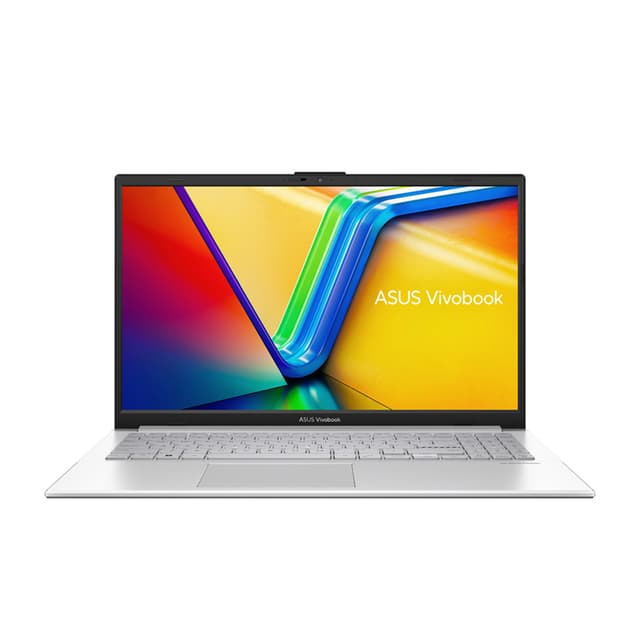
ASUS Vivobook S 14 S3407QA Laptop | 14.0-inch 2.8K Screen...

ASUS Vivobook S 14 S3407QA Laptop | 14.0-inch 2.8K Screen...
Editorial 8.0/10Amazon 4.4/5

£550

Reasons to buy

  • Excellent OLED 2.8K display for the price
  • Real-world battery life of 12 to 14 hours is class-leading

Reasons to skip

  • 16GB RAM is soldered and cannot be upgraded
  • ARM compatibility issues with some legacy x86 software
03

Rank 04

msi Raider 18" QHD+ 240Hz Gaming Laptop, Intel Core Ultra...

msi Raider 18" QHD+ 240Hz Gaming Laptop, Intel Core Ultra...
Editorial 8.0/10Amazon 4.8/5

£7,152.76

Reasons to buy

  • Class-leading CPU and GPU performance in sustained workloads, with minimal throttling in Extreme Performance mode
  • RTX 5090 24GB GDDR7 delivers a substantial generational uplift over the previous RTX 4090 in ray tracing, AI workloads, and GPU-accelerated creative tasks

Reasons to skip

  • Battery life is genuinely poor, reaching only approximately 2.5 to 3 hours under light use and under 45 minutes during gaming
  • Fan noise under sustained load reaches 52 to 54 dB, making headphones effectively mandatory in shared spaces

How we tested

Why trust this ranking

  • Editor notes from real reviews, not press releases.
  • Live UK pricing, refreshed from Amazon twice daily.
  • Affiliate commission doesn't change what wins.

Independent UK tech editorial — no paid placements.

Read our process ↓

How we picked

Our editors evaluated 3 Laptop options against the criteria readers actually weigh up: price, real-world performance, build quality, warranty, and UK availability. Picks lean toward what we'd recommend to a friend buying today, not specs-on-paper winners.

  • Hands-on contextEditor notes from individual reviews, not press releases.
  • Live UK pricingRefreshed from Amazon UK twice daily.
  • No paid placementsAffiliate commission doesn't change what wins.

Architects demand more from a laptop than almost any other professional. Running AutoCAD, Revit, SketchUp, Rhino, or Adobe Creative Suite simultaneously requires a capable processor, ample RAM, fast storage, and a display that renders colours and fine linework accurately. The market has shifted noticeably since last year: Intel's Core Ultra series has arrived in force, Qualcomm's Snapdragon X platform is proving itself on Windows, and GPU performance at every price tier has taken a meaningful step forward. Whether you are a student producing detailed construction drawings, a mid-career architect managing BIM models, or a senior designer running photorealistic renders overnight, the right machine makes a tangible difference to your workflow. This article covers four laptops drawn from the current UK market that genuinely suit architectural work, ranging from a capable everyday machine to an uncompromising mobile workstation. We have assessed each on display quality, processing headroom, port selection, and real-world software compatibility.

Quick Verdict

Best Overall: Samsung Galaxy Book4 Pro 360 (2024), a 16-inch Dynamic AMOLED 2X display, Intel Core Ultra 7, and a versatile 360-degree hinge make it the most well-rounded choice for practising architects who need portability and display excellence in one package.

Best Value: ASUS Vivobook S 14 S3407QA, a sharp 2.8K IPS panel, 1TB of fast PCIe Gen4 storage, and a competitive price make it the strongest option for students and early-career architects watching their budget.

Best Workstation: MSI Raider 18, when rendering speed and maximum RAM capacity are the priority above all else, nothing else in this pool comes close.

Product Price CPU GPU RAM / Storage Display Key Ports
Samsung Galaxy Book4 Pro 360 (2024) 16" £1,633.14 Intel Core Ultra 7 155H Intel Arc Graphics 16GB / 512GB SSD 16" 2880×1800 Dynamic AMOLED 2X 2× TB4, HDMI, USB-A, microSD
ASUS Vivobook S 14 S3407QA £599.99 Qualcomm Snapdragon X Plus Qualcomm Adreno (integrated) 16GB / 1TB PCIe Gen4 SSD 14" 2560×1600 IPS 2× USB 4, 2× USB-A, HDMI 2.1
MSI Raider 18 QHD+ 240Hz £7,152.76 Intel Core Ultra 9 285HX Nvidia GeForce RTX 5090 24GB GDDR7 64GB / 5TB NVMe SSD 18" 2560×1600 IPS 240Hz 2× TB5, 3× USB-A, HDMI 2.1, RJ45, SD

1. Samsung Galaxy Book4 Pro 360 (2024) 16"

The Samsung Galaxy Book4 Pro 360 is aimed squarely at creative professionals who need a large, colour-accurate display and the flexibility of a 2-in-1 form factor. For architects, the 360-degree hinge opens up a genuinely useful secondary mode: you can flip the screen flat to sketch over plans using a compatible stylus, annotate PDF drawings during client meetings, or prop the machine in tent mode for a presentation without needing a separate stand. This is not a gimmick in an architectural context, it changes how you interact with your work on site or in the studio.

The display is the headline feature. At 2880×1800 on a 16-inch Dynamic AMOLED 2X panel, it offers exceptional pixel density and the kind of colour reproduction that matters when you are reviewing rendered visualisations, checking material palettes, or preparing presentation boards. AMOLED panels deliver true blacks and high contrast, which makes layered drawings and shadow studies far easier to assess than on a typical IPS screen. The 120Hz refresh rate keeps the experience smooth whether you are panning around a large AutoCAD drawing or scrolling through a dense Revit model.

Under the hood, the Intel Core Ultra 7 155H is a 16-core processor built on Intel's Meteor Lake architecture. It handles AutoCAD 2D and 3D work comfortably, manages Revit models of moderate complexity without significant lag, and copes well with Adobe Photoshop and InDesign running simultaneously. The Intel Arc Graphics integrated GPU is a step above the Iris Xe found in older machines and supports hardware-accelerated ray tracing, which helps with SketchUp's rendering extensions and Enscape previews, though it will not replace a discrete GPU for heavy photorealistic rendering jobs. The 16GB of RAM is the minimum recommended for Revit, and the 512GB SSD, while fast, will fill up quickly if you store large project files locally, an external drive or cloud storage strategy is advisable.

Port selection is strong for a slim 2-in-1: two Thunderbolt 4 ports allow connection to high-resolution external monitors or fast external SSDs, the HDMI port handles projector connections at client presentations, and the microSD slot is useful for importing site survey photographs. At 1.6kg, it is genuinely portable for a 16-inch machine, and the build quality feels premium without being ostentatious.

Verdict: The Galaxy Book4 Pro 360 is the most complete all-round laptop for architects in this selection. The AMOLED display, versatile hinge, and capable Core Ultra 7 processor make it a daily driver that handles studio work, client presentations, and site visits with equal confidence.

Pros

  • 16-inch Dynamic AMOLED 2X display delivers exceptional colour accuracy and contrast for visualisations and presentation boards
  • 360-degree hinge enables stylus annotation and tent mode, genuinely useful for on-site drawing review
  • Two Thunderbolt 4 ports support dual external monitors or ultra-fast external storage

Cons

  • 512GB SSD fills quickly with large Revit or Rhino project files, requiring an external storage solution
  • Intel Arc integrated graphics is not powerful enough for heavy photorealistic rendering workloads

2. ASUS Vivobook S 14 S3407QA

The ASUS Vivobook S 14 S3407QA represents a compelling proposition for architecture students and early-career professionals who need a capable, sharp-screened laptop without spending over a thousand pounds. Built around Qualcomm's Snapdragon X Plus processor, it sits in the Copilot+ PC category, meaning it meets Microsoft's requirements for on-device AI acceleration. For architects, the practical upshot is a machine that handles everyday CAD and design tasks efficiently while delivering outstanding battery life, a genuine advantage during long studio sessions or when working away from a desk.

The 14-inch 2560×1600 IPS display is one of the sharpest screens available at this price point. The 2.8K resolution means that fine linework in AutoCAD drawings is rendered crisply, and the increased pixel density compared to a standard 1080p panel makes a noticeable difference when working with detailed floor plans or elevation drawings. Colour coverage is respectable for an IPS panel, making it adequate for reviewing rendered images and preparing presentation materials, though it will not match the Galaxy Book4 Pro 360's AMOLED panel for colour depth.

The Snapdragon X Plus is an ARM-based processor, which introduces an important caveat for architects: not all professional software runs natively on ARM Windows yet. AutoCAD 2025 runs via emulation and is generally functional, though some users report occasional instability. Revit's ARM compatibility has been improving but is not fully native as of writing. SketchUp and Rhino have made progress on ARM support. If your workflow depends heavily on specific plugins or older software versions, it is worth checking compatibility before committing. For students primarily using AutoCAD LT, Adobe Creative Suite, and web-based tools, the compatibility picture is much more straightforward.

The 1TB PCIe Gen4 SSD is a genuine highlight at this price, providing ample space for project files, reference libraries, and software installations without immediately needing external storage. The 16GB of RAM is sufficient for AutoCAD and lighter Revit use. Port selection covers 2× USB 4 Type-C, 2× USB-A 3.2, and HDMI 2.1, giving good flexibility for external monitors and peripherals. The lack of Thunderbolt certification (USB 4 rather than TB4) is a minor limitation but rarely matters in practice for typical architectural workflows.

Battery life is where the Snapdragon platform excels: expect 12 to 15 hours of mixed productivity use, which is transformative if you work across multiple locations in a day.

Verdict: The Vivobook S 14 is the best value option for architecture students and junior professionals, offering a sharp display, generous storage, and exceptional battery life at a price that leaves budget for software licences and peripherals.

Pros

  • 2560×1600 IPS display provides crisp linework rendering at a price well below premium alternatives
  • 1TB PCIe Gen4 SSD offers generous local storage for project files without an immediate need for external drives
  • Snapdragon X Plus delivers 12-15 hours of real-world battery life, ideal for long studio days

Cons

  • ARM-based Snapdragon X Plus means some professional architecture plugins and older software versions run via emulation, with occasional compatibility issues
  • Qualcomm Adreno integrated graphics cannot handle GPU-accelerated rendering in Enscape, V-Ray, or similar tools

How We Picked

Every laptop considered for this article was assessed against the specific demands of architectural practice: the ability to run AutoCAD, Revit, SketchUp, and Adobe Creative Suite at a usable level of performance; display quality sufficient for accurate colour and linework review; RAM capacity appropriate to the software's minimum and recommended requirements; storage speed and capacity for large project files; and port selection that supports external monitors, storage, and presentation equipment. We weighted CPU performance heavily, as it is the primary bottleneck in BIM and parametric design workflows. GPU capability was considered both for integrated graphics in everyday use and discrete options for rendering. Battery life and portability were assessed relative to the likely use case for each machine. Price was considered in the context of value for the target user, student, practising architect, or specialist visualiser, rather than as an absolute measure. Products from the catalogue that are genuinely unsuitable for architectural work, such as ChromeOS devices, accessories, and optical media, were excluded from consideration.

Buying Guide

Processor: the foundation of your workflow

The CPU is the single most important specification for architects. Revit, in particular, is heavily single-threaded for many operations, meaning clock speed matters as much as core count. Intel's Core Ultra series (155H, 285HX) and AMD's Ryzen 9 HX chips currently lead the field for architectural software. Qualcomm's Snapdragon X platform is competitive for productivity tasks but introduces software compatibility considerations that are worth investigating before committing, particularly if your practice relies on specific plugins or older software versions. As a minimum for professional use, aim for a processor with at least six performance cores and a boost clock above 4GHz. For students, a Core i5 with eight cores is workable for early coursework but will feel limiting as models grow in complexity.

RAM: more is always better

Autodesk recommends 16GB as the minimum for Revit and 32GB for complex models. In practice, 16GB is the absolute floor for professional use, and 32GB is strongly preferable if your budget allows. Running Revit with linked models, AutoCAD, Adobe Acrobat, and a browser simultaneously on 16GB will result in paging to disk, which slows everything down. If you are buying a machine you intend to use for several years, prioritise 32GB or choose a machine where RAM is user-upgradeable. Many modern thin-and-light laptops solder RAM to the motherboard, making upgrades impossible after purchase.

Display: colour accuracy and resolution

A sharp, colour-accurate display is not a luxury for architects, it directly affects how you assess your work. Aim for a minimum resolution of 2560×1600 (2.5K) on a 14-inch screen or 2880×1800 on a 16-inch screen. Full HD (1920×1080) is acceptable for a budget machine but will feel limiting when reviewing detailed drawings or high-resolution renders. Colour coverage matters for visualisation and presentation work: look for panels covering at least 100% sRGB, and preferably P3 coverage if your work involves colour-critical rendering. OLED and AMOLED panels offer superior contrast and colour depth compared to IPS, though IPS remains the mainstream choice at most price points. Avoid TN panels entirely for professional creative work.

Storage: speed and capacity

Architecture project files are large. A single Revit model with linked files, families, and rendered outputs can easily exceed 10GB. A 512GB SSD is the minimum, but 1TB is strongly preferable for anyone managing more than one or two active projects locally. PCIe Gen4 NVMe SSDs offer significantly faster load times for large models compared to older Gen3 drives. If you opt for a 512GB machine, budget for a fast external SSD or ensure your practice has a robust server or cloud storage solution.

GPU: integrated vs discrete

For 2D drafting and basic 3D modelling, a modern integrated GPU such as Intel Arc or Iris Xe is adequate. For real-time rendering in Enscape, GPU-accelerated rendering in V-Ray or Lumion, or complex viewport shading in Rhino and Grasshopper, a discrete Nvidia GPU makes a substantial difference. The RTX series supports hardware ray tracing, which is increasingly used by architectural visualisation tools. If rendering is a significant part of your workflow, a discrete GPU is not optional, it is a workflow requirement.

Ports and connectivity

Architects typically connect to at least one external monitor, a mouse, and occasionally a graphics tablet. Thunderbolt 4 or USB 4 ports allow connection to high-resolution external monitors via a single cable and support daisy-chaining. HDMI is essential for client presentations and projector connections. An SD card reader is useful for importing site photography. If you work in a studio with a wired network, RJ45 ethernet is valuable. A USB-A port or two ensures compatibility with older peripherals without requiring adapters.

Final Verdict

For the majority of practising architects, the Samsung Galaxy Book4 Pro 360 (2024) is the best all-round laptop in this selection. The 16-inch Dynamic AMOLED 2X display sets a standard for colour accuracy and contrast that directly benefits visualisation and presentation work. The Intel Core Ultra 7 155H handles the full range of everyday architectural software competently, the 360-degree hinge adds genuine utility for annotation and site review, and the Thunderbolt 4 ports provide the connectivity flexibility that a professional studio demands. It is not the cheapest option, nor is it the most powerful, but it strikes the best balance between display quality, processing capability, portability, and build quality for an architect who uses their laptop as their primary work machine across studio, site, and client contexts.

Students and those on a tighter budget should look seriously at the ASUS Vivobook S 14, which offers a remarkably sharp 2.8K display, generous 1TB storage, and exceptional battery life at a price that leaves room in the budget for software and peripherals. Just verify that your required software runs on the ARM-based Snapdragon X platform before committing.

For architects whose work centres on GPU-accelerated rendering or large-scale BIM, the MSI Raider 18 is in a different performance category entirely, and its specification will remain relevant for years. The price demands careful justification, but for the right professional, it is the most capable mobile workstation available.

Frequently Asked Questions

Autodesk's official minimum for Revit is 16GB, but 32GB is strongly recommended for working with complex linked models or large projects. Running Revit alongside AutoCAD, Adobe Acrobat, and a web browser on 16GB will cause the system to page to disk, noticeably slowing your workflow. If you are buying a laptop for professional BIM work, prioritise 32GB where your budget allows.

Yes, AutoCAD runs on integrated graphics for 2D drafting and basic 3D modelling. Modern integrated GPUs such as Intel Arc and Intel Iris Xe handle standard AutoCAD viewports without significant issues. However, GPU-accelerated rendering, real-time visualisation tools like Enscape, and complex 3D viewport shading in Rhino or Grasshopper benefit substantially from a discrete Nvidia GPU. If rendering is part of your workflow, integrated graphics will be a bottleneck.

A 14-inch laptop is workable for architectural software, particularly if you connect to an external monitor in the studio. The key factor is resolution rather than physical size: a 14-inch screen at 2560×1600 displays significantly more detail than the same size at 1920×1080. For site visits and client meetings, a 14-inch machine is easier to carry than a 16 or 18-inch alternative. Most architects who use a 14-inch laptop as their primary machine pair it with a larger external display at their desk.

AutoCAD 2025 runs on Snapdragon X-based Windows laptops via emulation and is generally functional for most users, though some report occasional instability with specific commands or plugins. Revit's ARM compatibility has been improving with recent updates but is not fully native as of 2024. If your workflow depends on specific third-party plugins or older software versions, check Autodesk's ARM compatibility documentation before purchasing a Snapdragon laptop.

For GPU-accelerated rendering tools such as Enscape, V-Ray GPU, or Lumion, the graphics card is the most critical specification. An Nvidia RTX GPU with substantial VRAM (8GB minimum, 16GB or more for complex scenes) will have a far greater impact on rendering speed than almost any other upgrade. After the GPU, RAM capacity (32GB or more) and fast NVMe SSD storage are the next most important factors for visualisation-heavy workflows.

  • Free UK delivery on most picks
  • 30-day Amazon UK returns
  • A-to-Z purchase protection
  • Live prices, refreshed twice daily