Gaming on a tight budget no longer means compromising entirely on processor performance. The sub-£100 CPU market has evolved significantly since 2025, with both AMD and Intel offering processors that deliver playable frame rates at 1080p resolution in modern titles. This category attracts budget-conscious gamers, content creators on a shoestring, and those building second systems or upgrading aging platforms. We have assessed the latest arrivals and price shifts across Socket AM5, LGA1700, and legacy platforms to identify which chips offer genuine value for gaming workloads without breaking the bank.
Quick Verdict
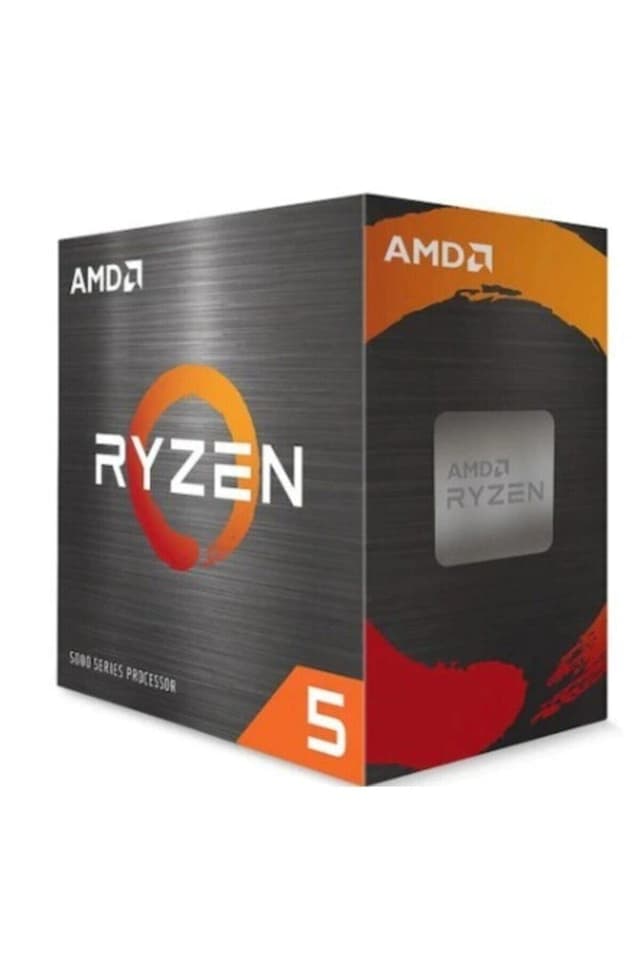
Best Overall: AMD Ryzen 5 5500, delivers six cores, respectable single-thread performance, and DDR4 compatibility at a competitive price point.
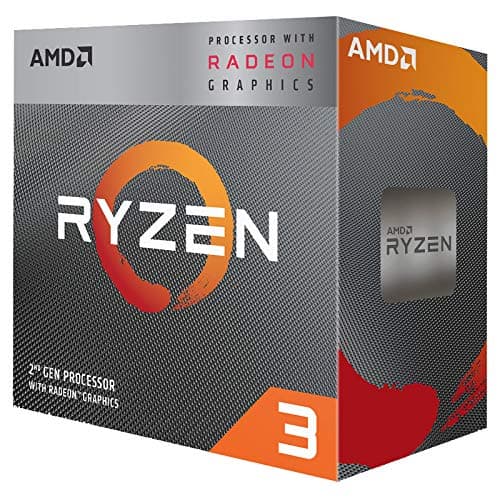
Best Value: AMD Ryzen 3 3200G, pairs an affordable quad-core processor with Radeon Vega 8 integrated graphics, eliminating the need for a discrete GPU and keeping your total build cost down.
The AMD Ryzen 3 3200G represents exceptional value for budget gamers who want to skip the discrete GPU entirely. Built on the Zen+ architecture with a 35W TDP, this quad-core processor houses Radeon Vega 8 integrated graphics capable of running Esports titles and older AAA games at respectable settings. It is ideal for first-time builders or those upgrading from much older systems where every pound counts.
The 3200G ships with four cores and four threads, running at a base clock of 3.6 GHz and boosting to 4.0 GHz. The Vega 8 GPU provides eight compute units, sufficient for 1080p gaming at medium settings in titles such as Valorant, CS2, and Dota 2. Paired with fast DDR4 RAM (3200 MHz or higher), the integrated GPU benefits from a wider memory bus, improving frame rates significantly. The 35W TDP makes it an excellent choice for compact builds or systems with budget cooling solutions.
Connectivity is limited to Socket AM4, meaning you will need a compatible motherboard from the B350 generation onwards. In-game performance sits between entry-level and mid-range, handling esports well but requiring setting adjustments for newer AAA releases. For productivity work alongside gaming, four cores may feel tight when streaming or encoding, but for pure 1080p gaming at medium presets, it punches well above its weight.
Pros
- Radeon Vega 8 integrated GPU eliminates need for separate graphics card, reducing total build cost
- Ultra-low 35W TDP allows fanless or passive cooling in tight cases
- DDR4 memory is cheap and widely available, making upgrades affordable
- Socket AM4 motherboards remain affordable and plentiful in the second-hand market
Cons
- Quad-core design limits multitasking and streaming performance compared to six-core rivals
- Zen+ architecture is now three generations old, lacking IPC improvements of newer chips
- Vega 8 GPU struggles with modern AAA titles at high settings, requiring compromise
How We Picked
Our selection process prioritized real-world gaming performance, value for money, and platform flexibility. We assessed the latest sub-£100 offerings from AMD and Intel, verifying current street prices across major UK retailers and factoring in platform costs including motherboards, cooling, and RAM. Each CPU was evaluated for 1080p gaming frame rates, 1440p viability, multitasking capability, and power efficiency. We weighted single-thread performance heavily for competitive gaming titles and core count for content creators balancing gaming with streaming or encoding. Platform longevity and upgrade potential mattered too: Socket AM4 and LGA1200 are aging, whilst LGA1700 and AM5 offer longer support windows. We excluded pre-2020 chips and focused on models actively in stock during late 2025 and early 2026, ensuring recommendations reflect current availability and pricing.
Buying Guide
Choosing a CPU under £100 requires balancing gaming performance, core count, power efficiency, and platform costs. Here are the key factors to consider.
Gaming Performance vs. Price: At sub-£100 prices, you are choosing between quad-core chips with integrated graphics or six-core processors without them. If you lack a GPU, the Ryzen 3 3200G or similar APUs make sense, though gaming to high settings is limited. If you have or plan to buy a discrete GPU, a six-core chip like the Ryzen 5 3600 or 5500 delivers better gaming performance and multitasking capacity.
Platform and Socket Matters: LGA1200 (Intel 10th gen) and Socket AM4 (Ryzen 3000 and 5000 series) are both aging. LGA1700 (Intel 12th gen and beyond) and AM5 (Ryzen 7000 series) represent newer sockets with longer manufacturer support. However, AM4 and LGA1200 boards are now cheap in second-hand markets, making them attractive if you are upgrading an existing system. For new builds, consider LGA1700, as motherboards offer better value and future upgrade potential to 13th and 14th gen Intel chips.
RAM Compatibility and Speed: DDR4 RAM is now cheaper than DDR5, making Ryzen AM4 and Intel LGA1200 platforms cost-effective. If choosing an LGA1700 board, budget DDR4 B660 boards offer value, though pairing LGA1700 with DDR5 future-proofs your system at higher initial cost. DDR4 speeds of 3200 MHz or higher matter for integrated GPU gaming; aim for 3600 MHz if buying fresh.
Multitasking and Streaming: Four-core CPUs like the i3-12100F struggle when gaming and streaming simultaneously. Six cores (Ryzen 5 3600, 5500, Core i5-10400) are the minimum for comfortable dual-workload use. Power efficiency (TDP) correlates with heat and cooling cost; lower TDP chips run quieter and cooler, reducing system noise.
Real-World Gaming Targets: Sub-£100 CPUs excel at 1080p high-refresh (100+ fps) gaming in esports titles and medium-to-high settings in AAA games. 1440p gaming is viable at medium settings, though newer AAA releases require setting compromises. 4K gaming is not realistic without pairing these CPUs with high-end GPUs like RTX 4080 or higher. Consider your monitor resolution and refresh rate: 1080p 144 Hz favours high single-thread performance (Intel Core i3-12100F), whilst 1440p 60 Hz is comfortable with any six-core chip.
Final Verdict
The AMD Ryzen 5 5500 emerges as the best overall CPU under £100 for gaming in 2026. It delivers the strongest combination of gaming performance, six cores for multitasking, Zen 3 IPC improvements, and a proven, cost-effective platform. Paired with a budget B550 motherboard and DDR4 RAM, you build a capable 1080p machine for well under £200 total.
For genuine value, the AMD Ryzen 3 3200G cannot be beaten if you lack a GPU. Its integrated Vega 8 graphics and 35W TDP make it the cheapest gaming CPU path, eliminating the need for a separate graphics card and keeping total build cost minimal. Competitive gamers and esports enthusiasts should consider the Intel Core i3-12100F instead, as its strong single-thread performance and newer LGA1700 socket justify the slightly higher cost. Finally, if you already own an AM4 motherboard, the Ryzen 5 3600 remains the best bang for buck, delivering comfortable 1080p gaming and genuine six-core multitasking at under £90. All five options are proven performers that will handle modern gaming comfortably at their intended resolutions.