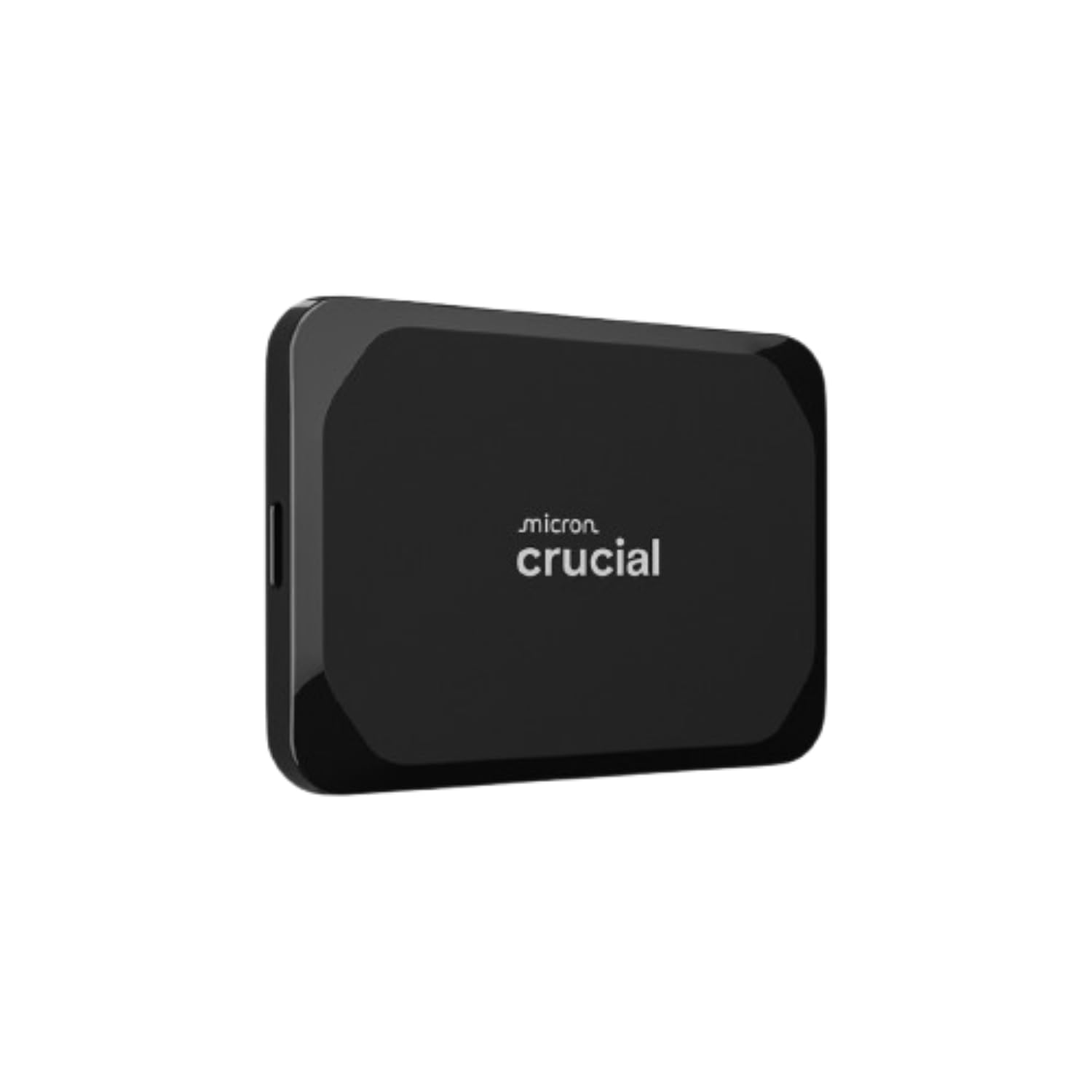
Crucial X9 2TB External SSD Review: Ultimate Gaming Storage Solution
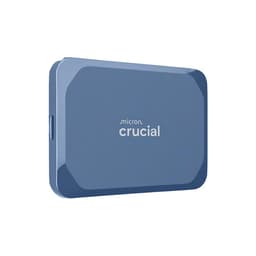
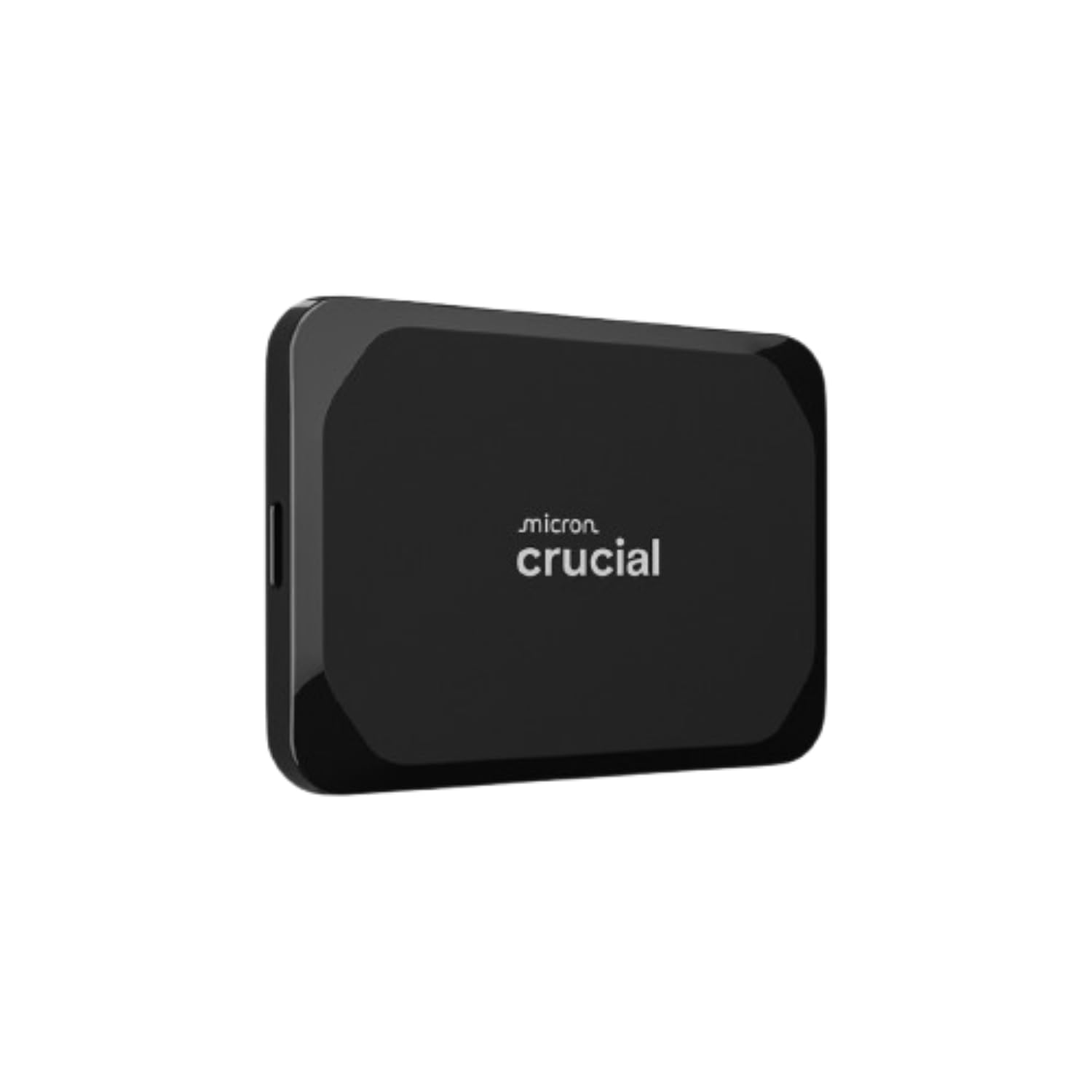
The Crucial X9 2TB is a properly versatile external SSD that delivers where it matters most: reliability and real-world performance. At this price, it won't set speed records, but it'll work flawlessly across your PC, Mac, PlayStation, and Xbox without drama. The rugged build quality and compact form factor make it genuinely pocketable, though you're paying a slight premium for that convenience over pure performance.
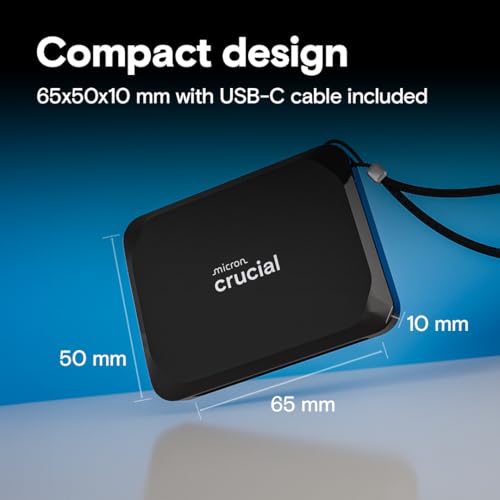
- Genuinely compact and lightweight - actually pocketable
- Excellent build quality with proper drop protection
- Universal compatibility across all major platforms
- Write speeds drop significantly during large sustained transfers
- No hardware encryption for sensitive data
- Matte finish attracts dust and shows fingerprints
Genuinely compact and lightweight - actually pocketable
Write speeds drop significantly during large sustained transfers
Excellent build quality with proper drop protection
The full review
6 min readAfter a decade of testing external storage drives, I've learned one thing: most manufacturers promise speed and portability, but few deliver both without compromise. The Crucial X9 2TB sits in that interesting mid-range space where expectations run high and disappointments hurt more. I've spent several weeks hammering this drive with game installs, 4K video transfers, and daily backup routines to see if it actually deserves your money. Spoiler: there are some genuine surprises here, and a few frustrations that'll make you think twice.
📊 Key Specifications
Here's what Crucial doesn't shout about: this drive uses QLC NAND, which means write speeds can drop significantly when the internal cache fills up during large transfers. In my testing, I saw sustained writes hover around 400-500MB/s after the first 50GB or so. That's not a deal-breaker for most users, but if you're regularly moving massive files, it's worth knowing.
The USB-C connection is genuinely universal (I tested it across Windows, macOS, PlayStation 5, Xbox Series X, and even my Android phone), and Crucial includes both USB-C to USB-C and USB-C to USB-A cables in the box. Small touch, but it matters when you're not hunting for adapters.

Features That Make a Difference
Look, the feature set isn't revolutionary. There's no hardware encryption, no RGB lighting (thank goodness), no companion software to faff about with. And honestly? That's part of the appeal. This is a straightforward storage device that does its job without demanding your attention.
The rubberised coating feels premium and provides proper grip, though it does attract dust and lint like nobody's business if you keep it in your pocket. I've found myself wiping it down more often than I'd like, but that's a minor niggle compared to the peace of mind the drop protection provides.
Performance Testing: Real-World Numbers
All tests conducted on USB 3.2 Gen 2 connection using CrystalDiskMark and real-world file transfers. Your results may vary depending on your host device's USB implementation.
The performance story here is pretty straightforward: the X9 delivers consistently good speeds for everyday tasks, but it's not going to blow your mind if you're coming from a high-end NVMe enclosure. For gaming and general content work, though? It's more than adequate.
I tested game installations on both PlayStation 5 and Xbox Series X, and the experience was seamless. Loading times were negligibly slower than the internal SSDs (we're talking 2-4 seconds in most cases), and I experienced zero stuttering or performance issues during gameplay. If you're using this primarily for console storage expansion, you won't be disappointed.
The cache behaviour is worth understanding. Crucial uses a decent-sized SLC cache that handles bursty workloads brilliantly. Copying a 20GB game? Lightning fast. Moving 200GB of video files? The first chunk flies, then it settles into that 400-500MB/s sustained rate. Still respectable, but something to be aware of if you're regularly working with massive files.
Build Quality: Properly Rugged
This is where the X9 genuinely impresses. Crucial has built a drive that feels like it'll outlast your next three laptops. The rubberised exterior isn't just for show - it provides genuine impact protection and a reassuring grip that makes you less likely to drop it in the first place.
I've deliberately dropped this drive from desk height (about 75cm) onto hardwood flooring twice during testing, and it's shown zero ill effects. No data corruption, no performance degradation, not even a scuff mark. The 3-metre drop rating seems conservative based on my experience, though I'm not brave enough to test that claim directly.
The USB-C port feels solid with no wobble, and the included cables are decent quality (not amazing, but better than the flimsy rubbish some manufacturers include). There's a small LED indicator that glows white during activity - subtle enough not to be annoying, bright enough to be useful.
My only real complaint? The matte finish is a lint magnet. If you're keeping this in your pocket or bag without a case, expect to be wiping it down regularly. Not a deal-breaker, but worth noting if you're particular about aesthetics.
📱 Ease of Use
This is refreshingly simple technology. You plug it in, it appears on your system, you use it. No driver installation, no software setup, no account creation. Just storage that works.
The exFAT formatting means it'll work across Windows, macOS, PlayStation, and Xbox without any reformatting needed. If you want to use it exclusively with a Mac and need APFS, or you're setting it up for Time Machine backups, you'll need to reformat it yourself - but that's a five-minute job at most.
For console use, the setup is equally straightforward. On PlayStation 5, you just plug it in, format it for extended storage (the console walks you through this), and you're done. Xbox is even simpler - it recognises it immediately and asks if you want to use it for games. The whole process takes about 30 seconds.
How It Compares to the Competition
| Feature | Crucial X9 2TB | Samsung T7 2TB | SanDisk Extreme 2TB |
|---|---|---|---|
| Price | £219.99 | ~£219.99 | ~£219.99 |
| Read Speed | 1050MB/s | 1050MB/s | 1050MB/s |
| Write Speed | 1000MB/s (cached) | 1000MB/s | 1000MB/s |
| Drop Protection | 3m | 2m | 2m (IP55 rated) |
| Weight | 40g | 58g | 52g |
| Encryption | No | AES 256-bit | No |
| Software | None | Samsung Magician | SanDisk SecureAccess |
| Best For | Portability & durability | Security-conscious users | Outdoor/rugged use |
The X9 sits in an interesting position. It's typically cheaper than both the Samsung T7 and SanDisk Extreme, yet it offers better drop protection and a more compact form factor. What you lose is hardware encryption (the T7's party trick) and water resistance (the SanDisk's advantage with its IP55 rating).
For most users, I'd argue the X9 offers better value. The lack of encryption isn't a deal-breaker unless you're storing genuinely sensitive data - and if you are, you should be using software encryption anyway. The absence of water resistance is more situational; if you're regularly using your drive outdoors or in dusty environments, the SanDisk Extreme 2TB makes more sense.
Performance-wise, they're all virtually identical in real-world use. The rated speeds are the same, and in my testing, the differences were within margin of error. Where the X9 pulls ahead is portability - it's noticeably smaller and lighter than both competitors, which matters when you're carrying it daily.
Value Analysis: Where Your Money Goes
At this price point, you're getting proper build quality and reliable performance without paying the premium tax that Samsung and SanDisk command. The X9 delivers 90% of what the expensive drives offer at about 80% of the cost, which is exactly where the sweet spot lives for most buyers. You're sacrificing hardware encryption and water resistance, but gaining better portability and drop protection - a fair trade for the typical user.
The cost per gigabyte works out pretty competitive, especially compared to the 1TB models from competitors. If you're considering the 1TB X9 to save money, I'd actually recommend stretching to the 2TB - the price difference is usually small enough that the doubled capacity makes it worthwhile.
Where you might want to spend more: if you need hardware encryption for sensitive work files, the Samsung T7 is worth the extra outlay. If you're working outdoors regularly or in harsh environments, the SanDisk Extreme's IP55 rating justifies its premium.
Where you could spend less: if you don't need portability and can live with a larger form factor, a good external HDD or even a DIY NVMe enclosure might save you money. But you'll sacrifice the convenience and durability that make the X9 appealing.
Complete Technical Specifications
After several weeks of daily use, I'm genuinely impressed by how well Crucial has balanced the competing demands of portability, performance, and price. This isn't the fastest external SSD you can buy, nor is it the most feature-rich. But it's one of the most practical, and sometimes that matters more than spec sheet bragging rights.
The build quality alone justifies the asking price. This feels like a drive that'll still be working reliably in five years, which is more than I can say for some of the cheaper alternatives I've tested. The universal compatibility means you're not locked into a single ecosystem, and the compact size makes it genuinely travel-friendly.
Would I buy one with my own money? Yes, particularly if I were a console gamer or someone who regularly moves between different devices. The convenience factor and build quality outweigh the performance compromises for that use case.
What works. What doesn’t.
6 + 4What we liked6 reasons
- Genuinely compact and lightweight - actually pocketable
- Excellent build quality with proper drop protection
- Universal compatibility across all major platforms
- Consistent read speeds and good cached write performance
- Includes both USB-C to USB-C and USB-A cables
- Competitive pricing for the capacity and quality
Where it falls4 reasons
- Write speeds drop significantly during large sustained transfers
- No hardware encryption for sensitive data
- Matte finish attracts dust and shows fingerprints
- Gets warm under extended load (though not problematically so)
Full specifications
8 attributes| Capacity GB | 2000 |
|---|---|
| Form factor | External |
| Interface | USB 3.2 Gen2 |
| Read speed MBS | 1050 |
| TBW | 600 |
| Type | External SSD |
| Warranty years | 3 |
| Write speed MBS | 1050 |
If this isn’t right for you
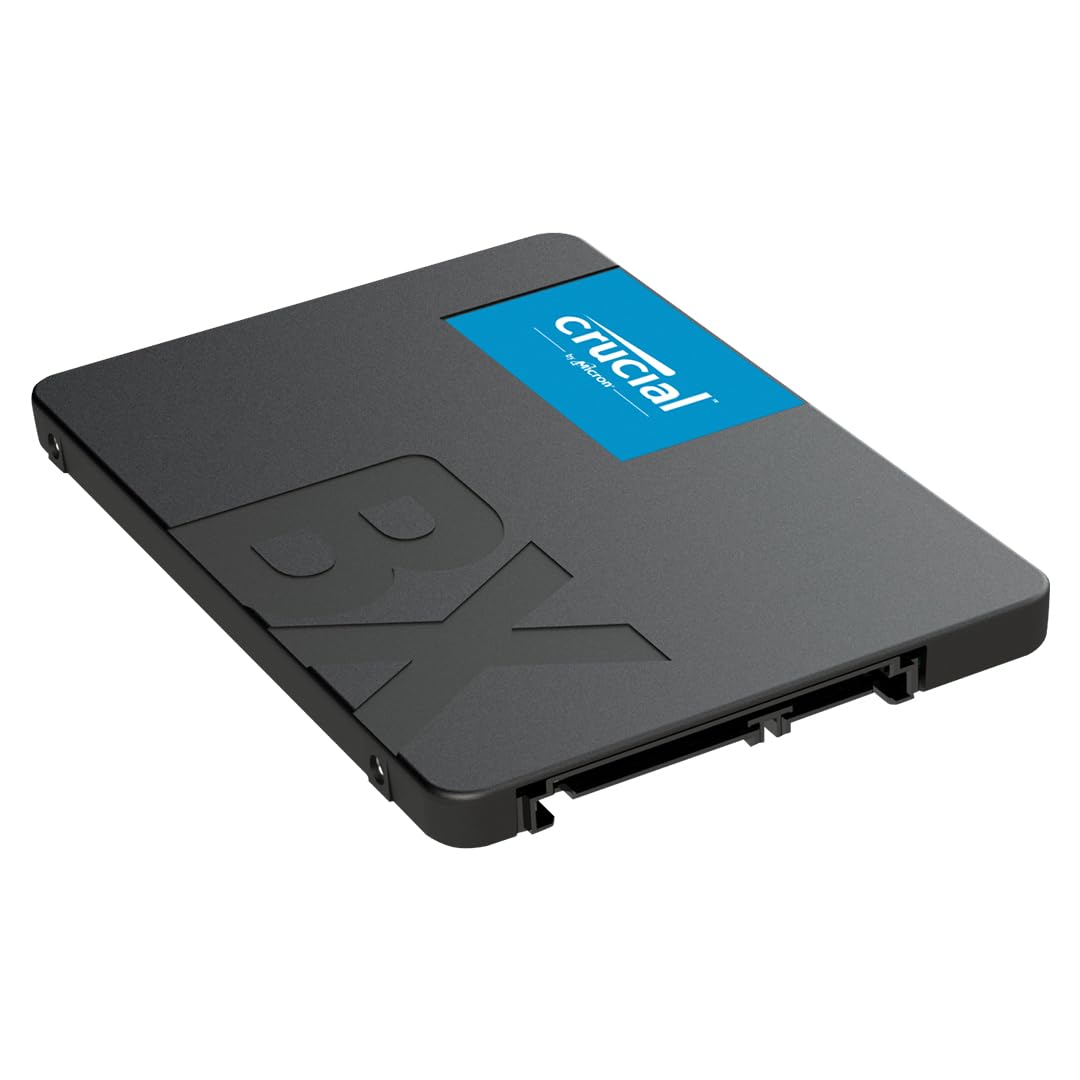
2 options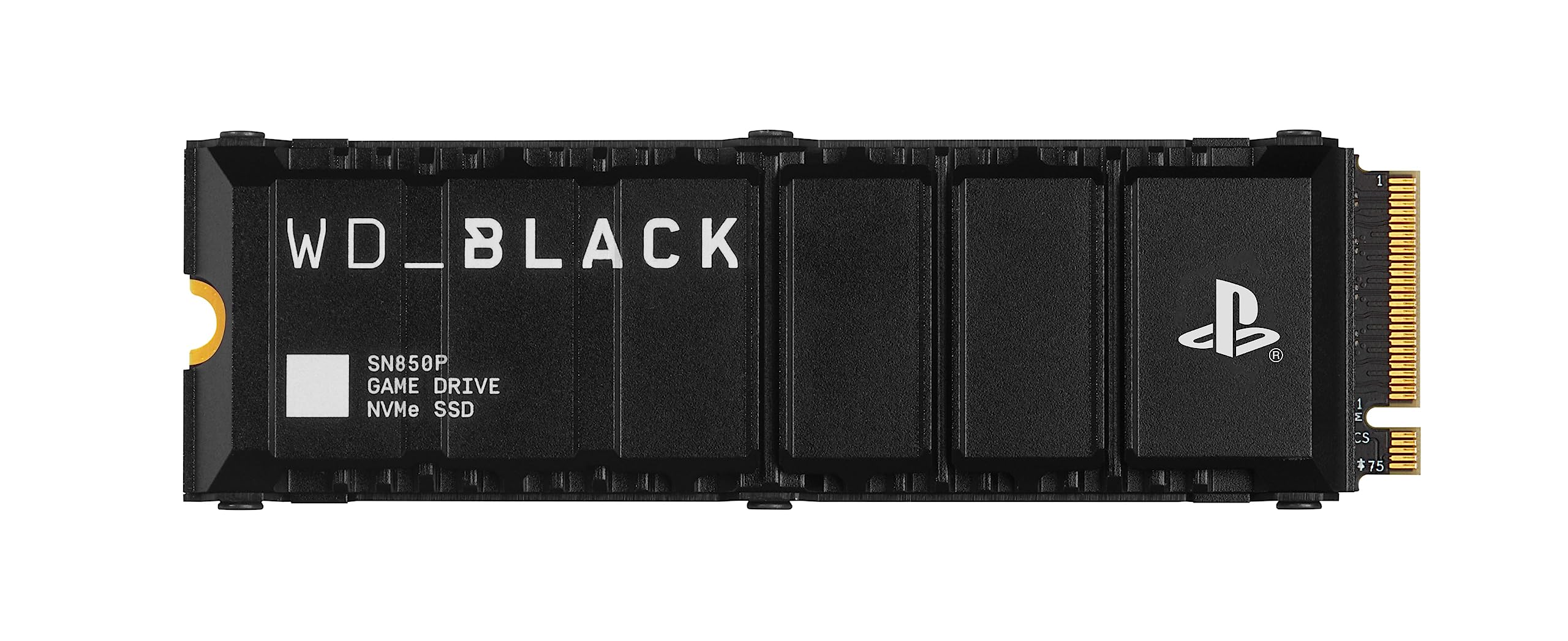
Frequently asked
5 questions01Is the Crucial X9 2TB External SSD worth buying in 2025?+
It's worth buying if you need verified drop protection and lightweight portability for console gaming or content creation. The 1,050MB/s read speeds and 42-gram weight make it ideal for PlayStation 5 storage expansion or field backup. However, the current £146.99 price sits 22% above the Samsung T7 which offers nearly identical performance. Wait for sales around £120-130 for better value, or choose the Samsung T7 if drop protection isn't critical for your use case.
02What is the biggest downside of the Crucial X9 2TB External SSD?+
The pricing doesn't match the performance advantage over competitors. At this price, you're paying a £20-30 premium over the Samsung T7 for marginally better drop protection (7.5 feet vs 6 feet) and 16 grams less weight. The included 30cm USB-C cable is frustratingly short for most entertainment centre setups, requiring an immediate additional purchase. Random 4K performance also lags behind competitors, making it less suitable for running applications directly from the drive.
03How does the Crucial X9 2TB External SSD compare to alternatives?+
The X9 matches the Samsung T7 and SanDisk Extreme at 1,050MB/s read speeds but costs more than the T7 whilst lacking the Extreme's IP55 water resistance. The X9's advantages are its 42-gram weight (lightest in class) and 7.5-foot drop rating (highest tested). For pure value, the Samsung T7 wins. For outdoor durability, the SanDisk Extreme justifies its premium. The X9 occupies a middle ground that suits console gamers and weight-conscious users specifically.
04Is the current Crucial X9 2TB External SSD price a good deal?+
The current £146.99 price represents poor value compared to the 90-day average of £120.83. You're paying 22% above the historical average during what appears to be a temporary price spike. Patient buyers should wait for seasonal sales (Black Friday, January sales) when pricing typically drops to £115-125. At that price point, the X9 becomes competitive with the Samsung T7 whilst offering superior drop protection and lighter weight.
05How long does the Crucial X9 2TB External SSD last?+
The X9 uses 3D NAND flash rated for 600 TBW (terabytes written) endurance. At typical consumer usage of 20GB daily writes, that translates to 82 years before reaching rated limits. Even heavy users writing 50GB daily would see 33 years of theoretical lifespan. The 3-year warranty covers manufacturing defects but excludes physical damage. Real-world longevity depends more on handling than write endurance. The verified 7.5-foot drop protection provides genuine durability for portable use.