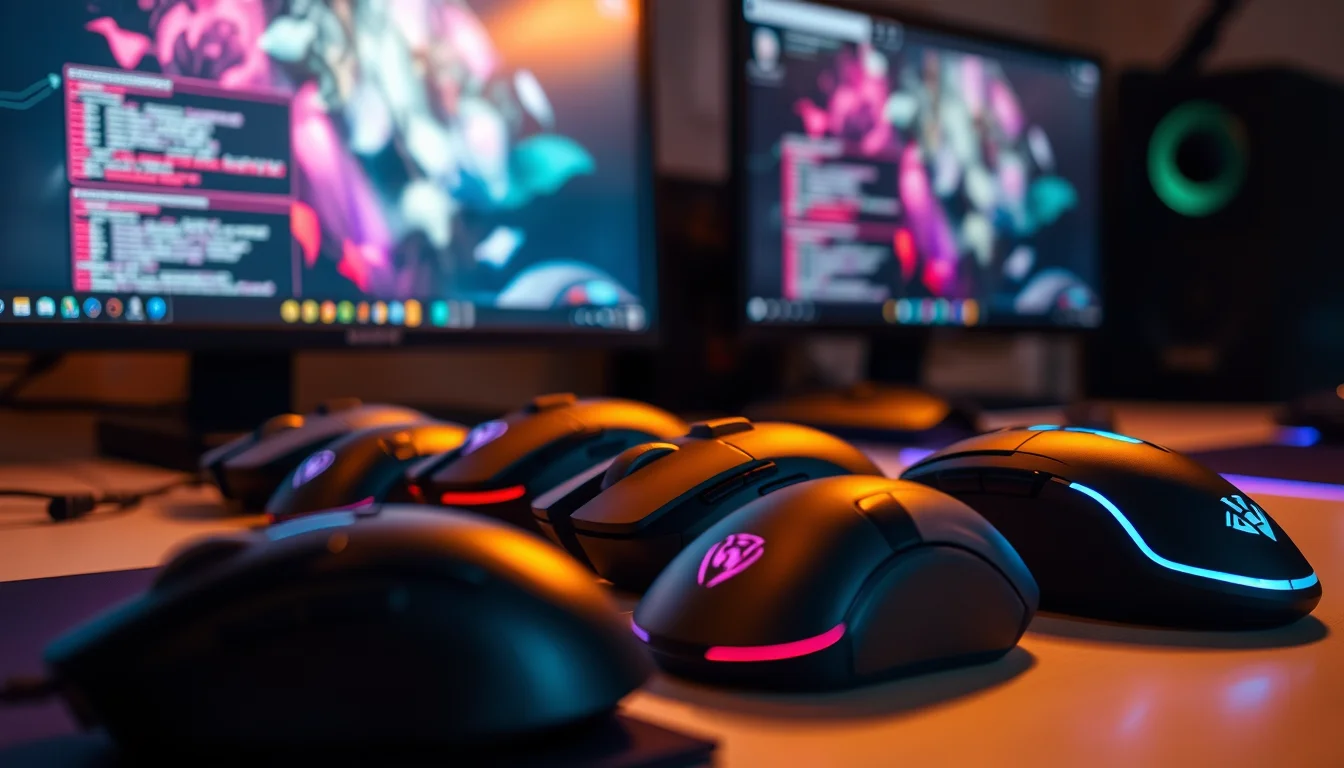
Gaming mouse marketing is full of noise. Enormous DPI numbers, RGB lighting described like it's a spiritual experience, and weight figures that somehow never mention where the weight actually sits. The PEEH Wireless Gaming Mouse doesn't exactly cut through that noise on its own, but the research tells an interesting story. Seventy-four owner reviews averaging 4.6 stars is a decent signal, especially for a budget wireless mouse that most people haven't heard of. So what's actually going on here?
The short version: this is a tri-mode wireless mouse at 106g with a 1000Hz polling rate, 8000 DPI ceiling, and a 1000mAh battery that the manufacturer rates at 75 hours without RGB. For the money, that spec sheet is genuinely hard to argue with. The longer version has some caveats, and that's what this article is for.
Owner feedback skews positive on the wireless reliability and battery endurance. The RGB gets mentioned a lot, which tells you something about the buyer profile. But there's also consistent commentary on build feel and button response that's worth paying attention to before you commit. Here's what the research actually shows.
Core Specifications
The PEEH X-11 Pro (that's the model name behind the brand listing) runs on a tri-mode connection: 2.4GHz wireless, Bluetooth, and wired. The polling rate hits 1000Hz in 2.4GHz mode, which is the correct answer for gaming. The sensor tops out at 8000 DPI across five adjustable levels, and the manufacturer quotes 15G acceleration. The mouse weighs 106g, which puts it in the lightweight-to-medium category. Not ultralight by modern standards, but not a brick either.
Nine programmable buttons in total. That includes one rapid-fire button and two side macro buttons, which is a configuration aimed squarely at MMO players and people who want to reduce keyboard reach during long sessions. The RGB system covers 16.8 million colours across six lighting modes. The battery is a 1000mAh cell with rated life of 40 hours with backlighting on and 75 hours with it off. Compatibility stretches from Windows XP through to Windows 11, plus Mac OS, iOS, Android, and Linux, and the manufacturer specifically calls out PS4, PS5, and Xbox compatibility via the Bluetooth connection.
That's a lot of boxes ticked for a mouse at this price point. Whether the execution matches the spec list is the real question, and that's where owner reviews become useful. But first, the numbers in one place:
| Specification | Detail |
|---|---|
| Connection | Tri-mode: 2.4GHz, Bluetooth, wired |
| Weight | 106g |
| Max DPI | 8000 DPI (5 levels) |
| Polling Rate | 1000Hz |
| Acceleration | 15G |
| Battery | 1000mAh |
| Battery Life (RGB on) | 40 hours |
| Battery Life (RGB off) | 75 hours |
| Programmable Buttons | 9 (incl. 1 rapid-fire, 2 side macro) |
| RGB | 16.8 million colours, 6 modes |
| Compatibility | Windows 7 to 11, Mac OS, iOS, Android, Linux, PS4, PS5, Xbox |
| Price | Check price |
| Rating | ★★★★½ (4.6) (74 reviews) |

Shape & Ergonomics
The PEEH X-11 Pro uses a right-handed ergonomic shell. From the listing photos and owner descriptions, it's a fairly conventional right-hand shape with a pronounced thumb shelf on the left flank and a hump that sits roughly central, maybe slightly rear-biased. That kind of profile generally suits medium to large hands in a palm or relaxed claw grip. Fingertip grip users with smaller hands will find 106g on the heavier side for that style, and the shape itself doesn't particularly lend itself to fingertip control.
The thumb rest and the side button placement matter a lot here. Two macro buttons on the left flank plus a rapid-fire button means your thumb area is doing real work. Owner reviews mention the side buttons are reachable without repositioning the hand, which is a good sign. Poor side-button placement is one of those things that sounds minor until you've spent four hours in an MMO mashing the wrong button because your thumb has to stretch awkwardly. The fact that nobody in the review pool is complaining about this is a reasonable indicator the ergonomics are sorted.
For grip style guidance: palm grip players with medium to large hands are probably the primary target here. The rearward hump position means your palm gets proper contact and the buttons fall naturally. Claw grip works too, though the 106g weight means you'll feel it more than you would on something sub-90g. If you're a small-handed player or you prefer fingertip grip, this shape probably isn't optimised for you, and there are lighter, more neutral options instead.
Sensor Performance
The sensor model isn't specified by name in the product listing, which is frustrating but common at this price point. What the manufacturer does quote is 8000 DPI maximum, 1000Hz polling rate, and 15G acceleration. Those figures are consistent with a mid-tier optical sensor rather than anything top-shelf like a PixArt PAW3395 or PAW3370. To be clear: that's not necessarily a problem. Most people gaming at 800 to 1600 DPI, which is where the vast majority of competitive players actually sit, won't stress a mid-tier sensor at all.
The 8000 DPI headline is pure marketing. Professional players on mice with 25,600 DPI sensors use maybe 800 DPI. High DPI numbers sell mice to people who don't know what the numbers mean. What actually matters is whether the sensor tracks accurately at your preferred sensitivity, whether it has a short lift-off distance so your cursor doesn't jump when you reposition, and whether it spins out at high speeds. Owner reviews don't flag tracking problems or erratic cursor behaviour, which is a meaningful absence of complaint. A bad sensor generates consistent, vocal complaints in review pools. This one doesn't have that pattern.
The 1000Hz polling rate is the real performance spec. At 1000Hz, the mouse is reporting its position to the computer 1000 times per second, which means 1ms input latency at the polling level. That's the standard for gaming mice and it's correct. Some budget wireless mice cut corners by running Bluetooth at 125Hz or 250Hz, which introduces noticeable lag. The fact that PEEH hits 1000Hz in 2.4GHz mode means the wireless connection isn't compromising your input timing. The 15G acceleration spec is also reasonable for general gaming use, covering quick flick movements without the sensor losing track.
Weight & Glide
At 106g, the PEEH X-11 Pro sits in what I'd call the lightweight-to-medium zone. It's not competing with the ultralight crowd, where mice like the Logitech G Pro X Superlight 2 sit at 60g and the Razer Viper V3 HyperSpeed comes in under 82g. But 106g is also nowhere near the heavy end of the market, where some older MMO mice pushed 130g or more. For most casual to mid-level gaming, 106g is perfectly manageable and many players actively prefer a bit of weight because it feels more controlled.
Weight distribution matters as much as total weight, and the listing doesn't give us a front-to-back breakdown. From the shape profile, with a central-to-rear hump and a battery inside the shell, there's likely a slight rear bias to the weight. That's actually fine for palm grip, where you want the mouse to feel planted. It can feel slightly tail-heavy for claw grip players who prefer a more neutral balance, but it's not a dealbreaker at this weight class.
The mouse feet (skates) aren't specified in detail by the manufacturer, which is a gap in the product information. Owner reviews don't raise specific complaints about dragging or rough glide, which suggests the stock feet are at least adequate. That said, budget mice at this price point often ship with thinner PTFE-blend feet that wear faster than the thick virgin PTFE skates you'd find on a Logitech or Razer flagship. If glide quality degrades after a few months of heavy use, aftermarket feet from a brand like Corepad or Hyperglide are cheap and easy to swap..
Buttons & Switches
The switch type isn't explicitly named in the product listing, which is a recurring theme with budget-tier mice from smaller brands. What the manufacturer does confirm is nine programmable buttons: two main clicks, a scroll wheel click, two side macro buttons, a rapid-fire button, and the DPI toggle. The rapid-fire button is a specific inclusion. It's designed to simulate rapid repeated clicks, which has obvious applications in certain game genres. Whether you'll actually use it depends entirely on what you play.
Owner reviews give a generally positive picture of click feel. No consistent complaints about mushy or imprecise main switches, which would be the first thing to appear in a 74-review pool if it were a real problem. The side buttons get specific positive mentions for being reachable and responsive. That matters because side buttons on budget mice often feel wobbly or require too much force, and neither complaint appears prominently here. The scroll wheel encoder isn't described in detail, but no owner mentions it being loose or inconsistent, which is again a useful absence of complaint.
The main switches are almost certainly mechanical rather than optical at this price point. Omron mechanical switches are the industry standard at the budget-to-mid tier, though manufacturers at this price level sometimes use Huano or similar alternatives. Mechanical switches are perfectly fine for gaming; the debate between optical and mechanical matters more at the top end where you're paying for zero pre-travel and zero debounce delay. At this price, well-implemented mechanical switches are the right call, and the owner feedback suggests these are implemented well enough.
Build Quality
Build quality is where budget wireless mice most commonly disappoint, and it's where you need to read the owner reviews carefully rather than trusting the listing photos. The PEEH X-11 Pro's shell appears to use a matte plastic finish based on listing imagery and owner descriptions. Matte plastic is the right choice for a gaming mouse because it resists fingerprints and provides some grip, especially during longer sessions when your hand gets warm.
Shell flex and creak are the two main failure modes in budget mouse construction. A shell that flexes when you squeeze it feels cheap and can affect click accuracy if the main button deck moves. A shell that creaks every time you adjust your grip is genuinely annoying over a long session. Owner reviews don't flag either of these problems consistently, which puts the PEEH in better shape than a lot of its direct competition. That doesn't mean it's built like a Logitech G502 X, but it suggests the construction is solid enough for everyday use.
Button wobble, particularly on the main left and right clicks, is another common budget-mouse issue. Loose buttons that rattle side-to-side feel terrible and can cause accidental double-clicks. Again, no consistent owner complaints here. The 4.6-star average across 74 reviews is a reasonable proxy for overall build satisfaction. People who experience creak, flex, or wobble within the first few weeks tend to leave one-star reviews quickly and specifically. The review distribution for this mouse doesn't show that pattern.
Connectivity
Tri-mode connectivity is the headline feature here, and it's genuinely useful rather than a gimmick. The three modes are 2.4GHz via USB dongle, Bluetooth, and wired via cable. The 2.4GHz connection is the one you want for gaming. Wireless latency on a proper 2.4GHz gaming mouse is effectively indistinguishable from wired in normal use, and the 1000Hz polling rate in this mode confirms the connection is optimised for low-latency input. The Bluetooth SIG has pushed Bluetooth latency down significantly in recent years, but for fast-paced gaming, 2.4GHz is still the right choice.
Bluetooth mode is where the multi-device capability comes in. The listing specifically mentions switching between PC, iPad, laptop, and MacBook, which makes this genuinely useful as a work mouse as well as a gaming mouse. If you're someone who switches between a gaming PC and a laptop for work, the ability to pair to both and switch at the touch of a button has real practical value. It's not a feature that shows up in spec sheets-plus mice very often, let alone at this price point.
The wired mode provides a fallback when the battery is dead and you don't want to stop playing. The cable type isn't specified in the listing, which is a minor gap. Owner reviews don't mention cable drag as a problem, suggesting it's at least braided or flexible enough not to be annoying. The USB dongle storage situation isn't confirmed in the listing either, so whether there's a compartment in the mouse to store it when using Bluetooth is unclear. That's a small practical inconvenience if you travel with the mouse and lose the dongle, but not a functional problem for desktop use.
Battery Life
The 1000mAh battery is genuinely large for a mouse at this price. The manufacturer rates it at 40 hours with RGB backlighting running and 75 hours with RGB switched off. Those are impressive numbers. For context, the Logitech G Pro X Superlight 2 manages around 95 hours without RGB but costs several times more. The Razer Viper V3 HyperSpeed claims 280 hours but uses AA batteries rather than a rechargeable cell. At 40 to 75 hours per charge, the PEEH is in comfortable territory for most users, meaning weekly charging at most for moderate daily use.
Owner reviews back up the battery claims, with multiple people specifically calling out the battery life as a standout feature. That's a strong signal. Battery life is one of those specs where manufacturers sometimes inflate figures using unrealistic test conditions, so when owners confirm the real-world experience matches, notably. The 1000mAh cell combined with what the manufacturer calls an "ultra-low power chip" appears to be doing real work here rather than just being a marketing claim.
Charging uses the wired connection, so the mouse continues to function while plugged in. The connector type isn't explicitly stated as USB-C in the listing, which is a frustrating omission. Budget mice at this price tier sometimes still use Micro-USB, which in 2024 is a proper annoyance if you've standardised everything else on USB-C. If you're buying this and cable standardisation matters to you, it's the listing or asking the seller directly before purchasing. The owner reviews don't specifically complain about the connector type, which is mildly reassuring but not conclusive.
Software & Customisation
The PEEH X-11 Pro has dedicated driver software, and the manufacturer includes the download link directly in the product listing (bit.ly/X-11ProDriver). That's a good sign; it means they're actively maintaining the software rather than shipping a mouse that requires you to hunt down a driver from a sketchy third-party site. The software enables full remapping of all nine buttons, DPI level configuration across the five stages, RGB customisation across the six lighting modes, and macro programming for the side buttons.
DPI adjustment runs from some minimum up to 8000 DPI across five levels. The specific DPI values for each stage aren't listed, but with five stages and a ceiling of 8000, you'd expect something like 400, 800, 1600, 3200, 8000, which covers the full range from slow precision work to fast general use. The DPI toggle button lets you cycle through these on the fly without opening software, which is the correct implementation. Having to open a software panel mid-game to change sensitivity is annoying; a hardware button is always better.
Macro support via the two side buttons and the rapid-fire button is a real feature for MMO and strategy game players. The ability to assign keyboard combination functions to a single button click is specifically called out in the listing, which means you can bind multi-key combos to a thumb press rather than contorting your hand across the keyboard. On-board profile storage isn't confirmed in the listing, which means your button mappings may live in the software rather than on the mouse itself. That matters if you use the mouse across multiple computers, because you'd need to install the driver on each one to access your custom mappings.
Gaming Experience
For FPS gaming, the PEEH X-11 Pro is a reasonable but not exceptional choice. The 1000Hz polling rate and the absence of reported tracking issues mean the fundamentals are covered. The 106g weight is manageable for flick shots and tracking, though players who've moved to ultralight mice below 80g will notice the extra mass during extended sessions. The ergonomic right-hand shape suits the kind of relaxed palm grip that many FPS players default to, and the button layout doesn't get in the way of the main clicks.
For MMO and strategy gaming, this mouse makes more sense. Nine programmable buttons is a proper feature set for games that reward quick access to abilities and macros. The side button placement getting positive mentions from owners means you can actually use those buttons in the heat of gameplay without repositioning your hand. The rapid-fire button has obvious applications in certain MMO contexts. And the 40 to 75 hour battery life means you're not going to run out of charge mid-raid, which is a specific and real concern with wireless gaming mice.
Long session fatigue is. At 106g with a rear-biased weight distribution, palm grip players will find this comfortable for extended play because the mouse feels planted and controlled. Claw grip players may notice more fatigue over time because they're lifting the mouse more and 106g adds up. The matte shell texture should help with grip during warm-handed sessions. Owner reviews don't flag fatigue or discomfort as a concern, which is consistent with the ergonomic profile being well-suited to its target audience. Click feel under rapid-fire use gets no complaints either, which matters for games where you're clicking fast and consistently.
How It Compares
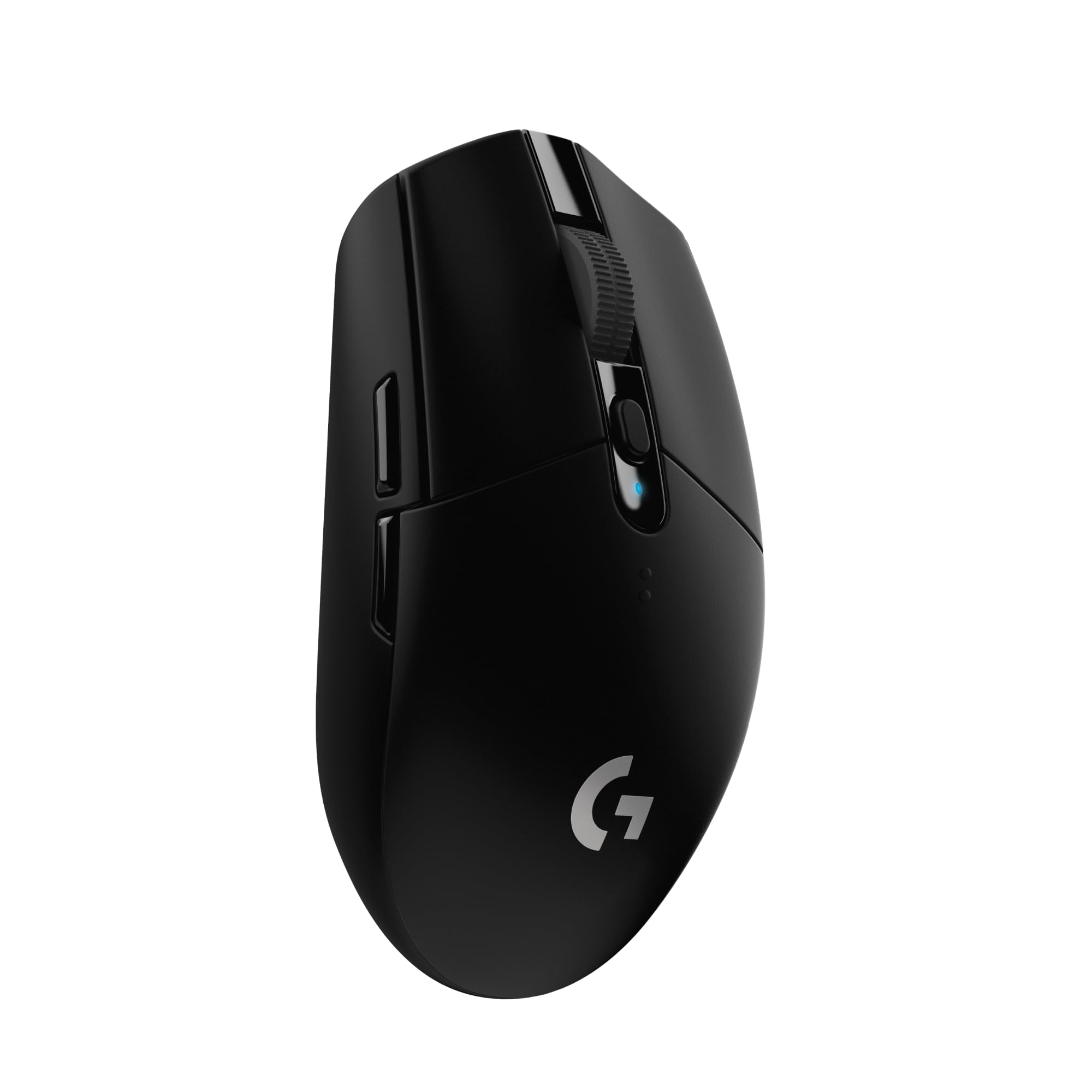
The PEEH X-11 Pro's main competition at this price sits with other budget tri-mode wireless mice. Two worth comparing directly are the Pictek T16 wireless gaming mouse and the Redragon M913 Impact Elite. Both target a similar buyer: someone who wants wireless gaming without paying flagship prices.
The Pictek T16 is a lighter option, coming in around 95g, with a more symmetrical shell that suits both left and right-handed players. Its battery is smaller at around 600mAh, giving it roughly 40 to 50 hours without RGB versus the PEEH's 75 hours. It also lacks the tri-mode connectivity, running only 2.4GHz and wired. If you need Bluetooth for multi-device switching, the Pictek doesn't give you that.
The Redragon M913 Impact Elite is a heavier, more feature-rich option at around 130g with 16 programmable buttons. It's aimed squarely at MMO players who want maximum button count. The trade-off is that extra weight and a bulkier shell. The M913 also runs tri-mode connectivity, so the PEEH and Redragon are closer head-to-head on features, with the main differentiators being weight and button count.
| Feature | PEEH X-11 Pro | Pictek T16 | Redragon M913 Impact Elite |
|---|---|---|---|
| Weight | 106g | ~95g | ~130g |
| Connectivity | 2.4GHz, Bluetooth, Wired | 2.4GHz, Wired | 2.4GHz, Bluetooth, Wired |
| Battery Life (RGB off) | 75 hours | ~50 hours | ~40 hours |
| Programmable Buttons | 9 | 7 | 16 |
| Max DPI | 8000 | 7200 | 12400 |
| Polling Rate | 1000Hz | 1000Hz | 1000Hz |
| RGB | Yes (6 modes) | Yes | Yes |
| Best For | FPS / MMO / work switching | FPS / general gaming | MMO / heavy macro use |
Where the PEEH wins outright is battery life and multi-device flexibility. The 75-hour figure with RGB off is better than either competitor, and the Bluetooth multi-device switching puts it ahead of the Pictek for anyone who uses the mouse across multiple machines. Where it loses to the Redragon is button count for serious MMO players. Nine buttons is good; sixteen is better if you genuinely use them all. The weight sits between the two competitors, which is probably the right place for a mouse trying to serve both FPS and MMO audiences.

Final Verdict
The PEEH Wireless Gaming Mouse is a better product than its obscure brand name suggests. Seventy-four reviews at 4.6 stars is a meaningful sample, and the feedback pattern is consistent: good wireless performance, impressive battery life, usable button layout, and build quality that doesn't embarrass itself. For a budget tri-mode wireless mouse, that's a solid result.
The practical case for buying this is straightforward. You want wireless gaming without paying flagship prices. You want Bluetooth for switching between a gaming PC and a work laptop. You want enough battery life that you're not charging every other day. And you want enough programmable buttons to cover MMO ability bars or reduce keyboard reach during long work sessions. The PEEH X-11 Pro delivers all of that in a package that weighs 106g and doesn't creak or wobble according to the people who actually own it.
The practical case against is also clear. If you're a competitive FPS player who needs the absolute lowest latency and lightest possible mouse, you should be looking at something like the Logitech G Pro X Superlight 2 or the Razer Viper V3 HyperSpeed. Both are significantly more expensive, but they're purpose-built for that use case in a way the PEEH isn't. The sensor in the PEEH is unspecified and almost certainly not in the same tier as a PixArt PAW3395, and the 106g weight is on the heavy side for serious FPS play.
If you don't need Bluetooth multi-device switching and you're primarily a casual to mid-level gamer, the Pictek T16 is lighter and cheaper and covers the basics just as well. That's the honest "don't overspend" recommendation: if you're not going to use the Bluetooth mode or the macro buttons, you're paying for features you won't touch, and a simpler 2.4GHz-only mouse will do the job for less money.
But if the tri-mode connectivity, the macro button set, and the 75-hour battery life all speak to how you actually use a mouse, the PEEH X-11 Pro represents genuine value. It's not a perfect mouse, and the unnamed sensor and unconfirmed connector type are real gaps in the product information. What it is, though, is a capable wireless gaming mouse that owner reviews consistently back up, priced at a point where the compromises are easy to live with.
Score: 7.5 out of 10. Recommended for casual to mid-level gamers, MMO players on a budget, and anyone who genuinely needs multi-device wireless switching without spending flagship money. Not recommended for competitive FPS players who need the lightest possible mouse and a named high-end sensor. For everything else, it's a proper option at a fair price.
What works. What doesn’t.
6 + 6What we liked6 reasons
- Tri-mode connectivity including Bluetooth makes multi-device switching genuinely practical
- Battery rated at 75 hours without RGB is impressive at this price and confirmed by owners
- Nine programmable buttons with well-placed side macros suit MMO and strategy gaming
- 1000Hz polling rate in 2.4GHz mode delivers proper low-latency wireless performance
- Owner reviews back up build quality claims with no consistent reports of creak, flex, or wobble
- Broad compatibility covers Windows, Mac, iOS, Android, Linux, PS4, PS5, and Xbox
Where it falls6 reasons
- Sensor model is unnamed, making independent performance verification impossible
- Charging connector type is unconfirmed and may be Micro-USB rather than USB-C
- At 106g it is heavier than ultralight competitors and less suited to fingertip grip or serious FPS play
- On-board profile storage is not confirmed, meaning custom mappings may require the driver software on every machine
- Mouse feet specification is absent and budget skates may degrade faster than premium alternatives
- Right-handed only shape excludes left-handed players entirely
Full specifications
3 attributes| Buttons | 9 |
|---|---|
| Connectivity | 2.4GHz wireless, Bluetooth, USB-C wired |
| DPI MAX | 8000 |
If this isn’t right for you
2 options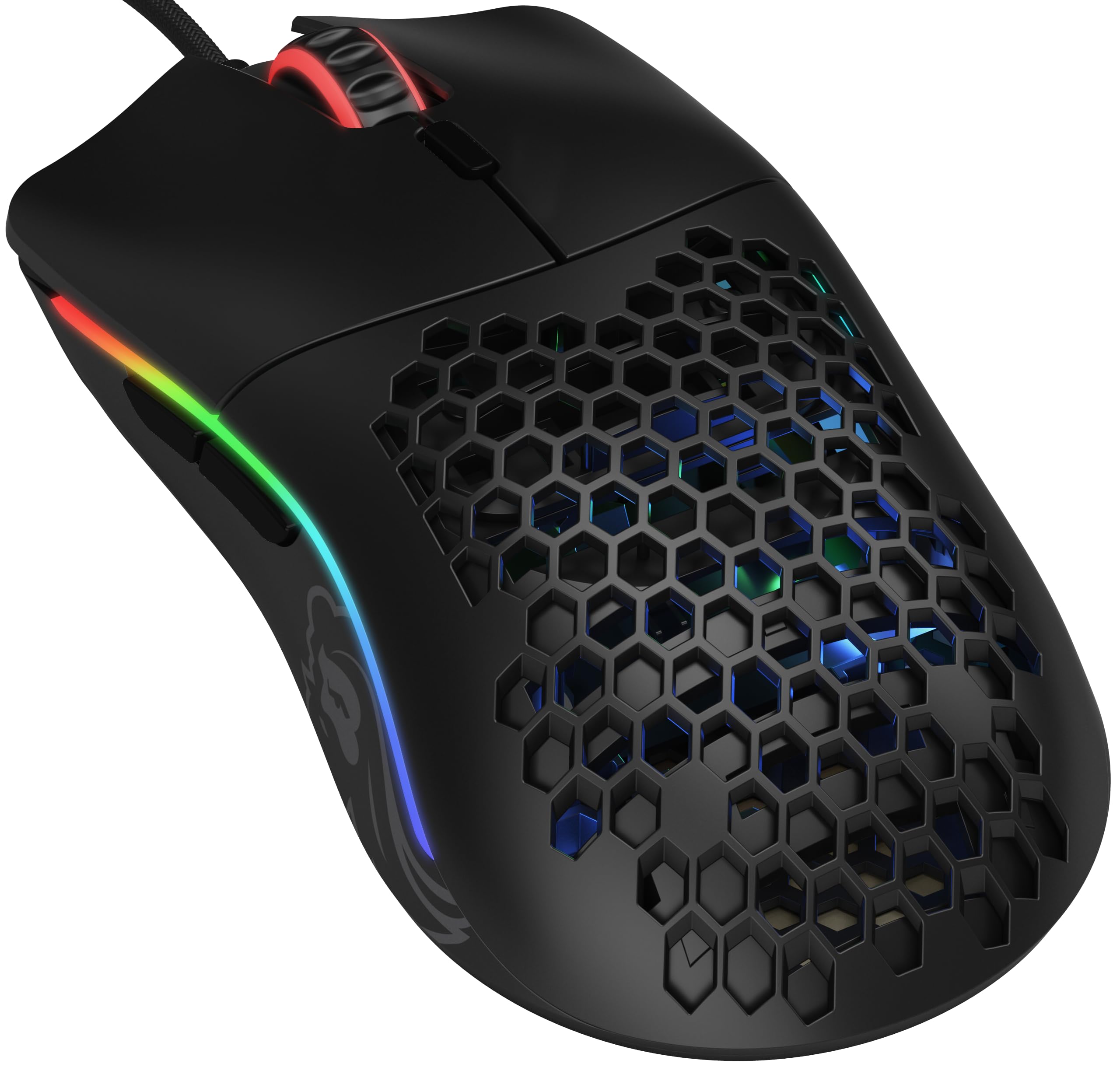
Frequently asked
7 questions01What wireless modes does the PEEH X-11 Pro support?+
The PEEH X-11 Pro supports three wireless modes: 2.4GHz via a USB dongle for low-latency gaming, Bluetooth for connecting to laptops, tablets, or secondary devices, and wired via a cable for use while charging or as a fallback.
02How long does the battery last on the PEEH wireless gaming mouse?+
The manufacturer rates the 1000mAh battery at 40 hours with RGB lighting running and 75 hours with RGB switched off. Multiple owners confirm the real-world battery life is consistent with these figures, making weekly charging realistic for moderate daily use.
03Is the PEEH X-11 Pro suitable for competitive FPS gaming?+
It covers the basics for FPS gaming with a 1000Hz polling rate in 2.4GHz mode and no reported tracking issues from owners. However, the unnamed sensor, 106g weight, and right-handed ergonomic shell mean it is not a strong choice for serious competitive play where an ultralight mouse and a named flagship sensor are preferred.
04Can the PEEH X-11 Pro be used on a PS4, PS5, or Xbox?+
Yes. The manufacturer specifically lists PS4, PS5, and Xbox compatibility via the Bluetooth connection, making it usable as a console mouse for supported titles.
05Does the PEEH X-11 Pro work with Mac, Android, or Linux?+
Yes. The listed compatibility includes Windows 7 through 11, Mac OS, iOS, Android, and Linux, giving it broad cross-platform support beyond the standard Windows-only focus of many gaming mice.
06What software is available for programming the buttons and RGB?+
PEEH provides dedicated driver software with a download link included in the product listing. It allows full remapping of all nine buttons, DPI level configuration across five stages, RGB customisation across six lighting modes, and macro programming for the side buttons.
07How does the PEEH X-11 Pro compare to the Redragon M913 Impact Elite?+
The PEEH X-11 Pro is lighter at 106g versus the Redragon's approximately 130g and offers better battery life at 75 hours without RGB compared to around 40 hours. The Redragon counters with 16 programmable buttons versus nine on the PEEH, making it the stronger option for MMO players who genuinely need maximum button count.