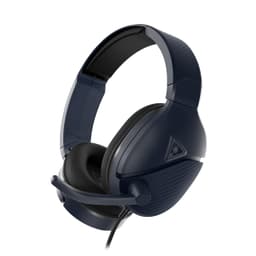
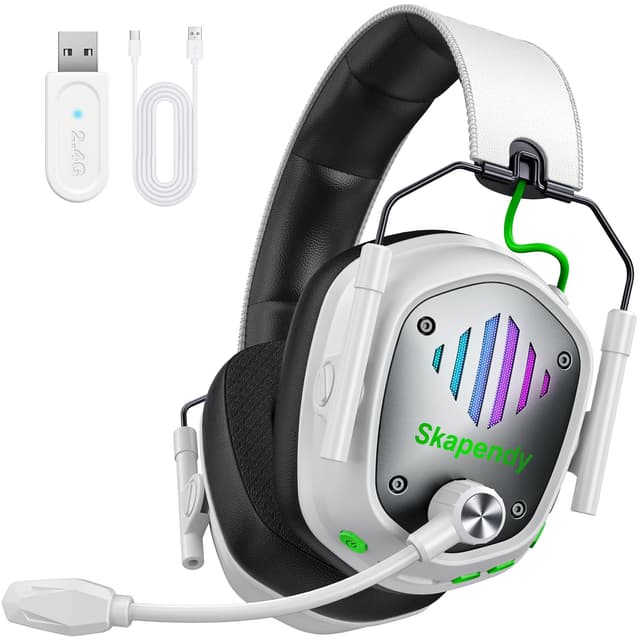
Gaming headphones have evolved dramatically since last year, with manufacturers now prioritising spatial audio, lower latency connections and comfort for extended sessions. Whether you play competitive shooters where positional audio is critical, immersive single-player experiences, or casual multiplayer titles, the right headset can transform your gaming experience. This guide compares five of the best gaming headphones currently available, examining their audio quality, connectivity options, build durability and value for money. Models range from budget-friendly options under £100 to premium wireless systems exceeding £300, so there's something for every gaming setup and budget level.
Quick Verdict
Best Overall: SteelSeries Arctis Nova Pro, exceptional spatial audio, multi-platform connectivity and premium build quality make it the top choice for serious gamers.
Best Value: HyperX Cloud Stinger 2, delivers solid gaming performance and comfort at a budget-friendly price point without major compromises.
The SteelSeries Arctis Nova Pro represents the premium end of gaming audio, designed for players who demand exceptional spatial positioning and crystal-clear communication. This headset excels in competitive gaming scenarios where pinpointing enemy footsteps can determine the difference between victory and defeat. The dual wireless system allows simultaneous connection to a console via the 2.4GHz dongle whilst maintaining Bluetooth connectivity to your mobile device, making it ideal for streamers and content creators who need to manage multiple audio sources seamlessly.
The headset features SteelSeries' acclaimed Sonar surround sound engine, which translates game audio into precise directional information essential for titles like CS2, Valorant and Escape from Tarkov. The 40mm neodymium drivers deliver punchy audio with excellent separation between frequencies, ensuring dialogue remains intelligible during intense gameplay. The headband design incorporates their signature ski goggle suspension system, distributing weight evenly and remaining comfortable during 8-10 hour gaming marathons without pressure points on the crown.
Build quality is exceptional throughout, with aircraft-grade aluminium and premium plastics resisting typical gaming environment wear. The retractable microphone captures clear voice comms with AI-powered noise cancellation that removes keyboard clatter and background noise without making you sound robotic. Battery life stretches to 28 hours on a single charge, and the included USB-C charging dock adds a premium touch to the overall package.
The only drawbacks are the premium price point and learning curve with the Sonar software, which requires some tweaking to optimise for different game titles. The bulkier design might feel heavy for users with lighter gaming preferences, though the weight distribution largely mitigates this issue in practice.
Pros
- Exceptional spatial audio with SteelSeries Sonar engine pinpoints enemy positions accurately
- Dual wireless connectivity allows simultaneous console and mobile device connection
- Premium build quality with aircraft-grade aluminium and comfortable ski goggle suspension headband
- Impressive 28-hour battery life between charges
Cons
- Premium price makes it inaccessible for budget-conscious gamers
- Sonar software requires configuration and learning curve for optimal results
The HyperX Cloud Stinger 2 has become the go-to recommendation for budget-conscious gamers who refuse to compromise on sound quality and comfort. This wired headset delivers exceptional value, offering performance comparable to models costing double the price whilst maintaining HyperX's reputation for durable gaming audio hardware. It's perfect for console gamers, PC enthusiasts and even mobile players seeking a straightforward, hassle-free headphone solution without complex software or battery management concerns.
The 50mm custom-tuned drivers produce warm, engaging audio that excels across gaming genres. Competitive shooters benefit from clear directional audio cues, whilst story-driven games gain immersive depth and atmospheric detail. The headset connects via standard 3.5mm jack with an included USB adapter for devices lacking analogue audio input, ensuring broad compatibility across platforms. The lightweight aluminium frame and memory foam ear cups prioritise comfort during extended sessions, and users consistently report wearing this headset for 6-8 hours without fatigue or discomfort.
Audio quality is surprisingly good for the price, with robust bass response and detailed mid-range clarity. The omnidirectional microphone captures clear voice chat during gameplay, though it lacks the active noise cancellation found in premium models. Build quality feels solid despite the aggressive price point, with reinforced hinges and quality cable construction that should survive years of regular gaming use.
The primary limitation is the wired design, which eliminates wireless freedom and requires cable management in your gaming space. Players seeking wireless convenience or portable gaming audio should look elsewhere. Additionally, the audio profile leans warmer than some might prefer, though this suits most gaming scenarios well.
Pros
- Exceptional value for money with 50mm drivers delivering warm, engaging gaming audio
- Lightweight design at 249g ensures comfort during extended 6-8 hour gaming sessions
- Broad compatibility via 3.5mm and USB adapter works across PC, console and mobile
- Durable aluminium frame and quality construction built for long-term daily use
Cons
- Wired connection limits freedom of movement and requires cable management
- Lacks active noise cancellation and microphone noise filtering found in premium models
The Corsair HS80 RGB Wireless targets gamers seeking wireless convenience without sacrificing audio performance or multi-platform functionality. This headset combines Corsair's gaming heritage with sensible wireless implementation, delivering 20 hours of battery life and 2.4GHz dongle connectivity for low-latency console gaming. The RGB lighting integration appeals to enthusiasts building coordinated gaming setups, though this feature can be disabled entirely for those prioritising battery life or preferring a stealthier aesthetic.
Audio performance is genuinely impressive, with 50mm neodymium drivers tuned specifically for gaming frequencies. Explosions, gunfire and directional cues come across with impressive clarity and impact, whilst dialogue remains intelligible in story-driven titles. The headset supports Bluetooth simultaneously with the 2.4GHz connection, allowing quick switches between console and mobile devices without unplugging. This flexibility makes it excellent for players juggling multiple gaming platforms or streamers managing chat applications on secondary devices.
The headband design prioritises comfort through memory foam padding and adjustable ear cup angle, accommodating various head shapes and sizes. Microphone quality is solid with decent noise rejection, though not matching the premium AI-powered systems in top-tier models. The 371g weight is substantial but well-distributed, and users report comfortable 7-8 hour sessions without notable fatigue.
The RGB lighting system, whilst visually appealing, adds unnecessary weight and battery drain for some users. The wireless range caps at roughly 12 metres with the 2.4GHz dongle, which may prove limiting in large spaces with obstacles. Sound profile slightly favours bass-heavy gaming at the expense of mid-range clarity compared to some competitors.
Pros
- 20-hour battery life with 2.4GHz wireless provides extended untethered gaming sessions
- Dual wireless support allows simultaneous console and Bluetooth mobile connectivity
- 50mm drivers deliver impactful gaming audio with strong bass response and directional clarity
- Comfortable memory foam padding suitable for 7-8 hour continuous wear
Cons
- RGB lighting adds weight and battery drain without enhancing audio performance
- 12-metre wireless range may limit use in large gaming spaces with obstacles
The ASUS ROG Ally Headset has carved a niche serving portable gaming enthusiasts and handheld device players seeking proper audio quality beyond tinny speaker audio. This wired headset was specifically engineered for compatibility with handheld gaming devices including the ROG Ally, Steam Deck and Nintendo Switch, though it functions equally well with any device featuring 3.5mm or USB-C audio output. It's the ideal choice for commuters, travellers and portable gamers refusing to compromise on sound quality during gaming on the move.
The 40mm drivers are tuned for clarity and detail rather than overwhelming bass, making dialogue and ambient sound design audible in story-driven portable games. The headset excels with indie titles, retro games and adventure games where sound design matters for atmosphere rather than competitive directional advantage. The USB-C connection option provides superior audio quality and supports fuller feature implementation on compatible devices, though the 3.5mm fallback ensures broad compatibility across older hardware.
Build quality prioritises lightweight portability, with the 268g weight making these comfortable for hours of handheld gaming. The flexible headband accommodates various head sizes, and the ear cups rotate inward for compact packing in gaming bags. The microphone supports voice chat on devices like Switch, though audio quality is basic and suitable only for casual communication.
The wired design eliminates portability benefits associated with wireless systems, requiring cable management during portable gaming. Audio signature emphasises clarity over bass response, which some players find less engaging for console-focused competitive gaming. The microphone quality is decidedly basic, unsuitable for serious voice chat during PC gaming sessions.
Pros
- Lightweight 268g design optimised for handheld portable gaming devices
- USB-C connection provides superior audio quality on compatible devices whilst maintaining 3.5mm fallback
- Flexible headband and rotating ear cups facilitate compact packing for travel gaming
- Clear mid-range focused audio suits story-driven portable games and indie titles
Cons
- Wired connection lacks wireless freedom essential for mobile gaming convenience
- Basic microphone quality unsuitable for serious voice chat on PC platforms
Buying Guide
Selecting gaming headphones requires balancing several competing priorities depending on your specific gaming style and platform preferences. Audio quality matters fundamentally, but different gaming genres prioritise different sonic characteristics. Competitive shooters benefit from wide soundstage and precise directional cues, where slight audio positioning advantages prove decisive. Immersive single-player experiences prioritise atmospheric clarity and dynamic range, allowing subtle environmental audio to enhance engagement. Audio signature significantly influences experience quality, with some headsets emphasising bass impact whilst others prioritise mid-range clarity essential for dialogue comprehension.
Connectivity choices dramatically affect practical usability. Wired headsets eliminate battery concerns and latency variables, providing reliable performance across every device with audio input. Wireless 2.4GHz connections offer gaming-specific low latency suited to competitive play, though requiring USB dongle ports and battery management. Bluetooth provides flexibility and broad device compatibility but introduces occasional latency issues problematic in precision-demanding competitive gaming. Consider your gaming platform mix when evaluating connectivity, as dual-wireless options supporting simultaneous connections prove valuable for content creators, streamers and players juggling multiple devices.
Comfort becomes paramount during extended gaming sessions exceeding four hours, as even premium audio quality fails to compensate for pressure headaches or ear cup pain. Headband design varies significantly, with some prioritising even weight distribution through suspension systems whilst others rely on padding thickness. Ear cup design affects long-term comfort, as memory foam provides superior comfort during extended sessions but deteriorates faster than firm padding. Weight distribution matters substantially, as heavier headsets strain neck and shoulder muscles during extended wear. Test comfort subjectively when possible, as individual head shapes and sizes respond differently to identical designs.
Microphone quality directly impacts online gaming experience, particularly in team-based competitive titles where clear communication proves essential. Active noise cancellation systems using AI processing effectively eliminate keyboard clatter and background noise without making voices sound robotic, though these features increase cost substantially. Basic omnidirectional microphones capture adequate voice chat in casual gaming but struggle in noisy environments. Consider your typical gaming environment when prioritising microphone features, as silent dedicated gaming spaces require minimal noise cancellation whilst shared living spaces benefit from robust isolation.
Build quality and durability determine long-term value, as gaming headsets endure constant handling, accidental drops and exposure to moisture from extended wear. Premium materials including aircraft-grade aluminium and reinforced plastic hinges withstand years of daily use, whilst budget models using thin plastic may fail within months. Warranty support and manufacturer reputation provide safety nets for defective units, and established gaming headset manufacturers typically offer superior customer service compared to generic electronics brands.
The SteelSeries Arctis Nova Pro emerges as the clear overall winner, delivering exceptional spatial audio performance, premium build quality and versatile dual wireless connectivity justifying its premium price point. The Sonar surround sound engine provides genuine competitive advantages in precision-demanding games, whilst the 28-hour battery life and ski goggle suspension system prioritise player comfort and convenience. For serious gamers prioritising audio excellence and willing to invest in top-tier equipment, the Arctis Nova Pro represents the best gaming headphone currently available.
Budget-conscious players should confidently select the HyperX Cloud Stinger 2, which delivers surprising audio quality and undeniable comfort at a fraction of premium model pricing. The wired design eliminates battery concerns and wireless complexity, providing reliable performance across platforms without requiring software configuration. For casual gamers and players preferring straightforward wired solutions, the Stinger 2 offers exceptional value without meaningful audio compromises.
Wireless convenience seekers balancing performance with portability should consider the Corsair HS80 RGB, which provides 20-hour battery life, dual wireless connectivity and comfortable wear suitable for extended gaming marathons. Portable gamers and handheld enthusiasts deserve the ASUS ROG Ally Headset, engineered specifically for travel gaming scenarios and lightweight portability. Console players seeking understated design with effective noise cancellation should explore the Turtle Beach Stealth 700 Gen 2 as a solid mid-range option. Your ideal gaming headphone ultimately depends on your specific gaming platform, audio priorities and budget constraints, with each recommendation excelling within its intended use case.