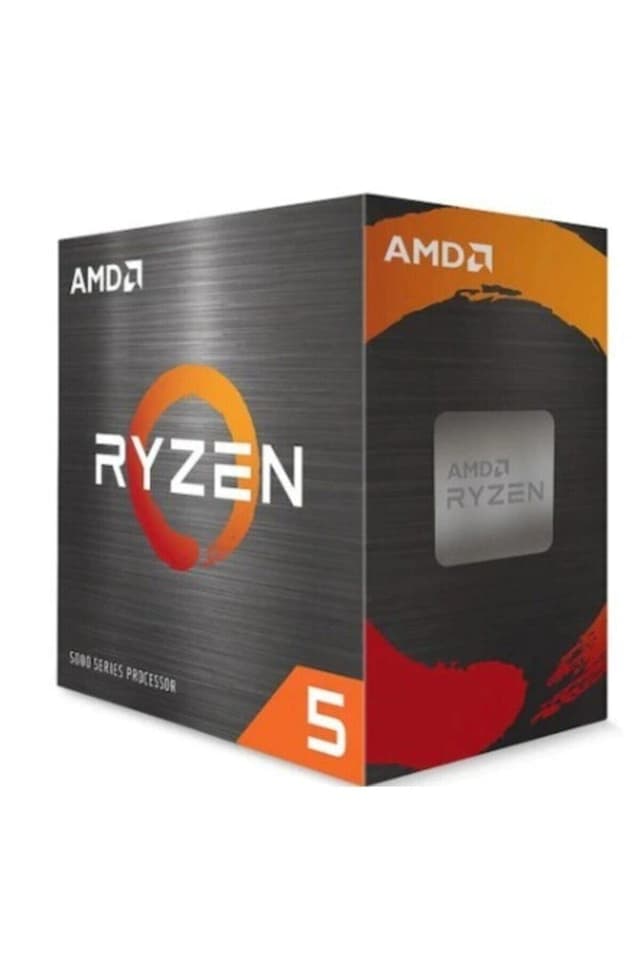
1. AMD Ryzen 5 5500
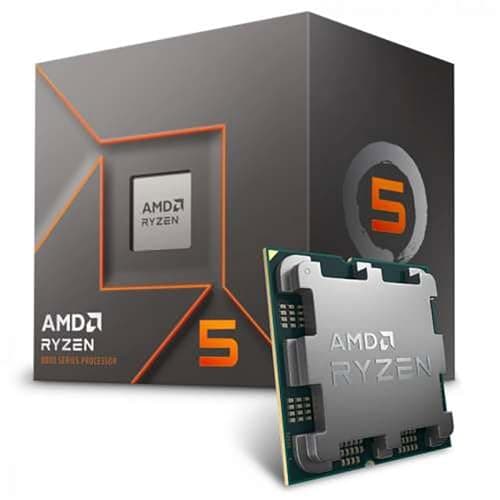
The Ryzen 5 5500 remains one of the most affordable options for solid 1080p gaming. With 6 cores and 12 threads, it handles modern games at high settings without bottlenecking mid-range graphics cards. Power efficiency is respectable at 65W, keeping cooling costs minimal. This processor offers genuine value for budget-conscious gamers.
2. Intel Core i5-12400F
This 12th-gen Intel chip delivers excellent gaming performance with 6 performance cores and 4 efficiency cores. The F-variant lacks integrated graphics but costs less, making it ideal if you already own a dedicated GPU. It matches or exceeds the Ryzen 5 5500 in most games at under £180 typically. Base clock speeds are high, minimising the need for aggressive overclocking.
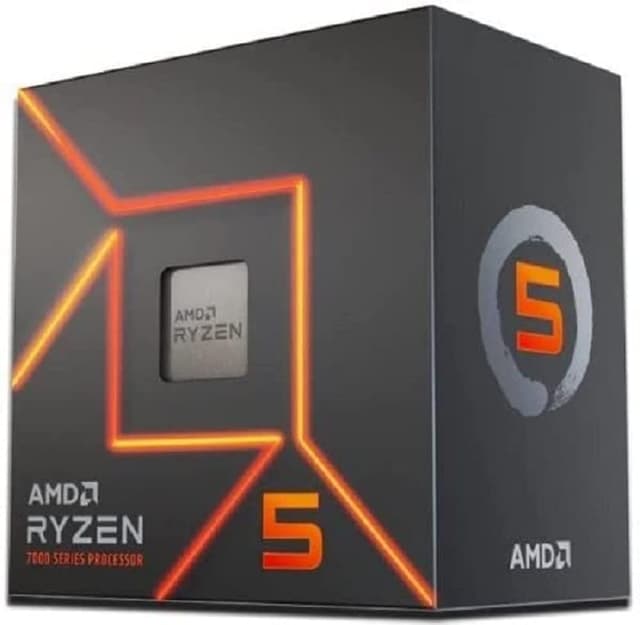
3. AMD Ryzen 5 7500F
For those wanting newer architecture without breaking the bank, the Ryzen 5 7500F offers Zen 4 performance at a sub-£200 price point. Six cores and 12 threads handle 1440p gaming competently when paired with appropriate GPUs. Slightly higher power consumption than previous generations is offset by better instructions-per-cycle efficiency.
4. Intel Core i5-13400F
The 13th-gen refresh improves upon the 12400F with better clock speeds and refined performance. Ten cores total (six P-cores, four E-cores) provide ample headroom for gaming and light productivity work. DDR5 support opens upgrade paths down the line, though DDR4 versions remain cheaper and perform identically for gaming.
5. AMD Ryzen 7 5700
Eight cores and 16 threads make this a compelling choice for users wanting more multitasking capability alongside gaming. Gaming performance sits between the Ryzen 5 5500 and higher-tier processors. Integrated graphics in some variants add flexibility, though most gaming builds pair this with discrete GPUs.
6. Intel Core i3-13100F
The most budget-friendly option here starts around £110-130, leaving room in the budget for better GPU investment. Four P-cores and four E-cores deliver adequate gaming performance at 1080p with settings adjusted appropriately. This makes sense only if your gaming demands are modest or you prioritise GPU spending.
7. AMD Ryzen 5 5600
Similar core count to the 5500 but with slightly higher clocks and better cache configuration. The Ryzen 5 5600 performs approximately 5-10 per cent better in gaming loads. Availability varies by retailer, but when in stock near the £160-180 mark, it represents solid value.
Buying Guide: Gaming CPU Selection Under £200
Choose based on your current graphics card and target resolution. For 1080p gaming, any processor here paired with a GTX 1650 or better delivers smooth 60+ fps experiences. At 1440p, pair Ryzen 5 7500F or i5-12400F with RTX 3070 or equivalent cards for optimal results. Check motherboard compatibility before purchasing: Ryzen 5000-series need AM4 sockets, Ryzen 7000 require AM5, while Intel 12th and 13th gen need LGA1700 boards. Consider your total system budget and whether you need integrated graphics (important if building without a dedicated GPU initially). Reviews from reputable tech outlets often benchmark these specific pairings, so match your GPU selection to your chosen CPU for reliable guidance.