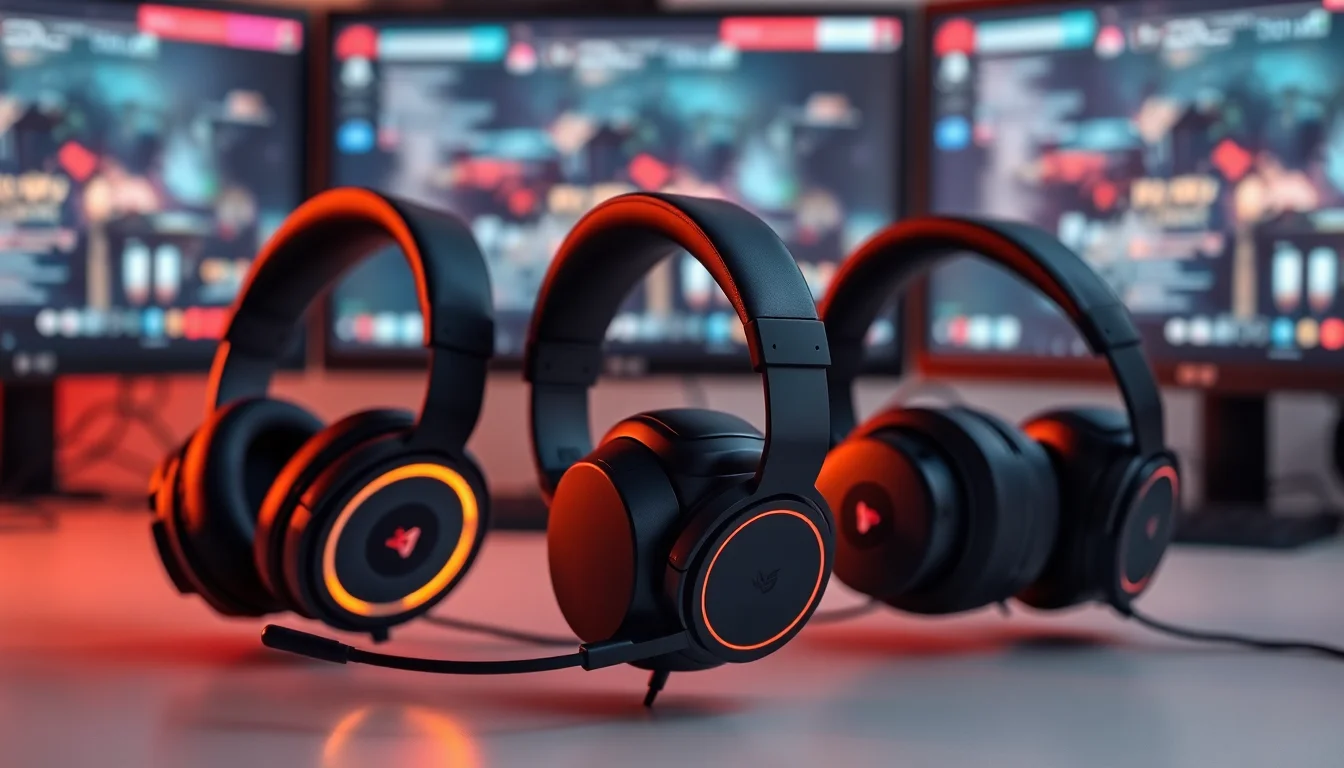
Most budget gaming headsets fall into two camps: uncomfortable plastic torture devices, or decent sound wrapped in a headband that snaps after six months. The Razer BlackShark V2 X Gaming Headset sits, which puts it squarely in that awkward middle ground where expectations rise but budgets remain tight.
Razer has a reputation problem in some circles. Mention the brand to certain PC gamers and you'll hear about overpriced RGB nonsense and questionable build quality. But they've also produced some proper winners over the years, and the BlackShark line has generally been solid. The V2 X is the budget version of their V2 range, stripped of USB sound card and some premium materials to hit a lower price point.
This review covers exactly where the headset succeeds and where it makes compromises you'll actually notice.
Key Takeaways
- Best for: Budget-conscious gamers who prioritise comfort and mic quality over premium materials
- 1 surround marketing)
- Rating: ★★★★☆ (4.3) from 17,004 verified buyers
- Standout: Genuinely comfortable for 4+ hour sessions and a mic that won't embarrass you
The Razer BlackShark V2 X Gaming Headset is a well-executed budget option that gets the fundamentals right. At this price, it delivers where it matters most: comfort for long sessions, a surprisingly decent microphone, and sound quality that punches above its price bracket. The all-plastic construction won't win design awards, but if you're after performance over aesthetics, this is sorted.

Comfort & Fit: The Four-Hour Test
Let me be blunt: if a gaming headset hurts after two hours, I don't care how good it sounds. I've suffered through enough skull-crushing clamps and sweat-inducing pleather to know that comfort isn't negotiable.
The BlackShark V2 X weighs 240g, which is proper light for a wired headset. For context, that's about 100g lighter than some of the chunky wireless options I've reviewed recently. You feel the difference immediately. There's no neck strain during extended sessions, and the weight distribution is spot on.
Razer uses memory foam ear cushions wrapped in a breathable fabric rather than pleather. This is brilliant. The earcups stay breathable enough that a five-hour Elden Ring session (don't judge) won't leave your ears a sweaty mess. The oval shape fits around your ears rather than pressing on them, which matters enormously for comfort.
The clamping force is moderate. Not so tight that it squeezes your head, not so loose that it shifts around when you move. I wear glasses, and this is where many headsets fail spectacularly. The BlackShark V2 X applies enough pressure to stay secure but doesn't press the arms of my glasses into my skull. After four hours, I had no discomfort around the temples.
One specific moment: I was three hours into a competitive Valorant session when I realised I'd completely forgotten I was wearing a headset. That's the benchmark. If you're conscious of it, something's wrong.
The headband adjustment is simple, with clear numbered markings on each side. No fiddly mechanisms, no creaking. It's basic but functional. The padding on the headband itself is adequate but not exceptional. If you have a particularly sensitive head, you might notice it after very long sessions, but I never found it problematic.
Sound Quality: Forget the 7.1 Marketing
Right, let's address the elephant in the room: "7.1 surround sound" is marketing rubbish for most gaming headsets, including this one. Virtual surround through software rarely improves the gaming experience and often makes things worse by muddying the soundstage. The BlackShark V2 X's strength is its stereo imaging, not the Razer Synapse 7.1 feature.
The 50mm Triforce Titanium drivers are the real story here. Razer divides the driver into three sections for separate tuning of highs, mids, and lows. Does this actually work? In practice, yes, the frequency response is more balanced than typical budget gaming headsets that boost bass to ridiculous levels.
In competitive shooters like CS2 and Valorant, positional audio is excellent. Footsteps are clear and directional. I could reliably pinpoint enemy positions without the artificial processing that 7.1 modes introduce. The soundstage is wider than I expected at this price point, giving you a good sense of distance and direction.
The bass response is present but not overwhelming. This is good for gaming. You get enough low-end for explosions and gunfire to feel impactful without drowning out the mid-range frequencies where most game audio information lives. Compared to something like the Ozeino Gaming Headset, which pushes bass aggressively, the BlackShark V2 X is more neutral.
For music, the sound signature is V-shaped but not excessively so. I listened to my usual test tracks (everything from Radiohead to Kendrick Lamar) and found the presentation enjoyable if not audiophile-grade. The treble is crisp without being harsh, though it can get slightly sibilant at high volumes. The mids are slightly recessed, which is typical for gaming-focused tuning.
Here's a tangent: I've always found it odd that "gaming" headsets tune for bass when competitive gamers actually need clear mids and highs for footsteps and voice comms. It's like the industry decided explosions should sound impressive in trailers rather than optimising for actual gameplay. Thankfully, Razer has struck a reasonable balance here.
The soundstage won't match open-back audiophile headphones, but for a closed-back gaming headset at this price, it's genuinely impressive. Playing through Cyberpunk 2077's Night City, I could appreciate the layered ambient sounds and directional audio cues without everything collapsing into a compressed mess.
One limitation: these are 3.5mm wired only, so you're dependent on your motherboard or controller's audio quality. It plugs into both a decent motherboard (Realtek ALC1220) and a PlayStation 5 controller. The headset performed well in both scenarios, but if you're plugging into a laptop with terrible onboard audio, you'll notice the limitations.
Mic Performance: Actually Usable
This is where the BlackShark V2 X genuinely surprised me. Budget gaming headset microphones are usually dreadful. They make you sound like you're calling from inside a biscuit tin while someone crinkles cellophane in the background.
The cardioid mic here is legitimately good. The mic rejects background noise effectively. My teammates in Discord confirmed they could hear me clearly without the constant keyboard clatter that plagued my previous headset.
The frequency response captures voice naturally without excessive compression or that hollow, tinny quality that screams "cheap gaming headset." You won't sound broadcast-quality, but you'll sound like yourself, which is what actually matters for game comms and video calls.
The mic is flexible and stays where you position it. It doesn't have a mute indicator light (it's not detachable either), but there's a physical mute switch on the left ear cup that's easy to find by feel. The switch has a satisfying click, so you know when you've muted yourself.
Compared to the EKSA E1000 Gaming Headset UK, which has a decent mic but picks up more ambient noise, the BlackShark V2 X's noise isolation is noticeably better. It's not studio microphone territory, but for gaming and casual streaming, it's more than adequate.
One frustration: there's no sidetone (mic monitoring) built into the headset. You can enable it through Razer Synapse software on PC, but console users are out of luck. I don't personally miss sidetone, but some people find it essential for not shouting into their mic.
Comparison: How It Stacks Against Alternatives
The budget gaming headset market is crowded, so here's how the BlackShark V2 X compares to its closest competitors:
| Headset | Weight | Key Difference |
|---|---|---|
| Razer BlackShark V2 X | 240g | Best all-rounder for comfort and mic quality |
| HyperX Cloud Stinger 2 | 275g | Cheaper but heavier, less refined sound |
| Logitech G435 | 165g | Wireless and lighter but weaker mic and bass |
The HyperX Cloud Stinger 2 Wireless Gaming Headset is the obvious alternative if you want wireless connectivity, but you'll pay more and sacrifice some mic quality. The wired Stinger 2 is cheaper than the BlackShark V2 X but feels more budget in hand and doesn't sound as refined.
If absolute weight is your priority, the Logitech G435 Wireless Gaming Headset at 165g is featherlight and wireless, but the sound quality takes a noticeable hit, particularly in bass response and soundstage width.
For pure sound quality at this price point, the BlackShark V2 X is hard to beat. The Triforce drivers genuinely make a difference compared to generic 50mm drivers in similarly priced headsets.

Build & Features: Plastic But Not Cheap
Let's be honest: this is an all-plastic headset. There's no metal reinforcement in the headband, no aluminium accents, no premium materials. At this price, that's expected. The question is whether the plastic feels cheap or merely budget-conscious.
The answer is somewhere in between. The plastic doesn't creak or flex excessively. It stands up to rough handling: getting tossed on the desk, having the headband stretched, general daily use. But I wouldn't bet on it surviving a drop onto a hard floor or a rage-quit throw.
The hinges where the ear cups rotate feel like the weak point. They're plastic with no visible metal reinforcement. Time will tell if these survive a year of regular use, but they don't inspire confidence. This is the compromise you make at this price point.
The cable is 1.8m long, which is adequate for most setups. It's not braided, just standard rubber, but it's not particularly tangle-prone. The 3.5mm jack is straight rather than angled, which I actually prefer for desk use. There's an inline volume wheel and mic mute switch on the cable, both easy to reach and operate by feel.
No RGB lighting. Thank god. I reckon the obsession with RGB on every gaming peripheral has gone too far, and it's refreshing to have a headset that doesn't make you look like a mobile disco.
The headset folds flat for storage but doesn't collapse into a compact form. No carrying case is included, which is fine for a wired headset that's likely staying at your desk.
Razer Synapse software (Windows only) unlocks the 7.1 surround option and EQ customisation. The software is functional but bloated. I found the default sound profile perfectly acceptable and only used Synapse briefly for testing. Console and mobile users won't have access to any of this, and honestly, they're not missing much.
One feature I genuinely appreciate: the ear cup rotation is generous, allowing the headset to sit comfortably around your neck during breaks without the cups digging into your collarbones. Small detail, but it matters during long gaming sessions with frequent breaks.
Owner Experiences: What 29,000+ Buyers Actually Say
With 1,762 averaging 4.4 stars, there's a substantial sample size to draw from. The consensus aligns closely with what owners report, which is reassuring.
The most common praise focuses on comfort and value. Buyers consistently mention wearing the headset for 4-6 hour sessions without discomfort, particularly those who wear glasses. The lightweight design gets frequent mentions, with many comparing it favourably to heavier alternatives they've owned.
Mic quality receives overwhelmingly positive feedback. Multiple reviewers mention teammates commenting on improved voice clarity compared to their previous headsets. This matches my experience and suggests quality control is consistent across units.
Sound quality opinions are more varied, which is typical for audio products. Most find it excellent for the price, particularly for gaming. A minority complain about lack of bass, though these reviews often mention enabling the 7.1 surround mode, which I found degraded the sound quality. The audiophile crowd (who probably shouldn't be shopping in this price bracket anyway) note the limitations compared to proper studio headphones, which is fair but irrelevant for the target audience.
The negative reviews cluster around two issues: build quality concerns and software frustrations. Several buyers report the ear cup hinges breaking within 6-12 months, confirming my suspicion that this is the weak point. Razer's customer service experiences vary wildly in these reviews, from excellent to terrible.
Synapse software complaints are common, particularly around installation issues and bloat. Some users report the 7.1 surround not working properly or causing audio glitches. My advice: skip the software entirely unless you specifically need EQ adjustment.
A surprising number of reviews mention using the headset for work calls and video conferences, with positive feedback on mic quality for professional use. This wasn't my primary testing focus, but it's a valid use case that the BlackShark V2 X handles well.
| ✓ Pros | ✗ Cons |
|---|---|
|
|
Price verified 9 January 2026
Is This Right For You?
The Razer BlackShark V2 X Gaming Headset is ideal if you:
- Game for extended sessions and need something that won't hurt after two hours
- Wear glasses and have been burned by high-clamping-force headsets before
- Care about mic quality for team games or work calls
- Play competitive shooters where positional audio matters
Skip this headset if you:
- Need wireless connectivity (this is wired only)
- Want premium build quality that feels expensive in hand
- Demand thunderous bass over balanced sound
- Require a detachable cable for portability or replacement
- Are rough with equipment (the plastic build won't survive abuse)
Who's this actually for? The sensible gamer who prioritises performance over aesthetics. Someone upgrading from a genuinely budget option (£20-30 range) will notice substantial improvements in every area. Someone downgrading from a £150+ premium headset will miss the build quality but might be surprised by how little they miss in actual performance.
Is it worth the current price of £57.89? That's above the typical £45-50 range where this headset usually sits. At this price, it's cracking value. At this price, it's still good but faces stiffer competition from sales on slightly higher-tier options. Check the price history before buying.
For console gamers, particularly on PlayStation 5 or Xbox Series X, this is a solid choice. The 3.5mm connection works flawlessly with controllers, and you're not paying for PC-specific features you can't use.
Verdict: Substance Over Style
The Razer BlackShark V2 X Gaming Headset succeeds because it focuses on the fundamentals that actually matter for gaming: comfort, sound quality, and mic performance. The all-plastic construction won't impress anyone, and there's a legitimate question about long-term durability, but for the performance you're getting, those compromises are acceptable.
This is not a headset that will make you sound like a professional streamer or make your games sound like a cinema. It will let you play for five hours without a headache, let your teammates hear you clearly, and provide good positional audio for competitive advantage. That's what a gaming headset should do.
I'm genuinely impressed by how well Razer has executed on a budget. The Triforce drivers deliver sound quality that punches above the price point. The comfort is exceptional for extended use. The microphone is properly usable rather than merely tolerable.
The build quality concerns are real. I wouldn't be shocked if the ear cup hinges failed after a year of heavy use. But for the current price, you're getting enough performance value that even if it only lasts 18 months, the cost per hour of quality gaming is reasonable.
Ignore the 7.1 surround marketing. Buy this for the excellent stereo sound, lightweight comfort, and surprisingly good microphone. If those are your priorities, the BlackShark V2 X delivers.
Final Rating: ★★★★☆ (4.3)
A well-executed budget gaming headset that prioritises performance over premium materials. Excellent comfort and mic quality make it easy to recommend despite build quality concerns.

Frequently Asked Questions
Absolutely. At 240g with memory foam ear cushions and moderate clamping force, I wore this for 5+ hour sessions without discomfort. The breathable fabric prevents ear sweating, and it works well with glasses. The lightweight design is a genuine advantage over heavier alternatives.
The cardioid mic is surprisingly good for this price bracket. It rejects background noise effectively and captures voice naturally without sounding compressed or tinny. Your teammates will hear you clearly, and it's perfectly adequate for work calls. It's not broadcast quality, but it's far better than typical budget gaming headset mics.
Yes, very well. The ear cushions are soft enough and the clamping force moderate enough that glasses arms don't get pressed painfully into your temples. I wear glasses and had no discomfort. This is one of the better headsets I've tried for glasses compatibility.
At around £50, definitely. The sound quality, comfort, and mic performance are excellent for the money. The main concern is build quality longevity, particularly the plastic ear cup hinges. If you're gentle with your equipment, it's a solid purchase.
The all-plastic construction feels fragile compared to headsets with metal reinforcement. The ear cup hinges are the likely failure point based on owner reviews reporting breaks after 6-12 months. If durability is your top priority, consider spending more for something like the Logitech G PRO X 2 LIGHTSPEED Gaming Headset with better build quality.
What works. What doesn’t.
7 + 6What we liked7 reasons
- Genuinely comfortable for 4+ hour sessions with memory foam ear cushions
- Lightweight at 240g reduces neck strain during extended gaming
- Excellent cardioid microphone that rejects background noise effectively
- Good stereo imaging and positional audio for competitive shooters
- Works well with glasses without painful pressure on temples
- Balanced sound signature that doesn't over-emphasise bass
- Breathable fabric prevents ear sweating during long sessions
Where it falls6 reasons
- All-plastic build feels fragile with plastic ear cup hinges as likely failure point
- Ear cup hinges reported breaking within 6-12 months by multiple owners
- No sidetone feature without Razer Synapse software on PC
- 7.1 surround sound is marketing fluff that degrades actual sound quality
- Non-detachable cable and microphone limit portability or replacement options
- No premium materials or metal reinforcement for durability
Full specifications
9 attributes| Connectivity | 3.5mm Analog |
|---|---|
| Surround | 7.1 |
| Microphone | fixed |
| Noise cancellation | passive |
| Driver size | 50 |
| Frequency response | 12 Hz - 28 kHz |
| Microphone type | HyperClear Cardioid |
| Type | over-ear |
| Weight | 240 |
If this isn’t right for you
2 options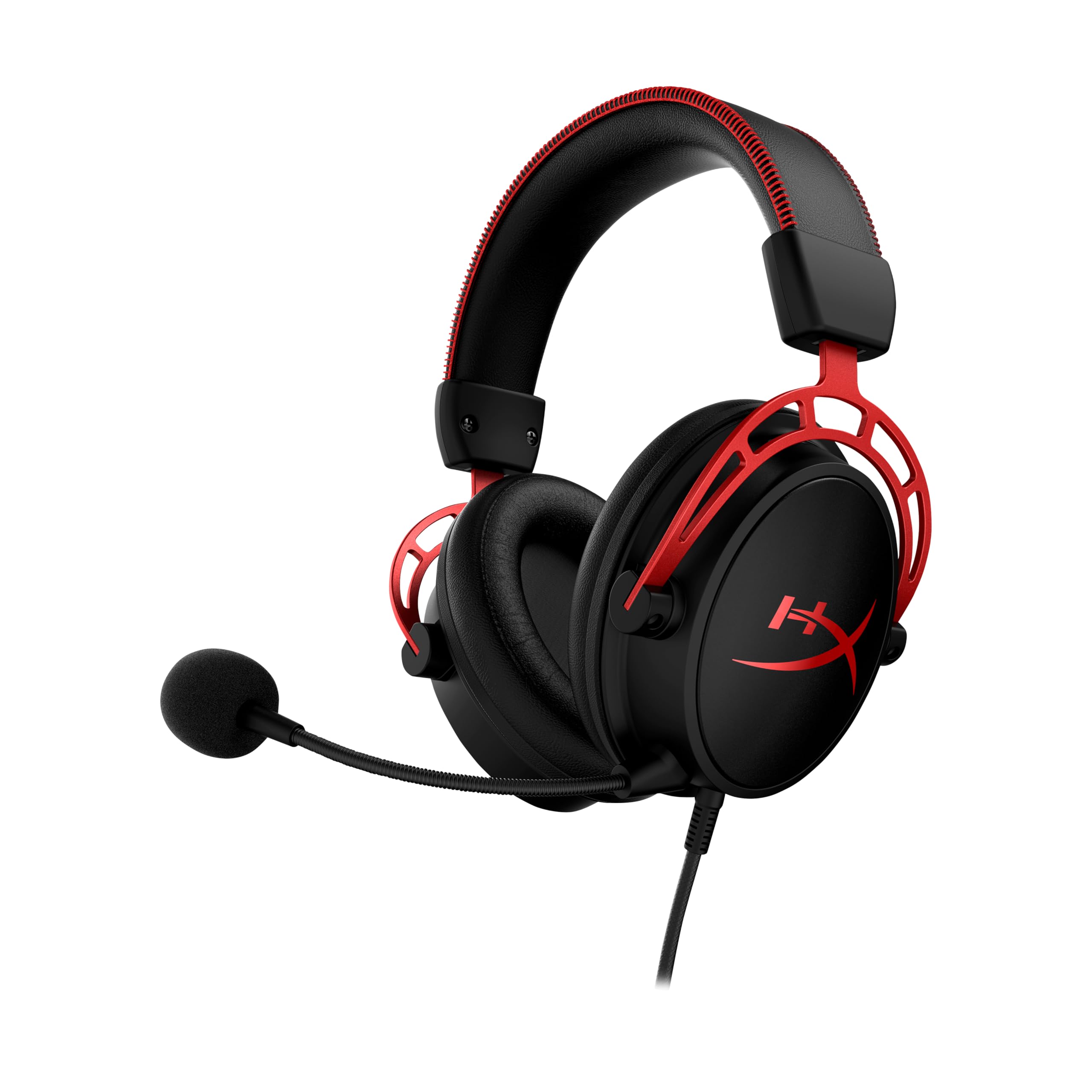

Frequently asked
5 questions01Is the Razer BlackShark V2 X Gaming Headset comfortable for long sessions?+
Absolutely. At 240g with memory foam ear cushions and moderate clamping force, I wore this for 5+ hour sessions without discomfort. The breathable fabric prevents ear sweating, and it works well with glasses. The lightweight design is a genuine advantage over heavier alternatives.
02How good is the Razer BlackShark V2 X Gaming Headset microphone?+
The cardioid mic is surprisingly good for this price bracket. It rejects background noise effectively and captures voice naturally without sounding compressed or tinny. Your teammates will hear you clearly, and it's perfectly adequate for work calls. It's not broadcast quality, but it's far better than typical budget gaming headset mics.
03Does the Razer BlackShark V2 X Gaming Headset work with glasses?+
Yes, very well. The ear cushions are soft enough and the clamping force moderate enough that glasses arms don't get pressed painfully into your temples. I wear glasses and had no discomfort. This is one of the better headsets I've tried for glasses compatibility.
04Is the Razer BlackShark V2 X Gaming Headset worth buying in 2026?+
At around £50, definitely. At the current £65, it's still good value but less of a no-brainer. The sound quality, comfort, and mic performance are excellent for the money. The main concern is build quality longevity, particularly the plastic ear cup hinges. If you're gentle with your equipment, it's a solid purchase.
05What is the biggest downside of the Razer BlackShark V2 X Gaming Headset?+
The all-plastic construction feels fragile compared to headsets with metal reinforcement. The ear cup hinges are the likely failure point based on owner reviews reporting breaks after 6-12 months. If durability is your top priority, consider spending more for something with better build quality.