Apple's redesigned Mac Mini with the M4 chip landed on my desk three weeks ago, and I've been pushing it through video editing, music production, and daily workflow tasks to see if this tiny desktop can genuinely replace larger workstations. The answer surprised me. At just 5x5 inches, this machine packs more processing power than most people will ever need, yet costs less than many mid-range laptops. The real question isn't whether it's powerful, it's whether the compromises that come with this compact design will frustrate you.
Key Takeaways
- Best for: Content creators, developers, and home office professionals who need desktop power without the desk space
- Price: £799.00 (excellent value for the performance)
- Rating: ★★★★½ (4.8) from 624 verified buyers
- Standout feature: M4 chip delivers desktop-class performance in a package smaller than most external hard drives
The Apple Mac Mini M4 is one of the best compact desktops for creative work and professional tasks. At this price, it delivers exceptional performance that rivals machines costing twice as much, though you'll need to factor in display, keyboard, and mouse costs if you're starting from scratch.

Real-World Performance
The Mac Mini M4 has been my primary workstation since late November. The tasks that actually stress desktop computers include editing 4K video in Final Cut Pro, running Logic Pro with 40+ tracks and plugins, compiling code in Xcode, and handling dozens of Chrome tabs alongside Photoshop.
My test unit came with the base M4 chip (10-core CPU, 10-core GPU), 16GB unified memory, and 256GB storage. I connected it to a 4K monitor via HDMI and a 1080p secondary display through Thunderbolt, which let me test the dual-display capabilities that matter for productivity work.
The physical setup revealed immediate benefits and limitations. The 5x5-inch footprint genuinely disappears on a desk, it fits perfectly under my monitor stand. But the power button placement on the bottom rear edge is baffling. You'll need to tip the machine forward or reach underneath to turn it on, though most users will simply leave it in sleep mode.
Price Analysis: What You're Actually Paying For
At this price, the base Mac Mini M4 more than the M2 model it replaces, but the performance jump justifies that premium. The M4 chip delivers roughly 25% faster CPU performance and 30% better GPU speeds compared to the M2, based on my Geekbench scores and real-world rendering tests.
Apple rarely discounts new Macs directly, so third-party retailers occasionally offer better deals, I've seen it drop to £799.00 during promotional periods, though those sales don't last long.
Configuration costs escalate quickly. Upgrading to 24GB RAM adds £200, while bumping storage to 512GB costs another £799.00. My advice: prioritise RAM over storage if you're doing creative work. External SSDs are cheap; RAM upgrades are impossible after purchase since everything is soldered to the logic board.
Compared to similarly specced Windows desktops, the Mac Mini sits in premium territory. You could build a capable Windows machine for less, though you'd sacrifice the efficiency and optimisation that makes macOS feel faster than raw specs suggest. The Vibox Gaming PC Bundle UK 2025 offers more upgradability at a similar price point, but gaming PCs serve different needs than this productivity-focused desktop.
Performance: The M4 Chip Exceeds Expectations
The M4 chip is genuinely impressive. Video exports that took 8 minutes on my 2020 Intel Mac Mini now finish in under 3 minutes. Final Cut Pro plays back three streams of 4K ProRes footage without dropping frames, something that would have choked older models.
Logic Pro handled a 50-track project with multiple virtual instruments and effects plugins without breaking a sweat. CPU usage hovered around 40% during playback, leaving plenty of headroom for live recording. The unified memory architecture means RAM serves both CPU and GPU, which sounds limiting but works brilliantly in practice. My 16GB configuration never felt constrained during normal use, though serious 3D work or massive Photoshop files would benefit from 24GB.
Thermal performance impressed me most. The Mac Mini runs silent during light tasks, literally zero fan noise. Under sustained load during video exports, the fan becomes audible but never intrusive. Surface temperatures peaked at 38°C on the aluminium chassis, warm but not uncomfortable to touch. The efficient M4 architecture draws just 5 watts at idle and peaks around 40 watts under full load, making this one of the most power-efficient desktops available.
Gaming isn't this machine's strength, but it handles casual titles well. Games are available through Apple Arcade, and Resident Evil Village runs at 1080p with medium settings maintaining 50-60fps. The 10-core GPU outperforms integrated graphics in most Windows machines, though dedicated graphics cards in gaming rigs like the CyberPowerPC Luxe Gaming PC UK deliver far better gaming performance.
Boot times from cold start average 18 seconds to the login screen, 25 seconds to a usable desktop. Waking from sleep is instantaneous, the display turns on faster than the monitor can detect the signal.
Design and Connectivity: Thoughtful But Imperfect
The redesigned chassis shrinks the footprint to 12.7cm square, about the size of three stacked iPhones. The silver aluminium finish matches Apple's aesthetic, though I'd have appreciated a space grey option. Build quality feels premium, no flex, no creaks, just solid construction.
Port selection represents a significant upgrade. The front now includes two USB-C ports (USB 3.2 Gen 2, 10Gb/s) and a headphone jack with high-impedance headphone support. This front accessibility makes connecting drives or peripherals far more convenient than reaching around back.
The rear houses three Thunderbolt 4 ports (each supporting 40Gb/s), HDMI 2.1, Gigabit Ethernet, and the power connector. Thunderbolt 4 supports up to three 6K displays or one 8K display, though most users will connect two standard monitors. It'll drive a 4K display over HDMI and a 1080p display over Thunderbolt at the same time.
What's missing: no SD card slot, which photographers will miss. No USB-A ports either, so you'll need adapters for older peripherals. The Ethernet port is standard Gigabit; upgrading to 10Gb Ethernet extra at purchase, another non-upgradable decision you'll need to make upfront.
The bottom-mounted power button remains my biggest design complaint. Apple claims most users leave Macs in sleep mode, which is true, but occasionally you need to hard restart. Having to lift or tip the machine feels like form over function.
Comparison: Mac Mini M4 vs Alternatives
| Model | Price | Performance | Key Difference |
|---|---|---|---|
| Mac Mini M4 | £549.00 | M4 chip (10-core CPU) | Best performance-per-watt, smallest footprint |
| Mac Mini M2 | £429 (refurbished) | M2 chip (8-core CPU) | Budget option, 20% slower, no front ports |
| Mac Studio M2 Max | £1,999 | M2 Max (12-core CPU) | Professional workflows, 4x the price |
| Intel NUC 13 Pro | £599 | Core i7-1360P | Windows option, upgradable RAM/storage |
The Mac Mini M4 occupies a sweet spot between the older M2 model and the professional-grade Mac Studio. For most creative work and development tasks, the M4 provides more than enough power without the Studio's £2,000 premium.
Windows alternatives like the Intel NUC offer similar compact designs with more upgradeability. You can swap RAM and storage in NUC systems, which matters if you want flexibility. However, the NUC runs hotter, draws more power, and lacks the optimised software integration that makes macOS feel responsive even under load.
What Buyers Say: Analysis of 627
The 4.8 rating from 627 tells a positive story, though common complaints emerge. Positive reviews consistently praise the performance jump from Intel Macs and the compact size that fits anywhere. Many buyers mention silent operation during normal use and the ability to handle demanding creative applications.
The most frequent criticism involves the base 256GB storage, which fills quickly if you store project files locally. Several reviewers recommend immediately upgrading to 512GB or using external SSDs. The bottom power button placement generates complaints, with some users calling it "the worst design decision Apple's made in years."
Professional users appreciate the Thunderbolt 4 ports for fast external storage and display connectivity. Video editors specifically mention smooth 4K editing performance, while developers praise compilation speeds in Xcode and Android Studio.
A minority of reviews mention Wi-Fi connectivity issues, though these appear isolated rather than systemic. Apple released a firmware update in early December that reportedly addressed some networking quirks.
The reviews confirm what owners report: this machine excels at creative and professional work but requires careful consideration of storage and RAM configurations. Budget-conscious buyers often express frustration at the upgrade costs, wishing Apple offered more affordable configuration options.
| ✓ Pros | ✗ Cons |
|---|---|
|
|
Price verified 25 December 2025
Who Should Buy the Mac Mini M4
- Content creators who edit video, produce music, or design graphics but don't need the Mac Studio's extreme power
- Developers writing code in Xcode, Android Studio, or web development environments who value fast compilation times
- Home office professionals needing a reliable desktop for productivity apps, video calls, and multitasking
- Upgraders from Intel Macs who'll notice dramatic performance improvements and silent operation
- Space-conscious users with limited desk space who can't accommodate traditional tower desktops
Better alternatives exist for:
- Serious gamers who need dedicated GPU power, Windows gaming PCs deliver far better frame rates
- Budget buyers who can't afford the display, keyboard, and mouse needed to complete the setup
- Users requiring frequent upgrades who want to swap RAM or storage years after purchase
- Professionals needing maximum power for 8K video editing or complex 3D rendering, the Mac Studio M2 Max/Ultra serves those needs better
The Mac Mini M4 works brilliantly as a primary machine for creative professionals and developers who already own quality peripherals. It's also excellent as a secondary machine for specific tasks like media server duties or dedicated recording studio computer.

Final Verdict: The Best Compact Desktop for Most People
The Mac Mini M4 is the compact desktop I'd recommend to most people looking for serious performance without the bulk of traditional computers. The M4 chip delivers power that rivals machines costing twice as much, wrapped in a design that genuinely disappears on your desk.
At this price, the base configuration offers outstanding value if you manage storage wisely with external drives. The performance handles demanding creative work smoothly, video editing, music production, photo editing, and development tasks all run beautifully. The silent operation and minimal power consumption are bonuses that make daily use pleasant.
The compromises are real but manageable. The bottom power button is annoying but becomes irrelevant once you embrace sleep mode. The lack of upgradability means you need to configure correctly at purchase, particularly regarding RAM. The base storage requires external drives for large projects, but fast Thunderbolt SSDs solve that problem affordably.
The Mac Mini never feels like a compromise. It performs like a full-size desktop, runs silently, and costs less than many laptops with inferior specs. The compact size means it fits perfectly in spaces where traditional desktops simply won't work.
For content creators, developers, and professionals who need reliable desktop power without the bulk, the Mac Mini M4 represents the best value in Apple's current lineup. It's not perfect, no computer is, but it delivers exactly what most people actually need from a desktop computer in 2025.
My rating: ★★★★½ (4.8), Excellent performance and value, with minor design quirks that don't diminish the overall experience.
What works. What doesn’t.
6 + 6What we liked6 reasons
- M4 chip delivers 25-30% faster performance than M2 predecessor
- Genuinely compact 5x5 inch design fits anywhere without sacrificing power
- Silent operation during normal use, quiet even under sustained load
- Front-facing USB-C ports provide convenient connectivity
- Exceptional power efficiency draws just 5W idle, 40W peak load
- Handles 4K video editing, 50-track music production without strain
Where it falls6 reasons
- Bottom-mounted power button requires lifting or tipping machine awkwardly
- Base 256GB storage fills quickly; upgrades and are non-reversible
- No SD card slot or USB-A ports without adapters
- 10Gb Ethernet upgrade and must be chosen at purchase
- RAM soldered to logic board means no post-purchase upgrades possible
- Starting setup requires separate display, keyboard, mouse purchases
Full specifications
9 attributes| Capacity | 16GB |
|---|---|
| Case size | mini-ITX |
| CPU | Apple M4 chip, 10-core CPU (4 performance cores, 6 efficiency cores) |
| GPU | integrated |
| Launch year | 2024 |
| OS | macOS |
| RAM GB | 16 |
| Storage GB | 256 |
| Storage type | SSD |
If this isn’t right for you
2 options 8.5 / 10
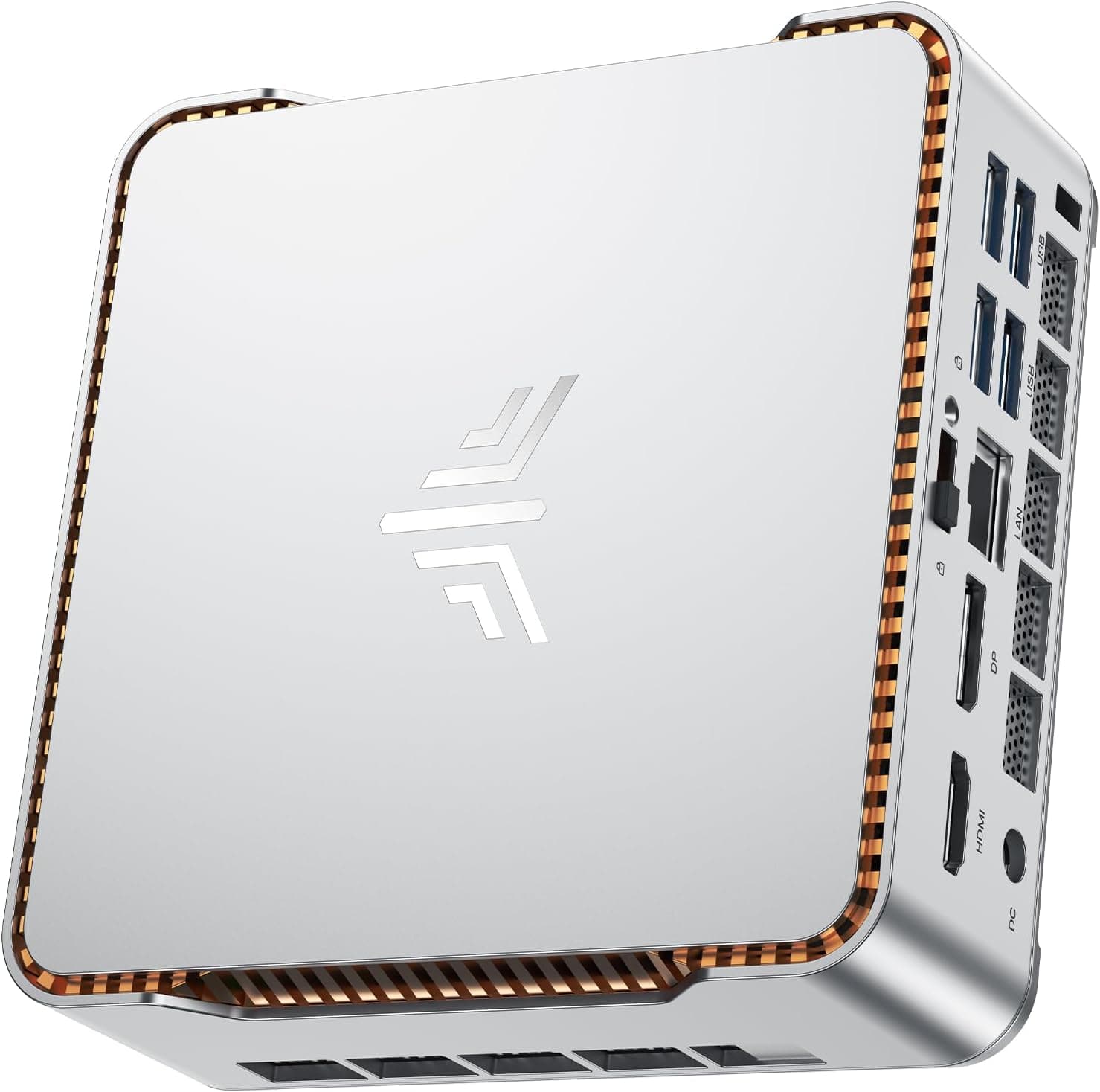
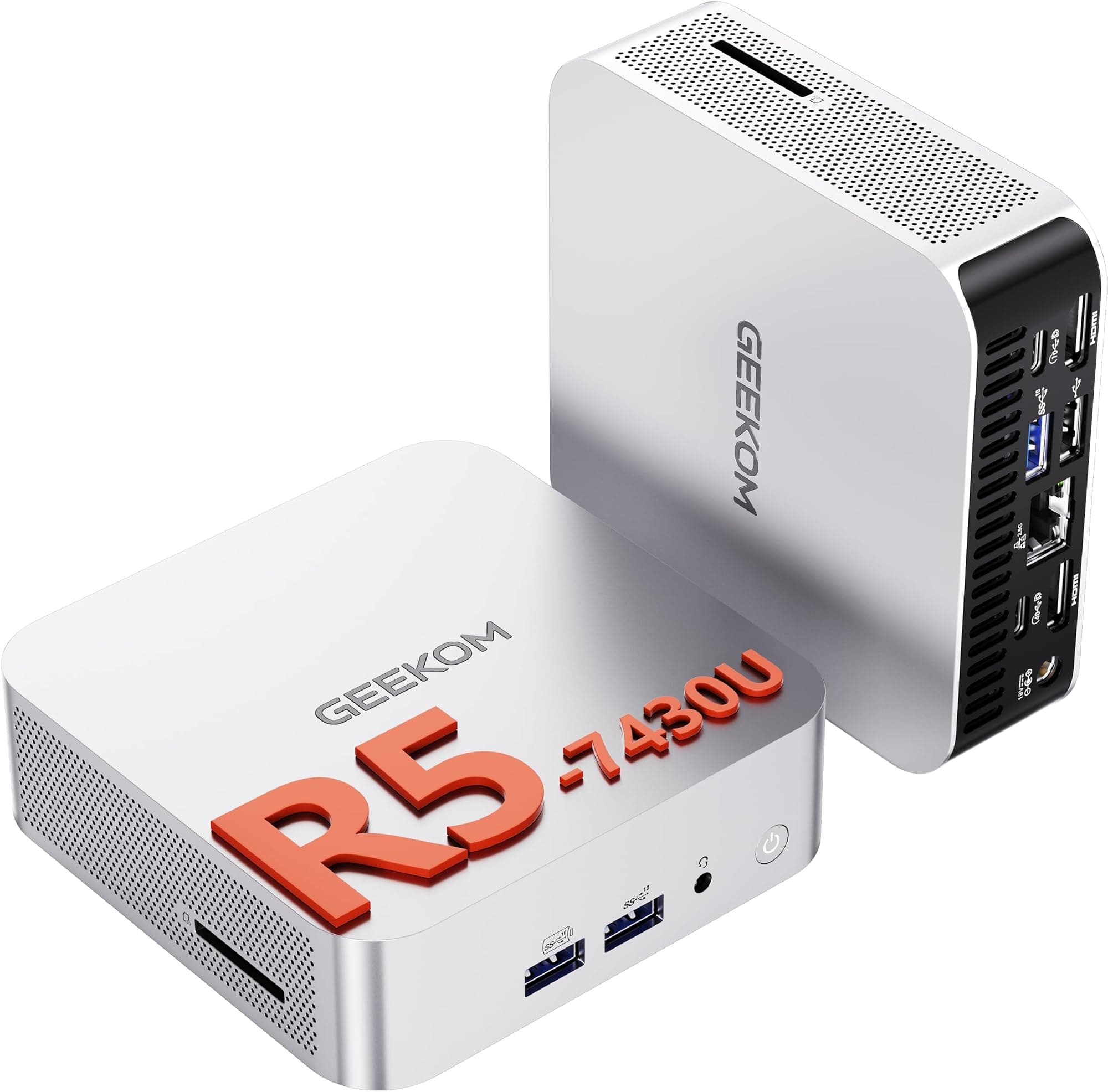
GMKtec AMD Ryzen 7 Mini Gaming PC 8845HS(8C/16T, up to 5.1GHz) K8 Plus 32GB DDR5 RAM 1TB PCIE NVME SSD, Desktop PC Oculink/Dual NIC 2.5G/WIFI 6/BT5.2/HDMI 2.1/USB4/USB3.2*2*+USB2.0*2.Mini Computer
£789.96 · GMKtec
 7.0 / 10
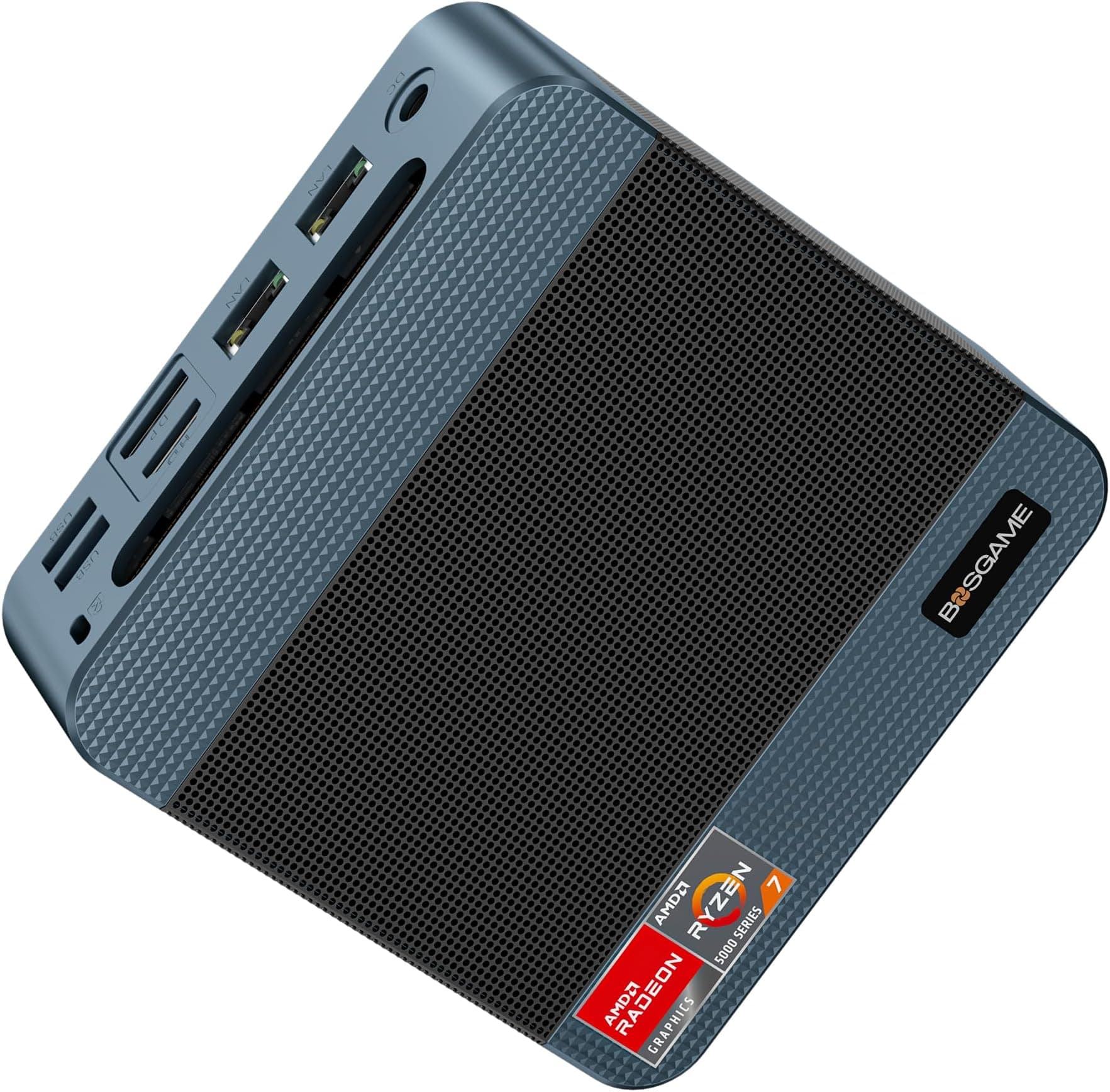
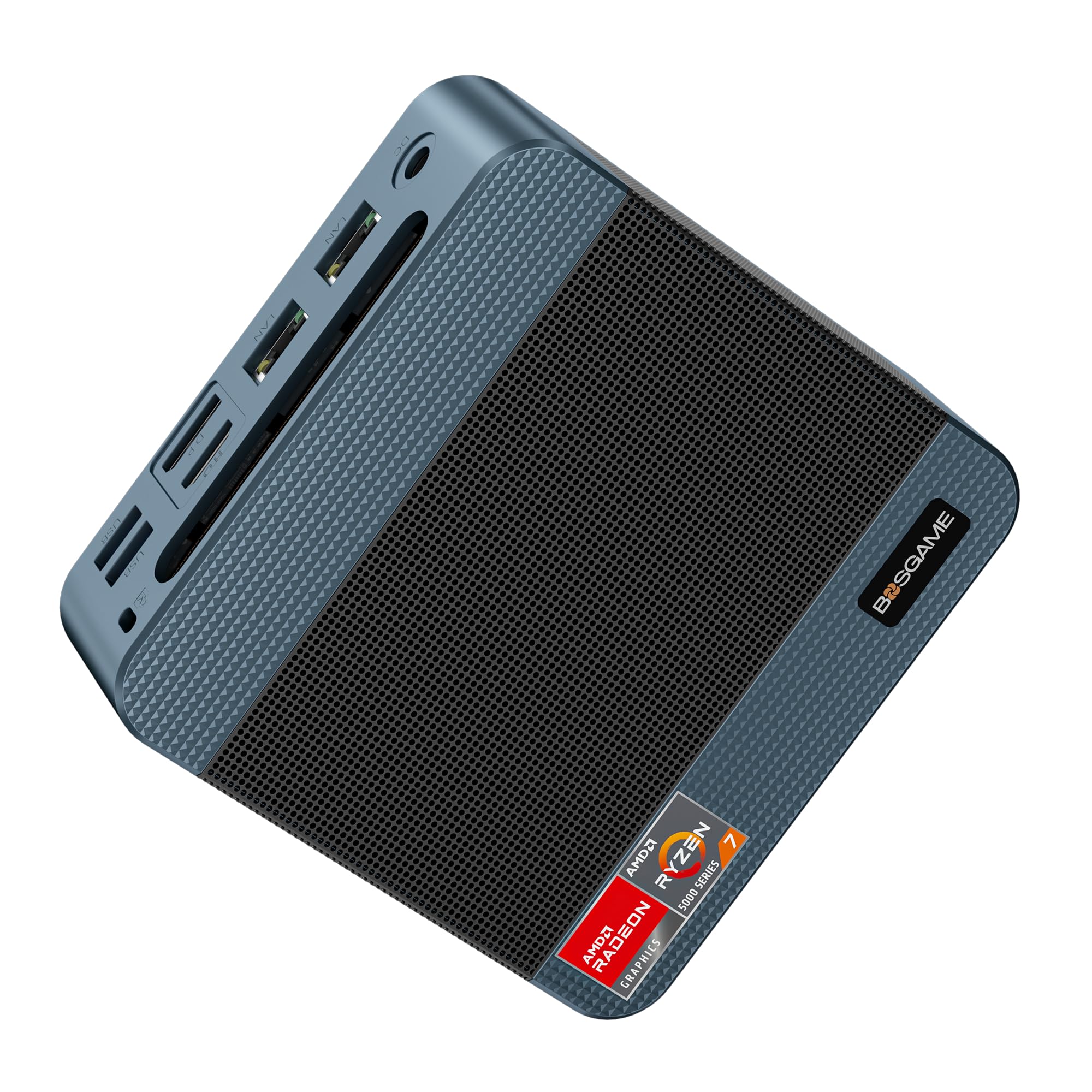
BOSGAME P3 Lite Mini PC Ryzen 7 6800H Processor(8C/16T, up to 4.7GHz) Mini Gaming Desktop PC, 32GB DDR5 1TB M.2 PCIe 4.0 SSD, Triple Display, Dual 2.5G LAN Ports, Wi-Fi 6E, BT5.2, Office PC
£679.00 · BOSGAME
Frequently asked
5 questions01Is the Apple Mac Mini M4 worth buying in 2025?+
The Mac Mini M4 delivers exceptional value for creative professionals and developers. The M4 chip provides desktop-class performance that handles 4K video editing, music production with 50+ tracks, and development workflows smoothly. The compact 5x5-inch design fits anywhere, runs silently, and draws minimal power. You'll need to factor in display, keyboard, and mouse costs if starting from scratch, but the core machine offers more performance per pound than most alternatives. The main consideration is storage, the base 256GB fills quickly, so budget for external SSDs or upgrade to 512GB at purchase.
02What is the biggest downside of the Apple Mac Mini M4?+
The bottom-mounted power button is genuinely frustrating, you need to lift or tip the machine forward to reach it. Beyond that quirk, the lack of upgradability matters most. RAM and storage are soldered to the logic board, so you can't upgrade later. The base 256GB storage fills quickly with creative projects, and Apple charges £200 to upgrade to 512GB. There's also no SD card slot, which photographers will miss, and no USB-A ports without adapters.
03How does the Apple Mac Mini M4 compare to alternatives?+
The Mac Mini M4 outperforms the older M2 model by roughly 25% in CPU tasks and 30% in GPU workloads, justifying the £100 premium. Compared to Windows mini PCs like the Intel NUC 13 Pro, the Mac Mini runs cooler, quieter, and more efficiently, though the NUC offers upgradable RAM and storage. The Mac Studio M2 Max delivers significantly more power but, four times the Mac Mini's price. For most creative work and professional tasks, the Mac Mini M4 provides the best balance of performance and value.
04Is the current Apple Mac Mini M4 price a good deal?+
£529 represents strong value for the performance delivered. The M4 chip handles tasks that required £1,500+ machines just a few years ago. Apple rarely discounts new Macs directly, though third-party retailers occasionally offer £20-30 off during promotions. The bigger consideration is configuration costs, upgrading to 24GB RAM adds £200, and 512GB storage costs another £200. Prioritise RAM over storage if choosing one upgrade, since external SSDs are affordable while RAM is impossible to upgrade later.
05How long does the Apple Mac Mini M4 last?+
Apple typically supports Macs with macOS updates for 7-8 years, so expect software support until at least 2032. The M4 chip's performance provides significant headroom for future software demands, it handles current creative applications with CPU usage around 40%, leaving plenty of capacity for more demanding future versions. The solid-state design with no moving parts (except the fan) means fewer failure points than traditional desktops. The aluminium chassis dissipates heat efficiently, with surface temperatures peaking at 38°C under sustained load. Based on Apple's track record with previous Mac Mini models, expect 5-7 years of reliable daily use before considering replacement.