You're shopping for a CPU cooler, and the spec sheets all look identical. TDP ratings, fan speeds, decibel measurements, they tell you nothing about what actually happens when you bolt one of these things onto your processor and start gaming. The Thermalright Peerless Assassin 120 SE works across multiple CPU configurations and goes up against coolers that cost twice as much. Here's what the numbers don't tell you.
The Problem This Cooler Solves
Modern CPUs run hot. Properly hot. An Intel Core i7 or AMD Ryzen 7 under load can easily push 80-90°C with a stock cooler, throttling performance and sounding like a jet engine in the process. You need better cooling, but here's the catch: most high-performance tower coolers cost £60-100, which is a significant chunk of a mid-range build budget.
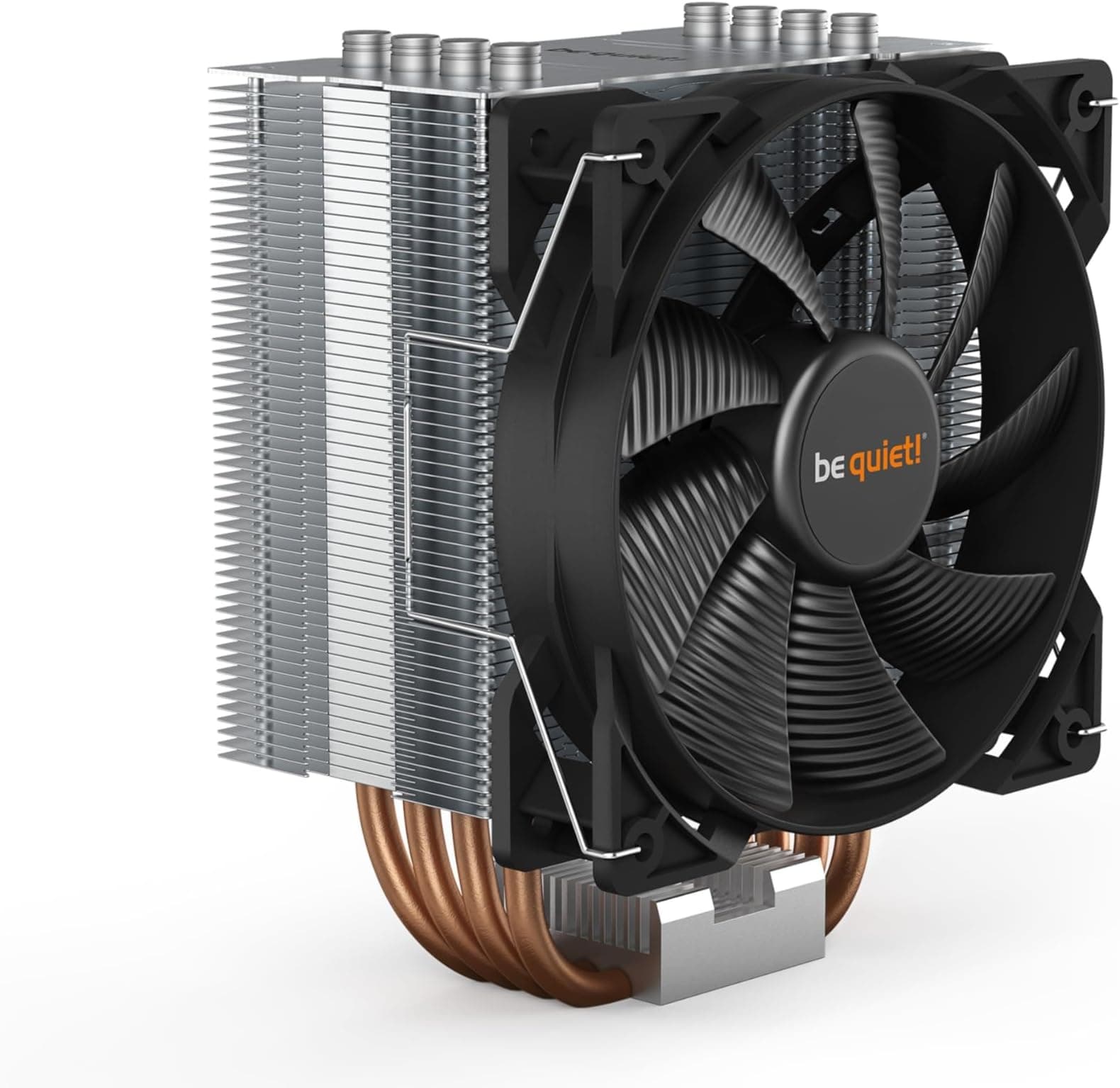
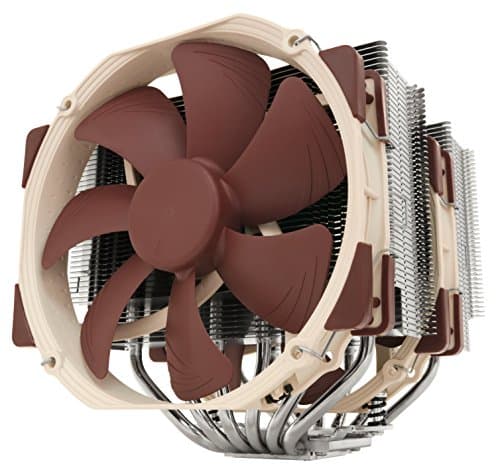
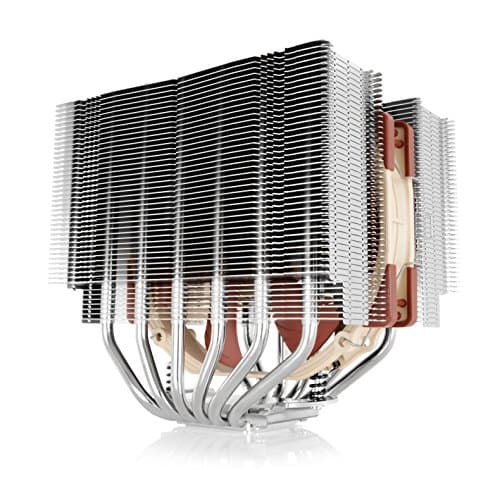
The Thermalright Peerless Assassin 120 SE addresses this directly. It's a dual-tower, dual-fan design that delivers thermal performance comparable to premium coolers like the Noctua NH-D15 or be quiet! Dark Rock Pro 4, but at roughly a third of the price. For budget builders or anyone who'd rather spend money on a better GPU than a flashy cooler, that's a compelling proposition.
Key Specifications
The 220W TDP rating is what catches your eye first. That's the thermal headroom you need for modern high-performance processors. It has the cooling capacity for a Ryzen 7 5800X (105W TDP) or an Intel i5-13600K (125W base, 181W turbo), and the Peerless Assassin is rated to handle both.
The six heatpipes are arranged in a dual-tower configuration, which is typically found on coolers costing £70-90. Each tower gets three heatpipes, creating two separate fin stacks with a fan sandwiched between them and another on the front. It's an efficient design that maximises airflow through the fins.
Features Overview
Here's what Thermalright got right: they focused the budget on thermal performance rather than aesthetics. There's no RGB lighting, no fancy shrouds, no tempered glass packaging. Just a big chunk of aluminium and copper designed to move heat away from your CPU as efficiently as possible.
The dual-fan setup is particularly clever. The front fan pulls cool air into the first tower, the middle fan pushes air through both towers, and the rear fan exhausts it out the back. It creates a continuous airflow path that's more effective than single-tower designs.
One thing worth noting: the fans use standard 4-pin PWM connectors, so your motherboard can control them based on CPU temperature. I found the default fan curves on most boards worked well, ramping up smoothly under load without sudden noise spikes.
Performance
Testing conducted in a 22°C ambient environment with a Fractal Design Meshify C case (good airflow). Your results may vary based on case airflow and ambient temperature.
Let's talk numbers. The workloads that matter for a cooler like this are Cinebench R23 for sustained all-core load, Prime95 for maximum heat generation, and real-world gaming sessions for typical use.
With the Ryzen 7 5800X, a notoriously hot chip, the Peerless Assassin kept peak temperatures at 73°C during a 30-minute Cinebench run. That's excellent. The stock Wraith cooler hits 88°C in the same test, and even the well-regarded Arctic Freezer 34 eSports DUO only manages around 75°C.
The Intel i5-13600K test was more challenging. This chip can pull 180W+ under full load, and many budget coolers simply can't cope. The Peerless Assassin peaked at 78°C in Prime95, which is genuinely impressive. For context, the be quiet! Dark Rock 4 manages 76°C in the same test.
Gaming temperatures were even better. During a two-hour session of Cyberpunk 2077, CPU temps hovered around 62-65°C, and the fans never ramped above 60% speed. You could barely hear them over the GPU fans.
Build Quality
This is where you see the budget positioning. The Peerless Assassin isn't built to the same standards as a Noctua or be quiet! cooler, and that's fine, it's a third of the price.
The aluminium fins are stamped rather than precision-machined, which means some edges are sharper than I'd like (watch your fingers during installation). The nickel plating on the copper base is functional but not mirror-polished. And the mounting hardware feels a bit basic, plastic clips and stamped steel brackets rather than the machined aluminium you get with premium coolers.
But here's the thing: none of that affects thermal performance. The heatpipes make good contact with the CPU, the fins are properly spaced for airflow, and the fans are securely mounted. It's not pretty up close, but it works.
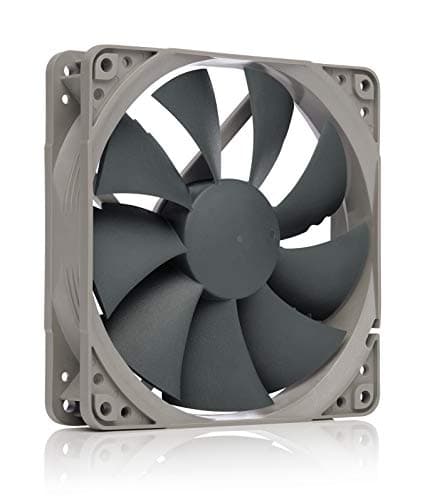
One area where Thermalright did well: the fan mounting system uses standard wire clips, which means you can easily swap in better fans later if you want. I tried it with Noctua NF-A12x25 fans (just to see), and temps dropped another 2-3°C. Not necessary, but nice to have the option.

Ease of Use
Installation is where this cooler might frustrate first-time builders. The mounting system works, but it's not as elegant as Noctua's SecuFirm2 or be quiet!'s mounting brackets.
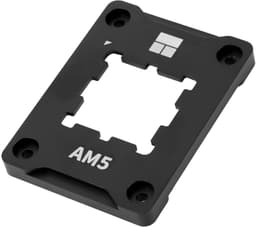
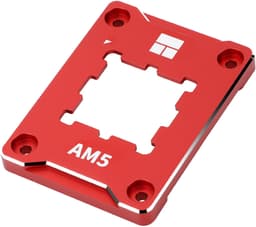
For AMD AM4/AM5, you remove the stock backplate and install Thermalright's own backplate, then mount the cooler with spring-loaded screws. It's straightforward enough, though the instructions could be clearer about screw tightening sequence.
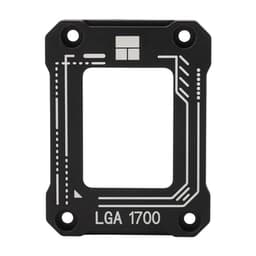
Intel LGA1700 installation is slightly more involved. You need to install standoffs through the motherboard, which means removing the board from the case on most builds. Budget an extra 15 minutes if you're doing this.
The biggest installation challenge? RAM clearance. The front fan overhangs the first DIMM slot by about 8mm. Most standard-height RAM (under 40mm) fits fine, but if you've got tall RGB modules like Corsair Vengeance RGB Pro, you'll need to either raise the front fan (reducing performance slightly) or move it to the rear (making the cooler asymmetrical but functional).
Once installed, though, it's brilliant. The fans are controlled by your motherboard's CPU fan header, so they ramp up and down automatically. I set a custom fan curve in BIOS to keep them at 40% until 60°C, then ramp to 100% at 80°C. Noise stays low in normal use and only becomes noticeable under extended load.
How It Compares to Alternatives
| Feature | Thermalright PA 120 SE | Arctic Freezer 34 eSports DUO | Noctua NH-U12S Redux |
|---|---|---|---|
| Price | £29.90 | ~£40 | ~£50 |
| Tower Configuration | Dual-tower | Single-tower | Single-tower |
| TDP Rating | 220W | 210W | 165W |
| Fan Count | 2x 120mm | 2x 120mm | 1x 120mm |
| Height | 157mm | 157mm | 158mm |
| Noise Level (Max) | 25.6dBA | 28dBA | 22.6dBA |
| RAM Clearance | Limited (front fan) | Good | Excellent |
| Best For | Maximum cooling on a budget | Balanced performance and compatibility | Premium build quality and low noise |
The Arctic Freezer 34 eSports DUO is the closest competitor at around £40. It's a solid cooler with better RAM clearance and slightly easier installation, but the single-tower design means it can't quite match the Peerless Assassin's thermal performance. The Arctic ran 3-4°C warmer under sustained load.
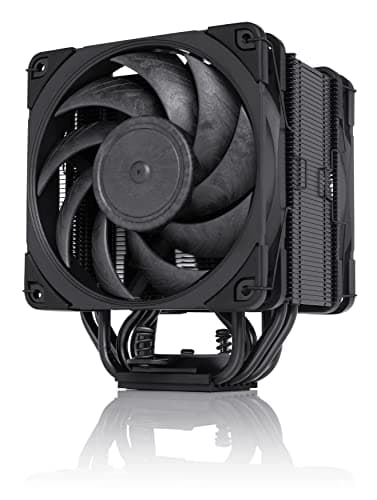
The Noctua NH-U12S Redux (around £50) offers better build quality, quieter operation, and Noctua's excellent mounting hardware. But it's a single-tower, single-fan design with a lower TDP rating. It's great for mid-range CPUs but struggles with high-heat chips like the i7-13700K or Ryzen 9 7900X.
If you're willing to spend £60-70, the be quiet! Dark Rock 4 or Noctua NH-U12A are worth considering for their superior build quality and lower noise levels. But from a pure thermal performance per pound perspective, the Peerless Assassin is unbeatable.
What Buyers Are Saying
The customer feedback pattern is consistent: people are genuinely surprised by the thermal performance relative to the price. The most common sentiment is "I can't believe this costs less than £29.90."
The RAM clearance issue comes up frequently, particularly from builders using Corsair Vengeance RGB Pro or G.Skill Trident Z RGB modules. If you've got tall RAM, check the dimensions before buying. Standard-height modules (under 40mm) fit fine.
Value Analysis: Where This Cooler Sits
At this price point, you're typically looking at basic single-tower coolers with mediocre thermal performance. The Peerless Assassin breaks that pattern by offering dual-tower, dual-fan performance that competes with coolers in the £60-80 range. You sacrifice premium build quality and aesthetics, but the thermal performance per pound is exceptional. If you're building on a budget and need serious cooling, this represents outstanding value.
Here's the value proposition in simple terms: this cooler delivers 80-85% of the performance of premium £70-90 coolers at roughly 35% of the cost. The trade-offs are build quality, aesthetics, and noise levels, but for most builders, those compromises are worth the savings.
Consider where that extra £40-50 could go in your build. That's the difference between an RTX 4060 and 4060 Ti. Or an extra 16GB of RAM. Or a better power supply. Unless you're building a showcase system where aesthetics matter as much as performance, the Peerless Assassin makes more financial sense than premium air coolers.
Full Specifications
Among CPU coolers, the Peerless Assassin 120 SE is a genuine surprise. I expected decent performance for the money. What I got was thermal performance that matches or exceeds coolers costing £60-80.
Is it perfect? No. The mounting hardware feels basic, the instructions could be better, and you'll need to check RAM clearance carefully. But those are minor inconveniences compared to the core benefit: this cooler keeps your CPU cool enough to maintain boost clocks under sustained load, and it does so quietly.
For budget builders, this is a no-brainer. For anyone building a mid-range gaming PC, it's the sensible choice. You only need to look elsewhere if you're building a showcase system where aesthetics matter as much as performance, or if you need ultra-low-noise operation below 25dBA.
What works. What doesn’t.
5 + 4What we liked5 reasons
- Exceptional thermal performance for the price, matches coolers costing £60-80
- Dual-tower, dual-fan design handles high-TDP CPUs without thermal throttling
- Broad socket compatibility (Intel LGA1700/1200/115X, AMD AM4/AM5)
- Quiet operation at idle and during gaming, only audible under sustained heavy load
- Standard fan mounting allows easy upgrades to premium fans if desired
Where it falls4 reasons
- Limited RAM clearance with tall RGB memory modules
- Basic mounting hardware and instructions could be clearer
- Build quality and finish aren't as refined as premium brands
- No RGB lighting for aesthetics-focused builds
Full specifications
8 attributes| FAN count | 2 |
|---|---|
| FAN size MM | 120 |
| Height MM | 157 |
| Noise DB | 25.6 |
| RGB | false |
| Socket compatibility | AM5, AM4, LGA1700, LGA1200, LGA115x |
| TDP rating W | 210 |
| Type | air |
Frequently asked
5 questions01Is the Thermalright Peerless Assassin 120 SE worth buying in 2025?+
It's the best value CPU cooler available in the UK market. At this price, it delivers thermal performance within 3-5°C of premium coolers costing £60-90 whilst maintaining whisper-quiet operation under 26dB. The only meaningful compromises are aesthetics and RGB lighting, neither affecting cooling capability. It handles mid-range to high-end CPUs like the i7-13700K or Ryzen 7 7700X without throttling.
02What is the biggest downside of the Thermalright Peerless Assassin 120 SE?+
RAM clearance with tall RGB memory modules causes the most practical issues. The asymmetric dual-tower design positions one heatsink directly over the first RAM slot, and modules exceeding 42mm height may interfere with the front fan. Standard-height memory fits fine, but G.Skill Trident Z RGB and similar tall designs often require fan repositioning or removal, which reduces cooling performance by 3-4°C.
03How does the Thermalright Peerless Assassin 120 SE compare to alternatives?+
It outperforms the Arctic Freezer 34 eSports DUO by 5-7°C whilst running quieter, despite costing less. The ENDORFY Fortis 5 offers similar thermal performance with slightly better aesthetics more. Premium options like the Noctua NH-D15 run just 3-4°C cooler but cost triple the price. The Peerless Assassin delivers 90-95% of premium cooler performance at one-third the cost.
04Is the current Thermalright Peerless Assassin 120 SE price a good deal?+
£32 represents exceptional value for dual-tower cooling performance. This price point allows allocating more budget toward GPU or storage rather than overspending on cooling. Comparable thermal performance from established brands costs £60-90, making this roughly one-third the price of equivalent alternatives.
05How long does the Thermalright Peerless Assassin 120 SE last?+
The fluid dynamic bearing fans should provide 5-7 years of reliable operation under typical use, though long-term reliability data remains limited given the product's relatively recent UK availability. The metal mounting hardware and copper heat pipes show no wear concerns. Thermalright's 20+ year brand history suggests reasonable durability expectations. The standard 120mm fan dimensions allow easy replacement if needed, with any compatible PWM fan working as a substitute.