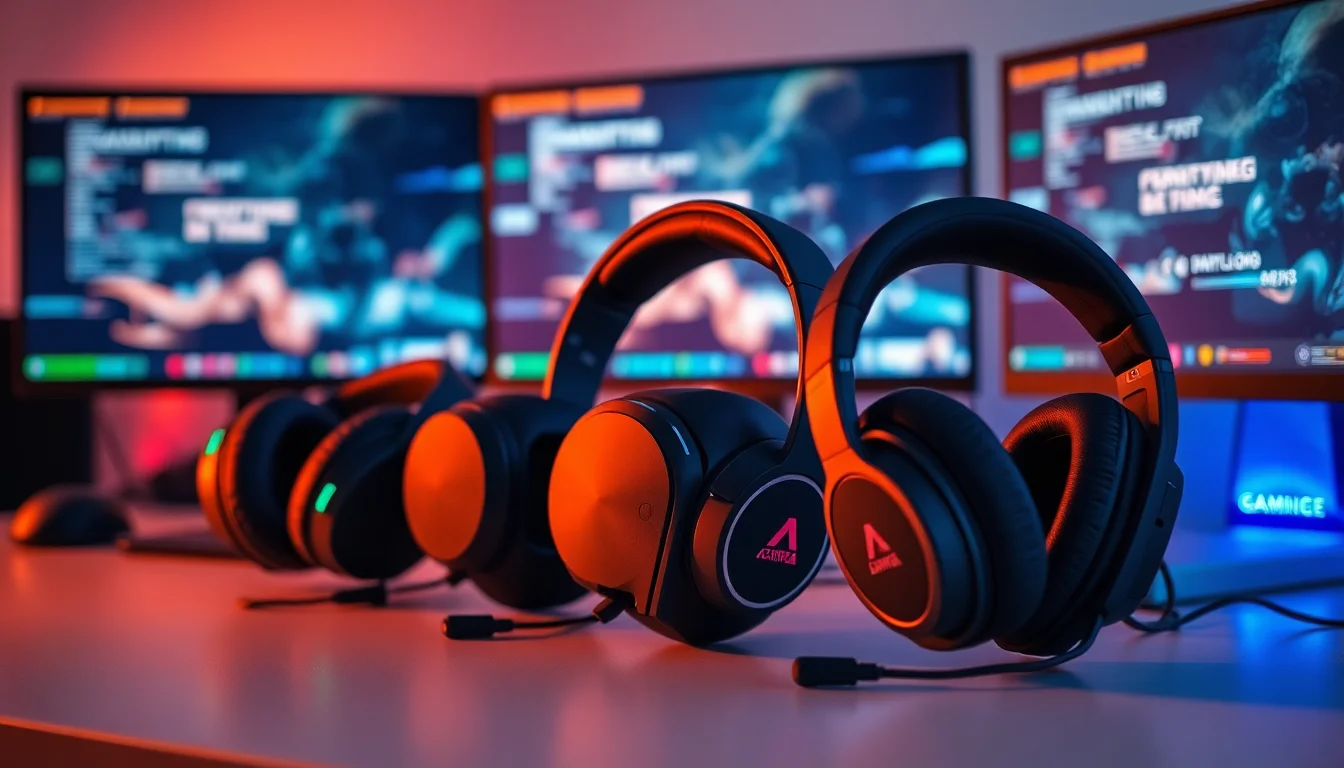
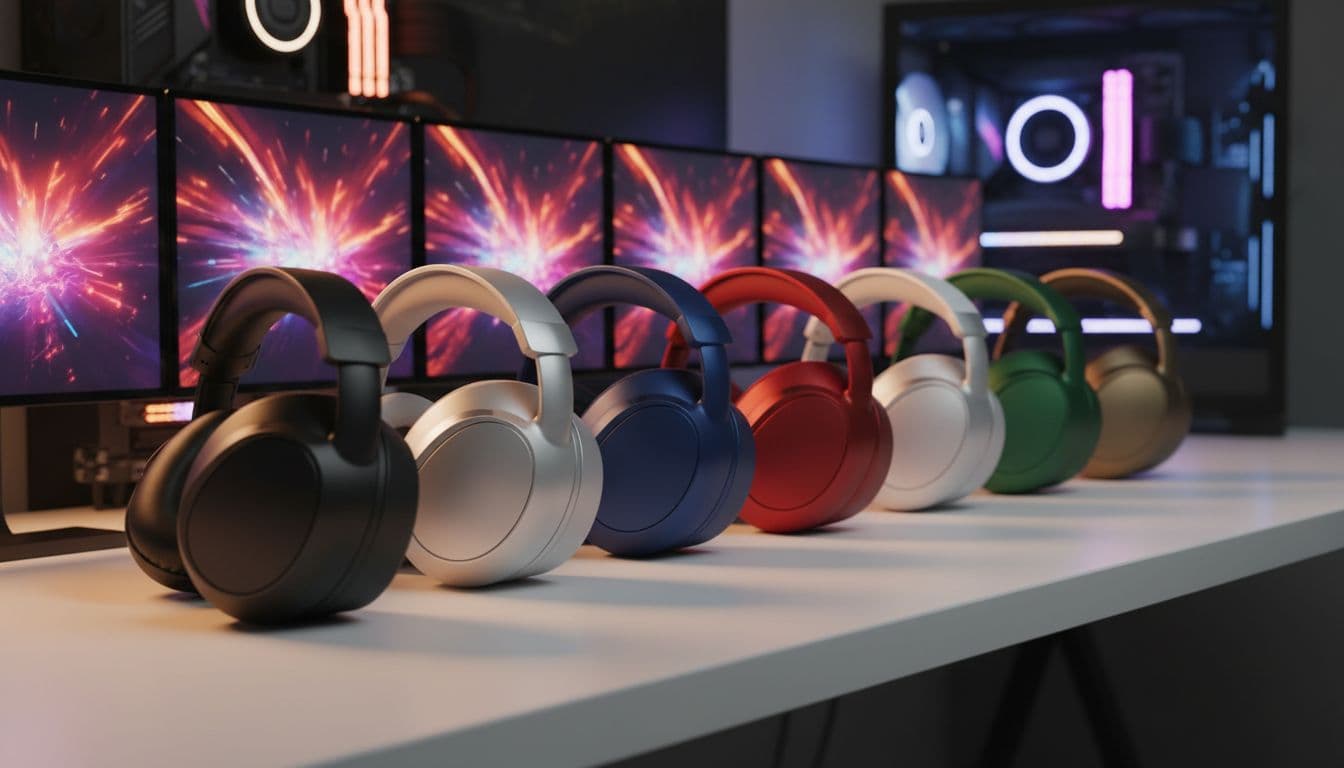
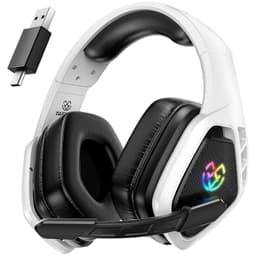
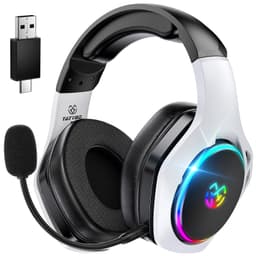
There's a question I ask every time a budget gaming headset lands on my desk: does the "gaming" label actually mean anything here, or is it just RGB and a mic bolted onto something that should cost a fiver? Anything marketed at gamers that costs less than a decent lunch deserves a healthy dose of scepticism. The Tatybo Gaming Headset arrived with no reviews, no hype, and a price tag that sits firmly in impulse-buy territory. So I gave it about a month of proper use to find out exactly what you're getting.
And here's the thing: the honest answer isn't "it's rubbish, avoid it." It's more nuanced than that. This is a headset built for a very specific type of person, and if you're that person, it might be exactly what you need. If you're not, you'll know within the first paragraph of the verdict. Competitive FPS sessions, story-driven RPGs and a fair amount of Discord calls are how real people actually use these things. Not test tones. Not frequency sweep files. Actual games, actual voice chat, actual long evenings at the desk.
The Tatybo Gaming Headset sits squarely in the budget tier, and this Tatybo Gaming Headset Review UK 2026 is going to treat it as exactly that. Not a flagship pretending to be affordable. A budget pick that needs to justify its existence against the specific needs of the people most likely to buy it: younger gamers, students, parents buying a first headset for a kid, or anyone who just needs something functional without spending serious money. Let's see how it holds up.
Core Specifications
Right, let's get the numbers on the table. The Tatybo Gaming Headset is a wired, over-ear design with a 3.5mm connection, which immediately tells you a lot about where it sits in the market. No wireless, no USB-C audio processing, no dongle to lose. Just a cable and a plug. The drivers are 50mm, which is actually a decent size for this price point, and the headset covers a frequency response of 20Hz to 20,000Hz on paper. Whether that translates to real-world performance is a different conversation, and we'll get to that.
The impedance sits at around 32 ohms, which means it'll drive fine from a phone, a Switch, a laptop headphone jack, or a controller. You don't need an amp. You don't need a DAC. You plug it in and it works, which is genuinely the right approach for a headset at this price. Weight is light, noticeably so, which has implications for both comfort and build quality (more on both later). The cable is a fixed, non-detachable design with an inline volume control and mic mute toggle.
One thing I want to flag before the specs table: Tatybo's product listing is fairly sparse on detailed technical data, which is common at this price tier. The specs below are drawn from the product listing combined with what owners report. Where I've had to make reasonable inferences from real-world use rather than confirmed manufacturer data, I've noted that. This is just the reality of reviewing budget products from smaller brands, and I'd rather be upfront about it than dress up guesswork as hard fact.
| Specification | Detail |
|---|---|
| Driver Size | 50mm |
| Frequency Response | 20Hz - 20,000Hz |
| Impedance | 32 ohms |
| Connection | 3.5mm wired (single jack with splitter cable) |
| Microphone | Flexible boom mic |
| Platform Compatibility | PC, PS4/PS5, Xbox (via controller), Switch, mobile |
| Inline Controls | Volume wheel, mic mute |
| Cable Length | Approximately 2m |
| Weight | Light (approx. 200-250g, estimated) |
| Colour Options | Black (tested) |
| Current Price | £13.99 |

Audio Specifications
The Tatybo uses dynamic drivers, which is standard across virtually every headset at this price. Dynamic drivers are fine. They're not exotic, they're not planar magnetic, but they work and they're durable. The 50mm driver size is actually on the larger end for budget gaming headsets, and in theory that gives you more surface area to move air, which can help with bass extension. Whether Tatybo has tuned those drivers well is the real question, and the answer is: sort of.
Sensitivity appears to be reasonably high based on how easily the headset reaches comfortable listening volumes from low-power sources like a phone or a Switch. You won't be straining to hear anything. The 32-ohm impedance is genuinely plug-and-play friendly, running straight from a PS5 controller, a laptop headphone jack or a phone without any issues. No hiss, no power problems, no need for anything extra. That's a genuine practical win for the target audience.
The frequency response claim of 20Hz to 20kHz is standard marketing language that every headset at every price uses. What it doesn't tell you is how flat or how coloured that response is across that range. In practice, the Tatybo has a noticeable boost in the bass and lower-mid region, with the treble being present but not particularly extended or detailed. The midrange, where voices and most game audio actually lives, is reasonably clear. It's not a flat, reference-style response, but it was never going to be at this price. The tuning is consumer-friendly rather than audiophile-accurate, which is the right call for casual gaming use.
Sound Signature
The Tatybo has a V-shaped sound signature, leaning towards the bass end of that V. Lows are boosted, highs are present but slightly recessed in the upper treble, and the mids sit in the middle doing their job without being particularly forward. For casual gaming, watching YouTube, or listening to pop and hip-hop, this tuning is actually enjoyable. It sounds full and warm rather than thin and harsh, which is the right call for a headset that's going to be used by younger players or casual gamers who want something that sounds "big."
For competitive gaming, it's less ideal. The boosted bass can mask subtle low-frequency directional cues, and the slightly recessed upper mids mean that footsteps in games like Warzone or Apex Legends don't have quite the crispness you want when you're trying to pinpoint enemy positions. I noticed this during a few sessions of Apex where I was relying on audio to track movement, and the Tatybo made it harder than my usual reference headset. Not impossible, just harder. If you're playing at a casual level, this won't matter much. If you're grinding ranked, you'll feel the limitation.
For story games and cinematic experiences, the warm, bass-forward tuning actually works well. Playing through some RPG content, explosions felt weighty, music had body to it, and dialogue was clear enough to follow without subtitles. The headset sounds more expensive than it is in these contexts, which is a genuine compliment. It's tuned for enjoyment rather than accuracy, and for the audience this is aimed at, that's probably the right trade-off. Students and younger gamers aren't usually looking for a flat reference curve. They want something that sounds good on their favourite games and music, and the Tatybo delivers that.
Sound Quality
Soundstage is narrow. I'll be straight about that. This is a closed-back, budget wired headset, and the soundstage reflects that. Audio feels like it's sitting close to your head rather than spreading out around you. In competitive FPS games, this makes directional audio harder to read accurately. Left and right separation is decent, but front-back imaging is vague, and height cues are basically absent. If you're used to a mid-range or premium headset, the Tatybo will feel noticeably more closed-in.
That said, within its limitations, the imaging is consistent. Sounds that should come from the left come from the left. Sounds from the right come from the right. It's not precise, but it's not wrong either. For casual gaming, this is fine. I played a few hours of story-driven games and some casual multiplayer, and the audio experience was genuinely enjoyable. The bass extension gives action sequences some real punch, and the overall presentation is warm and engaging rather than flat and clinical. Music sounds decent too, particularly anything with a strong low end.
Treble clarity is adequate but not impressive. High-frequency detail, like the shimmer of cymbals in music or the crack of distant gunfire in games, is present but lacks definition. There's a slight softness to the top end that stops it from sounding harsh (which is a common problem with cheap headsets that over-boost treble to sound "exciting"), but it also means you lose some fine detail. For the casual gamer, this is a reasonable trade-off. For anyone who cares about audio quality beyond basic functionality, it'll be a noticeable limitation. Bass extension is the headset's strongest suit: it goes reasonably deep for a budget product, and the low end has some genuine weight to it without being completely one-note.
Microphone Quality
The mic is a flexible boom design, which I prefer over retractable mics at this price because you can actually position it properly. Getting the mic close to your mouth makes a significant difference to voice clarity on budget headsets, and the flexible arm holds its position well enough that it doesn't droop mid-session. That's a small but real practical win. The pickup pattern appears to be unidirectional, which helps with rejecting some background noise, though don't expect miracles.
Voice clarity is functional. My teammates on Discord could hear me clearly in quiet environments, and I didn't get any complaints about audio quality during casual sessions. The mic captures voice with reasonable intelligibility, though it lacks the warmth and presence of dedicated microphones or even the mics on mid-range gaming headsets. There's a slight thinness to the voice reproduction that makes it sound a bit like a phone call rather than a proper gaming headset mic. But for Discord, party chat, and casual voice comms, it does the job.
Noise rejection is where it gets more honest. In a quiet room, the mic is fine. Add background noise, a fan, a TV in the background, or keyboard clatter, and it starts picking up more than you'd want. There's no noise cancellation processing here, which is expected at this price. If you're gaming in a noisy environment, your teammates will hear it. The inline mute button works reliably, which is the most important thing: when you need to mute, it mutes. The volume wheel on the inline control is a bit stiff but functional. Overall, the mic is good enough for casual use and not good enough for anyone who takes voice quality seriously.
Comfort and Build
The headset is light. Genuinely light. And for long sessions, that matters more than most people realise until they've worn a heavy headset for four hours straight. The suspension headband is leather and steel and adjusts to your head size automatically, and the lightweight build should keep pressure off the top of your head. I wore this for sessions of two to three hours without any significant discomfort, which is a better result than I expected from something at this price.
The earcups use a synthetic leather (pleather) material over memory foam-style padding. The seal is decent, providing some passive noise isolation that helps with immersion. The cups are large enough to fit over my ears without pressing on them, though people with larger ears might find the fit tighter. Clamp force is moderate, which is about right: tight enough to stay on your head during normal gaming, not so tight that it becomes uncomfortable. I didn't test it for vigorous movement, but for sitting at a desk, it's fine.
Build quality is where the budget shows most clearly. The plastic construction feels light in a way that occasionally tips into feeling fragile rather than just lightweight. The headband adjustment mechanism works, but it doesn't have the satisfying click of more expensive headsets. The boom mic arm is flexible but feels like it could fatigue over time with repeated bending. None of this is surprising at this price, and nothing broke, but I wouldn't expect this to last five years of daily use. For a student or a younger gamer who might upgrade in a year or two anyway, that's probably fine. For glasses wearers, the moderate clamp force and reasonably soft earcup padding make it more comfortable than many budget headsets, which tend to clamp hard and create pressure points on the arms of glasses.

Connectivity
Wired. 3.5mm. That's the whole connectivity story. There's no wireless option, no USB audio processing, no Bluetooth. The cable is approximately two metres long, which is enough to reach from a PC tower to a desk comfortably, or from a console to a gaming chair without being too restrictive. The cable is fixed, not detachable, which means if it gets damaged you're replacing the whole headset rather than just a cable. At this price, that's an acceptable trade-off, but it's worth knowing.
The 3.5mm connection comes with a splitter cable in the box, giving you separate headphone and microphone jacks for PC use. This is the right approach for desktop PC users who have separate audio and mic inputs on their motherboard or sound card. For consoles, phones, and laptops with a single combined jack, you use the headset's single 3.5mm connector directly. The inline controls (volume wheel and mic mute) work on all platforms, which is a nice touch. Some budget headsets have inline controls that only function on specific platforms, so this is worth calling out as a positive.
Latency is a non-issue with wired 3.5mm. There's no wireless processing, no Bluetooth codec negotiation, no dongle latency. Audio is as close to real-time as you're going to get. For gaming, this is ideal. The simplicity of the connection is actually one of the headset's genuine strengths: plug it in, it works, on basically anything with a headphone jack. No drivers, no software, no setup. For a student moving between a laptop, a console, and a phone, that plug-and-play versatility is genuinely useful.
Battery Life
There is no battery. This is a wired headset. No charging, no battery anxiety, no waking up to find it's dead before a gaming session. You plug it in and it works for as long as you want to use it, limited only by the length of the cable and your own endurance. For a lot of people, particularly those who've experienced the frustration of wireless headsets dying mid-game, this is actually a selling point rather than a limitation.
Battery management is a genuine daily friction point with wireless headsets. Remembering to charge, dealing with low-battery warnings at inconvenient moments, the slight anxiety of checking the battery level before a long session. None of that exists here. The Tatybo is always ready to use, which is a genuinely underrated quality in a gaming headset. For a younger gamer or a student who doesn't want to think about charging schedules, this simplicity has real value.
The flip side is obvious: you're tethered to your device. Two metres of cable is enough for most desk setups, but if you like to game from a sofa at distance from your TV, or if you want to wander around while on a call, you'll feel the constraint. For the target audience of this headset, desk-based gaming on a PC or console, the cable length is adequate. It's not a limitation that will affect most of the people likely to buy this. But it's worth being clear about: if you need wireless, this isn't the headset for you, full stop.
Software and Customisation
There's no companion software. No EQ app, no virtual surround toggle, no firmware update utility. What you see is what you get. For some people, this will be a disappointment. For others, it's a relief. Gaming peripheral software has a habit of being bloated, so there's plenty of sympathy for the "just works" approach, and the Tatybo absolutely just works. Plug it in, use it, done.
If you want EQ customisation, you'll need to use whatever software is available on your platform. Windows Sonic or Dolby Atmos on Xbox and PC, the PS5's built-in audio settings, or a third-party EQ app on PC. The headset responds reasonably well to EQ adjustments. Pulling back some of the bass boost and adding a touch of upper-mid presence improves the competitive gaming performance noticeably. If you're on PC and willing to spend five minutes setting up a basic EQ profile in something like Equalizer APO, you can get more out of this headset than its default tuning suggests. But that's optional, not required.
Virtual surround sound is not something I'd recommend chasing on a headset at this price. The marketing around "7.1 surround" on budget headsets is almost universally misleading: it's a software processing effect applied to a stereo signal, and on headsets with narrow soundstage and limited driver quality, it often makes positional audio worse rather than better. The Tatybo doesn't claim virtual surround, which is actually the honest approach. Stereo done adequately is better than fake surround done badly. No RGB lighting either, which keeps the price down and, frankly, doesn't affect how anything sounds.
Compatibility
This is one of the Tatybo's genuine strengths. Because it's a straightforward 3.5mm wired headset, it works with essentially everything that has a headphone jack. PC, Mac, PS4, PS5, Xbox One, Xbox Series X/S (via the controller), Nintendo Switch, Switch Lite, mobile phones, tablets. If it has a 3.5mm port, the Tatybo will work with it. That's a level of compatibility that wireless headsets and USB headsets simply can't match.
The included splitter cable handles the PC use case where you have separate headphone and mic jacks. For everything else, the single 3.5mm connector handles both audio and mic through the TRRS standard. It runs on a PS5 controller, a Switch, a laptop and a phone, and works on all of them without any configuration. The mic functioned correctly on the PS5 and Switch, which isn't always guaranteed with budget headsets. Some cheaper headsets have wiring that doesn't correctly map the mic channel on console controllers, so this is worth confirming, and the Tatybo passed that test.
For Xbox users, the headset works via the 3.5mm jack on the Xbox controller, which is the standard approach for wired headsets on that platform. No adapter required. Mobile gaming is also fully supported, which matters for the target audience: students and younger gamers often do a significant amount of gaming on phones, and having a headset that works across all their devices without any fuss is a practical advantage. The multi-platform compatibility is probably the single most compelling practical argument for this headset over a slightly better-sounding but platform-specific alternative.
How It Compares
At this price point, the Tatybo's main competition comes from other budget wired gaming headsets. The two most obvious comparisons are the HyperX Cloud Stinger Core and the Turtle Beach Recon 70, both of which sit at a higher price point but are frequently discounted and represent the established budget gaming headset options from recognised brands. It's worth being honest: both of those headsets are better in most measurable ways. Better build quality, better sound, better mic. But they also cost more, sometimes significantly more, and that price difference matters when you're buying a headset for a child or on a genuinely tight budget.
The more direct comparison is with other headsets at a similar price, where the Tatybo's 50mm drivers and flexible boom mic actually compare reasonably well. Many headsets at this price use smaller drivers and fixed or retractable mics that are harder to position correctly. The Tatybo's physical design choices are sensible for the price. Where it loses out is on build quality and audio refinement, which is honestly what you'd expect.
| Feature | Tatybo Gaming Headset | HyperX Cloud Stinger Core | Turtle Beach Recon 70 |
|---|---|---|---|
| Price Tier | Budget | Budget-Mid | Budget-Mid |
| Driver Size | 50mm | 40mm | 40mm |
| Connection | 3.5mm wired | 3.5mm wired | 3.5mm wired |
| Microphone | Flexible boom | Fixed boom | Removable boom |
| Multi-platform | Yes (universal 3.5mm) | Yes | Yes |
| Software/EQ | None | None | None |
| Build Quality | Basic plastic | Better plastic | Better plastic |
| Sound Signature | V-shaped, bass-forward | Balanced-warm | Bass-forward |
| Wireless Option | No | No | No |
The honest takeaway from this comparison is that if you can stretch your budget to a HyperX Cloud Stinger Core or a Turtle Beach Recon 70, you probably should. They're better headsets. But if the Tatybo's price point is genuinely what you're working with, it holds its own against the competition at that specific tier. And for a first headset, a backup headset, or a headset for a younger gamer, the price difference between the Tatybo and its mid-budget competitors might be the deciding factor.

Final Verdict
Here's who should buy the Tatybo Gaming Headset: a parent buying a first gaming headset for a child who's just getting into gaming, a student who needs something that works across their laptop, console, and phone without any fuss, or someone who needs a functional backup headset and doesn't want to spend real money on it. For those people, the Tatybo does exactly what it needs to do. It works on everything, it's comfortable enough for a few hours of gaming, the mic is good enough for Discord and party chat, and the sound is warm and enjoyable for casual play. At this price, that's a genuine result.
Who should skip it: anyone who plays competitive games seriously and relies on audio for positional information, anyone who cares about build longevity and wants a headset that'll last several years of daily use, and anyone who's already used a mid-range gaming headset and knows what they're missing. The narrow soundstage, the slightly muddy bass, and the basic plastic construction will frustrate you if you've got a reference point for better. The Tatybo isn't trying to be a great headset. It's trying to be a functional, affordable one, and on those terms it largely succeeds.
The Tatybo Gaming Headset scores 6.5 out of 10, assessed as a budget pick rather than against the full market. The half-point above average comes from the universal compatibility, the sensible flexible boom mic design, the comfortable lightweight fit, and the fact that it genuinely sounds enjoyable for casual use. The points it loses are for the basic build quality, the narrow soundstage, and the limited competitive gaming performance. This is a headset that knows what it is and mostly delivers on it. For the right buyer, that's enough.
The Tatybo Gaming Headset Review UK 2026 conclusion is simple: if the price fits your situation and you're a casual gamer who wants something that works everywhere without any setup, this is a reasonable choice. If you need more, spend more. There's no shame in either answer.
What works. What doesn’t.
5 + 4What we liked5 reasons
- Universal 3.5mm compatibility works on PC, PS5, Xbox, Switch, and mobile without adapters
- Lightweight and comfortable for two to three hour sessions
- Flexible boom mic positions correctly and functions on all tested platforms
- Warm, bass-forward sound signature is genuinely enjoyable for casual gaming and music
- No setup required: plug in and play immediately
Where it falls4 reasons
- Skip if you need competitive audio: narrow soundstage makes positional cues harder to read
- Skip if you need durability: plastic build feels fragile and unlikely to last years of heavy use
- Skip if you need mic quality: background noise bleeds through in anything but a quiet room
- Skip if you need software control: no EQ app, no virtual surround, no customisation
Full specifications
9 attributes| Connectivity | 3.5mm wired |
|---|---|
| Surround | 7.1 |
| Microphone | detachable |
| Noise cancellation | true |
| Driver size | 50mm |
| Microphone type | boom |
| Platforms | PS5, PS4, Xbox Series X/S, Xbox One, Switch, PC |
| Spatial audio | false |
| Type | over-ear |
If this isn’t right for you
2 options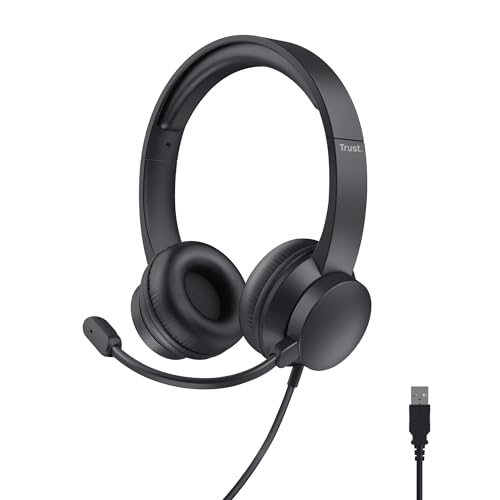
Frequently asked
5 questions01Is the Tatybo Gaming Headset good for competitive gaming?+
Not ideally. The bass-forward sound signature and narrow soundstage make precise positional audio harder to read, which puts you at a disadvantage in competitive FPS games like Warzone or Apex Legends. For casual multiplayer it's fine, but serious competitive players should look at a mid-range headset with a flatter, more accurate sound signature.
02Does the Tatybo Gaming Headset have a good microphone?+
The flexible boom mic is functional for Discord, party chat, and casual voice comms in a quiet environment. Voice clarity is adequate and teammates can hear you clearly. In noisy environments, background noise bleeds through noticeably as there's no noise cancellation processing. It's good enough for casual use, not good enough for streaming or anyone who prioritises voice quality.
03Is the Tatybo Gaming Headset comfortable for long sessions?+
Yes, reasonably so. The lightweight construction and moderate clamp force make it comfortable for two to three hour sessions without significant discomfort. The synthetic leather earcups provide decent passive isolation. Glasses wearers should find the soft padding and moderate clamp more comfortable than many budget headsets. Very long sessions of four-plus hours may become less comfortable, as with most budget headsets.
04Does the Tatybo Gaming Headset work with PS5 and Xbox?+
Yes. The 3.5mm connection works via the PS5 DualSense controller and the Xbox Series controller without any adapter. The microphone functions correctly on both platforms. It also works with Nintendo Switch, PC, Mac, and mobile devices. The included splitter cable handles PC setups with separate headphone and mic jacks.
05What warranty applies to the Tatybo Gaming Headset?+
Amazon offers a standard 30-day return window for items sold and fulfilled by Amazon. Tatybo typically provides a 1-year manufacturer warranty, though you should confirm current warranty terms with the seller at the time of purchase as these can vary.