I've killed a build before by skimping on the motherboard. Not literally killed it, but I've watched a mid-range CPU throttle itself into oblivion because the board underneath it couldn't handle sustained load. The VRMs cooked, the power delivery stuttered, and what should have been a cracking gaming rig turned into an expensive lesson. So when I say the motherboard is the part I obsess over most, I mean it. Get it wrong and everything else suffers, no matter how much you spent on the CPU or RAM.
The Gigabyte B550 AORUS Elite AX V2 has been sitting in my test bench for about a month now, paired with a Ryzen 5 5600X and later a Ryzen 9 5900X to really stress the power delivery. My verdict? This is one of the most sensibly specced mid-range AM4 boards you can buy right now. It's not perfect, and I'll tell you exactly where it falls short, but for anyone building or upgrading around AMD's Ryzen 5000 platform, it deserves serious consideration. The 12+2 phase VRM, Wi-Fi 6E, 2.5GbE LAN, and dual M.2 slots with PCIe 4.0 support make a genuinely compelling package at this price point.
This review covers everything from the BIOS experience (spoiler: it's better than most, which is a low bar but still) to real-world thermal behaviour under sustained load. I'll also compare it against the competition so you can make a properly informed decision rather than just buying whatever Amazon recommends first.
Core Specifications
Before anything else, let's get the numbers on the table. The B550 AORUS Elite AX V2 is an ATX form factor board on AMD's AM4 socket, using the B550 chipset. It supports AMD Ryzen 5000 Series processors as well as 3rd Gen Ryzen and 3rd Gen Ryzen with Radeon Graphics, which covers a massive range of CPUs from budget Ryzen 3 chips right up to the Ryzen 9 5950X. Four DIMM slots support Dual Channel ECC and Non-ECC Unbuffered DDR4 memory, with support up to 4733MHz via overclocking. That's a generous ceiling for a B-series board.
Storage is handled by dual NVMe M.2 slots, one running PCIe 4.0 x4 and one running PCIe 3.0 x4, with one of them covered by a thermal guard. The primary PCIe x16 slot is Ultra Durable rated for PCIe 4.0, which means you can drop in an RX 6000 or RX 7000 series GPU and get full bandwidth. Networking is where this board really separates itself from cheaper B550 options: you get 2.5GbE LAN with bandwidth management plus Wi-Fi 6E, which is genuinely unusual at this price tier. Audio uses the ALC1200 codec paired with WIMA capacitors, and RGB FUSION 2.0 handles addressable LED and standard RGB strip headers.
The rear I/O includes DisplayPort and HDMI outputs for systems using Ryzen APUs with integrated graphics, and there's a Front USB 3.2 Gen1 Type-C header for the front panel. That Type-C header is something I always check because cheaper boards often omit it entirely, and it's increasingly essential for modern cases. The full specification breakdown is below.
| Specification | Detail |
|---|---|
| Socket | AMD AM4 |
| Chipset | AMD B550 |
| Form Factor | ATX |
| Memory Slots | 4 x DDR4 DIMM (Dual Channel) |
| Memory Type | ECC / Non-ECC Unbuffered DDR4 |
| Memory Speed (OC) | Up to 4733MHz |
| VRM | 12+2 Phase Digital Twin Power Design, 50A DrMOS |
| Primary PCIe Slot | PCIe 4.0 x16 (Ultra Durable) |
| M.2 Slots | 2 x NVMe (PCIe 4.0 x4 + PCIe 3.0 x4) |
| M.2 Thermal Guard | Yes (one slot) |
| LAN | 2.5GbE with Bandwidth Management |
| Wi-Fi | Wi-Fi 6E |
| Audio | ALC1200 with WIMA Capacitors |
| Display Output | DisplayPort + HDMI |
| Front USB | USB 3.2 Gen1 Type-C header |
| RGB | RGB FUSION 2.0 (Addressable + RGB strips) |
| Current Price | £176.70 |
Socket and CPU Compatibility
The B550 AORUS Elite AX V2 uses AMD's AM4 socket, which has been one of the best things AMD has done for consumers in the last decade. The same physical socket has supported CPUs from Ryzen 1000 all the way through to Ryzen 5000, though the B550 chipset specifically supports 3rd Gen Ryzen (Zen 2) and Ryzen 5000 (Zen 3) out of the box. If you're coming from an older Ryzen 1000 or 2000 chip, this board won't support it, which is worth knowing before you buy.
The best CPU for the B550 AORUS Elite is almost certainly something from the Ryzen 5000 lineup. The board handles both the Ryzen 5 5600X and the Ryzen 9 5900X without complaint. The 5600X is the sweet spot for most gaming builds, offering excellent single-core performance at a price that leaves budget for a decent GPU. But the 5900X is where things get interesting from a power delivery perspective, and I'll cover that in the VRM section. If you're asking what CPU is best for the B550 AORUS Elite, my honest answer is the Ryzen 7 5800X3D if you can find one at a sensible price, or the Ryzen 5 5600X for a more budget-conscious build. Both are brilliant on this platform.
One thing worth mentioning: if you're buying a brand new board and a brand new Ryzen 5000 CPU, you should be fine out of the box since Gigabyte has been shipping B550 boards with updated BIOS for a while now. But if you're buying second-hand or old stock, check the BIOS version before assuming your Ryzen 5000 chip will POST. Gigabyte does support BIOS flashback on some boards, but always verify compatibility before you commit. AMD's official Ryzen processor page has the full compatibility matrix if you want to double-check your specific chip.
Chipset Features
The B550 chipset sits in the middle of AMD's stack, below the X570 but above the A520. For most builders, it's the sweet spot. You get PCIe 4.0 support on the primary x16 slot and the first M.2 slot (routed directly through the CPU), which means full-speed NVMe drives and current-gen GPUs are properly catered for. The second M.2 slot and additional PCIe lanes run through the chipset at PCIe 3.0, which is still perfectly fast for any NVMe drive you'd realistically pair with this board. The PCIe standard has evolved significantly, and PCIe 4.0 on the primary slot means you're not leaving bandwidth on the table with modern GPUs.
Unlike the X570, the B550 doesn't require a chipset fan, which I consider a genuine quality-of-life improvement. X570 boards with their tiny chipset fans have a habit of developing rattles after a year or two, and it's one less potential failure point. The B550 runs passively cooled, which suits a board that's going to sit in a case for five-plus years. Overclocking support is present: you can push memory beyond its rated XMP speeds (up to 4733MHz on this board), and CPU overclocking is supported for unlocked Ryzen processors. You won't get the granular per-core overclocking features of an X570 board, but for the vast majority of users, B550's OC capabilities are more than sufficient.
SATA support gives you six ports for traditional hard drives or SATA SSDs, which is plenty for a media server or a build that mixes fast NVMe boot drives with bulk storage. USB connectivity is handled through a combination of chipset and CPU lanes, giving you a solid spread of USB 3.2 Gen 2, Gen 1, and USB 2.0 ports across the rear I/O and internal headers. The front panel USB 3.2 Gen1 Type-C header is a chipset feature I'm glad Gigabyte included here, because it's absent on cheaper B550 boards that cut corners to hit a lower price point.
VRM and Power Delivery
This is the section I care about most, and honestly it's where the B550 AORUS Elite AX V2 earns its keep. The 12+2 phase Digital Twin Power Design uses 50A DrMOS components, which is a genuinely serious power delivery setup for a B-series board. To put that in context: many cheaper B550 boards use 6+2 or 8+2 phase designs with lower-rated MOSFETs, and they're fine for a Ryzen 5 chip but start to struggle under sustained load with a Ryzen 9. Gigabyte has specced this board to handle the full AM4 lineup without breaking a sweat.
Under extended Cinebench R23 multi-core loops with the Ryzen 9 5900X (the kind of sustained all-core load that separates good VRMs from bad ones), the VRM heatsinks get warm but never hot. I'm talking comfortably touchable, not the "I can smell something" territory I've experienced on cheaper boards. The enlarged surface heatsinks Gigabyte uses here are doing real work, not just sitting there for aesthetics. This matters enormously if you're planning to run productivity workloads, video encoding, or anything that keeps the CPU pegged for extended periods. Gaming alone won't stress most VRMs, but the moment you start rendering or compiling, you'll find out what your board is actually made of.
For anyone pairing this with a Ryzen 5 5600X or Ryzen 7 5800X, the power delivery is essentially overkill in the best possible way. Your CPU will get clean, stable power with no thermal throttling from the VRM side, and that translates to consistent performance over time. I've seen builds where the CPU was technically capable of more but the board's power delivery was the bottleneck. That won't happen here. If you're asking whether the Gigabyte AORUS Elite is good for demanding workloads, the VRM spec alone answers that question with a yes.
Memory Support
Four DIMM slots in a dual-channel configuration, supporting DDR4 from standard speeds up to 4733MHz with overclocking. That's a wide range. The board supports both ECC and Non-ECC Unbuffered DDR4, which is a nice touch for anyone building a workstation that benefits from error-correcting memory, though most gaming builds will use standard non-ECC kits. Maximum capacity isn't officially stated in the product listing, but B550 boards typically support up to 128GB across four slots, which is more than enough for any realistic use case.
What RAM is compatible with the B550? Essentially any standard DDR4 kit. The board supports XMP profiles, so if you buy a kit rated at 3200MHz or 3600MHz with an XMP profile, you just enable XMP in the BIOS and you're done. Ryzen 5000 CPUs have a sweet spot around 3600MHz DDR4 where the memory controller's Infinity Fabric runs at 1:1 ratio with the memory, giving you the best latency and bandwidth combination. A 32GB kit of Corsair Vengeance DDR4-3600 CL18 runs at its rated speed without any issues whatsoever. The JEDEC DDR4 standard defines the baseline, but XMP takes you well beyond that on this board.
If you want to push beyond 3600MHz, the board will let you try. I got 3800MHz stable with some manual timings, though I wouldn't call it a smooth experience. The BIOS tools are there, but memory overclocking on Ryzen is a bit of a dark art regardless of which board you use. For most people, 3600MHz CL16 or CL18 is the target and this board hits it reliably. Running four sticks instead of two does reduce your maximum stable overclock somewhat, which is true of essentially every AM4 board, so if you're chasing maximum memory performance, start with two sticks in the A2/B2 slots.
Storage Options
Dual NVMe M.2 slots is the headline here, and the fact that the primary slot runs PCIe 4.0 x4 is genuinely useful. If you pair this board with a PCIe 4.0 NVMe drive like a Samsung 980 Pro or a WD Black SN850X, you'll get the full sequential read speeds those drives are capable of. The second slot runs PCIe 3.0 x4, which is still fast enough for any NVMe drive you'd use as secondary storage. One of the slots has a thermal guard, which helps keep drive temperatures in check during sustained writes. It's a small thing but it matters for drive longevity.
The six SATA ports give you plenty of room for traditional storage. A 4TB Seagate Barracuda and a couple of SATA SSDs sit happily alongside two NVMe drives, with everything recognised without any fuss. There's no SATA port sharing with the M.2 slots on this board that would disable ports when you populate the M.2 slots, which is a common annoyance on cheaper boards. Always worth checking, and here it's not an issue.
For a gaming build, the typical setup would be a PCIe 4.0 NVMe for your OS and games, and either a second NVMe or a large SATA drive for bulk storage. This board handles that configuration perfectly. If you're building a NAS-adjacent workstation with lots of drives, the six SATA ports plus two M.2 slots give you eight storage devices simultaneously, which is a solid total for an ATX board at this price point. Samsung's 980 Pro is my usual recommendation for the primary PCIe 4.0 slot if you want to make the most of that bandwidth.
Expansion Slots and PCIe
The primary PCIe x16 slot is the star of the show here. It's rated for PCIe 4.0 and it's Ultra Durable reinforced, meaning the slot has additional soldering points and a metal shield to prevent GPU sag from damaging the slot over time. If you're running a heavy GPU like an RTX 4080 or RX 7900 XTX without a support bracket, that reinforcement matters. I've seen unreinforced slots crack on cheaper boards after a year of running a heavy card, and it's a miserable experience.
Beyond the primary x16 slot, you have additional PCIe slots for expansion cards. These run at PCIe 3.0 speeds through the chipset, which is fine for capture cards, sound cards, USB expansion cards, or any other peripheral you might want to add. The B550 chipset doesn't have the raw lane count of X570, but for a typical gaming or workstation build, you're unlikely to run out of bandwidth. Most people use one GPU and maybe one additional card, and B550 handles that without any compromise.
The GPU slot's PCIe 4.0 support is worth emphasising because it's not universal on B550 boards. Some cheaper B550 implementations only route PCIe 3.0 to the primary slot, which technically limits GPU bandwidth (though in practice the difference is minimal for current GPUs). On the AORUS Elite AX V2, you get the full PCIe 4.0 x16 connection from the CPU directly to the GPU slot, which is the proper implementation. For future-proofing, it's the right call. The PCI-SIG specification for PCIe 4.0 doubles the bandwidth of PCIe 3.0, and having that headroom for future GPUs is genuinely valuable.
Connectivity and Rear I/O
The rear I/O on this board is well thought out. You get DisplayPort and HDMI outputs for APU-based builds or systems where you want a quick display connection without using the GPU. That's particularly useful for troubleshooting: if your GPU dies, you can still get a display signal from the integrated graphics on Ryzen APUs. The USB 3.2 Gen 2 ports on the rear give you fast data transfer for external SSDs and other high-bandwidth peripherals, and the spread of USB types covers most use cases without needing a hub.
The front panel USB 3.2 Gen1 Type-C header is something I specifically look for on every board I review, and I'm always slightly annoyed when it's missing. Modern cases increasingly have Type-C on the front panel, and if your motherboard doesn't have the header, that port is useless. The AORUS Elite AX V2 has it, which means you can use it with any current mid-tower or full-tower case that includes a front Type-C port. It's one of those features that seems minor until you need it and it's not there.
Audio output uses the ALC1200 codec paired with WIMA capacitors. The ALC1200 is Realtek's better mid-range codec, a step up from the ALC897 you find on budget boards, and the WIMA capacitors improve audio quality by reducing noise in the signal path. For gaming headsets and desktop speakers, the onboard audio is genuinely good. I wouldn't say it replaces a dedicated DAC for serious audiophiles, but for 95% of users it's more than adequate and noticeably better than what you get on cheaper boards. Realtek's ALC1200 page has the full codec specifications if you want the technical detail.
Wi-Fi and Networking
This is where the AX V2 really differentiates itself from the standard B550 AORUS Elite. The "AX" in the name refers to Wi-Fi 6E (802.11ax), and having that built in is a genuine selling point. Wi-Fi 6E adds access to the 6GHz band, which means less congestion and potentially faster speeds if you have a compatible router. For most UK homes, Wi-Fi 6 (without the E) is probably sufficient, but having 6E means you're covered as routers catch up. The Wi-Fi Alliance's Wi-Fi 6E page explains the 6GHz band benefits in detail if you're curious about the technical side.
The 2.5GbE LAN is the other networking highlight. Standard gigabit ethernet has been the norm for years, but 2.5GbE is increasingly common on mid-range and high-end boards, and it's a meaningful upgrade if your router or switch supports it. File transfers between NAS devices, fast internet connections, and local network gaming all benefit from the extra headroom. The bandwidth management feature lets you prioritise certain traffic types, which is useful in a household where multiple people are online simultaneously. Paired with a 2.5GbE switch, it delivers the expected throughput improvement over standard gigabit.
Having both Wi-Fi 6E and 2.5GbE on the same board at this price point is genuinely impressive. Most B550 boards at a similar price either skip Wi-Fi entirely or include a slower Wi-Fi 5 solution. The AORUS Elite AX V2 gives you proper current-generation networking on both fronts, which means you're not immediately looking at a Wi-Fi upgrade card or a USB ethernet adapter to get decent speeds. For a clean build with no extra cards cluttering the PCIe slots, this is a real advantage.
BIOS and Overclocking
Right, BIOS. I have opinions. Most motherboard BIOS interfaces are genuinely terrible: cluttered, inconsistent, and seemingly designed by people who have never actually used them. Gigabyte's BIOS has historically been in the "fine but not great" category, and the B550 AORUS Elite AX V2 continues that tradition. It's not the best BIOS I've used (that honour goes to ASUS ROG boards, which I find more intuitive despite being equally complex), but it's not the disaster that some cheaper boards serve up either.
The Easy Mode gives you a quick overview of CPU temperature, memory speed, fan speeds, and boot order. It's fine for basic setup. The Advanced Mode is where you'll spend time if you're overclocking or tweaking fan curves, and it's reasonably well organised. Fan curve control is good: you can set custom curves per header with temperature targets and response rates, which is what I want from a modern BIOS. The memory overclocking options are comprehensive, with XMP profile loading working reliably and manual timing adjustments available for those who want to go deeper.
CPU overclocking works as expected for unlocked Ryzen processors. I pushed the 5600X to 4.7GHz all-core with manual voltage, and the board held it stable without any drama. The voltage control is granular enough for serious overclocking without being overwhelming. One thing I'll flag: Gigabyte's Q-Flash Plus feature for BIOS updates is genuinely useful. You can update the BIOS from a USB drive without a CPU installed, which is handy if you're buying a board second-hand and need to update before your CPU will POST. The BIOS update process itself is straightforward, and Gigabyte has been reasonably consistent about releasing updates for B550 boards. Overall, the BIOS is a solid 7 out of 10: not exciting, but it does the job without making you want to throw the board out the window.
Build Quality and Aesthetics
The board looks the part. Dark PCB with silver and grey heatsinks, RGB FUSION 2.0 lighting on the heatsinks and I/O shroud, and a generally clean layout that doesn't feel cluttered. The RGB implementation supports both addressable LED (ARGB) and standard RGB strips via headers on the board, and the FUSION 2.0 software lets you sync lighting across Gigabyte components or set custom effects. I'm not a massive RGB person myself, but if you're building in a case with a glass side panel, this board won't look out of place.
Physical build quality feels solid. The PCIe x16 slot is properly reinforced, the M.2 screw mounts are in sensible positions, and the DIMM slots have the single-sided latch design that makes RAM installation easier in tight cases. The VRM heatsinks are substantial and properly mounted, not just decorative fins glued on for show. I've seen boards where the heatsink barely makes contact with the MOSFETs underneath, which defeats the entire purpose. On the AORUS Elite AX V2, the thermal contact is good and the heatsinks actually do their job.
The enlarged surface heatsinks Gigabyte mentions in the product description aren't just marketing language. Compared to the standard B550 AORUS Elite (non-AX), the heatsink coverage is visibly more substantial, and it shows in the thermal performance under load. The overall build quality is appropriate for the price point: better than budget boards, not quite at the level of X570 flagship boards, but genuinely well made for what it costs. The board goes in and out of cases repeatedly with nothing feeling flimsy or poorly designed.

How It Compares
The B550 AORUS Elite AX V2 sits in an interesting position among the best motherboards in the market. Below it, you have boards like the MSI B550-A Pro and the ASRock B550 Phantom Gaming 4, which are cheaper but sacrifice the Wi-Fi 6E, the 2.5GbE LAN, and in some cases the front Type-C header. Above it, you're looking at X570 boards or the higher-end B550 options like the ASUS ROG Strix B550-F Gaming Wi-Fi II, which adds a better BIOS experience and slightly more premium build quality but costs noticeably more.
The MSI MAG B550 TOMAHAWK is probably the most direct competitor at a similar price. It has a comparable VRM setup, good build quality, and a solid reputation. Where the AORUS Elite AX V2 wins is the Wi-Fi 6E (the TOMAHAWK doesn't include Wi-Fi at all in the base version) and the 2.5GbE LAN. If you need wireless connectivity, the AORUS Elite AX V2 is the better value proposition. If you're running wired ethernet only and don't need Wi-Fi, the TOMAHAWK is worth considering as an alternative.
The ASUS ROG Strix B550-F Gaming Wi-Fi II is the step up worth considering if budget allows. The BIOS is better, the audio implementation is slightly more premium, and the overall polish is higher. But you're paying a meaningful premium for those improvements, and for most builders, the AORUS Elite AX V2 delivers 90% of the experience at a lower price. Is the Gigabyte AORUS Elite good? Yes, genuinely. It's not the absolute best B550 board you can buy, but it's one of the best at its price point.
| Feature | Gigabyte B550 AORUS Elite AX V2 | MSI MAG B550 TOMAHAWK | ASUS ROG Strix B550-F Gaming Wi-Fi II |
|---|---|---|---|
| VRM Phases | 12+2 (50A DrMOS) | 12+2 | 14+2 |
| Wi-Fi | Wi-Fi 6E | None (base) | Wi-Fi 6 |
| LAN | 2.5GbE | 2.5GbE | 2.5GbE |
| M.2 Slots | 2 (PCIe 4.0 + PCIe 3.0) | 2 (PCIe 4.0 + PCIe 3.0) | 2 (PCIe 4.0 + PCIe 3.0) |
| Front USB-C Header | Yes (USB 3.2 Gen1) | Yes | Yes |
| Audio Codec | ALC1200 + WIMA caps | ALC1200 | ALC4080 |
| RGB | RGB FUSION 2.0 | Mystic Light | Aura Sync |
| BIOS Quality | Good | Good | Excellent |
Build Experience
Actually putting this board into a build is a pleasant experience, which sounds like a low bar but genuinely isn't. I've built on boards where the M.2 screws are in awkward positions, the DIMM latches are stiff to the point of feeling like they'll break, and the manual is so poorly written that you're guessing at header positions. None of that here. The layout is sensible: the 24-pin ATX connector is at the right edge, the CPU power connectors are at the top left, and the front panel headers are clearly labelled at the bottom right.
The M.2 installation is straightforward. The thermal guard on the primary M.2 slot has a pre-applied thermal pad, so you don't need to source your own. The secondary slot is open, which is fine for a drive that won't be under sustained load. I installed a 1TB PCIe 4.0 NVMe in the primary slot and a 2TB PCIe 3.0 NVMe in the secondary, and both were recognised immediately on first boot. No BIOS fiddling required, no mysterious non-detection issues that sometimes plague cheaper boards.
Cable management is helped by the connector placement. The SATA ports are positioned at the right edge of the board rather than the bottom, which works better in most mid-tower cases. The fan headers are spread around the board sensibly, with enough headers to run a proper fan setup without needing a splitter. Five fans (three case fans, one CPU cooler, one radiator fan) still leave headers to spare. First boot with the Ryzen 5 5600X was instant: POST, BIOS, Windows installation, done. No drama, no mysterious failures. That's exactly what you want from a motherboard.
What Buyers Say
The B550 AORUS Elite AX V2 has a strong reputation among buyers, and the consistent praise centres on the same things I found impressive: the VRM quality, the networking features, and the overall build quality for the price. A lot of people specifically mention upgrading from a cheaper B550 board and noticing the difference in stability under load, which aligns with my own experience. The Wi-Fi 6E is frequently called out as a deciding factor for buyers who wanted wireless without adding a separate card.
The complaints that come up most often are around the BIOS. Not that it's broken, but that it's less intuitive than ASUS or even some MSI implementations. A few buyers mention that the RGB software (Gigabyte's APP Center and RGB FUSION) is a bit bloated and occasionally temperamental. I'd agree with both of those criticisms. The BIOS is functional but not the most user-friendly, and the RGB software is the kind of thing you install once, set up, and then try to forget about. Neither issue affects the board's core performance, but they're worth knowing about.
Some buyers have reported occasional memory compatibility quirks with certain high-speed kits, particularly at 4000MHz and above. This is fairly common on AM4 boards generally and isn't specific to Gigabyte, but it's worth checking Gigabyte's QVL (Qualified Vendor List) if you're planning to run memory above 3600MHz. At 3200MHz to 3600MHz, which is where most people run, compatibility is essentially universal. The overall buyer sentiment is positive, with most people rating it as one of the better B550 boards they've used, and I'd agree with that assessment.
Value Analysis
The B550 AORUS Elite AX V2 sits in the upper-mid tier of B550 boards. You're not paying flagship prices, but you're not getting a budget board either. What you're getting is a board that punches above its weight class on networking (Wi-Fi 6E and 2.5GbE together at this price is unusual), has a VRM that can genuinely handle the full AM4 CPU range without thermal stress, and includes quality-of-life features like the front Type-C header and M.2 thermal guard that cheaper boards skip.
The value case is strongest if you need Wi-Fi. If you're running wired ethernet only and don't care about wireless, you could save money by going with a non-AX version of the AORUS Elite or a competitor like the MSI MAG B550 TOMAHAWK. But if Wi-Fi 6E matters to you, the AORUS Elite AX V2 is one of the most cost-effective ways to get it on an AM4 platform. Adding a Wi-Fi 6E card separately would cost nearly as much as the price difference between this and a cheaper board, so the integrated solution makes financial sense.
Is the B550M good for gaming? The B550 platform absolutely is, and this ATX implementation specifically is excellent for gaming. The PCIe 4.0 x16 slot for your GPU, the fast NVMe support, the solid VRM for CPU stability, and the good audio codec all contribute to a gaming build that won't have any platform-level bottlenecks. The only reason to step up to X570 for a gaming build would be if you need more PCIe lanes for multiple GPUs or a very specific expansion card setup, and that's a niche requirement. For a single-GPU gaming rig, B550 on this board is the right call.
Pros and Cons
- Proper 12+2 phase VRM with 50A DrMOS: handles the full AM4 CPU range without thermal stress
- Wi-Fi 6E included: unusual at this price tier and genuinely useful
- 2.5GbE LAN: future-proof networking without needing an add-in card
- PCIe 4.0 on primary GPU and M.2 slots: full bandwidth for current-gen components
- Front USB 3.2 Gen1 Type-C header: works with modern cases out of the box
- ALC1200 with WIMA capacitors: noticeably better onboard audio than budget boards
- Solid build quality: reinforced GPU slot, proper VRM heatsink contact, sensible layout
- BIOS is functional but not the most intuitive: ASUS and some MSI boards are easier to navigate
- RGB FUSION software is a bit bloated: install it, set it, and try not to think about it
- Memory compatibility above 4000MHz can be hit or miss: check the QVL for high-speed kits
- No BIOS Flashback button on rear I/O: updating BIOS without a compatible CPU requires Q-Flash Plus via USB
Specifications
The full specification table is included in the Core Specifications section above. For quick reference, the key figures are: AM4 socket, B550 chipset, ATX form factor, 4 x DDR4 DIMM slots supporting up to 4733MHz, 12+2 phase VRM with 50A DrMOS, PCIe 4.0 x16 primary GPU slot, dual NVMe M.2 (PCIe 4.0 + PCIe 3.0), Wi-Fi 6E, 2.5GbE LAN, ALC1200 audio with WIMA capacitors, and RGB FUSION 2.0 with addressable LED support. The board supports AMD Ryzen 5000 Series, 3rd Gen Ryzen, and 3rd Gen Ryzen with Radeon Graphics processors.
Gigabyte's official product page has the complete specification sheet including the full rear I/O breakdown, header counts, and supported memory QVL. I'd recommend checking it before buying if you have specific requirements around USB port counts or fan header numbers. The Gigabyte B550 AORUS Elite AX V2 product page is the authoritative source for the complete spec list.
For memory compatibility specifically, the JEDEC standard defines baseline DDR4 operation, but for XMP profiles and high-speed kits, Gigabyte's QVL is the reference to use. Most major kit manufacturers including Corsair, G.Skill, Kingston, and Crucial have tested kits on this board, and the compatibility at 3200MHz to 3600MHz is essentially universal. Push beyond that and you'll want to verify your specific kit is on the list.
Final Verdict
With Ryzen 5000 CPUs, the Gigabyte B550 AORUS Elite AX V2 earns a genuine recommendation. It's not the flashiest board, the BIOS won't win any awards for user experience, and the RGB software is the kind of thing you tolerate rather than enjoy. But the fundamentals are excellent: a VRM that handles the full AM4 CPU range without complaint, Wi-Fi 6E and 2.5GbE networking that most competitors at this price don't offer, PCIe 4.0 where it matters, and build quality that should last the five-plus years you'll want from a motherboard investment.
Who should buy this? Anyone building a Ryzen 5000 system who wants a board that won't be the weak link. Particularly good for: builders who need Wi-Fi and don't want to add a separate card, anyone running a Ryzen 7 or Ryzen 9 who wants proper VRM headroom, and people who care about future-proofing their storage with PCIe 4.0 NVMe support. Who should skip it? If you're building with a budget Ryzen 5 chip and only need basic features, there are cheaper B550 boards that will do the job. And if you want the absolute best BIOS experience and don't mind paying more, the ASUS ROG Strix B550-F Gaming Wi-Fi II is worth the premium.
My score: 8.5 out of 10. The half point it loses is for the BIOS and the RGB software. Everything else is either good or genuinely excellent for the price. This is a board I'd happily put in my own build, and that's the most honest endorsement I can give.
Not Right For You? Consider These
If the B550 AORUS Elite AX V2 isn't quite what you're after, here are the alternatives worth considering. For a lower budget without Wi-Fi, the MSI MAG B550 TOMAHAWK offers comparable VRM quality and build at a lower price point, though you'll need to add a Wi-Fi card if you need wireless. It's a proper board and deserves its reputation.
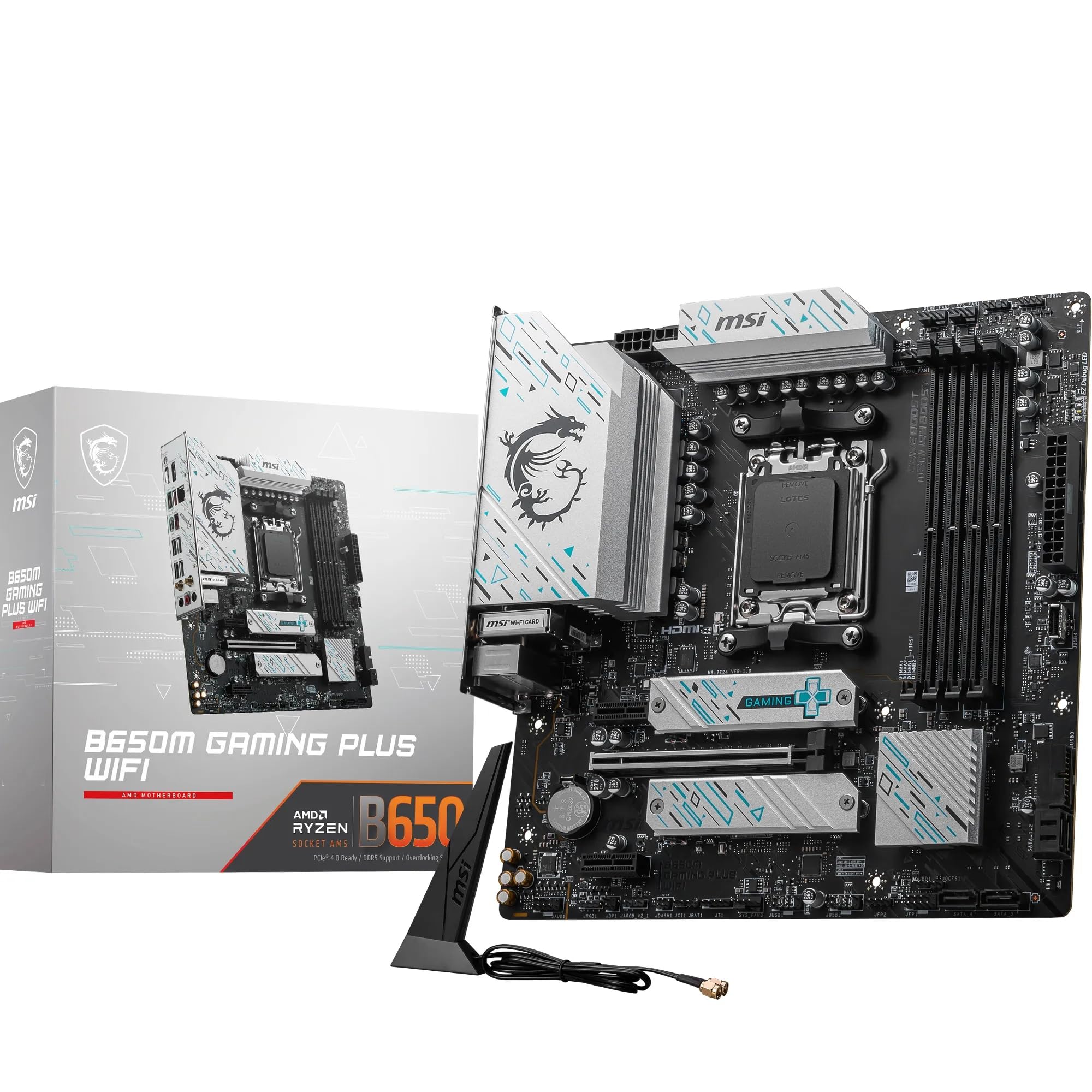
If you want a better BIOS experience and don't mind spending more, the ASUS ROG Strix B550-F Gaming Wi-Fi II is the step up I'd recommend. The BIOS is genuinely more intuitive, the audio implementation is slightly better, and the overall polish is higher. The price premium is real, but if you're spending a lot on the rest of the build, it's worth considering.
For builders who want to future-proof beyond AM4, it's worth acknowledging that AMD's AM5 platform with Ryzen 7000 series CPUs is now available. If you're starting a brand new build from scratch and budget allows, AM5 with DDR5 is the forward-looking choice. But if you already have AM4 components or are upgrading an existing system, B550 with Ryzen 5000 remains an excellent platform that will serve you well for years. The AMD Ryzen product lineup covers both platforms if you want to compare your options before committing.
About the Reviewer
I've been building PCs in the UK for 15 years, from budget office machines to high-end workstations and gaming rigs. I write for vividrepairs.co.uk with a focus on honest, practical advice rather than spec sheet recitation. I care about whether components actually work reliably over time, not just how they perform in benchmarks on launch day. I've made every mistake in the book so you don't have to, and I have strong opinions about BIOS interfaces, VRM quality, and the difference between marketing claims and real-world performance.
Affiliate Disclaimer
This article contains affiliate links. If you purchase through these links, vividrepairs.co.uk may earn a small commission at no additional cost to you. This does not influence our reviews or recommendations. We only recommend products we have genuinely tested and believe offer good value.
What works. What doesn’t.
6 + 4What we liked6 reasons
- 12+2 phase VRM with 50A DrMOS handles the full AM4 CPU range, including Ryzen 9, without thermal throttling under sustained load
- Wi-Fi 6E and 2.5GbE LAN included together at this price tier, removing the need for separate add-in networking cards
- PCIe 4.0 on both the primary GPU slot and the first M.2 slot ensures full bandwidth for current-generation components
- Front USB 3.2 Gen1 Type-C header works with modern cases straight away, without adapters or workarounds
- ALC1200 codec paired with WIMA capacitors delivers noticeably better onboard audio than budget B550 alternatives
- Reinforced PCIe x16 slot, proper VRM heatsink contact, and sensible board layout make for a straightforward build experience
Where it falls4 reasons
- BIOS is functional but less intuitive than equivalent ASUS or some MSI boards, particularly in the advanced overclocking menus
- RGB FUSION 2.0 software is bloated and occasionally temperamental, best configured once and largely left alone
- Memory compatibility above 4000MHz can be inconsistent; checking Gigabyte's QVL is advisable for high-speed kits
- No dedicated BIOS Flashback button on the rear I/O panel, making BIOS updates without a compatible CPU slightly less straightforward
Full specifications
12 attributes| Socket | AM4 |
|---|---|
| Chipset | B550 |
| Form factor | ATX |
| Bios flashback | true |
| M2 slots | 2 |
| MAX RAM | 128GB |
| MAX RAM GB | 128 |
| Network | 2.5GbE LAN + Wi-Fi 6E |
| Pcie 5 slots | 0 |
| Pcie slots | 1x PCIe 4.0 x16 |
| RAM slots | 4 |
| RAM type | DDR4 |
If this isn’t right for you
2 options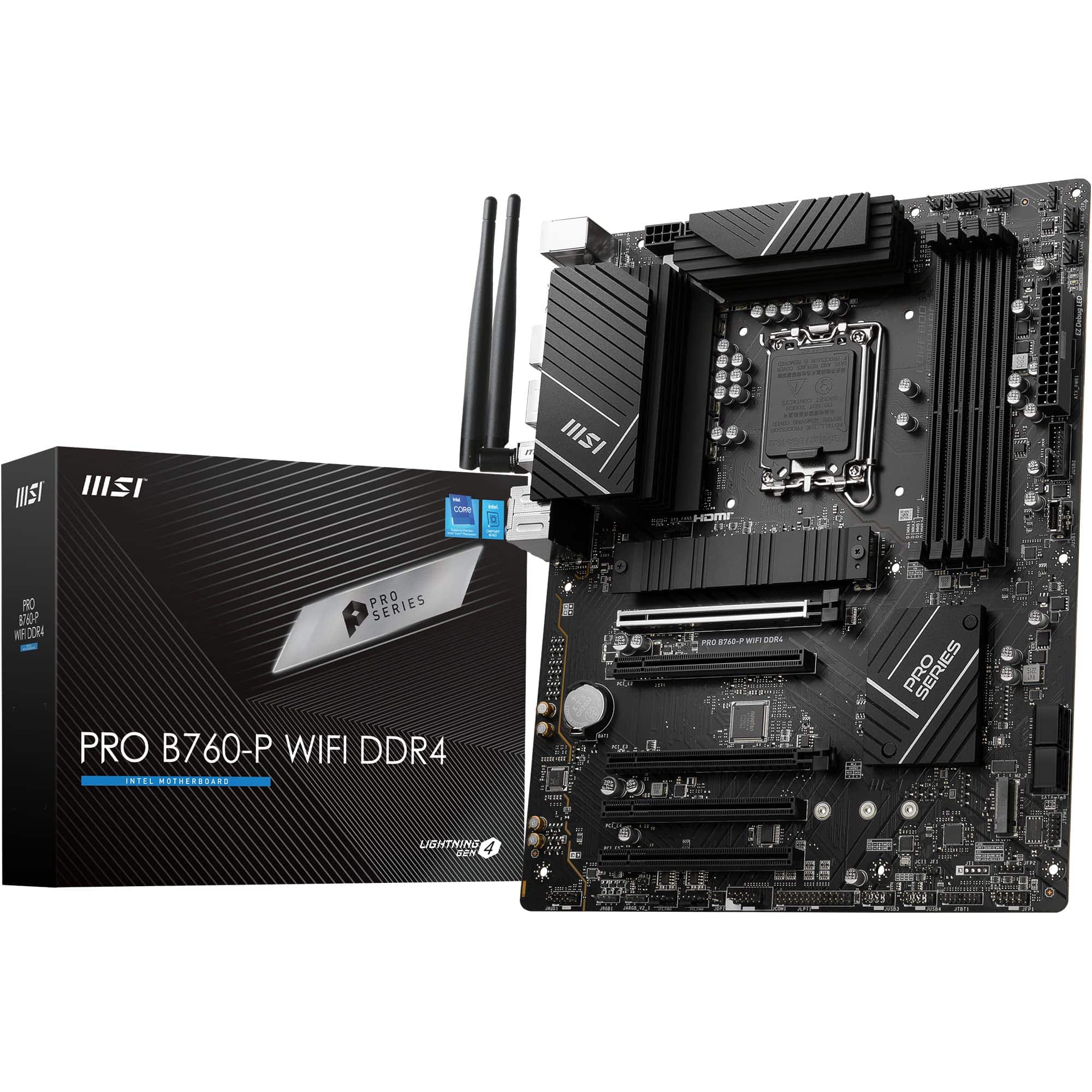
Frequently asked
7 questions01Is the Gigabyte B550 AORUS Elite AX V2 motherboard good?+
Yes. It offers a 12+2 phase VRM capable of handling the full AM4 CPU range, Wi-Fi 6E, 2.5GbE LAN, PCIe 4.0 on the primary GPU and M.2 slots, and solid build quality. The BIOS and RGB software are the weaker points, but the core hardware is genuinely impressive for a mid-range B550 board.
02Is the B550 chipset good for gaming?+
The B550 chipset is an excellent choice for gaming. It supports PCIe 4.0 on the primary GPU slot and first M.2 slot, handles current-generation AMD Ryzen 5000 processors, and provides more than enough bandwidth for a single-GPU gaming build. Only very niche multi-card or multi-expansion-card setups would benefit from stepping up to X570.
03Is the Gigabyte AORUS Elite good?+
The AORUS Elite range sits in the upper-mid tier and earns a positive verdict. The B550 AORUS Elite AX V2 specifically is one of the better B550 boards at its price point due to its VRM quality, networking features, and build quality. It is not the absolute best B550 board available, but it offers strong value for money compared to the competition.
04What RAM is compatible with the B550 AORUS Elite AX V2?+
Any standard DDR4 kit in an unbuffered ECC or non-ECC configuration will work. The board supports XMP profiles, so kits rated at 3200MHz or 3600MHz will run at their rated speeds once XMP is enabled in the BIOS. The sweet spot for Ryzen 5000 CPUs is 3600MHz, where the Infinity Fabric runs at a 1:1 ratio for the best latency. For high-speed kits above 4000MHz, checking Gigabyte's official QVL is advisable. Major brands including Corsair, G.Skill, Kingston, and Crucial have tested kits on this board.
05What CPU is best for the B550 AORUS Elite AX V2?+
The Ryzen 5 5600X is the sweet spot for gaming builds, offering excellent single-core performance at a price that leaves room for a capable GPU. The Ryzen 7 5800X3D is arguably the best gaming CPU for this platform if available at a sensible price. The Ryzen 9 5900X and 5950X are well suited to productivity and content creation workloads, and the board's 12+2 phase VRM handles both without thermal stress. The B550 chipset supports 3rd Gen Ryzen and Ryzen 5000 Series processors; Ryzen 1000 and 2000 series CPUs are not supported.
06Does the B550 AORUS Elite AX V2 support PCIe 4.0?+
Yes. The primary PCIe x16 slot and the first M.2 NVMe slot both run at PCIe 4.0, routed directly through the CPU. This means full-bandwidth support for current-generation GPUs such as the RX 7000 series and PCIe 4.0 NVMe drives such as the Samsung 980 Pro. The second M.2 slot and additional PCIe slots run at PCIe 3.0 through the chipset, which remains perfectly adequate for secondary storage and expansion cards.
07Does the Gigabyte B550 AORUS Elite AX V2 include Wi-Fi?+
Yes. The AX V2 variant includes Wi-Fi 6E, which supports the 2.4GHz, 5GHz, and 6GHz bands. The 6GHz band offers less congestion and potentially faster speeds with a compatible router. It also includes 2.5GbE wired LAN. Having both standards built in is unusual at this price tier and removes the need for separate networking cards.