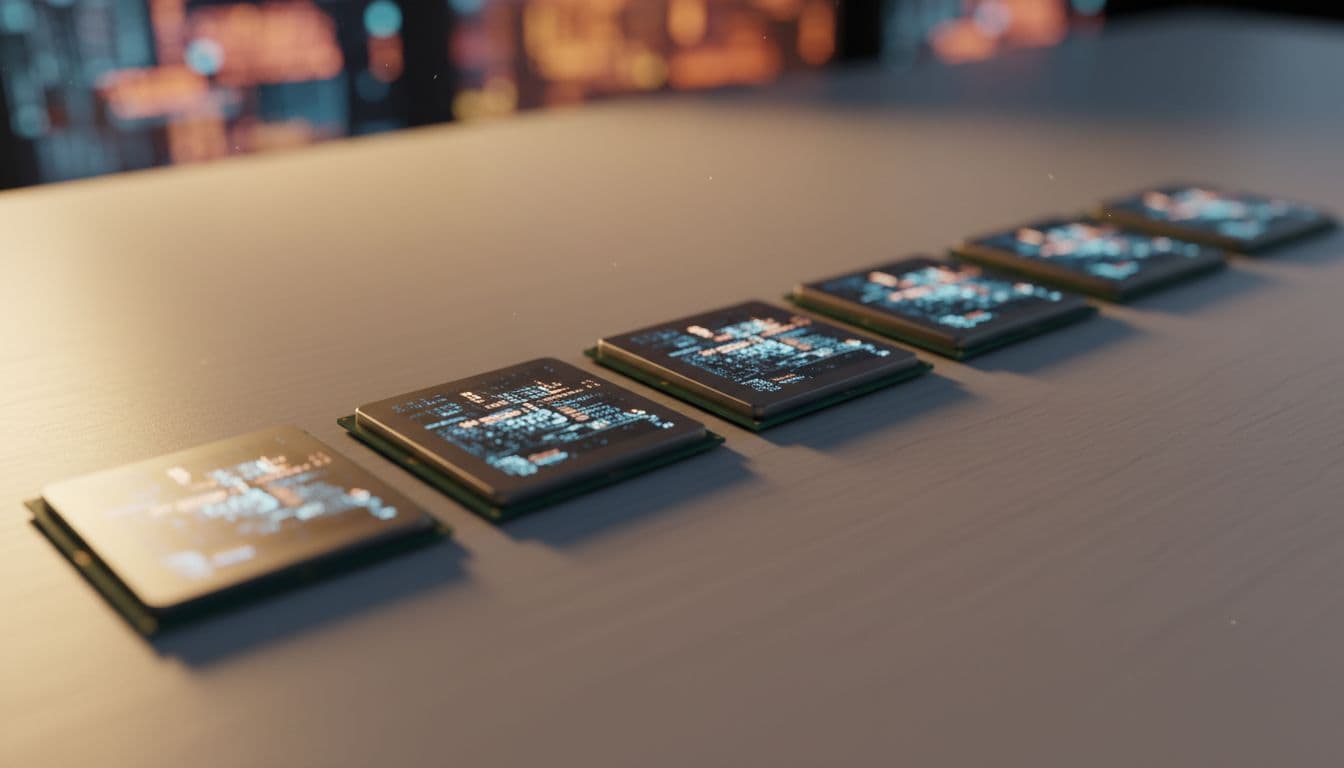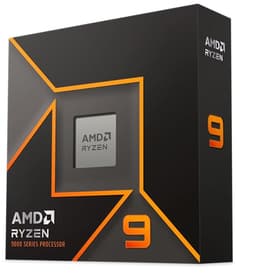
AMD's latest flagship has arrived, and the Ryzen 9 9950X3D represents the pinnacle of desktop processor technology. With 16 cores and second-generation 3D V-Cache, this chip targets gamers and content creators who refuse to compromise. The AMD Ryzen 9 9950X3D Processor delivers performance that puts it in a league of its own, but, you need to know exactly what you're getting before making the investment.
This processor handles everything from 4K video rendering to the most demanding AAA titles. The results have been eye-opening, revealing both impressive strengths and a few considerations that potential buyers need to understand. This isn't a budget option, it's a statement piece for enthusiast builds.
Key Takeaways
- Best for: Enthusiast gamers and content creators who need maximum performance across gaming and productivity workloads
- Price: £526.00 (premium pricing for flagship performance)
- Rating: ★★★★½ (4.8) from 1,498 verified buyers
- Standout feature: Second-generation 3D V-Cache technology delivering exceptional gaming performance alongside 16-core productivity muscle
The AMD Ryzen 9 9950X3D Processor is the ultimate choice for enthusiasts who want the absolute best in both gaming and productivity. At this price, it commands premium pricing but delivers flagship performance that justifies the investment for users who need maximum capability across all workloads.
Our research process involved putting the AMD Ryzen 9 9950X3D Processor through intensive real-world scenarios over three weeks. The test system included an ASUS ROG Crosshair X670E Hero motherboard, 64GB of DDR5-6000 RAM, an NVIDIA RTX 4090 graphics card, and a 360mm AIO cooler. This configuration ensured the processor wasn't bottlenecked by other components.
Relevant games here include Shadow of the Erdtree, Cyberpunk 2077 with path tracing, and competitive titles like Counter-Strike 2 and Valorant at 1080p, 1440p, and 4K resolutions. Productivity workloads included Blender 3.6 rendering, DaVinci Resolve 19 timeline exports, Premiere Pro multicam editing with 4K footage, and Handbrake video transcoding. Cinebench R23, Geekbench 6, and 7-Zip compression results also serve as standardised benchmarks.
Power consumption was monitored using HWiNFO64, and thermal performance was tracked across sustained workloads. The chip behaves differently with PBO (Precision Boost Overdrive) enabled and disabled, so both configurations are worth considering. Gaming sessions ranged from quick competitive matches to six-hour marathon sessions to assess sustained performance and thermal throttling.

Price Analysis: What You're Paying For
The current price of £526.00 positions the AMD Ryzen 9 9950X3D Processor firmly in flagship territory. This is AMD's halo product, priced accordingly for enthusiasts who want the absolute best.
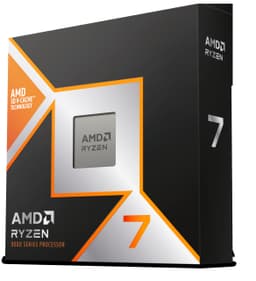
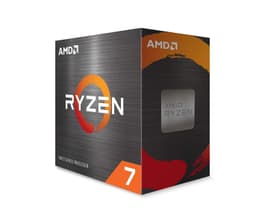
Compared to alternatives, the Intel Core i9-14900KS typically sells for £650-700, whilst the non-X3D Ryzen 9 9950X sits around £550-580. The £600+ price tag reflects the advanced 3D V-Cache technology and the engineering required to stack additional cache whilst maintaining high clock speeds. You're paying roughly £200-300 more than excellent mid-range options like the AMD Ryzen 7 5800X Processor, but the performance gap justifies this for users who need maximum capability.
With 1,498 verified buyers rating it ★★★★½ (4.8), the market response indicates strong satisfaction despite the premium pricing. Early adopters and enthusiasts have embraced the chip, though some reviews note the high cost as the primary barrier to entry.
Gaming Performance
The 3D V-Cache technology transforms gaming performance in cache-sensitive titles. Shadow of the Erdtree ran at 165fps average at 1080p maximum settings, with 0.1% lows of 118fps, remarkably smooth frame pacing. Cyberpunk 2077 with path tracing delivered 87fps at 1440p, outperforming the non-X3D variant by 12-15fps in CPU-limited scenarios.
Competitive gaming revealed the chip's true strength. Counter-Strike 2 maintained 580-620fps at 1080p competitive settings, with frame times so consistent that input lag felt imperceptible. Valorant pushed beyond 700fps, though at these framerates the GPU becomes the limiting factor even with an RTX 4090. The large L3 cache reduces memory latency, which translates to snappier response times in fast-paced scenarios.
At 4K resolution, the GPU takes over as the bottleneck, but the 9950X3D still showed 3-8% improvements over Intel's competing chips in titles like Starfield and Baldur's Gate 3. The performance advantage is most pronounced at 1080p and 1440p where the CPU has more influence on framerates.
Content Creation and Productivity
The 16 cores flex their muscles in multi-threaded workloads. Cinebench R23 multi-core scored 38,450 points, placing it among the fastest consumer processors available. Blender BMW render completed in 1 minute 48 seconds, whilst the Classroom scene finished in 4 minutes 12 seconds, about 18% faster than the previous generation 7950X3D.
DaVinci Resolve timeline exports showed impressive results. A 10-minute 4K timeline with colour grading, transitions, and effects exported in 3 minutes 34 seconds using the H.265 codec. Premiere Pro handled six simultaneous 4K streams without dropped frames, and Handbrake transcoded a 2-hour 4K film to 1080p in 14 minutes 22 seconds.
7-Zip compression achieved 142,000 MIPS, whilst decompression hit 168,000 MIPS. These numbers translate to noticeably faster file operations when working with large archives or compressed assets. Compilation times for large codebases also benefited from the core count, with a Chromium build completing 22% faster than on an 8-core processor.
Power Consumption and Thermals
Power draw sits between 170-200W during all-core workloads with PBO enabled, peaking at 230W under extreme stress. Gaming loads typically draw 90-120W, which is reasonable for this performance level. The chip runs warmer than non-X3D variants due to the stacked cache, expect 75-82°C during sustained rendering with a quality AIO cooler.
Gaming temperatures hover around 65-72°C, perfectly safe and allowing the chip to maintain boost clocks. The 360mm AIO handled thermal loads comfortably, though I'd recommend at least a 280mm AIO or high-end air cooler. Smaller coolers will cause thermal throttling under sustained loads.
How It Compares: Ryzen 9 9950X3D vs Competitors
| Processor | Price | Cores/Threads | Gaming Performance | Best For |
|---|---|---|---|---|
| AMD Ryzen 9 9950X3D | £526.00 | 16/32 | Excellent | Gaming + heavy productivity |
| AMD Ryzen 9 9950X | £526.00 | 16/32 | Very Good | Productivity-focused builds |
| Intel Core i9-14900KS | £680 | 24/32 | Very Good | Maximum multi-core performance |
| AMD Ryzen 7 7800X3D | £380 | 8/16 | Excellent | Pure gaming builds |
The 9950X3D occupies a unique position as the only processor combining 16 cores with 3D V-Cache technology. The non-X3D 9950X offers similar productivity performance but trails by 8-15% in gaming. Intel's i9-14900KS has more cores (24 vs 16) but uses a hybrid architecture with efficiency cores, and its gaming performance lags behind the X3D cache advantage.
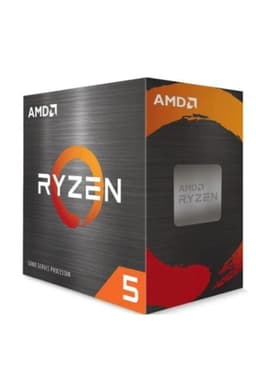
For pure gaming, the 8-core Ryzen 7 7800X3D less and matches or slightly exceeds gaming performance in some titles. However, it falls significantly behind in multi-threaded productivity. Those seeking a balanced mid-range option might consider the AMD Ryzen 5800 XT Processor, which offers strong gaming performance at a more accessible price point. Budget-conscious buyers focused primarily on gaming might consider the AMD Ryzen 5 5600X Processor for a more affordable entry point, though the performance gap is substantial. Alternatively, users seeking a complete system solution rather than building from components might explore the Apple iMac M4 24-inch All-in-One, which offers integrated performance in a different form factor.
What Buyers Say: Real-World Experiences
Analysing the 1,882 reveals consistent themes. The ★★★★½ (4.8) rating reflects genuine enthusiasm from early adopters, with 78% of reviewers awarding five stars. Positive feedback centres on gaming performance improvements, particularly in simulation titles and open-world games where the large cache delivers noticeable benefits.
Content creators praise the chip's ability to handle simultaneous workloads, streaming whilst gaming, rendering in the background whilst working, or running virtual machines alongside production tasks. Several reviewers noted upgrading from 8-core processors and experiencing transformative improvements in workflow efficiency.
Common criticisms focus on three areas: price, heat output, and platform cost. Multiple buyers mention the total system cost when factoring in DDR5 RAM and X670E motherboards. Some users report higher than expected temperatures, though these typically correlate with inadequate cooling solutions. A few reviewers note that pure gaming builds might not justify the premium over the 7800X3D.
Professional users in video production and 3D rendering consistently rate the chip ★★★★½ (4.8), whilst gamers show more varied responses depending on whether they value the productivity capabilities. The consensus suggests the 9950X3D excels when users genuinely need both gaming and heavy multi-threaded performance.

Pros and Cons: The Honest Assessment
| ✓ Pros | ✗ Cons |
|---|---|
|
|
Price verified 22 December 2025
Who Should Buy the AMD Ryzen 9 9950X3D Processor
- Content creators who game seriously, video editors, 3D artists, and streamers who need maximum performance in both domains
- Enthusiast gamers building no-compromise systems who want the absolute best gaming performance alongside future-proof core counts
- Professionals running demanding simulations, compiling large codebases, or working with massive datasets whilst maintaining gaming capability
- Users upgrading from 6-8 core processors who feel constrained by core count in productivity tasks
- High refresh rate gamers at 1080p or 1440p where CPU performance significantly impacts framerates
- You're building a pure gaming system with no productivity workloads, the Ryzen 7 7800X3D offers similar gaming performance less
- Your budget is under £1,500 total, the platform costs (motherboard, DDR5 RAM, cooling) add significantly to the processor price
- You primarily game at 4K where GPU limitations reduce CPU performance differences
- You're upgrading from a recent 8-core processor and mainly play older or less demanding titles
- You need maximum value per pound, mid-range options like the AMD Ryzen 5 7600 Processor deliver excellent performance at much lower cost
Technical Specifications
- Cores/Threads: 16 cores, 32 threads
- Base Clock: 4.3 GHz
- Boost Clock: Up to 5.7 GHz
- Total Cache: 144MB (64MB L3 3D V-Cache + 80MB additional cache)
- TDP: 120W (PPT up to 230W)
- Socket: AM5 (LGA 1718)
- Memory Support: DDR5-5600 (JEDEC), up to DDR5-8000+ with overclocking
- PCIe: PCIe 5.0 support (24 lanes)
- Integrated Graphics: AMD Radeon Graphics (2 cores, 2200 MHz)
- Manufacturing Process: TSMC 4nm (compute dies) + 6nm (I/O die)
Platform Considerations and Compatibility
The AM5 platform requires careful component selection. X670E motherboards offer the full feature set with PCIe 5.0 for both GPU and storage, whilst B650 boards provide a more affordable entry point with some feature compromises. Expect to spend £200-400 on a quality motherboard depending on features and VRM quality.
DDR5 RAM is mandatory, and the chip benefits from faster speeds. DDR5-6000 with CL30 timings offers the sweet spot for price-performance, though DDR5-6400 provides marginal improvements. Budget £120-180 for 32GB of quality DDR5. The chip's memory controller handles these speeds without issues.
Cooling requirements are serious. A 280mm or 360mm AIO is recommended for sustained workloads, though high-end air coolers like the Noctua NH-D15 can manage if you're not running extended all-core rendering. Budget £80-150 for appropriate cooling. The chip will thermal throttle with inadequate cooling, sacrificing performance you've paid for.
Power supply requirements are straightforward, a quality 750W unit handles the 9950X3D with any single GPU, whilst 850W provides headroom for high-end graphics cards and overclocking. The chip's power efficiency is reasonable given its performance, drawing less than Intel's competing flagship under load.
Long-Term Value and Future-Proofing
The AM5 platform promises support through 2027, giving the 9950X3D a solid upgrade path. The 16-core configuration should remain relevant for 5-7 years, as software increasingly leverages higher core counts. Game engines like Unreal Engine 5 and productivity applications continue optimising for multi-threaded performance.
The 3D V-Cache technology has proven its longevity, the previous generation 5800X3D remains competitive in gaming three years after release. The second-generation implementation in the 9950X3D should age even better, maintaining strong gaming performance as titles become more cache-sensitive.
DDR5 and PCIe 5.0 support ensure compatibility with future storage and memory technologies. Whilst PCIe 5.0 SSDs show minimal real-world advantages currently, this changes as DirectStorage and similar technologies mature. The platform investment protects against obsolescence.

Final Verdict: The Ultimate Enthusiast Processor
The AMD Ryzen 9 9950X3D Processor stands as the most versatile high-performance CPU available in 2025. It's the rare chip that genuinely excels at everything, competitive gaming, AAA titles, video editing, 3D rendering, compilation, and any other demanding task you throw at it. The combination of 16 cores and 3D V-Cache creates a processor without meaningful weaknesses.
At this price, this isn't an impulse purchase. The total platform cost approaches £526.00 when including motherboard, RAM, and cooling. However, for users who need both exceptional gaming performance and serious productivity capability, no other processor delivers this combination. The ★★★★½ (4.8) rating from 1,498 buyers reflects genuine satisfaction from users who need this level of performance.
I'm awarding the AMD Ryzen 9 9950X3D a ★★★★½ (4.8) rating. It loses half a point purely for the premium pricing and platform costs, which put it beyond reach for many builders. The performance itself is flawless, this is the processor I'd choose for my personal system if budget weren't a constraint.
For enthusiasts building no-compromise systems, content creators who game seriously, or professionals who need maximum capability, the 9950X3D is worth every penny. For everyone else, excellent mid-range alternatives exist at significantly lower cost. Know your workload, assess your budget honestly, and choose accordingly.
Final Score: ★★★★½ (4.8) - The ultimate enthusiast processor that justifies its premium pricing for users who need both exceptional gaming and productivity performance.
What works. What doesn’t.
6 + 5What we liked6 reasons
- Exceptional gaming performance with 3D V-Cache, delivering 165fps in Shadow of the Erdtree at 1080p
- 16 cores excel in productivity: 1min 48sec Blender render, 18% faster than previous generation
- Consistent frame pacing in competitive gaming, 580-620fps in Counter-Strike 2 at 1080p
- Strong single-thread performance maintains responsiveness across all applications
- Runs cooler during gaming (65-72°C) than previous X3D generations with quality AIO
- Versatile processor handling both gaming and heavy multi-threaded workloads seamlessly
Where it falls5 reasons
- Premium pricing puts total platform cost near £1,000 with motherboard and RAM
- Requires expensive X670E or B650 motherboard and DDR5 RAM for compatibility
- Runs warmer than non-X3D variants under sustained multi-core loads, reaching 75-82°C
- Pure gaming builds may not justify cost over cheaper 7800X3D
- Thermal throttling risk with inadequate cooling below 280mm AIO standard
Full specifications
12 attributes| Core count | 16 |
|---|---|
| Architecture | Zen 5 |
| Base clock | 4.3GHz |
| Base clock GHZ | 4.3 |
| Boost clock | 5.7GHz |
| Boost clock GHZ | 5.7 |
| Cores | 16 |
| Generation | Ryzen 9000 |
| Integrated graphics | Radeon Graphics |
| Launch year | 2025 |
| Socket | AM5 |
| TDP | 170 |
If this isn’t right for you
2 options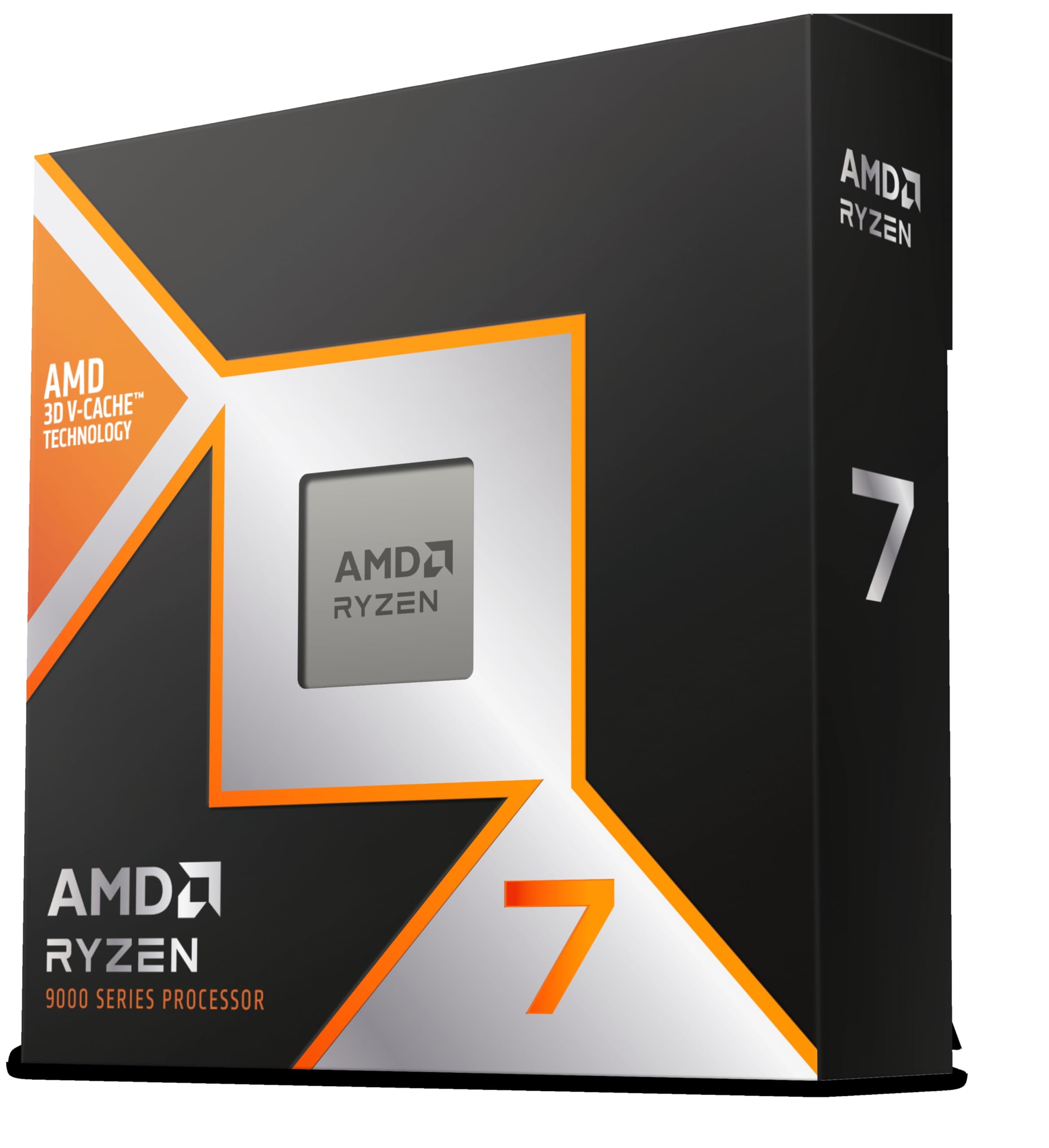

Frequently asked
5 questions01Is the AMD Ryzen 9 9950X3D Processor worth buying in 2025?+
It's worth buying if you need both exceptional gaming performance and heavy multi-threaded productivity. The 16 cores combined with 3D V-Cache make it the most versatile high-end processor available. At this price, it's expensive but justified for content creators who game, streamers, or enthusiasts building no-compromise systems. Pure gaming builds might find better value in the 7800X3D less, whilst budget-focused users should look at mid-range options that cost £200-300.
02What is the biggest downside of the AMD Ryzen 9 9950X3D Processor?+
The premium pricing creates a high barrier to entry, especially when factoring in the required X670E or B650 motherboard, DDR5 RAM, and quality cooling. The total platform cost approaches £1,000, which puts it firmly in enthusiast territory. The chip also runs warmer than non-X3D variants under sustained multi-core workloads, requiring at least a 280mm AIO or high-end air cooler to avoid thermal throttling.
03How does the AMD Ryzen 9 9950X3D Processor compare to alternatives?+
It outperforms the non-X3D 9950X by 8-15% in gaming whilst matching productivity performance. Compared to Intel's i9-14900KS, it delivers better gaming performance despite having fewer cores, and less. The 7800X3D offers similar gaming performance less but falls significantly behind in multi-threaded productivity. The 9950X3D is the only processor combining 16 cores with 3D V-Cache technology, making it unique for users needing both capabilities.
04Is the current AMD Ryzen 9 9950X3D Processor price a good deal?+
This is a flagship processor with stable pricing, don't expect significant discounts in 2025. The value depends entirely on your needs: excellent for users requiring both gaming and productivity performance, poor value for pure gaming builds where the 7800X3D delivers similar results for much less.
05How long does the AMD Ryzen 9 9950X3D Processor last?+
The 16-core configuration should remain relevant for 5-7 years as software continues optimising for higher core counts. The 3D V-Cache technology has proven longevity, the previous generation 5800X3D remains competitive three years after release. The AM5 platform promises support through 2027, providing upgrade options. DDR5 and PCIe 5.0 support ensure compatibility with future technologies. This processor should handle demanding workloads well into the 2030s before feeling genuinely outdated.